
The Best Marathon Running Shoes for Men & Women 2026
Tech

Key Findings
The marathon shoe market in 2026 is defined by "super shoe" technology that uses nitrogen-infused foams and carbon plates to maximize energy return and muscle protection. Whether choosing the aggressive Nike Alphafly 3 or the stable HOKA Rocket X 2, the primary goal is to find a shoe that matches your stride cadence and pace targets.

Standing at the starting line of a marathon is the culmination of months of sacrifice, early mornings, and hundreds of miles of preparation.
In 2026, the technology beneath your feet has advanced to a point where your footwear does far more than just protect your soles; it actively preserves your muscle integrity and optimizes your energy expenditure.
The latest innovations in midsole chemistry and carbon-fiber geometry have made the sub-three-hour goal more attainable for dedicated amateurs than ever before.
Choosing the right pair is no longer just about comfort. It is about selecting a precision instrument that matches your specific foot strike and pace goals.
This guide breaks down the elite options currently dominating the road racing scene.
We will examine the top-tier performers that offer the best return on your training investment, ensuring that your legs feel as strong at mile twenty as they did at mile two.
What Makes a Good Marathon Runner Shoe
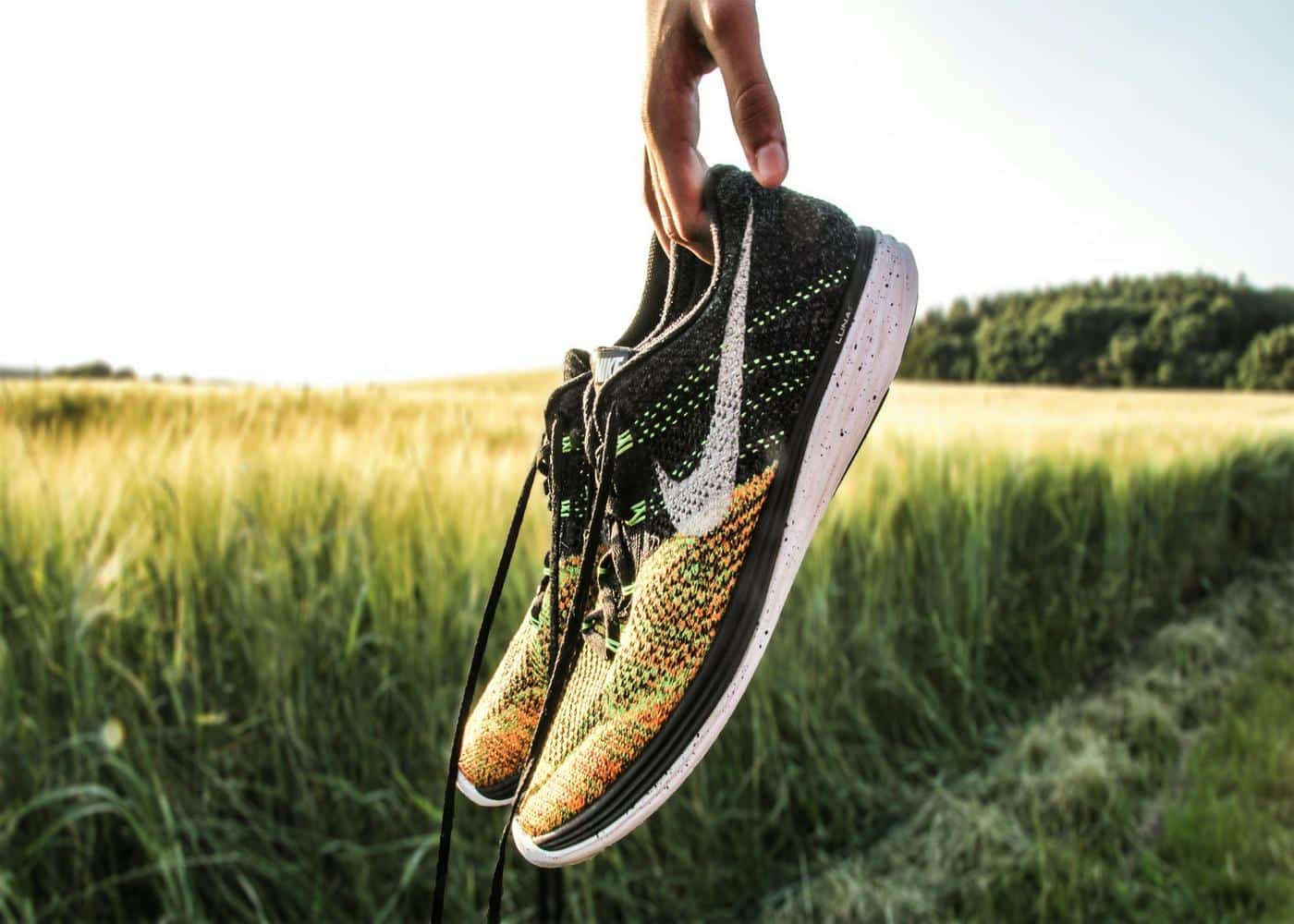
A high-performance racing shoe must balance three critical pillars: energy return, impact protection, and structural stability. Most elite models now utilize a "super shoe" architecture, which typically features a thick stack of nitrogen-infused or supercritical foam paired with a rigid internal plate.
This combination creates a propulsive lever effect that reduces the workload on your calves and ankles during each stride. However, a shoe that is too aggressive can lead to premature fatigue if your form begins to break down late in the race.
Durability and lockdown are also essential factors to consider when making your selection. The best marathon running shoes provide a secure fit that prevents your foot from sliding during sharp turns or steep descents.
The upper material should be breathable enough to manage heat and moisture over several hours of intense effort. Additionally, the outsole must provide reliable traction on varying surfaces, from slick asphalt to damp concrete, without adding unnecessary weight to your kit.


Best Marathon Running Shoes for Men

The current selection of marathon running shoes for men emphasizes maximum stack heights and aggressive rocker shapes to facilitate a fast, efficient turnover.
1. Nike Alphafly 3
The Alphafly 3 remains the most recognizable silhouette on the professional marathon circuit. For 2026, it continues to lead with its dual Zoom Air pods in the forefoot and a continuous Flyplate that provides an unmistakable spring with every step.
The integrated Atomknit 3.0 upper offers a nearly weightless feel while providing the lateral support needed for high-speed cornering. It is specifically designed to maximize the efficiency of elite runners who maintain a midfoot to forefoot strike throughout the entire distance.
Key Features:
Dual Zoom Air units for maximum energy return
Full-length carbon-fiber Flyplate for propulsion
High stack ZoomX foam for superior muscle protection
Ultralight Atomknit upper for maximum breathability
Best For: Competitive racers aiming for a personal best on flat, fast courses.
2. Adidas Adizero Adios Pro 3
The Adios Pro 3 stands out due to its unique EnergyRods technology, which mimics the metatarsal bones of the human foot. This design allows for a more natural flex than a solid carbon plate while still providing the stiffness required for a fast race pace.
The Lightstrike Pro foam is resilient and maintains its bouncy characteristics even after several hours of continuous pounding. This model has become a favorite for those who find traditional carbon plates a bit too jarring for their joints.
Key Features:
Carbon-infused EnergyRods for anatomic propulsion
Dual layers of Lightstrike Pro cushioning
Synthetic textile upper made with recycled materials
Continental Rubber outsole for exceptional wet-weather grip
Best For: Runners who prefer a more natural foot flex without sacrificing speed.
3. ASICS Metaspeed Sky Paris
Asics has refined the Metaspeed Sky Paris to cater specifically to "stride" runners who increase their speed by extending their stride length. The Turbo Plus foam is remarkably light and offers a high level of compression and rebound.
The carbon plate is positioned higher in the midsole to allow for more foam compression, resulting in a more explosive toe-off. This shoe is widely praised for its stable platform, making it a reliable choice for men who need a little more support during the final miles.
Key Features:
FF Blast Turbo Plus foam for a soft yet energetic ride
Stride-style carbon plate geometry for increased power
Motion Wrap 2.0 upper for a secure and breathable fit
Widened midfoot base for enhanced landing stability
Best For: Powerful runners who thrive on a bouncy, high-energy return experience.
4. Saucony Endorphin Elite 2
The Endorphin Elite 2 is Saucony’s most aggressive racing shoe, featuring a prominent cut-out in the midfoot to reduce weight. It uses PWRRUN HG foam, which is their highest grade of energy-returning cushioning.
The forked carbon plate provides a snappy feel that encourages a quick transition from heel to toe. This model is known for its "Speedroll" geometry, which feels like it is constantly pulling you forward, even when your legs are starting to feel heavy.
Key Features:
PWRRUN HG supercritical foam for elite responsiveness
Slotted carbon plate for optimized lateral flexibility
Minimalist mesh upper for a featherweight race day feel
Aggressive rocker shape to maintain forward momentum
Best For: Marathoners who prefer a firm, snappy toe-off and a fast transition.
5. New Balance FuelCell SuperComp Elite v5
New Balance has focused on comfort and efficiency with the latest SuperComp Elite v5. It utilizes a 100 percent PEBA FuelCell midsole that is softer than many of its competitors, providing a plush ride that saves your legs for the finish.
The Energy Arc technology pairs a specialized plate with a hollow channel in the midsole to store and release energy more effectively. This is often cited as one of the most "friendly" super shoes for those who find other carbon racers too harsh.
Key Features:
Energy Arc technology for optimized energy storage
High rebound PEBA FuelCell foam for a plush feel
FantomFit upper for a secure, irritation-free lockdown
Durable solid rubber outsole in high wear areas
Best For: Marathoners who prioritize comfort and leg freshness over absolute stiffness.
Best Marathon Running Shoes for Women

Modern running shoes for women are now designed with female-specific biomechanics in mind, offering specialized lasts and foam densities that cater to different gait patterns and body weights.
1. ASICS Metaspeed Edge Paris
The Metaspeed Edge Paris is designed for "cadence" runners who increase their speed by taking more steps per minute. Unlike the Sky version, the carbon plate in the Edge is placed lower in the midsole to facilitate a quicker roll forward.
This helps maintain a high turnover rate, which can be particularly beneficial for women who prefer a more controlled and rhythmic stride. The shoe is incredibly lightweight, making it easy to maintain your pace during the grueling second half of a marathon.
Key Features:
Cadence-style plate geometry for faster foot turnover
Ultralight FF Blast Turbo Plus cushioning
Curved sole design to reduce ankle flexion energy loss
Minimalist upper designed for a narrower heel fit
Best For: Cadence-focused runners looking for a smooth and efficient roll.
2. Nike Vaporfly 4
The Vaporfly 4 continues to be a versatile powerhouse for female marathoners across all skill levels. It offers a slightly more stable ride than the Alphafly while still providing world-class energy return.
The ZoomX foam is thick and protective, while the full-length carbon plate ensures a stiff and responsive ride. Many women prefer the Vaporfly because its narrower profile feels more agile and less bulky than the high-volume Alphafly.
Key Features:
Full-length Flyplate for a propulsive, stiff feel
Widened midsole geometry for improved stability
Flyknit upper with zonal breathability and support
Offset lacing system to reduce pressure on the top of the foot
Best For: Women seeking a versatile, fast, and agile race-day shoe.
3. Brooks Hyperion Elite 4
Brooks has made significant strides with the Hyperion Elite 4, using a DNA FLASH v2 nitrogen-infused foam that is lighter and springier than previous versions. The Arris carbon plate is designed to provide a snappy response without feeling overly restrictive.
Brooks shoes are often praised for their consistent and reliable fit, making this a great option for women who want the benefits of a super shoe without a dramatic learning curve.
Key Features:
DNA FLASH v2 nitrogen-infused foam for lightweight energy
SpeedVault Race+ plate for a responsive toe-off
Breathable textile upper with a structured heel counter
Reliable traction on both dry and wet road surfaces
Best For: Runners who want a familiar Brooks fit with elite racing technology.
4. HOKA Rocket X 3
The Rocket X 3 is a departure from the traditional HOKA feel, offering a much more aggressive and responsive ride. It features a dual-density PEBA foam and a spoon-shaped carbon plate that works in harmony with HOKA’s signature early-stage Meta-Rocker.
This shoe provides an incredibly smooth transition and plenty of cushioning for those who tend to land a bit heavier as they tire. It is a highly stable option that works well for women who need a consistent platform.
Key Features:
ProFlyX construction with a dual-density PEBA midsole
Spoon-shaped carbon fiber plate for a propulsive roll
Technical synthetic mesh upper for a locked-in fit
Strategically placed rubber zones for durability and grip
Best For: Women who value a smooth, stable, and highly cushioned racing experience.
Other Must-have Marathon Running Gear

Selecting your marathon running shoes is only half the battle. Your support gear can make or break your race day experience by managing your temperature and nutrition.
This marathon running gear provides the secondary layer of protection needed for twenty-six miles of continuous movement. Investing in the right accessories ensures that you can focus on your pace rather than managing discomfort or equipment failure.
1. Marathon Running Vest
A lightweight marathon running vest is an essential piece for those who prefer to carry their own hydration and nutrition. Look for a model that features a high-riding design to prevent bouncing and chafing during long miles.
The best vests for 2026 use breathable, moisture-wicking mesh and offer easily accessible pockets for gels and salt tabs. Having your fueling strategy literally on your back can save you time and stress at crowded water stations.
2. Marathon Running Shorts
Your choice of marathon running shorts should prioritize zero-distraction comfort. High-performance racing shorts for 2026 feature laser-cut hems and bonded seams to eliminate the risk of chafing over many miles.
Look for shorts with an integrated liner and multiple "drop-in" pockets for small essentials. The fabric should be incredibly lightweight and fast-drying to ensure you do not carry extra water weight from sweat or rain.
3. High-Performance Running Socks
A great pair of socks is just as important as the shoes they sit inside. For 2026, technical socks are using mohair and synthetic blends to provide a blister-proof environment even when your feet get wet.
These socks offer targeted compression around the arch and extra padding in high-impact zones like the heel and ball of the foot. This helps reduce the micro-vibrations that contribute to foot fatigue late in the race.
4. GPS Performance Watch
In 2026, the latest GPS watches like the Coros Nomad or Garmin Fenix 8 Solar provide more than just pace data. They offer real-time fatigue monitoring and "PacePro" strategies that adjust based on the elevation profile of your specific race course.
These devices act as an objective biofeedback loop, ensuring you do not start too fast and hit the wall prematurely. The battery life on modern units can now last for weeks, meaning you never have to worry about your watch dying mid-race.
5. Precision Nutrition Gels and Electrolytes
Fueling is often called the "fourth discipline" of the marathon. For 2026, many athletes are moving toward science-backed gels like Neversecond or Huma that use real-food ingredients and specific carb-to-electrolyte ratios.
These gels are designed to be stomach-friendly and easy to consume even at high heart rates. Pairing them with a high-quality electrolyte mix ensures that you replace the specific minerals lost in your sweat, preventing debilitating cramps.
6. Anti-Chafe Balm and Sunscreen
Applying a high-quality anti-chafe balm is a non-negotiable pre-race ritual for every serious runner. Modern balms like Squirrel's Nut Butter are sweat-proof and provide a long-lasting barrier against the "sandpaper" effect of salt crystals on skin.
Combined with a sweat-resistant sports sunscreen, this protects your skin from both friction and the elements. These small additions ensure that your post-race recovery is not complicated by painful skin irritations or sunburns.

Final Thoughts: Running Shoes for Marathons
The advancements in footwear technology for 2026 have created a diverse landscape where every runner can find their perfect match. Whether you are an elite athlete chasing a podium spot or a first-timer looking to cross the finish line comfortably, the right pair of shoes is out there.
Remember that a great race is the result of proper preparation, a sound fueling strategy, and the confidence that your gear is working for you.
As you head into your next training cycle, take the time to test your gear under various conditions. When race day arrives, you should be able to focus entirely on your pace and your mental strength, knowing that your shoes are ready to take you every step of the way.
Article FAQ
How to find the best shoes for running a marathon?
Finding the perfect pair begins with understanding your unique gait and the specific goals you have for race day. You should visit a specialty running store to have your stride analyzed, as this determines whether you need a neutral shoe or one with added stability. It is also wise to test several models from different brands, as the "best" shoe is ultimately the one that feels most comfortable and secure during a test run on the treadmill.
How should running shoes fit?
A proper marathon fit requires more room than your casual daily footwear because your feet will naturally swell over twenty-six miles. You should aim for a thumb’s width of space between your longest toe and the end of the shoe to prevent black toenails and blisters. The midfoot should feel snugly "locked in" without being restrictive, while the heel should stay firmly in place with little to no vertical slippage during your stride.
How often should you replace running shoes?
Most high-performance trainers have a lifespan of 300 to 500 miles, though "super shoes" with delicate racing foams often lose their propulsive edge much sooner. You should keep a close eye on the outsole for worn-down tread and pay attention to how your joints feel after a run. If the cushioning starts to feel "dead" or you notice new aches in your knees and hips, it is a clear sign that the internal foam has reached its limit.
Are running shoes good for walking?
Yes, running shoes offer exceptional cushioning and support that can make them very comfortable for long walks. However, keep in mind that the biomechanics of walking involve a heavier heel strike and a different rolling motion than running. While most neutral trainers work well for walking, you should avoid using aggressive carbon-plated racing shoes for casual strolls, as their rigid geometry is specifically designed for high-speed forward momentum.
Should I have a separate shoe for training and racing?
Many marathoners prefer a two-shoe rotation to prolong the life of their expensive race-day gear. You can use a durable, more cushioned "daily trainer" for the bulk of your high-mileage weeks and save your lightweight carbon-plated shoes for specific speed workouts and the race itself. This strategy ensures your legs stay protected during training while allowing you to feel fast and light when it matters most.
Is it necessary to break in marathon shoes?
While modern materials are much more flexible than those of the past, you still need to "break in" your race-day pair to ensure there are no hidden hot spots or lacing issues. It is standard practice to log at least 30 to 50 miles in your racing shoes, including one significant long run, before the marathon. This confirms that the fit is perfect and allows your feet to acclimate to the specific energy return of the foam.