
The Best Swimming Headphones 2026: Hydrodynamic & Waterproof
Tech
Key Findings
The best swimming earphones for 2026 prioritize an IPX8 waterproof rating and high internal storage to bypass the physical limitations of underwater Bluetooth signals. Bone conduction technology has emerged as the preferred choice for athletes because it maintains situational awareness while providing a secure fit during high-intensity laps. Top-tier models from Shokz and H2O Audio currently offer the best balance of hydrodynamic design and audio fidelity for both pool and open water environments.
Swimming has long been one of the few athletic pursuits where athletes are forced to train in relative silence. While runners and cyclists have enjoyed the motivational boost of music and podcasts for decades, swimmers have dealt with the logistical challenge of finding audio gear that can survive total submersion.
The technology has finally reached a point where the compromise between sound quality and water resistance is a thing of the past.
As we move into 2026, the market is no longer defined by whether a device works underwater, but rather how effectively it delivers high-fidelity audio through a dense medium.
This year sees a shift toward more ergonomic designs and integrated storage solutions that bypass the limitations of Bluetooth signals in water.
This guide explores the most reliable and innovative options for athletes looking to enhance their time in the pool through high-performance audio.
What are Swimming Headphones?

Technically speaking, headphones for swimming are specialized audio devices designed with an International Protection (IP) rating of at least IPX8. This rating ensures that the device can be continuously submerged in water beyond one meter without suffering damage.
Unlike standard gym headphones that only resist sweat or light rain, these units use sealed internal components and specialized acoustic membranes. These features keep water out while allowing sound to pass through effectively.
The biggest hurdle for underwater audio remains the physics of wireless connectivity. Bluetooth signals only travel about two to four inches through water, meaning a standard connection to a smartphone on the pool deck will fail immediately upon submersion.
Consequently, the most effective swimming audio solutions either utilize bone conduction technology or internal flash storage to play music without needing a live wireless link. This ensures a consistent listening experience regardless of stroke or depth.
Types of Headphones for Swimming
Understanding the technical differences between various aquatic audio designs is the first step toward finding a setup that won't interfere with your stroke or compromise your comfort during long sets.
Bone Conduction Units: These are the most popular choice for frequent swimmers because they do not sit inside the ear canal. Instead, they use transducers to send vibrations through your cheekbones directly to the inner ear. This design allows for better situational awareness and eliminates the "plugged ear" sensation that can be uncomfortable during high-intensity laps.
In-Ear Waterproof Earbuds: These look similar to standard wireless buds but feature a deep-seal silicone tip designed to create a vacuum-tight lock. They rely on traditional air conduction to deliver sound. While they often provide better bass response than bone conduction units, the seal must be perfect to prevent water from muffling the driver.
Integrated Goggle Systems: A newer category for 2026 involves audio components built directly into the strap or frame of swimming goggles. These systems minimize drag and reduce the number of individual items you need to manage. They are often preferred by competitive swimmers who are sensitive to the hydrodynamic profile of their gear.
Short-Cord MP3 Buds: These are traditional wired earbuds with a very short cable designed to plug into a small waterproof MP3 player clipped to your goggle strap. While this technology is older, many professional athletes still prefer it for its absolute reliability and the lack of a wrap-around headband that might interfere with a swim cap.


Best Waterproof Headphones for Swimming 2026
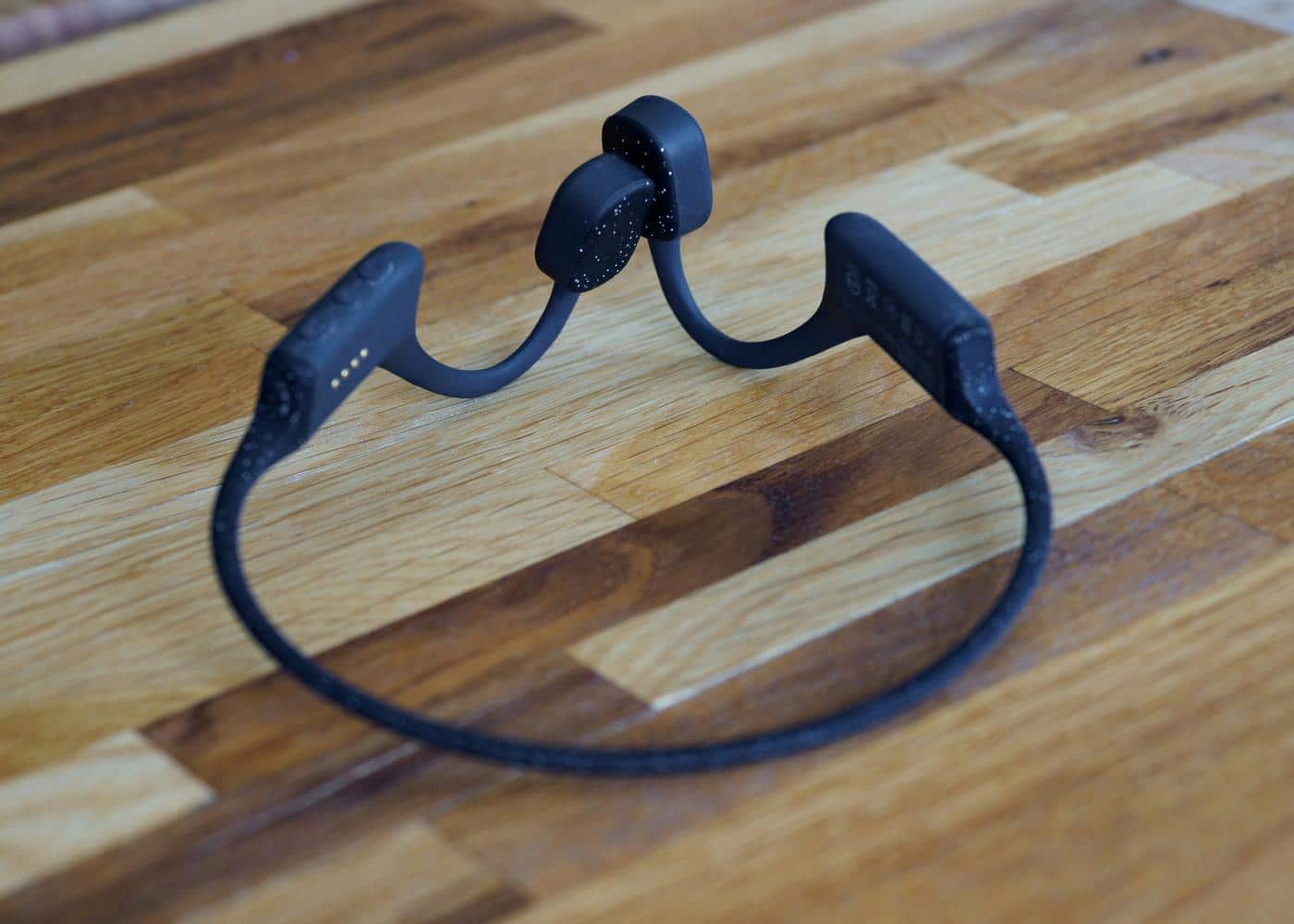
Selecting the best swimming earphones requires balancing comfort with the technical reality of your typical workout environment.
1. Shokz OpenSwim Pro
The OpenSwim Pro remains the gold standard for bone conduction in the water. For 2026, the updated model features increased internal storage and a dual-mode Bluetooth and MP3 toggle.
This allows you to use them as standard headphones on dry land and switch to internal storage for the pool. The titanium frame is remarkably flexible, ensuring they stay secure during aggressive flip turns and fast intervals.
Key Features:
Dual Bluetooth and MP3 modes for versatile use
32GB of internal storage for thousands of songs
IP68 waterproof rating for submersion up to 2 meters
9-hour battery life with quick-charge capabilities
Best For: Competitive lap swimmers who want the most reliable bone conduction technology available.
2. H2O Audio Tri Multi-Sport
H2O Audio has been a leader in the aquatic audio space for over a decade, and the Tri Multi-Sport is their most versatile bone conduction model to date. Unlike older units that only played files you manually uploaded, this headset features their proprietary Playlist Plus technology.
This innovation allows you to actually load and store audio directly from streaming apps like Spotify or Apple Music for offline playback. It essentially solves the biggest headache in swimming tech by letting you take your premium streaming content into the water without needing a live Bluetooth connection.
Key Features:
Playlist Plus technology for storing streaming audio offline
100 percent waterproof IPX8 rating for deep submersion
Dual mode functionality with both MP3 and Bluetooth 5.0
Over 9 hours of battery life for long endurance sessions
Best For: Swimmers who want to listen to their actual Spotify or Apple Music playlists while in the pool.
3. Sony NW-WS413 Walkman
Sony continues to offer a highly durable, all-in-one in-ear solution. The WS series combines the player and the earbuds into a single wrap-around unit that stays flush against the head.
Because they are in-ear, they provide excellent passive noise isolation. This helps drown out the splashing and ambient noise of a busy public pool. They are also resistant to saltwater, making them a top choice for open-water swimmers.
Key Features:
Saltwater and sand-proof construction for ocean use
Ambient sound mode to hear surroundings when needed
12-hour battery life for long endurance swims
Ergonomic wrap-around design for a secure fit
Best For: Swimmers who prefer traditional in-ear sound quality and need resistance to salt and sand.
4. Zygo Solo
The Zygo Solo is unique because it is one of the few systems that allows for live streaming from a phone on the pool deck. It uses an FM transmitter to send audio through the water.
This bypasses the physical limitations of Bluetooth signals. This model also allows a coach to speak directly to the swimmer in real time using a walkie-talkie feature, making it a powerful training tool.
Key Features:
Transmitter allows for streaming podcasts and live music
Real-time coaching feedback via walkie-talkie mode
Bone conduction headset designed for high-speed laps
Large range that covers most standard Olympic pools
Best For: Swimmers who work with a coach or those who refuse to use internal MP3 storage.
5. Finis Duo
The Finis Duo is a classic in the world of swimming earphones that has been refined for 2026. It features two pods that clip directly to your goggle straps and rest on the cheekbones.
By removing the connecting headband entirely, Finis has created the most hydrodynamic bone conduction unit on the market. The buttons are large and tactile, making them easy to operate even with wet hands or through a thick swim cap.
Key Features:
Integrated clip design that attaches to any goggle strap
No headband for a completely streamlined profile
High-quality bone conduction audio in a small form factor
Simple USB charging and data transfer interface
Best For: Minimalists who want a low-profile design that does not interfere with their head position.
6. JBL Endurance DIVE
JBL has updated their popular DIVE model with better battery life and a more secure PowerHook design. These in-ear buds automatically turn on when you put them behind your ear, saving you time during your pre-workout prep.
They feature a built-in MP3 player with enough storage for about 200 tracks. The touch controls are locked when the MP3 mode is active to prevent the water from accidentally skipping songs or changing the volume.
Key Features:
PowerHook technology for an automatic on/off function
TwistLock and FlexSoft technologies for comfort and stability
1GB internal storage specifically for swimming mode
Durable silicone construction designed for daily pool use
Best For: Casual fitness swimmers who want a comfortable fit and a trusted brand name.
More Swimming Tech Must-haves
Beyond audio, several other technological advancements can improve your training efficiency. These items complement your waterproof swimming headphones and help you track your progress more accurately.
Smart Goggles with Head-Up Display
Modern smart goggles now include an integrated display that shows your split times, lap count, and heart rate directly on the lens. This allows you to stay focused on your technique without having to look at the pace clock on the wall.
These goggles sync with apps to provide a full breakdown of your stroke rate and efficiency after every session.
Waterproof Fitness Trackers
A high-quality waterproof tracker is essential for monitoring your caloric burn and cardiovascular health. For 2026, these devices have become more accurate at detecting specific strokes like butterfly or breaststroke automatically.
They also integrate with your swimming earphones to provide audio alerts regarding your pace or heart rate zones.
Hydrodynamic Smart Caps
The latest swim caps now feature integrated sensors that track head position and rotational force. This tech is particularly useful for swimmers working on their flip turns or breathing rhythm.
These caps are designed to work seamlessly with bone conduction units, providing a secure mounting point that reduces drag during high-speed intervals.
Portable Dehumidifying Cases
To protect your waterproof earphones for swimming, a dedicated drying case is a smart investment. These portable containers use rechargeable desiccant packs to pull moisture out of charging ports and buttons.
This prevents long-term corrosion and ensures that your electronic gear lasts through multiple seasons of heavy use.
Final Thoughts: Waterproof Swimming Headphones
The landscape of aquatic audio has changed drastically, and the best underwater earphones for swimming in 2026 offer a seamless experience that was impossible just a few years ago.
Whether you choose the open-ear comfort of bone conduction or the immersive sound of in-ear buds, the ability to bring your library into the water is a game-changer for mental endurance.
Investing in swimming earphones is not just about entertainment; it is about creating a more consistent and enjoyable training environment.
As long as you choose a device with the correct IPX8 rating and a storage method that fits your workflow, you can turn the repetitive nature of lap swimming into a highly engaging and productive experience.

Article FAQ
What are the best earphones for swimming?
The top models this year are the Shokz OpenSwim Pro and the H2O Audio Tri Multi Sport. These devices lead the market because they offer a secure bone conduction fit and high internal storage capacities. For swimmers who prefer a traditional in-ear seal, the Sony NW-WS series remains a highly durable and reliable alternative.
Do waterproof headphones exist?
Yes, fully waterproof headphones are specifically engineered for continuous submersion. Unlike water-resistant models meant for rain or sweat, these devices carry an IPX8 rating. This certification ensures the internal components remain protected while the device is submerged at depths of one meter or more for extended periods.
Does Bluetooth work underwater?
Bluetooth uses high-frequency radio waves that cannot penetrate water effectively. The signal typically cuts out once the device is submerged more than a few inches. Because of this physical limitation, the most reliable swimming headphones utilize internal MP3 storage or specialized FM transmitters to deliver uninterrupted audio.
Are bone conduction headphones waterproof?
Many bone conduction models are waterproof, but it depends on their specific IP rating. While some are only designed to be sweat-proof for runners, dedicated swimming versions feature an IP68 or IPX8 rating. These are ideal for the pool because they deliver sound through the cheekbones, leaving your ears open for better situational awareness.
How do I store music on swimming headphones?
Most swimming headphones function like a portable flash drive. You connect the device to your computer using a USB cable and drag your audio files directly into the storage folder. Some advanced models also include app-based technology that allows you to capture and save audio from streaming services for offline playback.
How deep can you go with waterproof headphones?
Most consumer-grade swimming headphones are rated for depths of up to two or three meters. This is perfect for lap swimming, snorkeling, and shallow water sports. However, they are not intended for deep-sea diving, as the extreme pressure found at greater depths can compromise the waterproof seals and damage the hardware.