
The Best Mental Health Apps for 2026: As Reviewed By Us
Tech
Key Findings
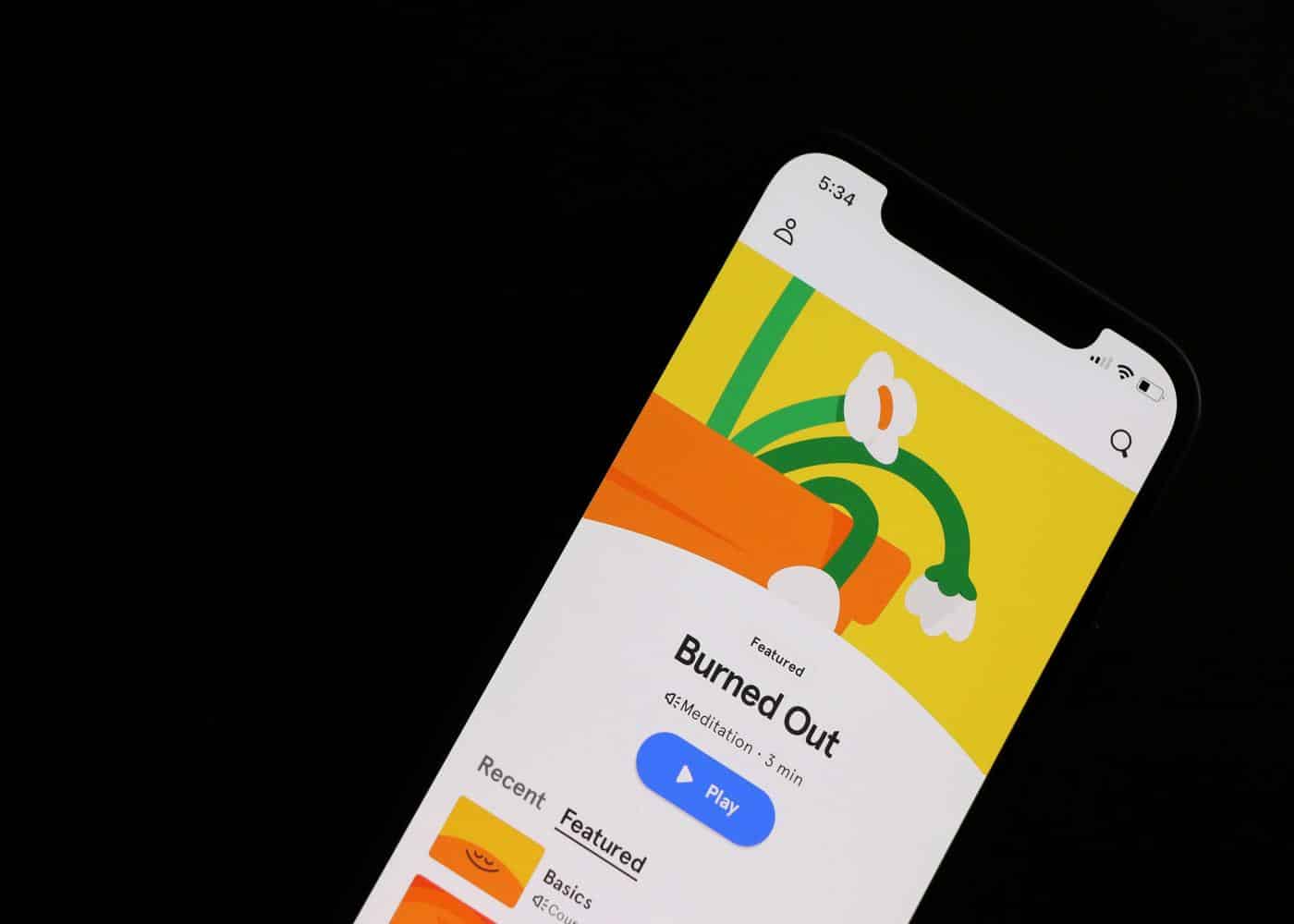
Mental health applications can meaningfully support emotional well-being by offering accessible tools for stress reduction, mood tracking, mindfulness, and daily coping skills. Research shows that app-based techniques such as meditation and CBT modules can improve mild to moderate symptoms when used consistently. The best apps for mental health combine clinical insight with user-friendly design, but they work best as supportive tools rather than full therapy replacements.
Digital tools for emotional well-being have become an essential part of modern self-care. Between busy schedules, limited access to in-person therapy, and a growing desire for proactive mental health support, many people now turn to mental health applications that fit easily into daily routines.
These tools range from calming meditation apps to cognitive behavioral therapy programs designed by clinicians. The best apps for mental health offer accessible strategies that help users feel more grounded, supported, and capable of managing stress.
In this guide, we explain how mental health apps work, what research tells us about their effectiveness, and which platforms stand out today.
How Do Mental Health Apps Work?

Mental health apps use structured digital tools to help users manage stress, track moods, build coping skills, and improve emotional resilience. Most phone apps for mental health combine clinically informed techniques with user-friendly features that encourage consistency.
Common Mental Health App features include:
Guided breathing, meditation, or relaxation exercises
Mood tracking and emotional journaling
Cognitive restructuring exercises derived from cognitive behavioral therapy
Goal setting for habits, sleep, or anxiety reduction
Educational modules on stress, panic, depression, or resilience
Messaging-based coaching or therapist matching on select platforms
These apps provide support that feels accessible, private, and easy to use anytime. While they are not a substitute for professional therapy, they can complement treatment or provide an entry point for people who are not yet ready for traditional mental health care.
Mental Health App Efficacy
Research on mental health apps has grown significantly in the past decade. While results vary, many studies indicate that digital interventions can be helpful for managing mild to moderate symptoms of anxiety, stress, and depression.
Key findings include:
Evidence for anxiety and stress reduction
Multiple studies report that app-based mindfulness programs can reduce stress and support emotional regulation. Some research shows improvements within two to four weeks of consistent use.
Cognitive behavioral therapy-based apps show promising outcomes
Apps that incorporate CBT principles often show moderate improvements in symptoms for users who complete a structured program. These tools may help reduce negative thought patterns, teach coping strategies, and increase emotional awareness.
Effectiveness depends on engagement
Studies consistently show that users who engage with an app several times per week see more meaningful improvements than those who use the app sporadically. Features such as reminders, streak tracking, or progress charts often support stronger outcomes.
Not equivalent to clinical therapy
While helpful, mental health apps are not designed for crisis intervention or severe mental health conditions. They are best used as supportive tools rather than full treatment replacements.
Overall, mental health apps can provide meaningful benefits, especially when paired with support from a therapist or other wellness practices.


The Best Mental Health Apps in 2026
The mental health applications below are among the most widely used and well-researched. Each one offers unique strengths, whether you want structured therapeutic tools, daily stress reduction techniques, or long-term emotional wellness support.
1. Headspace
Headspace remains one of the most approachable mental health applications for beginners, and in my view, it sets the gold standard for structured mindfulness training.
Its biggest strength is its simplicity. The app removes the intimidation factor from meditation, guiding users in a way that feels personal and doable even on stressful days.
The drawback is that experienced meditators may outgrow its more basic sessions, and some users find the upbeat animation style less relaxing than they expected.
Still, for someone new to phone apps for mental health or anyone rebuilding a meditation habit, Headspace is one of the best apps for mental health available today.
Key features:
Guided meditations for stress, sleep, anxiety, and focus
These sessions walk users through calming breathing patterns and mindfulness strategies. Consistent practice has been shown to reduce rumination, ease stress, and improve emotional regulation.Short, on-the-go exercises
Mini meditations lasting one to three minutes help users manage stressful moments throughout the day, whether during a commute, before a meeting, or during a tense situation.Sleep stories and relaxation tracks
These narrations help quiet mental chatter and support better sleep quality, which is essential for emotional resilience and mental clarity.Progressive meditation courses
Programs for beginners teach foundational mindfulness skills, while advanced series help users deepen awareness and practice sustained focus.
Best for: Individuals who want a beginner-friendly introduction to mindfulness and long-term stress management. Great for people who prefer gentle guidance and well-structured routines.
2. Calm
Calm is one of the most polished wellbeing apps, with beautifully curated audio experiences that genuinely help users unwind.
Calm outperforms most competitors for sleep support and sensory relaxation, and it is especially effective for people who have trouble switching off a busy mind at night.
The downside is that its layout can feel overwhelming at first, and users seeking structured therapeutic lessons may find it less robust than CBT-focused apps. However, for emotional soothing, stress relief, and sleep improvement, Calm is a standout choice.
Key features:
Expert-led meditations
Sessions address anxiety, self-compassion, personal growth, and emotional resilience, helping users process feelings and build healthier internal habits.Breathwork and calming exercises
Simple breathing tools activate the parasympathetic nervous system, lowering stress hormones and promoting a sense of steadiness during stressful moments.Sleep stories and soundscapes
Narrated bedtime stories, nature sounds, and soothing music help people fall asleep faster and sleep more deeply, which directly influences mood, cognition, and emotional balance.Gentle movement and stretching sessions
These support the mind-body connection and help release physical tension that contributes to emotional strain.
Best for: Users who struggle with stress and sleep quality. Calm is ideal for people who want an emotionally soothing experience and a strong nighttime routine.
3. BetterHelp
BetterHelp fills a critical gap by offering accessible remote therapy, and it has become a trusted platform for users who prefer private, flexible mental health support.
Its greatest advantage is direct access to licensed therapists without the long wait times of traditional care. However, because experiences can vary depending on the assigned therapist, some users may need to try more than one match before finding the right fit.
It is not a crisis service and should not replace in-person care for severe conditions, but for ongoing emotional support, coaching, and therapy, BetterHelp is one of the strongest digital options.
Key features:
Access to licensed therapists
Users can communicate with a therapist through messaging, calls, or video sessions. This provides a direct professional resource for processing emotions, working through challenges, or receiving structured therapeutic guidance.Flexible scheduling and communication styles
Many people prefer messaging or asynchronous communication, which makes emotional support more accessible for those who feel anxious about traditional therapy settings.Personalized therapist matching
BetterHelp matches users with clinicians who fit their goals, preferences, and communication styles. This increases the likelihood of a productive therapeutic relationship.Easy switching if needed
If the match does not feel right, users can request a new therapist at any time, helping them feel more comfortable and supported.
Best for: Individuals who want professional mental health support with the convenience of remote therapy. Ideal for people seeking structured guidance without in-person appointments.
4. Moodfit
Moodfit is one of the most comprehensive mental health apps for users who want insight-driven emotional tracking. I consider it a powerful tool for increasing self-awareness, because it reveals patterns that many people never notice on their own.
A potential downside is that the interface can feel data-heavy, and users who prefer a simple experience may not engage with all features. But for those who appreciate structure and want a holistic view of their moods, habits, and triggers, Moodfit offers exceptional depth and personalization.
Key features:
Detailed mood tracking tools
Users can log emotions, energy levels, habits, and external factors. Over time, Moodfit highlights patterns that help users see what contributes to anxiety, irritability, or low mood.CBT-based exercises and journaling prompts
Guided exercises help users challenge unhelpful thoughts, reframe thinking patterns, and build healthier internal dialogue.Breathing and grounding tools
These practices help interrupt anxiety spikes or overwhelm. Consistent use strengthens emotional regulation skills.Sleep, activity, and habit tracking
Since lifestyle factors significantly influence mental health, these tracking tools give users a clearer picture of how their daily routines affect their well-being.
Best for: People who like structure, data, and insight. Moodfit is ideal for those who want measurable feedback about their mental and emotional habits, as well as tools to build healthier routines.
5. Insight Timer
Insight Timer is arguably the most generous free mental health app because it offers an enormous library of meditations without paywalls.
Its greatest strength is variety. Users can explore teachers, styles, and topics until they find their ideal match. The tradeoff is that the vast selection can feel overwhelming, and the app is less structured than guided programs in Calm or Headspace.
Still, for users who value flexibility, community, and no-cost access to meditation, Insight Timer is one of the most meaningful resources available.
Key features:
Thousands of free guided meditations
Users can explore sessions for anxiety, grief, confidence, self-compassion, sleep, or focus. The variety supports a customized mental health journey.Live classes and workshops
These sessions create a sense of community and interaction, which can help reduce feelings of isolation and provide more personalized growth opportunities.Community groups and discussions
Users can join groups focused on meditation, spiritual growth, stress relief, or personal development. These communities can foster belonging, which directly impacts emotional well-being.Progress tracking for motivation
Insight Timer logs streaks and completed sessions, helping users maintain consistency and celebrate progress.
Best for: Anyone seeking a large selection of free content, or individuals who enjoy exploring different meditation styles, teachers, and emotional support tools.
6. Bearable
Bearable is a powerful mood and symptom tracker designed for those who want to take a highly analytical approach to their well-being. It stands out by allowing users to correlate their mental state with a vast array of lifestyle factors, making it a favorite among the quantified self community.
Its greatest advantage is the sheer depth of its tracking capabilities. You can cross-reference your daily anxiety or depression levels against sleep quality, nutritional choices, and even the physical strain of specific activities like marathon training blocks. The downside is that this level of detailed logging requires consistent manual entry, which can feel tedious for some users.
However, for those trying to solve complex health puzzles, such as how gut health interventions or new workout volumes impact their mood, Bearable offers unparalleled data-driven insights.
Interested? Check out our Complete Bearable App Review here.
Key features:
Comprehensive mood and symptom logging
Users can rate their mood and specific mental health symptoms on a granular scale, providing a clear baseline for how they feel day-to-day.
Lifestyle and biometric cross-referencing
The app allows you to overlay your mood data with imported biometric data, such as sleep stages or heart rate, to see how physical recovery influences mental resilience.
Custom health experiments
Users can set up custom variables, like testing the impact of a new supplement or tracking how a change in diet affects their mental clarity, and Bearable will calculate the statistical correlation.
Detailed reporting and trend analysis
The app generates clear graphs and insights that show exactly which habits are improving your mental health and which are dragging it down.
Best for: Data-driven individuals who want to uncover the hidden connections between their positive or negative daily habits, physical training, and emotional well-being.
7. Waking Up
Created by neuroscientist and philosopher Sam Harris, Waking Up offers a distinctly secular, science-backed approach to mindfulness. It strips away the mystical elements often associated with meditation, focusing instead on the mechanics of consciousness and cognitive behavioral principles.
Its greatest strength is the depth of its educational content. Rather than just offering soothing sounds, it provides a rigorous mental framework for understanding anxiety and stress. The drawback is that the introductory course is quite demanding, and users simply looking for a quick, relaxing escape might find it too analytical.
Still, for individuals interested in the neuroscience of mental health or those looking to deeply optimize their cognitive performance, Waking Up is an exceptional tool.
For a more comprehensive breakdown, see our detailed comparison of Headspace and Waking Up.
Key features:
Neuroscience-based introductory course
A structured 28-day program that teaches the foundational skills of mindfulness through the lens of modern brain science and psychology.
Advanced cognitive practices
Beyond basic breathing exercises, the app guides users through techniques designed to deconstruct negative thought patterns and emotional reactivity.
Theory and philosophical lectures
Includes a massive library of talks and interviews with scientists, psychologists, and experts on topics ranging from habit formation to the illusion of free will.
Daily mindfulness reminders
Short, unexpected audio prompts delivered throughout the day to help users momentarily step out of rumination and reset their focus.
Best for: Analytical thinkers who want to understand the mechanics of their mind and are looking for a rigorous, science-grounded approach to mental resilience.
8. Endel
Endel takes a completely different approach to mental health by passively shaping your environment rather than requiring active journaling or meditation. It uses artificial intelligence to generate personalized, real-time soundscapes designed to lower stress, improve focus, or enhance sleep.
What makes Endel unique is its integration with your physical data. It can pull metrics like your heart rate, movement, and local weather to adapt the audio frequencies on the fly, actively helping to regulate your nervous system. The main limitation is that it does not teach active coping mechanisms, as it is an environmental tool rather than a therapeutic one.
For those looking to effortlessly lower their anxiety during focused work or wind down after intense physical exertion, Endel's bio-responsive audio is highly effective.
Key features:
AI-generated personalized soundscapes
Creates continuous, never-repeating audio tracks scientifically engineered to alter brainwave states for relaxation or deep work.
Biometric and environmental integration
Connects with wearables to adapt the music based on your real-time heart rate, circadian rhythm, and current activity levels.
Targeted cognitive states
Offers specific modes for sleep, focus, relaxation, and physical recovery, helping users transition smoothly between high-output and low-stress states.
Neuroscientific audio engineering
Utilizes pentatonic scales and specific sound masking frequencies proven to lower cortisol levels and reduce the perception of stressful background noise.
Best for: Users who want passive, automated support to regulate their nervous system and reduce anxiety without needing to actively interact with an app.
Important Wellness Considerations

While mental health apps can be helpful, it is important to use them with healthy expectations.
Apps are supportive tools, not full replacements for therapy
Mental health apps are best suited for managing stress, building emotional awareness, and practicing coping techniques. Severe or persistent symptoms require professional care.
Consistency is key
Even the best-designed app cannot be effective without regular engagement. Setting reminders and creating small daily habits can improve results.
Not all apps are clinically validated
Choose apps with transparent methodologies, clinical input, or research-backed practices. This helps ensure the techniques are safe and meaningful.
Privacy matters
Review an app’s privacy and data storage policies before entering sensitive information. Choose platforms that prioritize confidentiality and responsible data handling.
Be mindful of overwhelm
Wellbeing apps should feel supportive, not stressful. If a program feels demanding, step back and choose features that feel more manageable.
Final Thoughts: Mental Health Apps
Mental health applications can play a valuable role in supporting emotional well-being. They offer accessible tools that fit easily into daily life and help users build resilience, reduce stress, and improve overall mood.
While not a substitute for therapy, these apps can enhance mental wellness by providing practical exercises and supportive guidance whenever needed.
Whether you are looking for a structured meditation program, a mood tracking tool, or a free mental health app to get started, the right platform can help you feel more grounded and confident in your wellbeing journey.
Article FAQ
What platforms cover both mental and physical wellness?
Several platforms integrate both mental and physical wellness in a single experience. Apps like Headspace, Calm, and Fitbit Premium blend meditation, stress reduction tools, sleep support, and gentle movement practices. Broader wellbeing apps such as Noom and MyFitnessPal also include mindset coaching and habit tracking, helping users understand how emotional health and physical routines influence each other.
Are mental health apps effective?
Yes, mental health apps can be effective for reducing stress, improving mood, and supporting coping skills when used consistently. Research shows that app-based mindfulness and CBT tools offer measurable benefits for mild to moderate symptoms of anxiety and depression. They are best viewed as supportive tools rather than replacements for therapy, especially for more complex or severe conditions.
How secure is data in digital mental health apps?
Security varies widely. Some mental health apps use strong encryption, transparent privacy policies, and strict data handling practices to protect personal information. Others may share anonymized or aggregated data with third parties. Users should always review an app’s privacy policy, check for certifications or compliance standards, and ensure they are comfortable with how their emotional or behavioral data is stored.
How many people use mental health apps?
Usage has grown significantly. Surveys indicate that tens of millions of people worldwide use mental health apps, with adoption increasing rapidly during and after the pandemic. Many users turn to these platforms for accessible stress management, mood tracking, or supplemental support between therapy sessions.
Can mental health apps replace therapy?
No. Mental health apps can enhance wellbeing and offer valuable coping tools, but they cannot replace the individualized care of a licensed professional. They are most effective when used alongside therapy or as a starting point for people exploring mental health resources.
Who benefits most from mental health apps?
These apps are especially helpful for individuals seeking stress reduction, emotional awareness, mood tracking, or guided mindfulness. They benefit people who may not have access to traditional therapy, those between sessions, and anyone who prefers self-paced support. Users with severe symptoms should always seek professional mental health care.