Red Light Weight Loss Therapy: Legit or Pseudo-Science?
News
Key Findings
Red light therapy may support modest weight loss by improving cellular energy and encouraging temporary fat cell permeability, although results vary widely. Professional and at-home devices can help reduce body circumference when used consistently and combined with healthy habits. Red light therapy is safe for most people, but it should complement, not replace, diet and exercise as the primary drivers of sustainable weight loss.
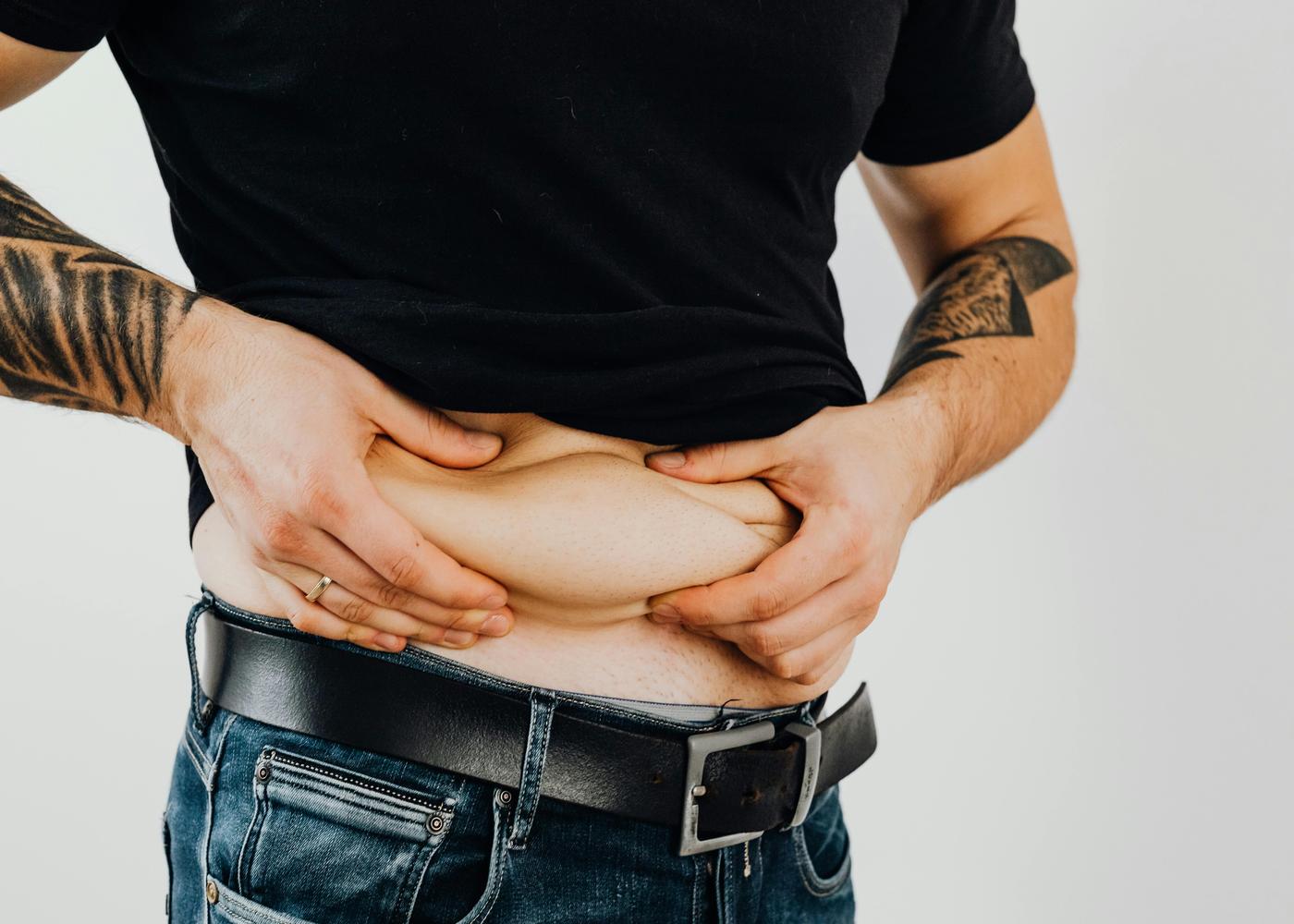
Red light weight loss therapy has gained significant attention for its promise of shrinking fat cells, boosting metabolism, and helping people lose inches with minimal effort. Many men and women explore it as a non-invasive alternative to more aggressive weight loss procedures.
But does it truly work, or is it just another wellness trend with bold claims and limited evidence?
Below, we break down what research actually suggests, how red light therapy might influence fat loss, how to use it safely, and what results you can realistically expect.
Does Red Light Therapy Really Help with Weight Loss?
Red light therapy, sometimes called low-level laser therapy or photobiomodulation, has been studied for several physiological effects, including fat cell reduction, inflammation control, and improved circulation.
What the research shows
The evidence is mixed but noteworthy:
• Several small clinical studies report a measurable reduction in body circumference after multiple sessions of red light therapy. These reductions often range from fractions of an inch to a few inches, depending on treatment area and session frequency.
• Studies suggest that red light at specific wavelengths may temporarily change the permeability of fat cell membranes. This can allow lipids to be released more easily during caloric expenditure.
• Some trials show improved body contouring rather than true fat loss. In other words, changes may be more visible on the surface but not always reflected in long-term scale changes.
• Benefits tend to be greater when red light therapy is paired with lifestyle changes such as increased activity and balanced nutrition.
Limitations in evidence
While there are promising findings, many studies involve small sample sizes or short timelines. Red light therapy should not be viewed as a standalone solution for weight reduction. It can support a broader fat loss plan, but is not a replacement for dietary or exercise-based strategies.
How Does Red Light Promote Weight Loss?
Red light therapy uses low-wavelength light that penetrates the skin and interacts with cellular energy systems. Theoretical mechanisms include:
Increased cellular energy
Red light influences mitochondria, which are responsible for energy production. Enhanced mitochondrial function may improve metabolic efficiency and increase the rate at which the body uses stored energy.
Temporary fat cell permeability
Some research indicates that red light may create small openings in fat cell membranes. These openings can allow lipids to be released more easily, but only if followed by physical activity or caloric expenditure.
Improved circulation and lymphatic flow
Better circulation can help transport released fatty acids for energy use. It may also support a smoother, more contoured appearance by reducing water retention.
Reduced inflammation
Chronic inflammation can interfere with metabolic function. By lowering inflammatory markers, red light therapy might indirectly support weight management.
While these mechanisms are scientifically plausible, the degree of real-world effectiveness varies widely between individuals.

How to Use Red Light Therapy for Weight Loss

Red light therapy can be used in two main ways for weight management support: professional treatments in clinics or med spas, and at-home devices that you operate yourself. Both options rely on similar wavelengths of light, but they differ in power, cost, convenience, and the level of guidance you receive.
The most important thing to understand is that red light works best as part of a broader plan that includes movement, a nutrient-dense diet, and consistent sleep. Think of it as a supportive tool, not the centerpiece of your weight loss strategy.
Professional Red Light Treatments
Professional red light treatments are usually offered in medical spas, aesthetic clinics, chiropractor offices, and some dermatology practices. These facilities use medical or commercial-grade equipment that is often more powerful and covers a larger surface area than most home devices.
Types of professional red light setups
Professional services may use:
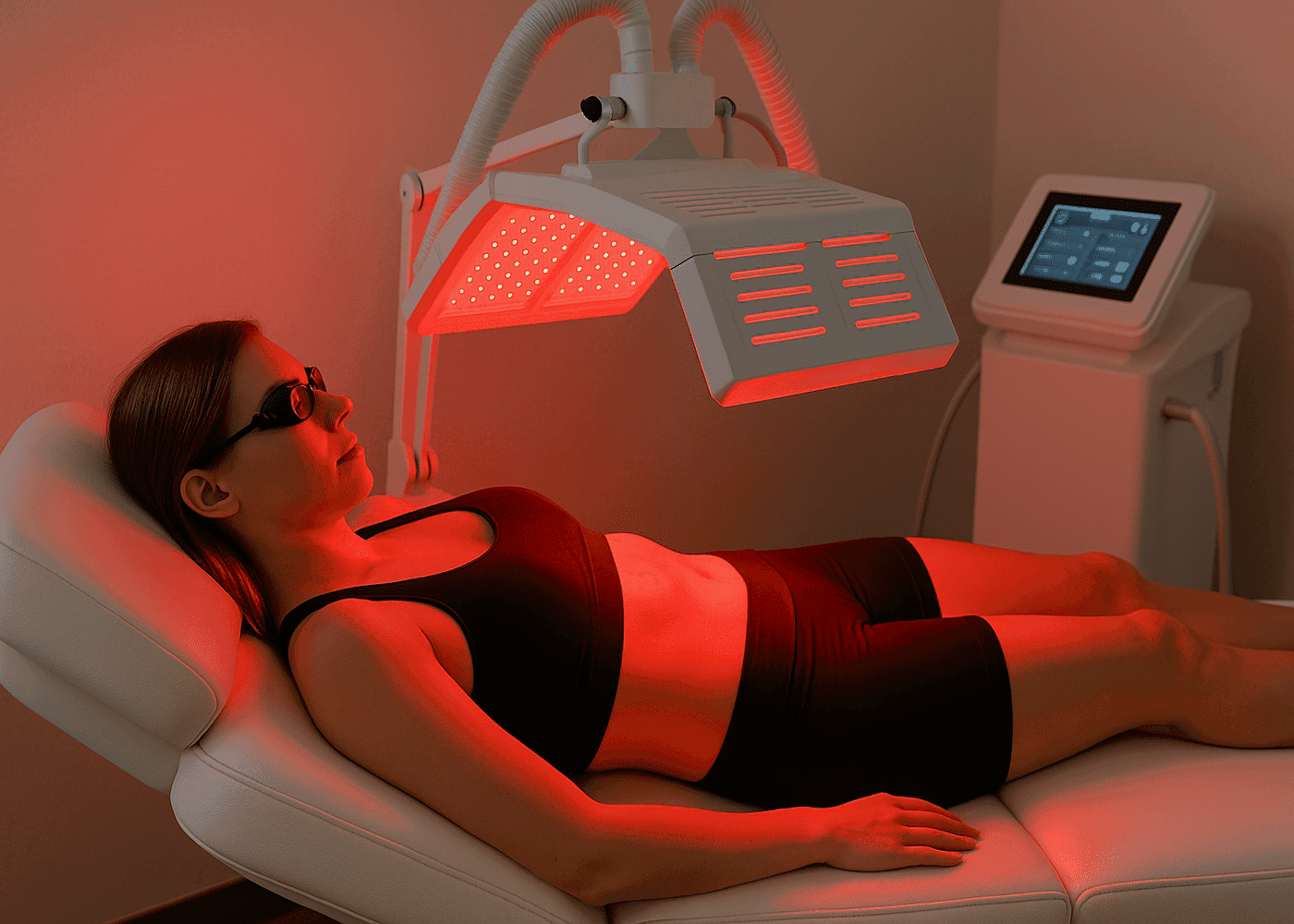
Full body red or red and near infrared “beds” that look similar to tanning beds
Large paddles or flexible pads placed directly over your abdomen, hips, thighs, or arms
Panel arrays set up around a treatment chair or table
All of these deliver specific wavelengths of light, most commonly in the red and near infrared range, directed toward areas of stubborn fat or overall body contouring.
What a typical session looks like
Consultation:
You usually start with a brief consultation where your provider reviews your health history, medications, and goals, and explains realistic expectations for inch loss and body contouring.Preparation:
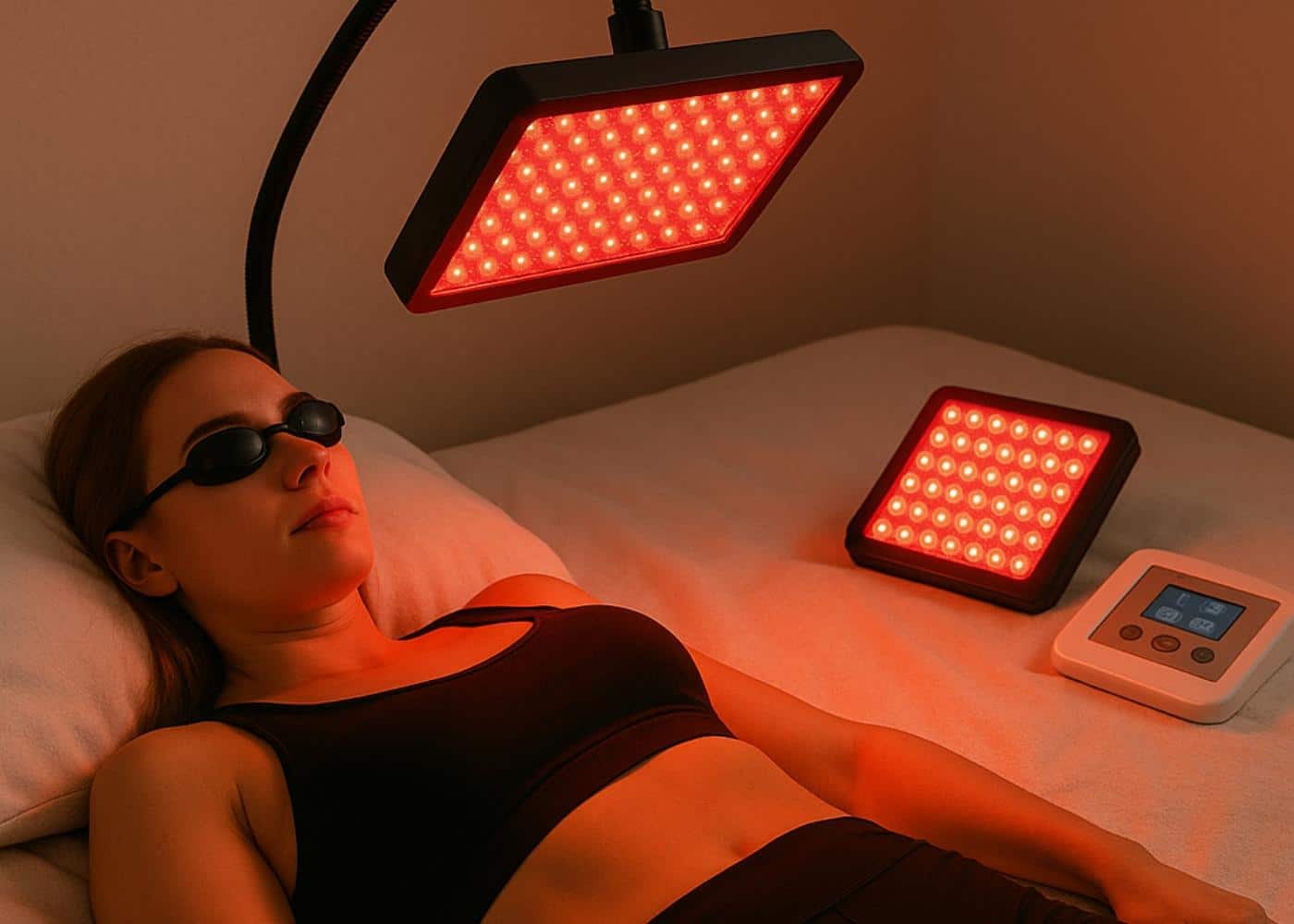
You are asked to remove clothing from the treatment area. Protective goggles are provided, especially if the device produces bright visible light.Treatment:
You will lie on a table, in a bed, or under panels while the device operates for 10 to 30 minutes. The light usually feels gently warm but not hot, and there should be no pain or burning.Post session guidance:
Some providers encourage light exercise or a walk afterward, as well as adequate hydration, to support circulation and fat metabolism.
How often you may need treatments
For body contouring or fat reduction support, clinics often recommend:
2 to 3 sessions per week in the first 3 to 6 weeks
A total of 6 to 12 sessions before evaluating significant circumference changes
Occasional maintenance sessions afterwards to help sustain results
These numbers vary by device, clinic protocol, and individual response.
Pros of professional treatments
Higher power and broader coverage than most home devices
Clear treatment protocols and progress tracking
Professional guidance on safety, areas to target, and realistic outcomes
Often combined with complementary services such as body contouring, massage, or nutritional counseling
Cons and limitations
Higher upfront cost per session
Time commitment for travel and appointments
Results are not guaranteed and often modest
Maintenance sessions may be encouraged to preserve changes
Professional red light therapy can be a good option if you want structured support, prefer higher power devices, and are comfortable with ongoing investment. It is best seen as one piece of an overall body wellness plan rather than a standalone solution.
Red Light Weight Loss Options at Home
At home, red light therapy has become popular because it is convenient, private, and more affordable over time than repeated clinic visits. Modern devices range from small handheld tools to full-body panels designed for regular use.
Common types of at-home devices
Handheld wands: Small units used on focused areas such as the face, neck, or smaller body regions.
Wraps and belts: Flexible pads or belts with built-in LEDs that strap around the abdomen, hips, or thighs.
Panels: Larger panels that you stand or sit in front of, sometimes big enough to cover most of the body.
Full body systems: Multi-panel setups or “light walls” that aim to mimic aspects of a professional bed.
Each style has pros and cons. Wraps and belts are convenient for targeting specific areas, while panels and larger systems provide more overall exposure.
How to choose an at-home device
When selecting an at-home device for weight loss support, consider:
Wavelengths: Look for red and near infrared light in the range commonly used in research, typically around 630 to 670 nanometers for red and 800 to 880 nanometers for near infrared.
Power density: This is how much light energy reaches your skin. Very low power may require long sessions for meaningful exposure.
Treatment area: Larger panels cover more body surface at once, which can save time if you want full body benefits.
Safety certifications: Check for basic safety testing and clear manufacturer instructions.
Ease of use: Devices that are simple to position and operate tend to be used more consistently, which matters more than raw power.
How to use red light therapy at home for weight loss
Start with the manufacturer’s recommendations
Read the manual thoroughly and follow the suggested session length, distance from the device, and frequency. Many manufacturers recommend 10 to 20 minutes per area, several times per week.Be consistent over time
At home devices are usually less powerful than professional equipment, so consistency becomes even more important. Plan regular sessions, for example, 3 to 5 times per week, rather than sporadic use.Pair sessions with movement
To give released fatty acids somewhere to go, try pairing red light therapy with light cardio or resistance training. Using your device before a walk, bike ride, or strength session can help integrate it into your routine.Support with healthy habits
Red light therapy can complement but not replace a nutrient-balanced diet, adequate protein intake, hydration, and quality sleep. These are still the main drivers of sustained fat loss.Track progress realistically
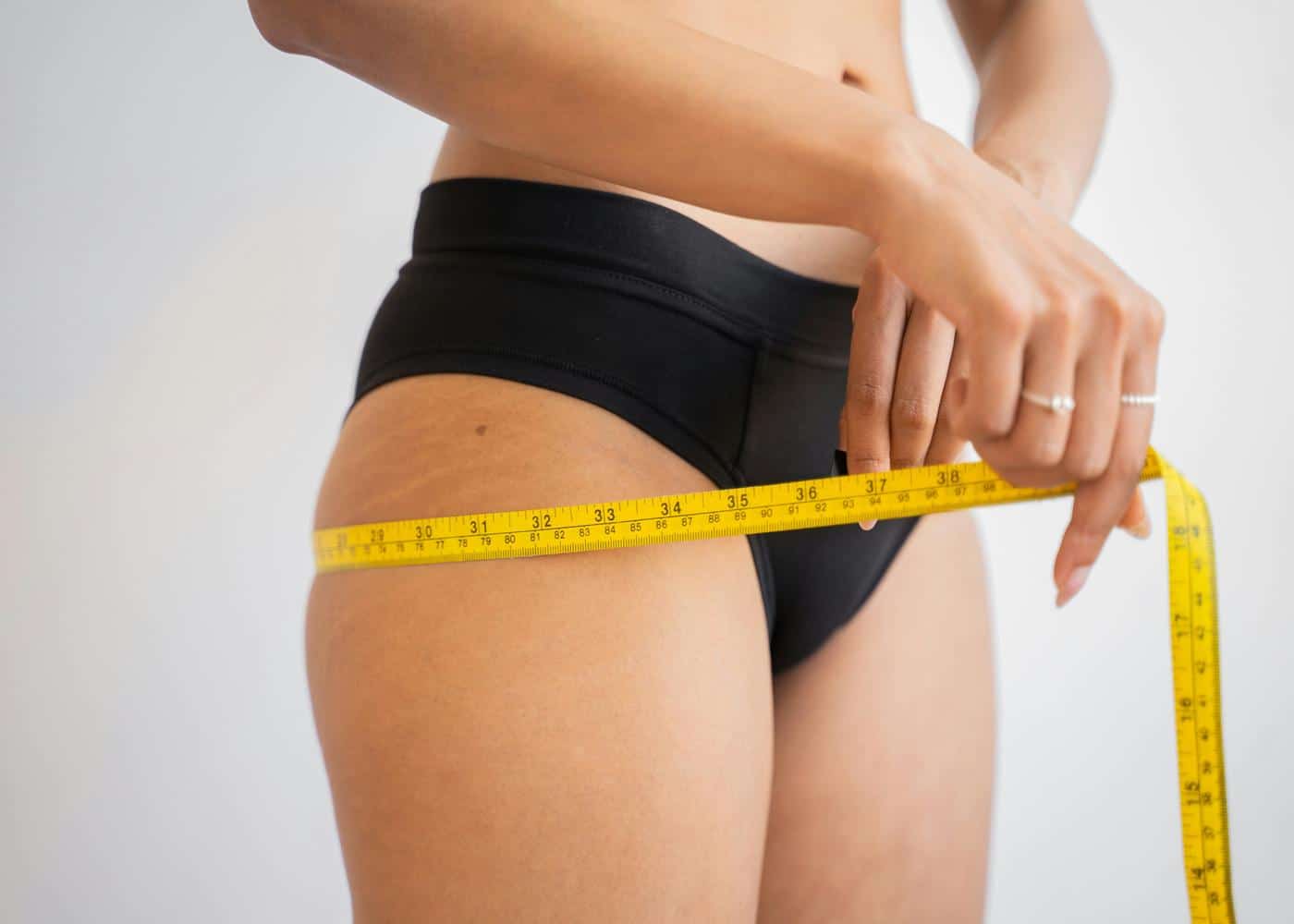
Take waist, hip, and thigh measurements every few weeks, not every day. Also pay attention to other changes such as skin texture, energy levels, and recovery from exercise.
Pros of at-home red light therapy
Convenient and easy to fit into daily routines
More cost-effective in the long term after the initial purchase
Flexible use around your schedule, with no travel time
Can be combined with other self-care practices, such as stretching or meditation
Cons and realistic expectations
Lower power than many professional devices, so results may be slower or more subtle
Requires self-discipline to use regularly
Marketing can be overhyped, which may create unrealistic expectations
Not a replacement for nutrition and exercise
Used correctly, at-home red light therapy can be a helpful, supportive tool for body composition and overall wellness. It is most beneficial when it forms part of a sustainable routine that also includes movement, mindful eating, and rest.
Important Considerations
Red light therapy is generally considered low risk, but it is important to understand its limitations, safety factors, and best use practices before incorporating it into a weight loss plan. The points below will help you set realistic expectations and make informed decisions.
It supports weight loss but does not drive it alone
Red light therapy may assist with fat metabolism and body contouring, but it cannot replace the foundational habits that create long-term change. Nutrition, daily movement, sleep quality, and stress management remain the core drivers of weight loss. Red light therapy should be seen as an optional enhancement, not a primary strategy.
Results vary significantly between individuals
Some people notice measurable reductions in waist or hip circumference after several weeks, while others see more subtle changes such as improved skin tone or better muscle recovery. Genetics, lifestyle, device quality, and consistency all influence outcomes. Your personal results may differ from before and after photos advertised online.
Consistency matters more than intensity
A moderate device used regularly tends to outperform a high-powered device used sporadically. Most people need several weeks of consistent sessions before seeing visible changes. If you choose at-home red light therapy, aim to establish a routine that you can realistically maintain.
Red light therapy is not a fat-melting or fat-destroying technology
Some marketing claims suggest that red light physically destroys fat cells. This is not accurate. Research indicates that red light may temporarily make fat cells more permeable, but the released lipids still need to be burned through movement and energy expenditure. Without lifestyle support, the body can restore released fats.
Pairing red light therapy with activity may improve results
Walking, light cardio, or resistance training after a session may help the body utilize released fatty acids more effectively. This does not have to be strenuous. Even a 10 to 20-minute walk can be helpful.
Device quality and wavelength accuracy matter
For best results, choose a device that specifies wavelengths commonly studied for therapeutic use, typically in the ranges of 630 to 670 nanometers for red light and 800 to 880 nanometers for near infrared light. Look for reputable brands with safety certifications and transparent specifications.
Avoid use on sensitive or compromised skin
Red light therapy should not be used on areas with open wounds, active infections, recent surgical sites, or severe skin irritation. While red light is gentle, compromised skin needs time to heal without added stimulation.
People with certain conditions should consult a healthcare provider
If you have a health condition that involves photosensitivity, hormone-related disorders, metabolic concerns, or are taking medications that increase light sensitivity, check with your doctor before beginning red light therapy. While many individuals tolerate it well, a brief consultation offers additional safety and peace of mind.
Eye protection is important for bright light exposure
Even though red light therapy does not produce UV radiation, the brightness can still be irritating. Professional sessions typically provide goggles, and at-home users should avoid looking directly into the LEDs. Protective eyewear is a smart precaution, especially during longer sessions.
Expect contouring improvements more often than dramatic weight loss
Most studies show inch loss or surface level contouring rather than large changes in body fat percentage. Red light can improve the appearance of treated areas, but sustainable body composition changes still depend on overall lifestyle habits.
Final Thoughts: Red Light for Weight Loss
Red light weight loss therapy is not pure pseudoscience, but it is not a magic solution either. Research suggests modest reductions in body circumference and improvements in cellular function, especially when combined with healthy lifestyle habits.
Think of it as a gentle support tool. It may help enhance your results, but the foundation of long-term weight management still comes from balanced nutrition, consistent movement, quality sleep, and stress management.
Article FAQ
How does red light therapy work for weight loss?
Red light therapy uses specific wavelengths of light that may improve cellular energy, temporarily increase fat cell permeability, and support better circulation. These effects can help the body release stored lipids that are then used as energy during movement. It supports weight loss, but it does not replace diet or exercise.
How much is red light therapy for weight loss?
Costs vary widely depending on the provider and device. Professional sessions typically range from 50 to 150 dollars per treatment, and many clinics recommend a series of 6 to 12 sessions. At-home devices cost anywhere from 100 dollars for small units to over 1,000 dollars for full-body panels.
Does red light therapy reduce belly fat?
Red light therapy may reduce waist circumference by temporarily encouraging fat cells to release stored lipids. Some people notice mild inch loss around the midsection over several weeks, especially when combining red light with movement and healthy eating.
How long does it take to see results from red light therapy for weight loss?
Most people require consistent sessions for 4 to 8 weeks to see measurable changes. Subtle improvements may appear sooner, such as better skin texture or reduced bloating. Results depend on device strength, frequency, and lifestyle factors.
Is red light therapy safe for daily use?
Red light therapy is considered safe for most people when used as directed. Many at-home devices can be used daily or several times per week. Those with photosensitivity, certain medications, or medical conditions should speak with a healthcare provider first.
Can red light therapy replace exercise?
No. Red light therapy may support fat metabolism, but it does not burn calories on its own. Movement is still essential. Using red light therapy before a walk or workout may help the body utilize released fatty acids more effectively.