The Best Strength Training Exercises for Women at Home
Fitness
Key Findings
Strength training at home helps women build muscle, protect bone density, and improve mobility with simple, accessible exercises. Body weight movements and minimal equipment are enough for effective progress, and tailored routines for women over 40, 50, and 60 support joint comfort, balance, and safe strength development. Consistent training boosts metabolism, posture, and overall confidence, while complementary practices like yoga or hybrid workouts add variety but do not replace structured resistance training.

Strength training at home has become one of the most accessible ways for women to build confidence, improve health, and support long-term wellness.
You do not need a commercial gym or advanced equipment to make meaningful progress. With a bit of structure and consistency, you can develop total body strength that supports energy, bone health, balance, mood, and overall quality of life.
This guide explains why strength training matters at every stage of life. It also highlights beginner-friendly exercises that can be done anywhere with very little equipment.
You will find routines tailored to women in their 20s and 30s, as well as age-specific considerations and routines for women over 40, over 50, and over 60.
Each section includes simple instructions, benefits, and practical guidance so you can train safely and confidently at home.
Why is Strength Training Important for Women?

Strength training supports both physical and metabolic health. Many women begin workouts hoping for greater muscle tone or weight support, but the benefits reach far deeper.
Full body strength supports lifelong function
Strong muscles protect joints, improve posture, and make everyday tasks easier. Carrying groceries, lifting children, climbing stairs, and moving confidently through daily routines all rely on strong foundational muscles.
Strength training supports metabolic health
Building muscle increases metabolic rate at rest. This helps the body use energy more efficiently and can make long-term weight management easier. Muscle also improves insulin sensitivity, supports hormone balance, and reduces the natural decline in metabolism that occurs with age.
Bone density protection
Women experience a natural decrease in bone density over time, especially after menopause. Strength training stimulates bone remodeling, which helps support bone density and reduces the risk of fractures.
Support for mood and cognitive health
Resistance training has been shown to reduce stress, improve mood, and support overall mental health through increased endorphin release and improved sleep quality.
Do I Need Equipment to Train at Home?
Many beginner routines require no equipment at all. Your body weight provides plenty of resistance when used with intention. However, a few items can expand your options and increase the challenge when you are ready.
Helpful but optional items include:
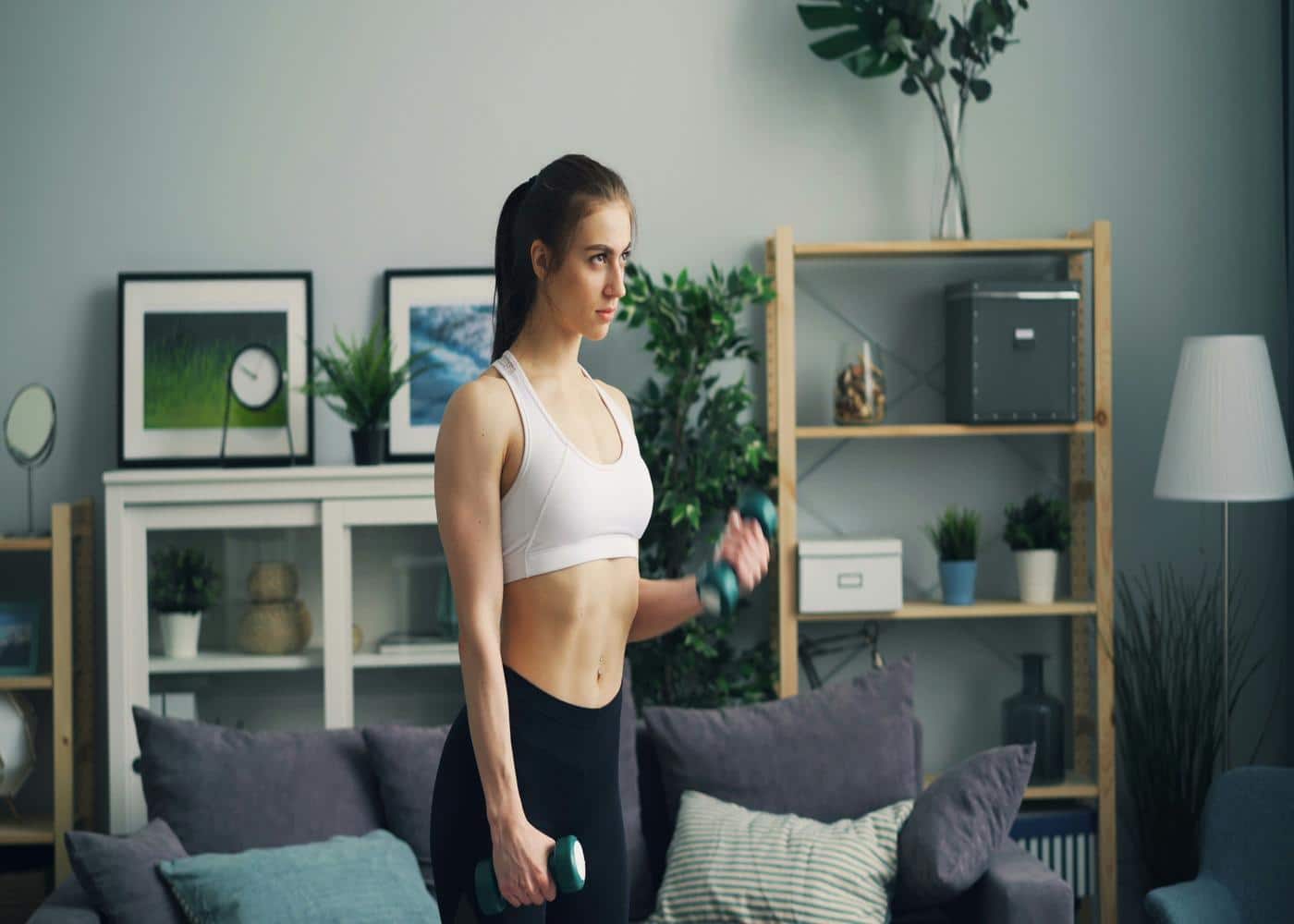
• A set of light dumbbells
• A loop resistance band
• A chair or sturdy elevated surface
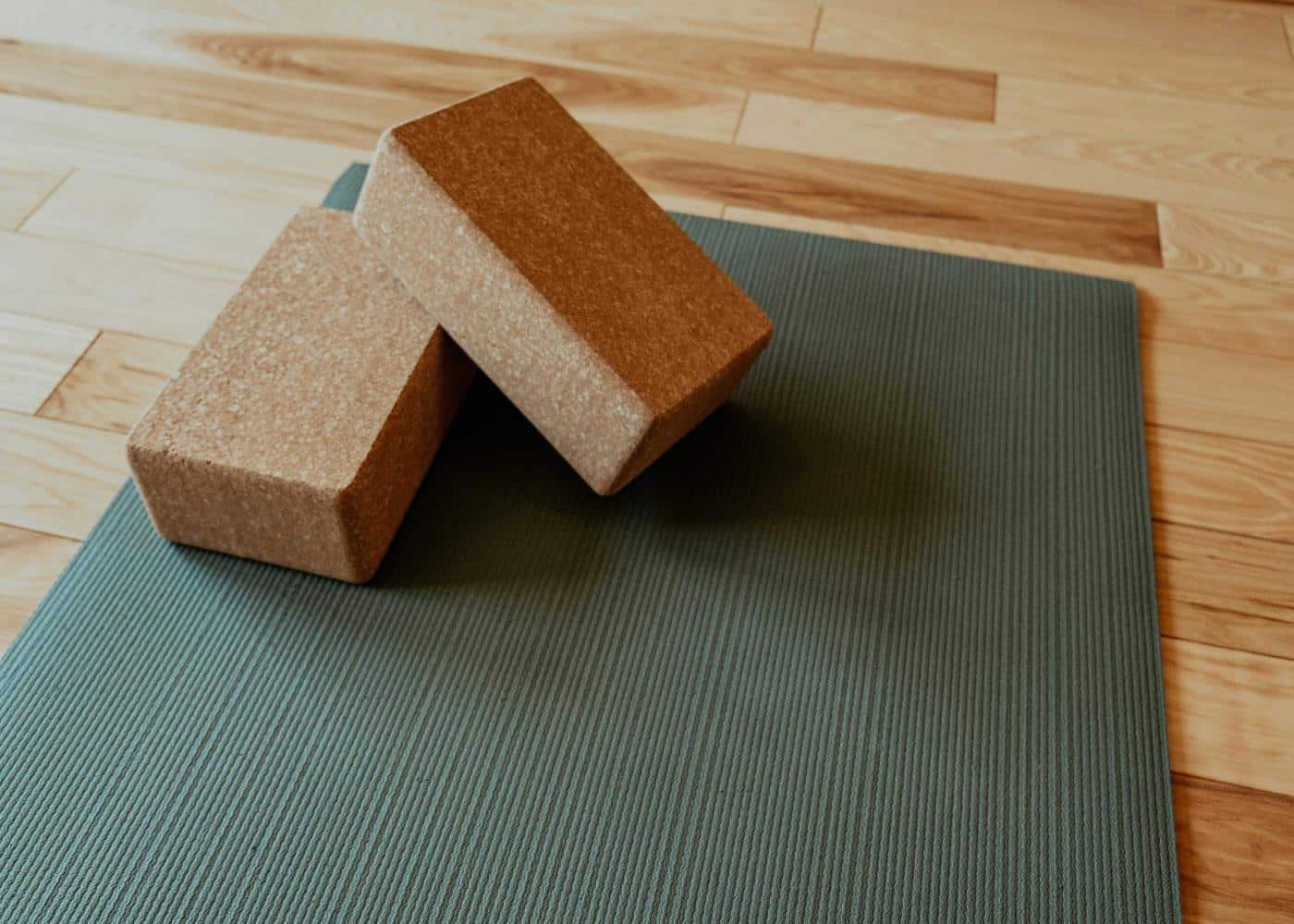
• A mat for comfort
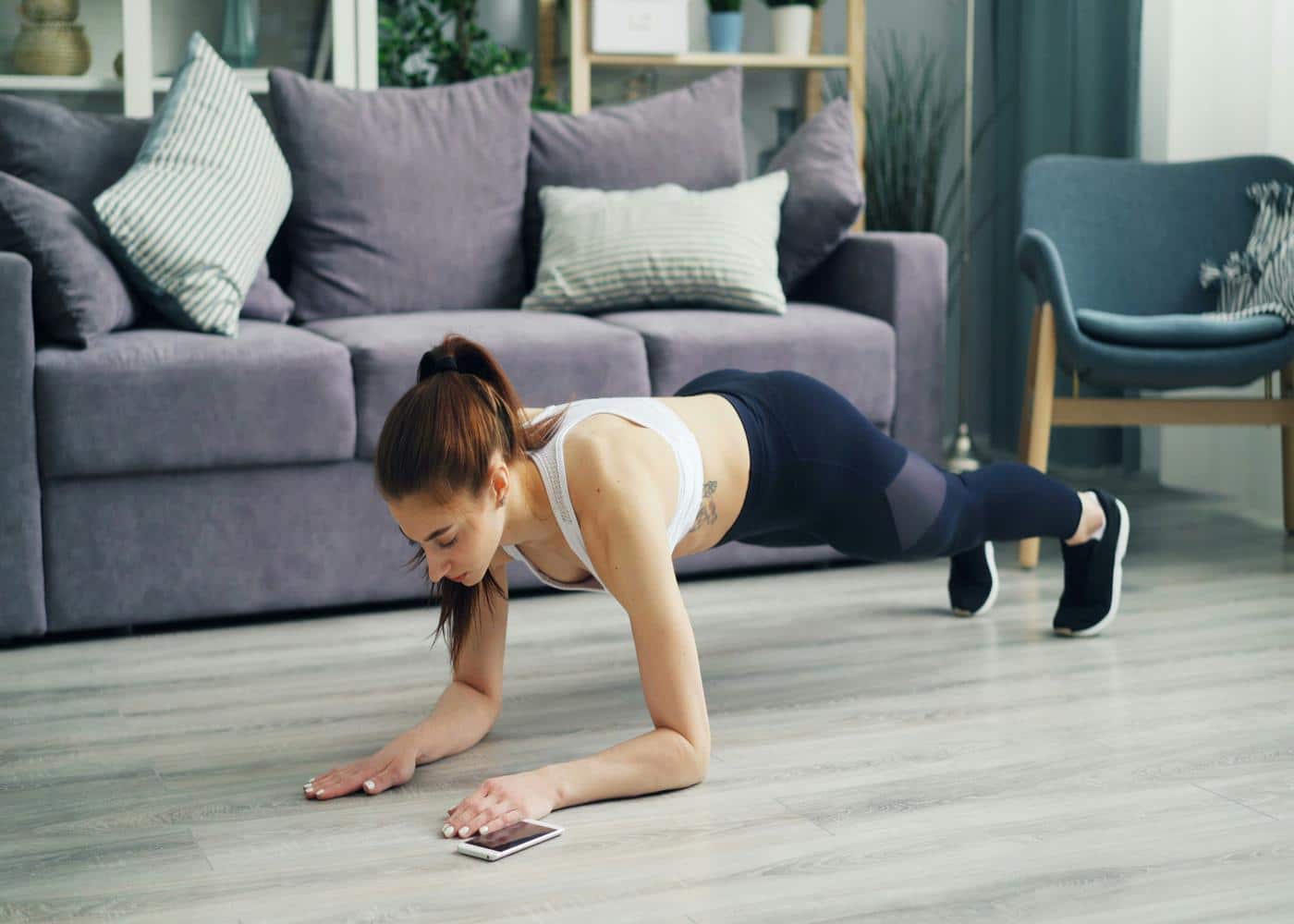
If you have no equipment, you can still train effectively. Movements like squats, glute bridges, wall push-ups, step downs, and planks provide excellent results using nothing but your body weight.


Beginner Strength Training Exercises for Women
This section provides a simple, adaptable routine for women who are new to strength training. The following movements build strength in major muscle groups while protecting joints and promoting proper form.
Squat to Chair
Benefits:
Squat to chair is a highly functional lower-body exercise that teaches proper squat mechanics in a safe and controlled way. It strengthens the quads, glutes, and hamstrings, which are the muscles you rely on for sitting, standing, climbing stairs, and getting up from the floor.
Because the chair provides a target and built-in safety net, this movement is especially helpful for women who are new to strength training or returning after a break.
Over time, it improves hip and ankle mobility, reinforces good posture, and builds confidence in everyday movement.
Step-by-step guide:
Stand in front of a sturdy chair with your feet about shoulder width apart and your toes pointing straight ahead or slightly out, making sure your heels are firmly planted on the floor.
Exhale to gently brace your core, lift your chest, and let your shoulders relax down away from your ears so your upper body feels tall and stable.
Begin the squat by pushing your hips back, as if you are about to sit, then bend your knees and lower your body toward the chair while keeping your weight mostly in your heels and midfoot.
Continue lowering until your hips lightly touch the chair, or until you reach a comfortable depth where your thighs approach parallel to the floor and your knees stay in line with your toes.
Press firmly through your heels and squeeze your glutes to stand back up, returning to the tall starting position without rocking or using momentum.
Reset your posture at the top, re-engage your core, and repeat for the desired number of repetitions, maintaining the same controlled tempo throughout.
Considerations:
If the movement feels too challenging, use a higher chair or place a cushion on the seat to reduce the range of motion.
Keep your knees tracking in line with your second and third toes rather than allowing them to collapse inward. Avoid rounding your lower back as you descend. Instead, think about keeping your chest lifted and your spine long.
If balance is an issue, lightly rest your fingertips on a countertop or the back of another chair for extra stability while you build strength and confidence.
Incline Push Up
Benefits:
Incline push-ups develop upper body strength in the chest, shoulders, and triceps while also training core stability.
Performing them against a raised surface like a countertop or bench reduces the load on your arms and shoulders compared with floor push-ups, which makes them ideal for beginners.
This variation allows women to build strength progressively without straining the wrists or lower back. Over time, incline push-ups improve posture, shoulder stability, and the strength needed for everyday tasks such as pushing doors, lifting groceries, or carrying children.
Step-by-step guide:
Stand facing a sturdy surface such as a countertop, table, or bench, and place your hands on the edge slightly wider than shoulder width with your fingers spread for support.
Walk your feet back until your body forms a straight line from head to heels, with your weight balanced between your upper body and feet and your heels gently pressing toward the floor.
Exhale to engage your core, gently tucking your rib cage toward your hips so your lower back does not arch excessively and your neck stays in a neutral, comfortable position.
Inhale as you bend your elbows and slowly lower your chest toward the surface, keeping your elbows angled about forty-five degrees from your sides rather than flaring out.
Lower until your chest is a few inches from the surface or as far as you can go while maintaining a straight line from head to heels and without letting your hips sag.
Exhale as you press your hands firmly into the surface and straighten your arms to return to the starting position, then reset your posture and repeat with steady, controlled movements.
Considerations:
If the exercise feels too difficult, increase the height of the surface so you are more upright, which immediately reduces the resistance.
If you want more challenge, gradually move your feet farther back or transition to a lower surface over time. Focus on keeping your body aligned in a straight line instead of letting your hips drop or your head jut forward.
If your wrists feel uncomfortable, try placing your hands on a thicker edge or using small push-up handles to keep your wrists in a more neutral position.
Glute Bridge
Benefits:
The glute bridge is a core and lower body strengthening exercise that targets the glutes, hamstrings, and deep abdominal muscles. It helps counteract the effects of prolonged sitting, which often leads to weak glutes and tight hip flexors.
By practicing this movement regularly, women can improve spinal alignment, support lower back health, and enhance hip strength, all of which translate to better walking, climbing, and lifting mechanics.
Glute bridges are also low-impact, which makes them suitable for most fitness levels.
Step-by-step guide:
Lie on your back on a mat with your knees bent, your feet flat on the floor about hip width apart, and your arms resting by your sides with your palms facing down.
Walk your feet slightly closer to your hips so that your fingertips can just graze your heels, keeping your toes pointed straight ahead and your entire foot pressing into the floor.
Exhale to gently engage your core by drawing your ribs down and flattening your lower back softly toward the mat without forcing it.
Press through your heels and begin lifting your hips off the floor, focusing on squeezing your glutes rather than arching your lower back.
Continue lifting until your body forms a straight diagonal line from your shoulders to your knees, with your chest open, your knees pointing forward, and your hips fully extended.
Hold for one or two slow breaths at the top, then inhale as you lower your hips back toward the floor with control, vertebra by vertebra, before repeating the movement for your set.
Considerations:
If you feel the exercise mostly in your lower back, reduce your range of motion and refocus on engaging your glutes and core before lifting higher. Keep your knees aligned with your hips so they do not cave inward or flare outward.
You can also place a small pillow or folded towel under your head for comfort if your neck feels strained.
When you are ready for more challenge, add a resistance band just above your knees or hold a light weight on your hips while preserving the same controlled tempo.
Standing Row With Band
Benefits:
The standing band row is an excellent posture corrective exercise that strengthens the muscles of the upper back, including the rhomboids and mid traps, as well as the rear shoulders and biceps.
Many people spend long hours sitting at desks or using devices, which encourages rounded shoulders and a forward head position.
Regularly performing band rows helps reverse this pattern by encouraging a more open chest and stronger upper back. This can lead to reduced neck and shoulder discomfort and a more confident, upright posture.
Step-by-step guide:
Secure a resistance band to a sturdy anchor point at about chest height, such as a door anchor or solid railing, and hold one end of the band in each hand.
Step back to create gentle tension in the band and stand with your feet hip-width apart, your knees slightly bent, and your core lightly engaged to support your spine.
Extend your arms straight in front of you with your palms facing each other, keeping your shoulders relaxed down away from your ears.
Inhale, then as you exhale, pull your elbows back toward your sides, squeezing your shoulder blades together and keeping your wrists in line with your forearms.
Pause briefly when your hands are close to your rib cage and your chest feels open, maintaining a tall posture and neutral neck.
Slowly extend your arms forward again to return to the starting position, controlling the band rather than letting it snap back, and repeat for the desired number of repetitions.
Considerations:
If you feel tension in your neck, consciously relax your shoulders and imagine them sliding down your back with each repetition.
Choose a band with appropriate resistance so you can complete your set with good form without straining or jerking.
If you do not have a secure anchor point, you can loop the band around a closed door at handle height, making sure it is firmly in place before starting.
As you progress, you can step farther away from the anchor or use a slightly thicker band to increase the challenge.
Strength Training for Women Over 40
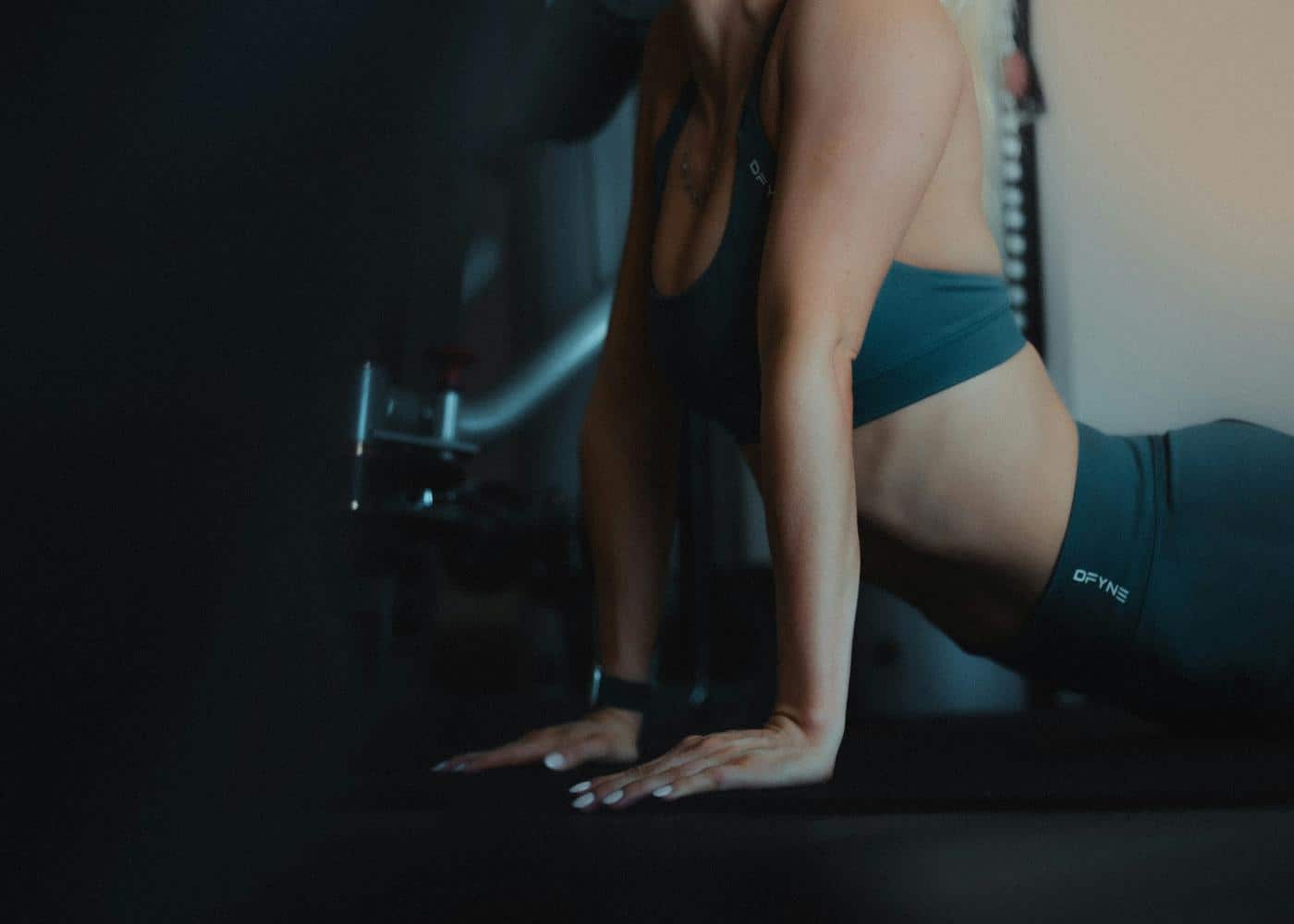
Women in their 40s often experience hormonal transitions, changes in recovery speed, and slight shifts in muscle composition. Strength training becomes especially important during this time because it supports metabolism, protects against muscle loss, and helps regulate stress.
Reverse Lunge With Support
Benefits:
The reverse lunge with support strengthens the glutes, hamstrings, and quads while improving balance and hip stability.
Stepping backward rather than forward tends to be more forgiving on the knees, which makes this variation a smart choice for women in their 40s who may start noticing joint sensitivity. It also trains each leg independently, helping address strength imbalances that can develop over time.
As strength improves, daily activities such as climbing stairs, carrying loads, and walking on uneven surfaces often feel easier and more controlled.
Step-by-step guide:
Stand tall beside a sturdy chair, countertop, or wall that you can hold lightly with one hand for balance, keeping your feet hip-width apart and your shoulders relaxed.
Exhale to engage your core and focus your gaze on a spot in front of you to help maintain balance.
Step one foot straight back, landing on the ball of your back foot while keeping your front foot firmly planted and your torso upright.
Bend both knees to lower your body into a lunge, allowing your back knee to move toward the floor while your front knee stays stacked above your front ankle.
Lower only as far as feels comfortable, aiming for a ninety-degree bend in both knees if your joints tolerate it, and keep your front knee tracking in line with your toes.
Press through the heel of your front foot to return to standing, bringing your back foot forward to meet the front foot, then repeat all steps on the opposite side.
Considerations:
If balance is a concern, keep your hand on the support for the entire movement instead of using it only occasionally. You can also shorten the step length so the lunge is shallower and feels more stable.
If your knees feel uncomfortable, reduce your depth, make sure your front knee is not collapsing inward, and check that your weight is centered rather than shifting too far forward.
Over time, as strength improves, you can gradually rely less on the support surface and focus on using your core and leg muscles to stabilize your movement.
Wall Push Up Progression
Benefits:
Wall push-ups are an excellent entry point for upper body strength, particularly for women who have not trained their chest and arms recently.
Compared with incline or floor push-ups, this variation provides a lighter load, which allows you to practice proper alignment and control. It strengthens the chest, shoulders, triceps, and core, and it can be progressed easily by changing your foot position.
Consistently training wall push-ups builds a foundation that supports more advanced variations later, while also enhancing everyday pushing strength.
Step-by-step guide:
Stand facing a wall at about arm’s length and place your palms flat on the wall, slightly wider than your shoulders, with your fingers pointing upward and your wrists stacked under your shoulders.
Step your feet back a small distance so your body leans into the wall at a gentle angle, forming a straight line from your head to your heels, and engage your core.
Inhale as you bend your elbows and slowly bring your chest toward the wall, keeping your elbows angled slightly down and away from your body rather than straight out to the sides.
As you lower, maintain a neutral neck by keeping your gaze on a point slightly below eye level and avoid letting your hips drift forward or your lower back arch.
Stop when your nose and chest are close to the wall, or when you feel a strong but comfortable effort in your upper body.
Exhale as you press through your palms and straighten your arms to push yourself back to the starting position, then repeat for your set, moving with a smooth and controlled rhythm.
Considerations:
To decrease difficulty, stand closer to the wall or reduce the angle of your body. To increase challenge over time, slowly move your feet farther back to create a steeper angle.
If your wrists feel strained, you can experiment with slightly different hand positions or do the exercise on your fists or using a rolled towel for support. Focus on quality over quantity. A few well-controlled repetitions with good alignment are more beneficial than many rushed repetitions with poor form.
Hip Hinge With Light Weights
Benefits:
The hip hinge with light weights trains the posterior chain, which includes the glutes, hamstrings, and lower back muscles.
These muscles are crucial for lifting, bending, and standing up straight. For women in their 40s, this pattern helps protect the spine by teaching the body to move at the hips instead of rounding the back.
It also supports better posture and can reduce the risk of lower back discomfort from daily activities such as carrying bags, lifting children, or doing yard work.
Step-by-step guide:
Stand with your feet hip-width apart, holding a light dumbbell in each hand or two equally weighted household items at your sides, with your knees slightly softened.
Exhale to lightly engage your core and draw your shoulder blades back and down so your chest feels open and your spine is aligned in a neutral position.
Begin the movement by pushing your hips straight back, as if you are trying to close a car door with your glutes, while keeping the weights close to your thighs.
As your hips move back, allow your torso to tip forward, maintaining a flat back and level shoulders, and keep your knees bent only slightly rather than squatting.
Lower the weights down the front of your legs until you feel a stretch in your hamstrings but can still maintain a neutral, non-rounded spine.
Press through your heels, squeeze your glutes, and drive your hips forward to return to a tall standing position, keeping the weights close to your body, then repeat with the same controlled tempo.
Considerations:
If you are unsure whether your back is staying neutral, practice the hip hinge in front of a mirror without weight first. You can also place a hand on your lower back and check that it does not round or arch excessively as you hinge.
Start with a very light load and focus on mastering the movement pattern before increasing weight.
If you experience discomfort in your lower back, shorten your range of motion, engage your core more intentionally, and consider working with even lighter resistance until the pattern feels natural.
Dead Bug
Benefits:
The dead bug is a core stabilization exercise that targets the deep abdominal muscles responsible for supporting the spine.
It trains your body to move your arms and legs while keeping your trunk stable, which is a key skill for safe lifting and everyday movement. For women who may start noticing changes in core strength and posture, dead bugs help restore stability without placing excessive strain on the lower back.
This movement can also complement other strength exercises by reinforcing good alignment.
Step-by-step guide:
Lie on your back on a mat with your arms extended straight up toward the ceiling and your hips and knees bent at ninety degrees, so your shins are parallel to the floor.
Exhale to gently engage your core by drawing your ribs down and pressing your lower back softly toward the mat without tensing your neck or shoulders.
Inhale, then slowly lower your right arm overhead toward the floor while simultaneously extending your left leg out and down, keeping your leg a few inches above the ground.
Move only as far as you can while maintaining your lower back contact with the mat and your core engagement, avoiding any arching or lifting of your spine.
Exhale as you bring your right arm and left leg back to the starting position, returning to the tabletop and reaching position with full control.
Repeat the movement on the opposite side, lowering your left arm and right leg, and continue alternating sides for the desired number of repetitions at a slow, deliberate tempo.
Considerations:
If your lower back begins to lift or arch off the ground, shorten the range of motion for your arms and legs until you can maintain stability. You can also keep your heels closer to the floor rather than fully straightening your legs to reduce the demand on your core.
Focus on smooth breathing rather than holding your breath. If neck tension appears, place a small folded towel under your head or slightly nod your chin to maintain a neutral neck position.


Strength Training for Women Over 50

Women in their 50s may experience accelerated bone density loss, changes in balance, and shifts in muscle mass. Strength training helps counter these changes while supporting vitality and independence.
Step Up to Knee Lift
Benefits:
The step up to knee lift is a functional lower body and balance exercise that strengthens the quads, glutes, and hips while training coordination.
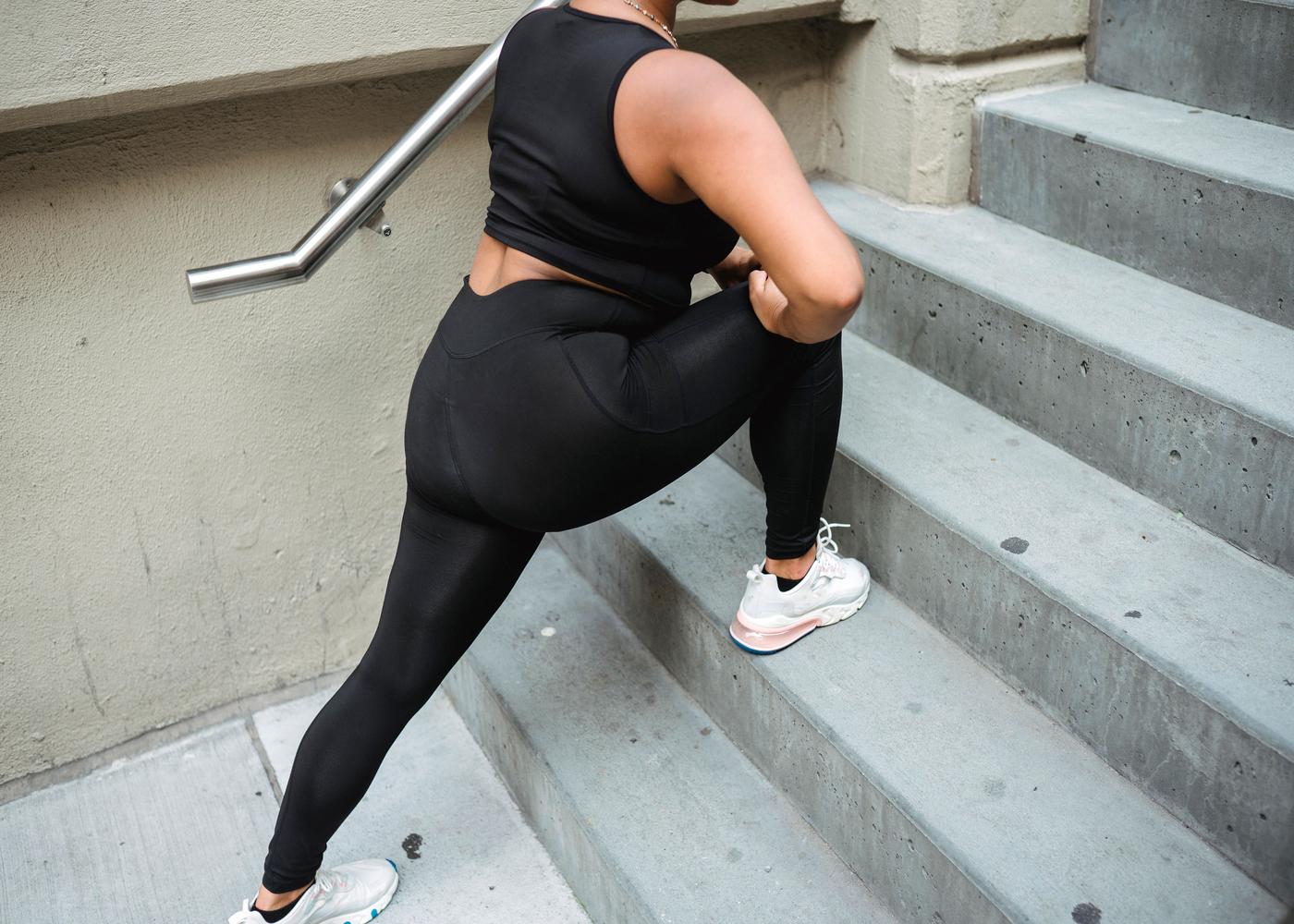
It closely mimics climbing stairs, which makes it especially practical for women in their 50s who want to maintain confidence and power in everyday movements. Adding a knee lift at the top challenges your balance and core, which can help improve stability and reduce the risk of falls.
This exercise can also support cardiovascular health when performed in a steady sequence.
Step-by-step guide:
Position a low, sturdy step or platform in front of you and stand tall with your feet hip-width apart and your arms relaxed at your sides.
Place your right foot firmly on the step, ensuring your entire foot is supported and your knee is aligned over your toes.
Exhale to engage your core and press through your right heel to lift your body up onto the step, bringing your left foot off the floor as you rise.
As you reach the top, lift your left knee toward your chest, pausing briefly to balance on your right leg while keeping your torso upright and your gaze forward.
Slowly lower your left foot back down to the floor, followed by your right foot, returning to the starting position with control.
Repeat for several repetitions on one side, then switch legs so the left foot leads the movement, maintaining a smooth, steady rhythm throughout.
Considerations:
Choose a step height that allows you to perform the exercise without straining your knees or losing balance. If you feel unsteady, place the step next to a wall or sturdy railing and rest your fingertips lightly on the support.
Avoid pushing off from the back leg too aggressively. Instead, think about driving through the heel of your working leg.
Over time, as your strength and stability improve, you can add light hand weights or increase the step height gradually.
Seated Dumbbell Press
Benefits:
The seated dumbbell press strengthens the shoulders, upper back, and triceps while giving the core an opportunity to support a stable upright posture.
Performing it in a seated position reduces the demand on balance, which is useful for women in their 50s who want to focus on shoulder strength without worrying about lower body stability.
This exercise supports daily overhead tasks such as placing items on shelves, lifting bags, or reaching overhead with more ease and control.
Step-by-step guide:
Sit tall on a sturdy chair or bench with your feet flat on the floor, hip width apart, and hold a dumbbell in each hand at shoulder height with your palms facing forward or slightly inward.
Exhale to gently engage your core and lengthen your spine, imagining the top of your head reaching toward the ceiling while your shoulders stay relaxed.
Inhale, then as you exhale, press both dumbbells upward in a controlled motion until your arms extend overhead and your biceps are roughly in line with your ears.
Avoid locking your elbows harshly at the top; instead, maintain a soft bend while keeping your ribs from flaring forward and your lower back from arching.
Inhale as you slowly lower the dumbbells back to shoulder height, keeping your elbows slightly forward rather than flaring directly out to the sides.
Pause briefly at the bottom position to reset your posture if needed, then continue pressing for the desired number of repetitions while maintaining a steady breathing pattern.
Considerations:
Start with lighter weights and focus on a smooth, pain-free range of motion in your shoulders. If you experience discomfort, try turning your palms to face each other in a neutral grip, which is often more comfortable for the joints.
Keep your core gently engaged throughout to prevent your lower back from arching. If you feel unstable on a standard chair, choose one with a backrest for extra support, but avoid leaning heavily into it.
Supported Single Leg Deadlift
Benefits:
The supported single-leg deadlift develops strength in the glutes and hamstrings while also training balance and coordination. It is particularly valuable for women in their 50s because it challenges one leg at a time, which can reveal and correct asymmetries.
Training stability on each leg improves confidence when walking on uneven ground, navigating curbs, or stepping over obstacles. It also supports hip and knee joint health by strengthening the muscles that stabilize these areas.
Step-by-step guide:
Stand next to a chair, countertop, or wall and place one hand lightly on it for balance, keeping your feet hip-width apart and your shoulders relaxed.
Shift your weight onto your right leg and slightly bend your right knee, keeping your left toes lightly touching the floor behind you for light support if needed.
Exhale to engage your core, then begin to hinge forward at your hips, allowing your torso to tip forward as your left leg extends straight back behind you.
Keep your back flat and your shoulders level as you lower your torso until you feel a stretch in the back of your right thigh, maintaining your gaze on a spot on the floor to help stabilize.
Pause for a moment at the bottom of the movement, ensuring your hips stay square to the floor and your right knee remains softly bent rather than locked.
Press through your right heel and squeeze your right glute to bring your torso back to an upright position, lowering your left leg back to the floor, then switch sides and repeat.
Considerations:
If balancing on one leg is challenging, keep your back foot closer to the floor or allow your toes to stay in light contact with the ground for extra stability.
The goal is a strong, controlled hip hinge, not a large range of motion at any cost. Start without weights and add a light dumbbell in the hand opposite the working leg only when you can maintain good alignment.
If your lower back feels strained, reduce how far you hinge forward and focus on engaging your core and glutes more intentionally.
Modified Side Plank
Benefits:
The modified side plank strengthens the obliques and deep core muscles that help stabilize the spine and pelvis.
For women over 50, this support can make a noticeable difference in how the lower back feels during daily activities such as bending, lifting, and turning. It also helps build lateral hip and shoulder stability, which contributes to better posture and overall core endurance.
Because this version is performed on the knees, it is more accessible than a full side plank, while still offering significant benefits.
Step-by-step guide:
Lie on your side on a mat with your knees bent at about ninety degrees and your elbow directly under your shoulder, forearm resting on the floor with your palm down.
Stack your knees and hips, and position your top hand on your hip or gently on the floor in front of your chest for extra stability.
Exhale to engage your core, then press your forearm into the floor and lift your hips up, creating a straight line from your shoulders through your hips to your knees.
Keep your neck in a neutral position by looking straight ahead or slightly down, and avoid letting your top shoulder roll forward or your chest collapse.
Hold the position for a comfortable number of breaths, maintaining strong engagement through your core and glutes while breathing steadily.
Gently lower your hips back to the mat, rest briefly, then repeat for several repetitions before switching to the opposite side.
Considerations:
If your shoulder feels strained, check that your elbow is directly under your shoulder and that you are pressing evenly through your forearm. You can shorten the hold time or perform more frequent but shorter holds if endurance is limited.
If the exercise is too challenging, keep your hips slightly lower and gradually work up to a straighter line as your strength improves. For added challenge over time, extend your top leg straight while keeping the bottom knee bent, which increases the demand on your core and hips.

Strength Training for Women Over 60

Women over 60 benefit greatly from strength training because it supports mobility, prevents falls, and helps maintain independence. At this age, it is especially important to focus on form, slow and controlled movements, and exercises that encourage balance and coordination.
Sit to Stand
Benefits:
The sit-to-stand exercise directly trains the movement pattern of getting up from a chair, which is critical for maintaining independence as you age. It strengthens the quads, glutes, and hips while also improving balance and coordination.
For women over 60, practicing this movement regularly can make daily tasks such as rising from a dining chair, getting out of bed, or using the toilet feel easier and more secure. It also provides a gentle cardiovascular challenge when performed in a sequence.
Step-by-step guide:
Sit close to the front edge of a sturdy chair with your feet flat on the floor, about hip width apart, and your knees bent at roughly ninety degrees.
Place your hands either lightly on the sides of the chair or crossed in front of your chest, depending on your comfort level and balance.
Exhale to engage your core, lean your torso slightly forward from your hips, and bring your nose toward the space just in front of your toes.
Press firmly through both heels and drive your feet into the floor as you lift your hips off the chair, focusing on using your leg muscles rather than pulling with your hands.
Continue standing up until your hips are fully extended and your body is upright, with your chest lifted and your shoulders relaxed.
To return to the chair, push your hips back, bend your knees, and slowly lower yourself with control until you are seated again, then reset and repeat for your set.
Considerations:
If you need additional support, you can push gently off your thighs or use the armrests of the chair while you build strength.
Choose a chair that is high and stable enough that you do not feel like you are sinking too low. Avoid dropping quickly into the chair as you sit. Instead, think of lowering yourself as quietly as possible, which encourages strength and control. If dizziness is a concern, pause briefly after standing before taking any steps.
Wall Plank
Benefits:
The wall plank trains core stability in a very joint-friendly way, making it ideal for women over 60 who may not be comfortable with getting down to the floor.
It strengthens the abdominal muscles, shoulders, and upper back while teaching the body to maintain a neutral spine during gentle loading.
This can help protect the lower back during daily activities such as lifting groceries, doing housework, or gardening. Wall planks are also easy to adjust by changing the angle of your body.
Step-by-step guide:
Stand facing a wall and place your forearms on the wall at about shoulder height, with your elbows directly under your shoulders and your hands relaxed.
Walk your feet back a few steps until your body forms a gentle diagonal line from head to heels, making sure your weight is evenly distributed between your forearms and feet.
Exhale to gently engage your core, drawing your navel slightly toward your spine and keeping your glutes lightly active so your hips do not sag.
Keep your neck in a neutral position by looking at a spot on the wall just below your eye line, and relax your jaw and shoulders.
Hold this position for a comfortable number of breaths, focusing on steady, slow breathing and maintaining the same body alignment throughout.
When you are ready to release, walk your feet back toward the wall until you are upright, then rest and repeat for additional sets as desired.
Considerations:
If you feel pressure in your lower back, shorten your stance by bringing your feet a little closer to the wall and re-engaging your core.
If your shoulders become uncomfortable, reduce the hold duration and gradually increase your time as strength builds.
You can also perform this exercise with your hands on the wall instead of your forearms if that feels better for your joints. Always prioritize quality of alignment over duration. A shorter, well-aligned hold is more beneficial than a longer hold with poor posture.
Heel to Toe Walk
Benefits:
The heel-to-toe walk is a simple yet powerful balance exercise that trains coordination, ankle stability, and spatial awareness.
For women over 60, this type of balance training can significantly reduce the risk of falls and improve confidence when walking on uneven or crowded surfaces.
It also helps the brain and body work together to maintain a steady gait, which supports overall mobility and independence.
Step-by-step guide:
Stand tall at one end of a clear hallway or open space, with your feet hip-width apart and your gaze directed forward.
Exhale gently to engage your core and relax your shoulders, keeping your arms by your sides or slightly out to help with balance.
Take a small step forward and place your right heel directly in front of your left toes, as if you are walking on a straight line or balance beam.
Shift your weight slowly onto your front foot, feeling your entire foot make contact with the floor before lifting your back foot.
Step your left foot forward and place your left heel directly in front of your right toes, again moving slowly and focusing on smooth transitions.
Continue walking in this heel-to-toe pattern for several steps, turn around carefully, and repeat in the opposite direction, maintaining a slow and deliberate pace throughout.
Considerations:
Perform this exercise near a wall or countertop so you can lightly touch it with your fingertips for support if needed. Keep your steps small and controlled rather than long and rushed.
If crossing one foot exactly in front of the other feels too challenging, start with a slightly wider stance and gradually move toward a true heel-to-toe pattern as your balance improves.
Stop the exercise if you feel lightheaded or unsteady and rest before trying again.
Resistance Band Chest Pull Apart
Benefits:
The resistance band chest pull apart strengthens the muscles of the upper back and rear shoulders while gently stretching the chest muscles that tend to shorten with age and prolonged sitting.
For women over 60, this exercise supports better posture, reduces the tendency to round the shoulders forward, and may help decrease neck and shoulder tension.
It is a low-impact movement that can be performed in a small space and easily adjusted by changing band resistance.
Step-by-step guide:
Stand tall with your feet about hip width apart and hold a light resistance band in both hands at shoulder height, with your arms extended straight in front of you and your palms facing down.
Exhale to engage your core and gently draw your shoulder blades back and down, allowing your chest to feel open while keeping a soft bend in your elbows.
Inhale, then as you exhale, pull the band outward by moving your hands away from each other, leading the motion with your upper back muscles rather than your hands alone.
Continue pulling until your arms are open wide to your sides at about shoulder height, or until you feel a strong but comfortable contraction between your shoulder blades.
Pause briefly in this open position and focus on squeezing the muscles in your upper back while keeping your neck relaxed and your shoulders away from your ears.
Slowly bring your hands back to the starting position, allowing the band to return to its original length under control, and repeat for the desired number of repetitions.
Considerations:
Choose a very light band at first so you can focus on form without straining your shoulders or elbows. If you experience discomfort in your shoulders, lower the band slightly below shoulder height or reduce your range of motion.
Keep your ribs down and your core engaged so you do not arch your lower back as you open your arms. If standing feels tiring, you can perform this exercise seated with your feet flat on the floor as long as you maintain an upright posture.
Final Thoughts: Strength Training for Women
Strength training at home is one of the most powerful steps a woman can take to support long-term health. You do not need a gym membership, complicated machines, or heavy weights to see benefits. What matters most is consistency, patience, and attention to form.
Women of every age benefit from resistance training. In your 20s and 30s, it builds a strong foundation. In your 40s, it supports metabolic and hormonal balance. In your 50s, it helps protect bone strength and mobility. In your 60s and beyond, it becomes a key part of maintaining independence, confidence, and daily function.
Start with movements that feel accessible. Celebrate small increases in strength and stamina. Adjust exercises for comfort and safety. Add resistance gradually when the time feels right. With thoughtful progression and regular practice, strength training becomes a rewarding and sustainable part of your lifestyle.
If you ever want this adapted into a printable guide, a structured weekly plan, or a beginner-friendly workout calendar, I would be happy to create that for you.
Article FAQ
Why is strength training important for women in their 30s?
Strength training is especially valuable for women in their 30s because this is often the decade when muscle mass and bone density begin their gradual natural decline. Regular resistance training helps preserve lean muscle, supports metabolism, balances hormones, and improves energy levels.
What are effective strength training exercises for women?
Women can benefit from a wide range of strength training exercises that target major muscle groups. Some of the most effective options include squats, lunges, glute bridges, push-ups, rows, planks, and hip hinges. These exercises can be done with body weight or with simple equipment such as dumbbells or resistance bands.
What is hybrid strength training?
Hybrid strength training combines traditional resistance exercises with another style of training, such as endurance work, mobility training, or cardiovascular intervals. This creates a workout that builds strength while also improving conditioning or flexibility. A hybrid session might include a mix of weight training, body weight movements, short bursts of cardio, and mobility drills.
Is yoga considered strength training?
Yoga can provide strength benefits, especially styles that use body weight resistance and longer holds, such as power yoga or vinyasa flow. These forms of yoga challenge the muscles to support the body against gravity, which builds endurance and stability. However, yoga typically does not replace a full strength training program because it does not progressively overload the muscles to the same degree as resistance training.
How often should women strength train at home?
Most women benefit from two to four strength training sessions per week, depending on their goals, schedule, and recovery needs. Beginners can start with two sessions and gradually build up as they feel stronger. Consistency is more important than intensity, and even short sessions at home can lead to meaningful progress over time.
What equipment is best for home strength training for women?
Beginners can start with nothing more than body weight. As strength improves, simple tools such as light dumbbells, loop resistance bands, long bands with handles, a yoga mat, and a sturdy chair can expand your options. Most women find that one set of light to moderate dumbbells and a few resistance bands can support months or even years of progress.