What Are Adaptive Fitness Plans and Why Are They So Important?
Fitness
Key Findings
Adaptive fitness plans make exercise accessible by modifying movements, equipment, and programs to match individual abilities. This inclusive approach supports strength, mobility, and confidence for people with disabilities, injuries, or age-related limitations. Adaptive training focuses on function, safety, and long-term consistency, proving that meaningful fitness progress is possible for every body.
Fitness should be inclusive, empowering, and adaptable to real human bodies and real-life circumstances.
Yet for many people, traditional workout programs are not designed with accessibility in mind. Adaptive fitness plans address this gap by offering flexible, inclusive approaches that allow individuals of all abilities to participate in meaningful physical activity.
These programs focus on what a person can do rather than what they cannot, creating opportunities for strength, confidence, and long-term health.
Adaptive fitness is not limited to one demographic. It supports people with physical disabilities, chronic illnesses, injuries, neurological conditions, age-related mobility changes, and anyone who benefits from customized movement. As awareness grows, adaptive fitness is becoming an essential part of modern wellness culture.
What Is Adaptive Fitness?
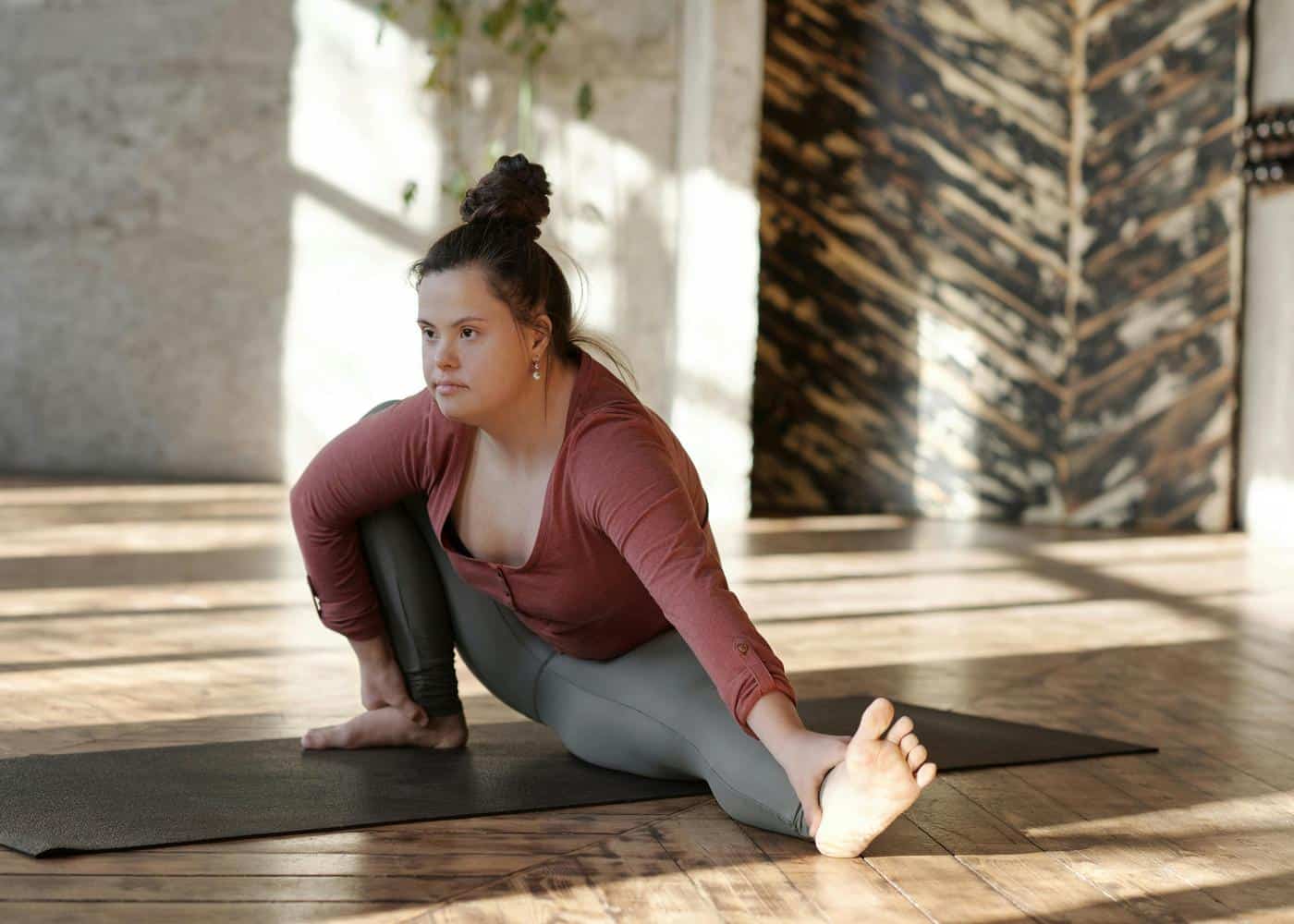
Adaptive fitness refers to exercise programs that are intentionally modified to meet the needs of individuals with differing physical, sensory, or cognitive abilities.
Rather than expecting people to fit into a rigid workout structure, adaptive fitness plans adjust movements, equipment, intensity, and pacing to suit the individual.
This can include seated workouts, one-sided movements, balance-supported exercises, or alternative strength training methods. Adaptive fitness is guided by the principle that everyone deserves access to safe, effective movement regardless of limitations or diagnoses.
Adaptive fitness plans are often developed by certified trainers, physical therapists, or adaptive sports specialists. However, the philosophy can be applied in home workouts, group classes, rehabilitation settings, and community fitness programs.
The goal is not to lower standards but to remove unnecessary barriers.
The Benefits of Accessible Fitness
Accessible fitness offers far more than physical improvements. When exercise is inclusive, it supports the whole person.
Improved physical health
Adaptive fitness can increase strength, cardiovascular health, mobility, and coordination. Even small amounts of consistent movement improve circulation, joint health, and muscular endurance.
Enhanced independence and daily function
Strengthening the muscles used in everyday tasks such as transferring, reaching, or standing can improve independence and reduce injury risk.
Mental and emotional well-being
Inclusive fitness supports confidence, motivation, and emotional resilience. Feeling capable and included can significantly improve mental health and self-image.
Reduced injury risk
Programs that respect individual limitations reduce strain and overuse injuries. Adaptive plans prioritize proper form, appropriate load, and recovery.
Greater long-term adherence
When fitness feels achievable and supportive, people are more likely to stay consistent. Adaptive fitness encourages sustainable habits rather than short-term performance goals.
Accessible fitness is not about making workouts easier. It is about making them appropriate, safe, and effective.


Adaptive Fitness Programs in Practice

Adaptive fitness programs vary widely depending on individual needs and goals. Below are common examples that illustrate how adaptability can be applied across different contexts.
Seated strength training programs
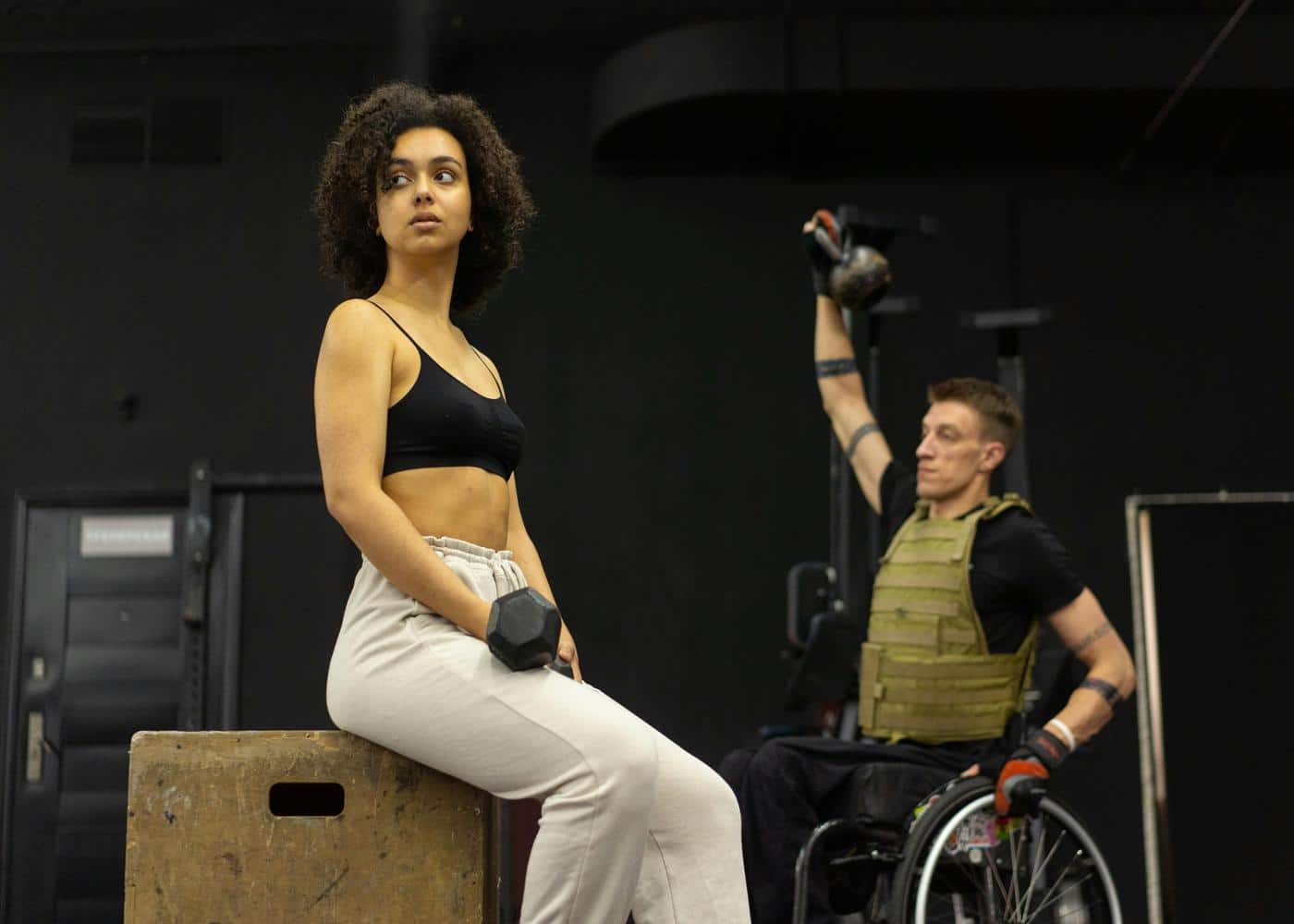
These workouts are designed for individuals who use wheelchairs or have limited lower-body mobility. Exercises focus on the upper body, core stability, and controlled movement patterns using dumbbells, resistance bands, or body weight.
Post-injury or rehabilitation-based fitness
Programs support individuals recovering from surgery, injury, or illness. Movements are slow, controlled, and progressive, often focusing on rebuilding strength and confidence.
Adaptive group fitness classes
Inclusive classes modify traditional workouts such as yoga, Pilates, or strength training so participants can perform movements standing, seated, or supported. These classes promote community and shared motivation.
Neuro-adaptive fitness programs
Designed for individuals with neurological conditions such as Parkinson’s disease, multiple sclerosis, or stroke recovery. These programs emphasize balance, coordination, cognitive engagement, and functional movement.
Low-impact adaptive cardio programs
Activities such as arm cycling, seated aerobics, or water-based exercise allow cardiovascular training without excessive joint stress or balance demands.
Each program prioritizes safety, individual progression, and personal goals rather than comparison or performance metrics.
At-home Accessible Fitness Exercises
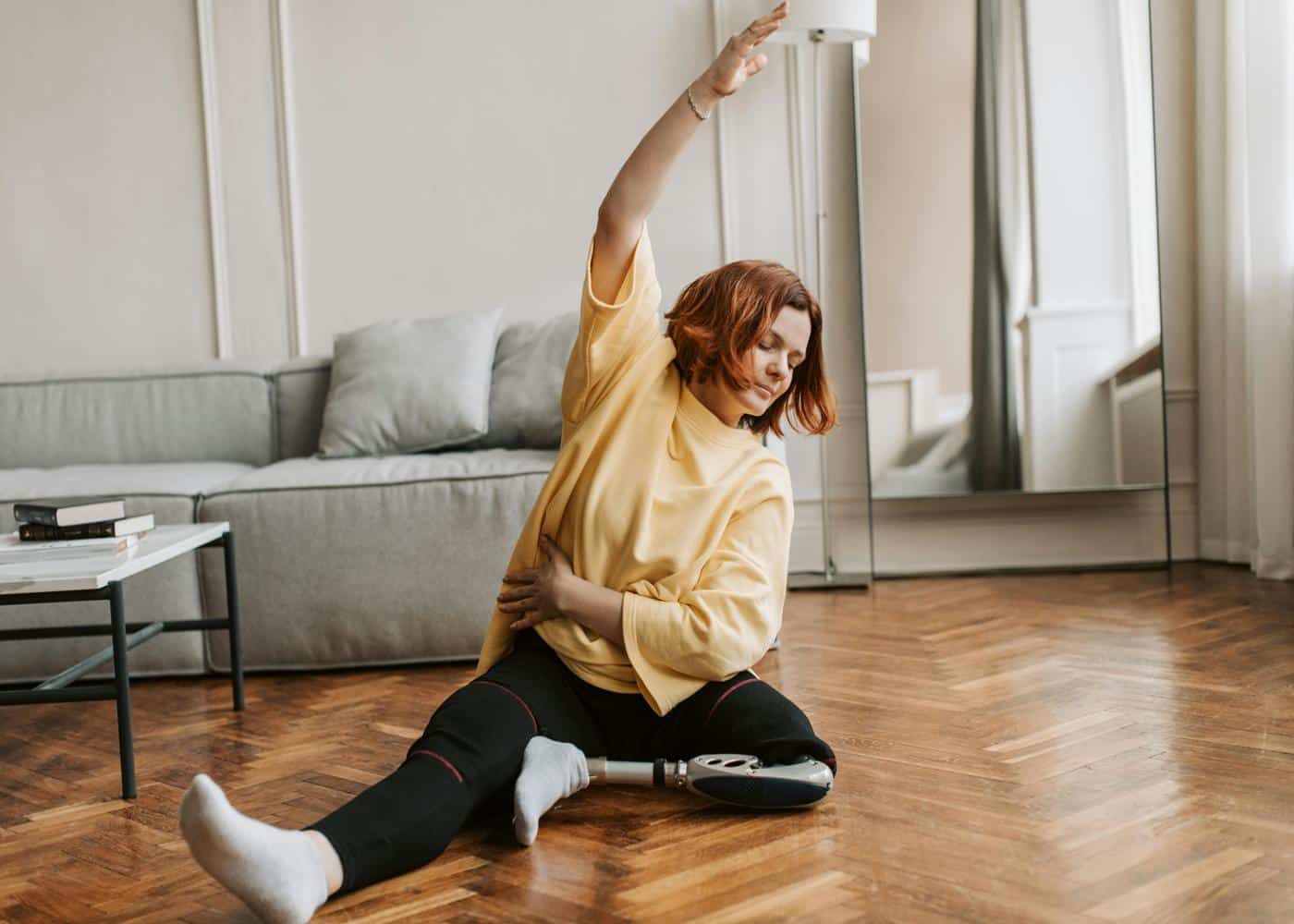
At-home adaptive fitness exercises allow individuals to move safely and confidently without needing a gym or specialized facility. These exercises can be modified based on mobility level, balance, strength, or energy availability. Each movement below is designed to be flexible, functional, and supportive of real-world needs.
1. Seated Marches
This exercise improves hip strength, circulation, and coordination while remaining fully accessible from a chair or wheelchair.
How to perform: Sit upright in a sturdy chair with your feet flat on the floor and your hands resting lightly on your thighs or the sides of the chair. Engage your core by gently drawing your belly inward. Slowly lift one knee as high as is comfortable without leaning back, then lower it with control. Alternate legs, moving at a steady pace. Focus on smooth, controlled motion rather than speed.
How to adapt: If lifting the leg is challenging, start with small lifts or simply shift weight from one foot to the other. For added difficulty, pause briefly at the top of each lift or add light ankle weights if appropriate.
Best for: Individuals with limited lower body mobility, wheelchair users, beginners, and those improving hip strength and circulation.
2. Wall Push Ups
Wall push-ups build upper body and core strength while reducing pressure on the wrists and shoulders.
How to perform: Stand facing a wall at arm’s length, or perform seated by positioning your wheelchair or chair close to the wall. Place your palms on the wall at chest height, slightly wider than shoulder width. Bend your elbows and slowly lean toward the wall while keeping your body in a straight line. Push through your palms to return to the starting position.
How to adapt: The closer you stand or sit to the wall, the easier the exercise becomes. To increase difficulty, step or roll farther back or slow the lowering phase.
Best for: People building upper body strength, those with balance concerns, and individuals avoiding floor-based exercises.
3. Seated Resistance Band Rows
This exercise strengthens the back and improves posture, which is essential for daily activities like reaching or transferring.
How to perform: Sit tall in a chair or wheelchair with a resistance band secured around a stable object in front of you. Hold one end of the band in each hand. Start with your arms extended forward, palms facing inward. Pull your elbows back toward your ribs while squeezing your shoulder blades together. Slowly return to the starting position.
How to adapt: Use a lighter resistance band if needed or perform one arm at a time. Focus on posture rather than pulling forcefully.
Best for: People with upper body mobility who want to improve posture, back strength, and shoulder stability.
4. Sit to Stand (or Assisted Sit to Stand)
Sit-to-stand movements strengthen the legs and core and improve functional independence.
How to perform: Sit near the edge of a sturdy chair with your feet hip-width apart and placed slightly behind your knees. Lean forward slightly, engage your core, and press through your heels to stand up. Slowly lower yourself back into the chair with control.
How to adapt: Use armrests, a walker, or a countertop for support. If standing is not possible, practice partial lifts or focus on controlled forward leans to build strength.
Best for: Individuals working on lower body strength, balance, and everyday functional movements.
5. Seated Overhead Press (or Front Raise)
This exercise builds shoulder strength and supports tasks like lifting or reaching overhead.
How to perform: Sit upright, holding light dumbbells, resistance bands, or household items such as water bottles. Start with your hands at shoulder height, elbows bent. Press the weights upward until your arms are extended comfortably, then lower back to the starting position.
How to adapt: If overhead movement is uncomfortable, perform front raises by lifting the arms forward to chest height instead. Use one arm at a time if needed.
Best for: People with sufficient shoulder mobility who want to build upper body strength in a seated position.
6. Core Bracing and Seated Torso Rotations
Core stability supports balance, posture, and injury prevention.
How to perform: Sit upright with feet grounded or supported. For core bracing, gently tighten your abdominal muscles as if preparing for a cough, hold for five to ten seconds, then release. For torso rotations, place your hands across your chest and slowly rotate your torso to one side, return to center, then rotate to the other side.
How to adapt: Perform smaller movements or reduce hold times. Focus on breathing steadily throughout each movement.
Best for: Individuals looking to improve core strength, spinal mobility, and overall stability in daily activities.
Adaptive Fitness Equipment
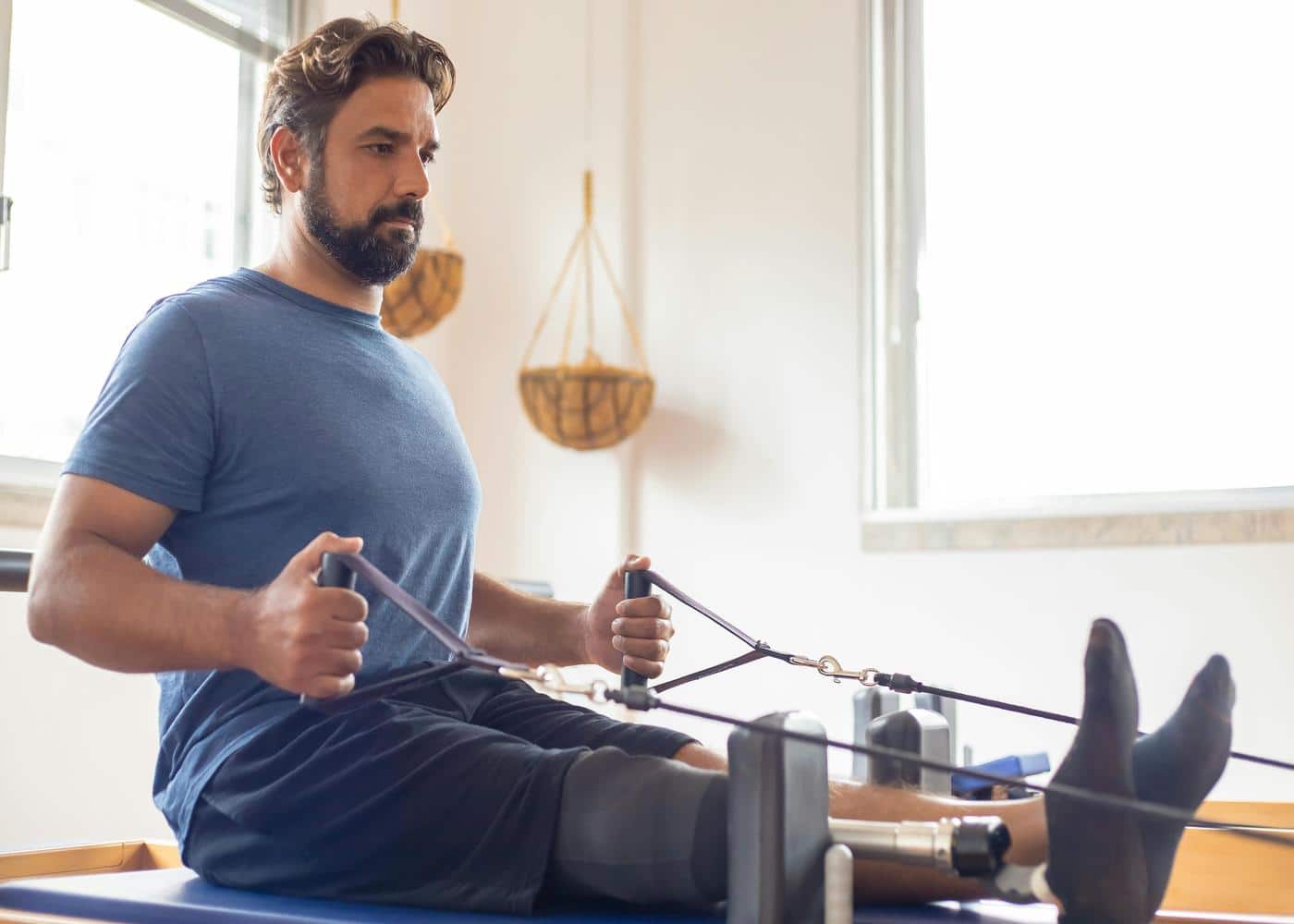
Adaptive fitness equipment plays an important role in expanding access and improving comfort during exercise. The right tools can make movement safer and more effective.
Resistance bands
Bands are versatile, affordable, and adaptable to a wide range of strength levels. They allow smooth resistance without heavy loads and can be used seated or standing.
Seated cardio machines
Arm ergometers and recumbent bikes provide cardiovascular benefits while reducing strain on joints and balance systems.
Stability supports
Chairs, rails, blocks, and balance bars help individuals maintain control and confidence during movement.
Grip aids and straps
For individuals with limited hand strength or dexterity, grip supports allow safer handling of weights or resistance tools.
Adjustable benches and platforms
These support transfers, seated exercises, and customized positioning for strength training.
Adaptive equipment is not about complexity. Often, simple tools used creatively offer the greatest benefit.
Final Thoughts: Adaptive Fitness Training
Adaptive fitness plans are important because they recognize that movement is a human right, not a privilege reserved for a narrow definition of ability. By meeting individuals where they are, adaptive fitness empowers people to build strength, improve health, and reclaim confidence in their bodies.
As the fitness industry continues to evolve, accessibility must remain a priority. Adaptive fitness training is not a niche concept. It is an essential approach that benefits individuals, communities, and the future of inclusive wellness.
If you would like, I can next add a meta description, Key Findings section, FAQ, or examples tailored to specific populations such as older adults or individuals with disabilities.
Article FAQ
What is adaptive training?
Adaptive training is a fitness approach that adjusts exercises, equipment, and programming to meet an individual’s physical abilities, limitations, or health conditions. It focuses on accessibility and function rather than standard performance benchmarks, making fitness possible and sustainable for people of all abilities.
How is adaptation related to fitness?
Adaptation in fitness refers to modifying movements, intensity, or environments so the body can safely respond and improve. In adaptive fitness, this means changing how exercises are performed to support mobility, strength, and endurance while reducing injury risk and increasing participation.
Who is adaptive fitness designed for?
Adaptive fitness is designed for individuals with disabilities, chronic conditions, injuries, age-related mobility changes, or anyone who needs a more flexible approach to movement. It also benefits beginners or those returning to exercise after a long break.
Is adaptive fitness only for people with disabilities?
No. While adaptive fitness is essential for people with disabilities, it is equally valuable for older adults, individuals recovering from injury, and anyone who needs personalized movement options. Adaptive training emphasizes inclusivity rather than labels.
Can adaptive fitness build strength and endurance?
Yes. Adaptive fitness can effectively build strength, endurance, balance, and mobility when exercises are properly scaled. Progress is measured by improved function, confidence, and consistency rather than comparison to traditional fitness standards.
Do adaptive fitness programs require special equipment?
Not always. Many adaptive fitness programs use common items such as chairs, resistance bands, walls, or household objects. Specialized equipment can be helpful but is not required to create effective and accessible workouts.