
Rethinking the Thymus: This Often Forgotten Organ Could be Key to Advancing Human Longevity
News
Key Findings
Forget the textbook myth that the thymus simply retires after puberty. A groundbreaking new study utilizing artificial intelligence to analyze thousands of routine scans reveals that this historically overlooked organ might actually be a master clock of adult longevity. Researchers discovered that a preserved adult thymus is a powerful predictor of human longevity, directly correlating with a drastically reduced risk of all-cause mortality, solid tumor cancers, and fatal cardiovascular events. Far from a vestigial relic, the functional volume of the thymus continues to act a critical biological shield well into adulthood.
Why you Should Care?
New findings suggest preserving a healthy thymus could play an essential role in improving longevity and healthspan.

For centuries, anatomists and biologists opening the chest cavities of adult cadavers found little more than a pad of yellowish adipose tissue where a robust, pinkish organ once sat during infancy.
This visual observation cemented a long-held and seemingly unshakeable dogma in the field of immunology. The prevailing wisdom suggested that the thymus was essentially a temporary biological incubator.
It was viewed as a childhood necessity that dutifully produced the initial repertoire of immune cells before involuting and quietly retiring by the time a person reached early adulthood.
Generations of medical students were taught that the adult immune system functioned perfectly well without it, relying almost entirely on the peripheral replication of existing, long-lived memory cells to fight off infections.
However, a sweeping and technologically sophisticated study recently published in the journal Nature has sought to dismantle this archaic view. Utilizing massive datasets and advanced deep learning techniques, researchers have demonstrated that the thymus never truly retires.
Instead, it remains functionally active and serves as a critical, life-long determinant of human health, disease resistance, and overall longevity.
This paradigm-shifting research forces the scientific and medical communities to reevaluate the mechanisms of aging, the foundations of chronic disease prevention, and the future of personalized immunotherapy.
The findings suggest that the thymus is not a vestigial relic of youth, but rather a central biological clock dictating the pace of immune aging.
What is the Thymus?
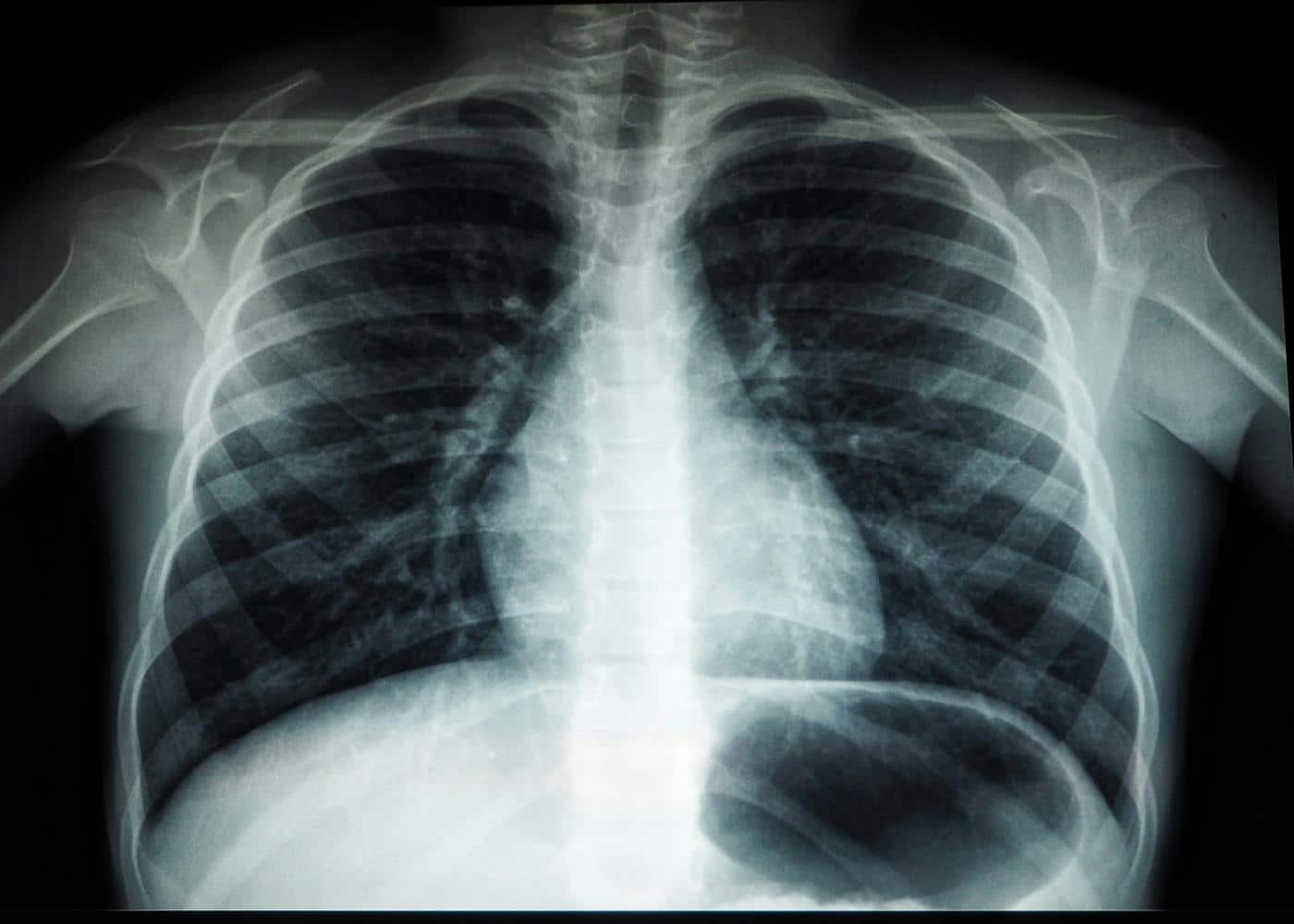
Situated in the upper anterior mediastinum, just behind the sternum and resting precariously over the superior aspect of the heart, the thymus is a primary lymphoid organ with a fascinating developmental trajectory.
Embryologically derived from the third pharyngeal pouch, it is one of the first organs to become fully functional in the developing fetus.
Historically, the thymus was a source of great mystery. Early physicians, including the ancient Greek Galen, noted its disproportionately large size in young animals and its gradual disappearance in older ones. However, its true physiological purpose remained elusive well into the twentieth century.
It was not until the early 1960s, through the pioneering work of researcher Jacques Miller, that the scientific community recognized the thymus as the birthplace of the T lymphocyte.
By surgically removing the thymus from neonatal mice, Miller observed a catastrophic failure of the immune system, leading to overwhelming infections and early death. This discovery firmly established the thymus as the master regulator of adaptive immunity during early development.
Yet, the anatomical phenomenon of thymic involution, the gradual replacement of functional epithelial and lymphoid tissue with non-functional fat cells, remained a confounding variable.
Because the organ shrinks so dramatically in mass and density after puberty, conventional medical doctrine assumed its job was finished once the initial immune repertoire was seeded.
We now understand that this macroscopic fat replacement masks a microscopic persistence of highly functional tissue capable of generating new immune cells late into the human lifespan.
What Does the Thymus Do?
To understand the implications of the recent Nature study, one must first understand the grueling biological crucible that operates within the thymic microenvironment.
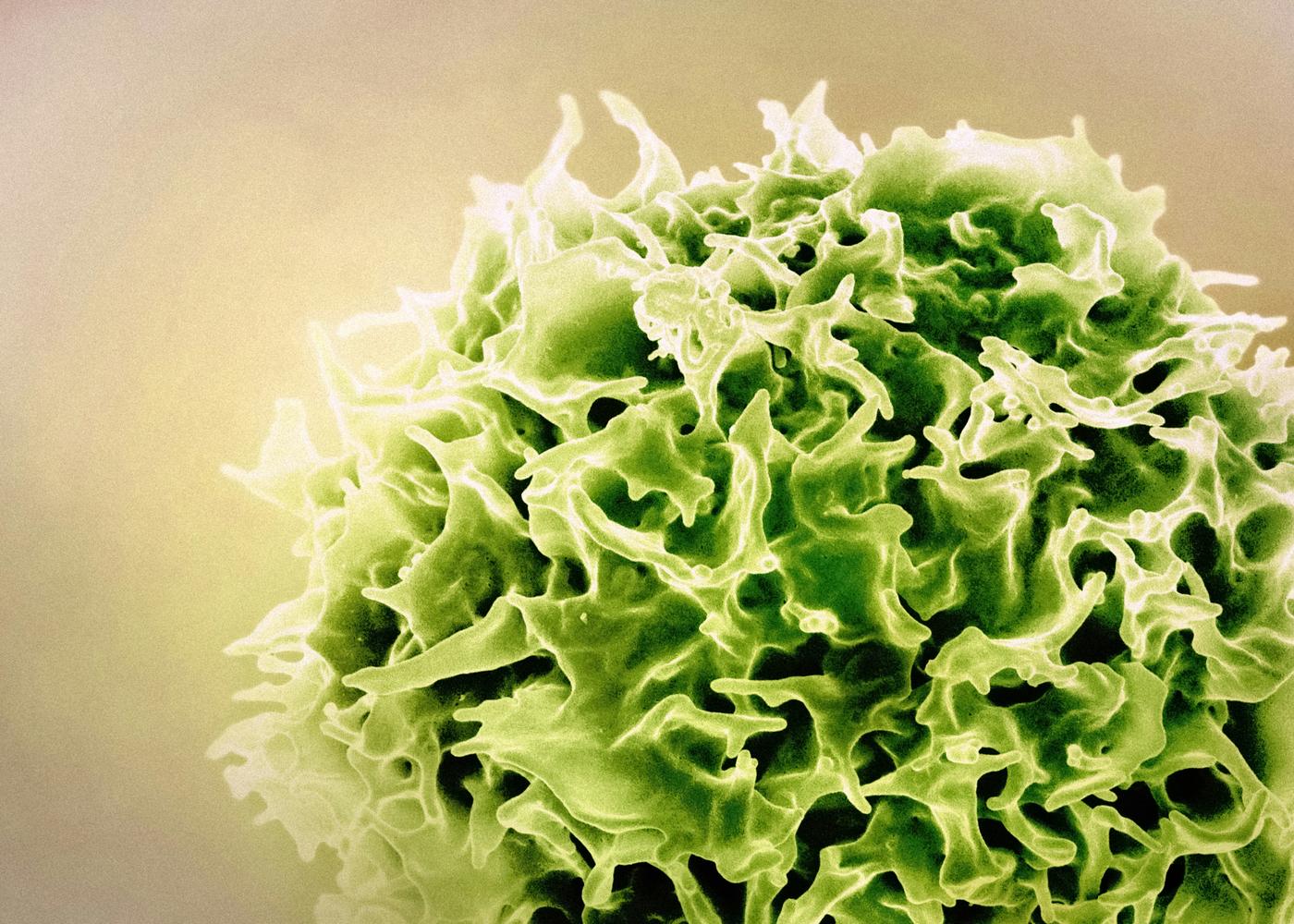
The thymus is the exclusive site for T-cell lymphopoiesis. Hematopoietic progenitor cells migrate from the bone marrow to the thymus, where they are committed to the T-cell lineage and begin a rigorous process of maturation.
Within the cortex and medulla of the thymus, these developing cells, known as thymocytes, undergo a uniquely brutal selection process. First, they face positive selection. Thymocytes must demonstrate that their T-cell receptors can successfully recognize and bind to the body's own Major Histocompatibility Complex molecules.
If they fail to recognize these self-presentation molecules, they are instructed to undergo apoptosis, essentially dying by neglect.
The cells that survive this first test then migrate to the medulla for negative selection. Here, specialized cells present a vast library of tissue-specific antigens, mimicking proteins found all over the body.
If a thymocyte binds too strongly to these self-antigens, it is destroyed. This prevents the release of autoreactive T-cells that could cause devastating autoimmune diseases. It is estimated that less than five percent of all entering thymocytes survive this dual selection process.
The triumphant survivors exit the organ as mature, naive T-cells, often referred to as recent thymic emigrants.
These naive cells are the holy grail of adaptive immunity. Unlike memory cells, which can only recognize pathogens the body has fought before, naive T-cells possess a vast, unassigned receptor diversity. They are essential for recognizing entirely novel threats, whether those threats are newly mutated zoonotic viruses, drug-resistant bacteria, or emergent malignant cancer cells.
The continuous, albeit reduced, output of these naive cells in adulthood is the precise mechanism by which a preserved thymus protects the aging human body.


Part I: The Study - Exploring the Thymus

The researchers behind the recent Nature publication faced a significant methodological hurdle.
To prove that the thymus remains vital in adulthood, they needed a way to measure its functional capacity across a massive, living population over an extended period.
Direct biopsy of the thymus in healthy adults is highly invasive and medically unjustifiable. Blood markers of recent thymic emigrants are transient and often fail to capture the holistic structural integrity of the organ.
To solve this, the investigators turned to the burgeoning field of radiomics and artificial intelligence. They leveraged an enormous repository of routine computed tomography scans, primarily drawing from the National Lung Screening Trial cohort.
This dataset provided high-resolution chest imaging for thousands of adults, coupled with years of rigorous longitudinal follow-up data tracking their health outcomes, disease incidence, and eventual causes of death.
The research team developed and trained a sophisticated deep-learning convolutional neural network to meticulously segment the anterior mediastinum on these scans.
The algorithm was capable of differentiating between functional, dense thymic tissue and the fatty adipose tissue that replaces it during involution. By calculating the ratio of functional tissue to total organ volume, the researchers created a standardized metric of thymic health.
They then cross-referenced these patient-specific thymic health scores against decades of meticulously recorded clinical outcomes, adjusting for an extensive array of demographic and clinical variables. The sheer scale and computational rigor of this approach allowed them to isolate the specific impact of the thymus on adult morbidity and mortality with unprecedented statistical power.
Potential Data Limitations
While the methodology itself is undoubtedly groundbreaking, an expert analysis requires a critical examination of potential limitations. The primary constraint of this research lies in the nature of the foundational dataset.
The National Lung Screening Trial was specifically designed to evaluate lung cancer screening protocols, meaning the cohort overwhelmingly consists of older adults with a heavy history of tobacco use.
Smoking is a known driver of systemic inflammation and accelerated tissue aging. Therefore, the baseline rate of thymic involution in this specific population may be substantially higher than that of a younger, non-smoking demographic.
Furthermore, while the deep-learning model is highly adept at estimating functional tissue volume based on radiological attenuation, it remains an anatomical surrogate for a functional biological process.
The algorithm measures density, but it cannot directly quantify the molecular diversity of the T-cell receptors being exported into the peripheral blood. Additionally, as an observational and retrospective analysis, the study can powerfully establish correlation but must rely on established immunological principles to infer direct causation.
Despite these inherent constraints, the biological gradient and the massive effect sizes observed render the findings highly robust and generalizable to the broader field of human aging.
Part II: The Findings - Longevity and the Thymus
The empirical results of the computational analysis are profound: Painting a picture of an organ that serves as a vital anchor for human longevity.
The most striking headline finding is the inverse relationship between functional thymic volume and all-cause mortality.
Adults who possessed a high degree of thymic health, meaning their thymus had resisted excessive fatty involution, demonstrated a drastically reduced risk of dying from any cause during the study period compared to their age-matched peers with highly involuted organs.
When the researchers stratified the mortality data by specific disease categories, the protective umbrella of the thymus proved to be remarkably broad.
In the realm of oncology, participants with well-preserved thymic function exhibited a significantly lower incidence of developing solid tumors, particularly lung carcinomas. Even when cancer did occur, these individuals showed a reduced risk of cancer-specific mortality, suggesting their immune systems were far more capable of mounting an effective anti-tumor response.
Equally noteworthy was the impact of thymic health on cardiovascular outcomes.
High thymic function was tightly correlated with a substantially lower risk of cardiovascular mortality, including a marked reduction in fatal myocardial infarctions and congestive heart failure.
The protective benefits also extended deep into other physiological systems, showing significant protective effects against death from pulmonary diseases, digestive tract pathologies, and complex metabolic or endocrine disorders.
The study also shed crucial light on the environmental and behavioral drivers of thymic aging.
The researchers found that the biological clock of the thymus is not rigidly fixed by genetics alone.
The rate of involution is heavily modulated by lifestyle factors. High body mass index, a sedentary lifestyle, and particularly a history of smoking were all independently associated with rapidly accelerated thymic decline.
This establishes a clear biological link between poor metabolic health, systemic inflammation, and the premature exhaustion of the central immune system.
Part III: Implications for Longevity and Health

The revelation that thymic preservation correlates so strongly with delayed mortality and disease prevention opens up entirely new avenues for medical research.
This data provides a unifying biological mechanism for several disparate aspects of age-related physical decline. By framing the thymus as a disease-agnostic organ of longevity, we can explore its implications across multiple medical disciplines.
Reversing Immunosenescence
Immunosenescence is the progressive deterioration of the immune system brought on by natural age advancement.
It is characterized by a dwindling pool of naive T-cells and an overabundance of exhausted, oligoclonal memory T-cells.
This imbalance leaves older adults highly susceptible to emerging infectious diseases and less responsive to standard vaccinations.
The Nature study confirms that maintaining thymic output is the primary defense against this immunological collapse. If researchers can develop pharmacological or regenerative therapies to stimulate the surviving epithelial cells in the adult thymus, it may be possible to restore the flow of naive T-cells.
This would effectively reverse immunosenescence, rejuvenating the aging immune system and providing older populations with the infection-fighting vigor of youth.
Oncology and Immunotherapy
The implications for cancer treatment are particularly interesting. Modern oncology has been revolutionized by immunotherapies, specifically immune checkpoint inhibitors that unblind the immune system to malignant cells.
However, these therapies are entirely dependent on the patient possessing a functional, diverse repertoire of T-cells capable of recognizing tumor neoantigens.
The companion data highlighted in this research indicates that thymic health is a massive predictor of immunotherapy success. Patients with a healthy thymus respond far more favorably to these advanced treatments.
This suggests that oncologists should consider assessing a patient's thymic volume before initiating immunotherapy.
Furthermore, strategies designed to temporarily boost thymic output could be used as an adjuvant treatment, priming the patient's immune landscape to maximize the efficacy of cancer-killing drugs.
Cardiovascular Health and Systemic Inflammation
The strong protective effect of the thymus against cardiovascular disease aligns with the emerging understanding of atherosclerosis as an inflammatory disease.
Chronic, low-grade systemic inflammation, often termed inflammaging, is a primary driver of endothelial dysfunction and plaque formation in the arteries. Naturally occurring regulatory T-cells act as the peacekeepers of the immune system, suppressing excessive inflammation and preventing immune cells from damaging healthy vascular tissue.
A preserved thymus ensures a steady supply of these regulatory cells, thereby dampening the systemic inflammation that leads to heart attacks and strokes. Preserving the thymus may therefore become a novel therapeutic target in preventative cardiology.
Correlation Between Immune System and Diet
The study highlights a complex, bidirectional communication network between the immune system and human metabolism.
The rapid replacement of thymic tissue with fat in obese individuals suggests that adiposity directly poisons the thymic microenvironment.
Conversely, the loss of thymic function appears to exacerbate metabolic diseases, including type 2 diabetes. This creates a dangerous feedback loop where metabolic dysfunction accelerates immune aging, and immune aging worsens metabolic control.
Intervening in this cycle through aggressive lifestyle modifications, such as targeted weight loss and exercise regimens, could preserve thymic health and consequently protect against a wide spectrum of endocrine and metabolic disorders.
How to Promote Healthy Thymic Function

While thymic involution is a natural part of aging, its rate is highly dependent on environmental and metabolic factors. Here are some of the primary evidence-based strategies to preserve the thymic microenvironment:
Caloric Restriction: Chronic overnutrition and obesity accelerate the infiltration of adipose tissue into the thymus. Mild caloric restriction helps downregulate the mTOR signaling pathway, delaying cellular senescence and extending the organ's active lifespan.
Targeted Micronutrient Support: Zinc is a mandatory cofactor for the biological activity of thymulin, a specialized hormone that drives the differentiation of immature thymocytes. Maintaining adequate zinc levels, alongside a robust intake of antioxidants, provides the biochemical substrate needed to fight localized oxidative stress.
Cardiovascular Exercise: Skeletal muscle acts as an endocrine organ during vigorous exercise, releasing signaling proteins called myokines. Specific myokines like interleukin-7 are foundational growth factors for thymic epithelial cells. Exercise also reduces visceral fat and stimulates the bone marrow to continuously supply the thymus with progenitor cells.
Stress Mitigation: The thymic cortex is exquisitely sensitive to cortisol, the primary hormone released during the body's stress response. Chronic stress causes persistent cortisol elevation, which directly induces apoptosis (programmed cell death) in vulnerable thymocytes. Strict sleep hygiene, stress reduction practices, and cortisol-restricting dietary control physically shield the thymus from premature atrophy.
Pharmacological Rejuvenation: Clinical trials are currently testing the systemic administration of recombinant interleukin-7 and keratinocyte growth factor to artificially stimulate thymic regrowth. Researchers are also developing selective receptor modulators designed to block the involuting effects of androgens directly at the tissue site.
Final Thoughts: The Overlooked Role of the Thymus
We can no longer afford to view the adult thymus as a dormant lump of fat resting quietly in the chest cavity. It is an active, dynamic, and absolutely vital organ that quietly dictates our resilience against the ravages of time, cellular mutation, and environmental stress.
The persistence of its function serves as a biological shield, guarding the aging body against cancer, cardiovascular collapse, and metabolic disarray.
Looking forward, this research elevates the thymus from an anatomical curiosity to a prime target for the burgeoning field of regenerative medicine.
Scientists are already investigating methods to delay or reverse thymic involution using specialized growth factors, hormonal therapies, and even engineered thymic organoids.
If medical science can find a way to safely sustain the thymic microenvironment and maintain the continuous output of naive T-cells throughout the human lifespan, the impact on public health could be staggering.
By actively monitoring and preserving the health of this historically overlooked organ, we may unlock one of the most powerful strategies yet discovered for extending not just human lifespan, but the quality of health and vitality in our later years.
Article FAQ
What is the thymus?
The thymus is a specialized, primary lymphoid organ that serves as the command center for the adaptive immune system. It is the exclusive environment where T lymphocytes (T-cells) mature, differentiate, and undergo rigorous selection. These T-cells are the highly specialized white blood cells responsible for identifying and destroying novel pathogens, neutralizing virally infected cells, and eradicating emerging cancer cells. Without a functioning thymus, the human body cannot build a competent adaptive immune response.
Where is the thymus located?
Anatomically, the thymus is situated in the upper anterior chest cavity, occupying a space known as the anterior mediastinum. It lies situated just behind the sternum (the breastbone) and rests directly in front of the superior aspect of the heart and its great vessels, such as the ascending aorta. During infancy and early childhood, it is relatively large and prominent, extending upwards toward the neck. As a person ages, its overall density changes, making it visually less distinct from the surrounding mediastinal fat on traditional imaging, which contributed to its historical neglect in adult medicine.
How does the thymus function within the immune system?
You can conceptualize the thymus as a strict biological training academy. Immature precursor cells travel from the bone marrow to the thymus, where they are officially committed to becoming T-cells. Inside the organ, these cells undergo a brutal, two-step selection process. First, they must prove they can recognize the body's own cellular communication molecules (positive selection). Next, they are exposed to a vast array of the body's own specific tissue proteins. If a developing T-cell reacts aggressively to these "self" proteins, it is destroyed (negative selection). This ensures that only functional, non-autoimmune T-cells are released into the bloodstream to patrol the body.
Does the thymus disappear as we age?
A pervasive medical myth long suggested that the thymus simply vanishes by the time a person reaches early adulthood. In reality, the organ undergoes a natural, gradual process called thymic involution. Starting around puberty, the dense, highly active lymphatic tissue is slowly replaced by adipocytes (fat cells). However, the organ never entirely disappears. Microscopic islands of functional epithelial and lymphoid tissue remain embedded within that fat. As recent groundbreaking research has demonstrated, this surviving tissue continues to produce a crucial, albeit smaller, supply of new naive T-cells throughout a person's entire life.
How does thymic health impact longevity and disease risk?
Recent large-scale studies utilizing artificial intelligence and advanced radiomics have fundamentally linked the preservation of thymic tissue to improved human longevity. Adults who maintain a higher volume of functional thymic tissue demonstrate a profoundly lower risk of all-cause mortality. Specifically, a healthy adult thymus acts as a biological shield, significantly reducing the incidence of solid tumor cancers, lowering the risk of fatal cardiovascular events, and protecting against severe autoimmune and metabolic disorders. Essentially, a preserved thymus prevents the premature exhaustion of the immune system.
Can lifestyle changes protect or rejuvenate the thymus?
Yes. While aging guarantees some degree of involution, the rate of that decline is heavily influenced by environmental and metabolic factors. Chronic inflammation and obesity rapidly accelerate the infiltration of fat into the thymus. Conversely, adopting specific lifestyle interventions can protect the organ's microenvironment. Regular cardiovascular exercise releases signaling proteins that stimulate thymic tissue. Maintaining optimal metabolic health through mild caloric restriction prevents the cellular exhaustion of the organ. Additionally, aggressively managing chronic psychological stress lowers cortisol levels, which directly prevents the stress-induced destruction of developing immune cells within the thymic cortex.