21-Day Alkaline Diet Meal Plan: Complete Recipes & Food List
Nutrition

Key Findings
The alkaline diet relies on plant-based, mineral-rich foods to lower your dietary acid load and support overall health. By swapping processed items and heavy proteins for fresh vegetables, fruits, and legumes, a structured 21-day plan helps naturally improve digestion, sustain energy, and manage weight.

Eating well does not need to be complicated. If you are looking to support your overall health and feel more energized, starting an alkaline diet is a simple and effective approach.
This way of eating focuses on choosing fresh ingredients that are naturally rich in minerals and easy on your system.
Exploring new alkaline diet foods brings a wide variety of vital nutrients directly to your table. Making these mindful, everyday changes provides a clear path to feeling your best.
What is the Alkaline Diet?

The core premise of this eating style revolves around the Ash Hypothesis.
The theory suggests that when your body digests and metabolizes food, it leaves behind a chemical residue known as ash. Depending on the mineral content of the food, this ash is categorized as acidic, neutral, or alkaline.
Proponents of the diet argue that by prioritizing foods that leave an alkaline residue, you can reduce the overall dietary acid load on your body.
Moving Beyond the Chemistry Myth
While the Ash Hypothesis provides an interesting framework, modern science has clarified the mechanics.
The human body maintains a strict blood pH balance regardless of what you eat.
Your lungs and kidneys are incredibly efficient at this; if your diet could fundamentally shift your blood pH, it would be a clinical crisis.
However, your food choices do affect the pH of your urine and the metabolic workload on your kidneys.
A diet heavy in animal proteins, refined grains, and processed snacks leaves a high acidic residue, forcing the body to work harder to neutralize those byproducts.
Alkaline Diet: The Hidden Benefits
The reason this diet remains popular isn't because it changes your blood chemistry, but because it functions as a masterclass in nutrient density.
When you strip away the discredited "ash" theories, you are left with a powerful, data-backed approach to wellness.
Increases your daily intake of fresh fruits and vegetables, providing essential vitamins and minerals.
Reduces the consumption of highly processed foods, refined sugars, and excessive sodium.
Supports kidney health by lowering the dietary acid load, which means the kidneys work less hard to excrete excess acid.
Encourages optimal hydration, as the diet emphasizes water-rich produce and ample water intake.
Provides a high amount of dietary fiber, which supports digestion and regular bowel movements.
Delivers a rich supply of antioxidants from plant-based sources to help combat cellular oxidative stress and improve gut health.
May support long-term bone health by providing crucial minerals like potassium and magnesium.
What Can You Eat on an Alkaline Diet?
The alkaline diet encourages the consumption of the following foods:
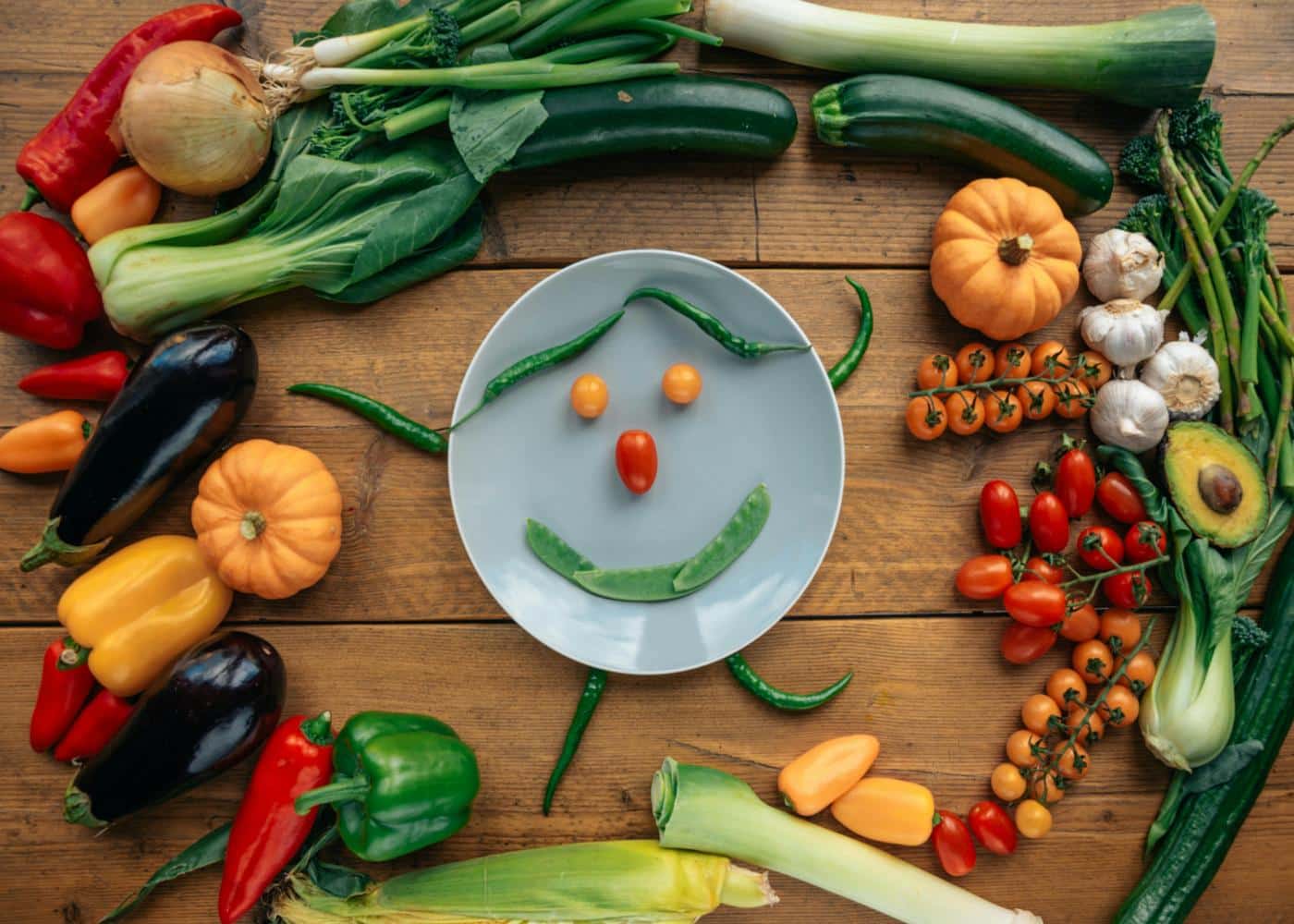
Leafy greens such as spinach, kale, Swiss chard, and arugula are staples that provide high amounts of magnesium and calcium.
Cruciferous vegetables, including broccoli, cauliflower, cabbage, and Brussels sprouts, offer excellent fiber and nutrients.
Root vegetables like sweet potatoes, carrots, beets, and radishes serve as satisfying, complex carbohydrates.
Most fresh fruits are encouraged, particularly lemons, limes, apples, pears, and melons, which have an alkaline-forming effect after digestion.
Nuts and seeds, especially almonds, chia seeds, pumpkin seeds, and flaxseeds, provide healthy fats and plant-based protein.
Plant-based proteins such as lentils, chickpeas, and tofu are excellent alternatives to heavy meat consumption.


Our Complete Alkaline Meal Plan
Transitioning to a new way of eating requires consistency and preparation. Adopting these daily suggestions for meals and snacks helps build sustainable habits.
Week 1
Ease into the alkaline lifestyle by introducing more fruits and vegetables into your daily routine.
Day 1
Breakfast: Green power smoothie. Blend two cups of fresh spinach, half a cucumber, one celery stalk, half a green apple, and one cup of coconut water until smooth.
Tip: Add a scoop of hemp seeds for extra protein and healthy fats.
Lunch: Large mixed greens salad. Toss arugula and baby spinach with sliced cucumbers, cherry tomatoes, shredded carrots, and a quarter of an avocado. Dress with fresh lemon juice and cold-pressed olive oil.
Tip: Massage the greens slightly with the dressing to make them easier to digest.
Dinner: Baked sweet potato stuffed with seasoned chickpeas. Roast a medium sweet potato. Rinse half a cup of chickpeas, toss with paprika and cumin, and warm them in a skillet. Stuff the potato and top with fresh parsley.
Snacks: Sliced bell peppers with two tablespoons of hummus.
Day 2
Breakfast: Gluten-free rolled oats cooked in almond milk. Top with half a cup of fresh blueberries and a sprinkle of cinnamon.
Tip: Soak the oats overnight to reduce their cooking time and improve digestibility.
Lunch: Quinoa and black bean bowl. Combine one cup of cooked quinoa with half a cup of rinsed black beans, diced tomatoes, cilantro, and a squeeze of lime.
Tip: Squeeze fresh lime juice right before eating to keep the flavors bright.
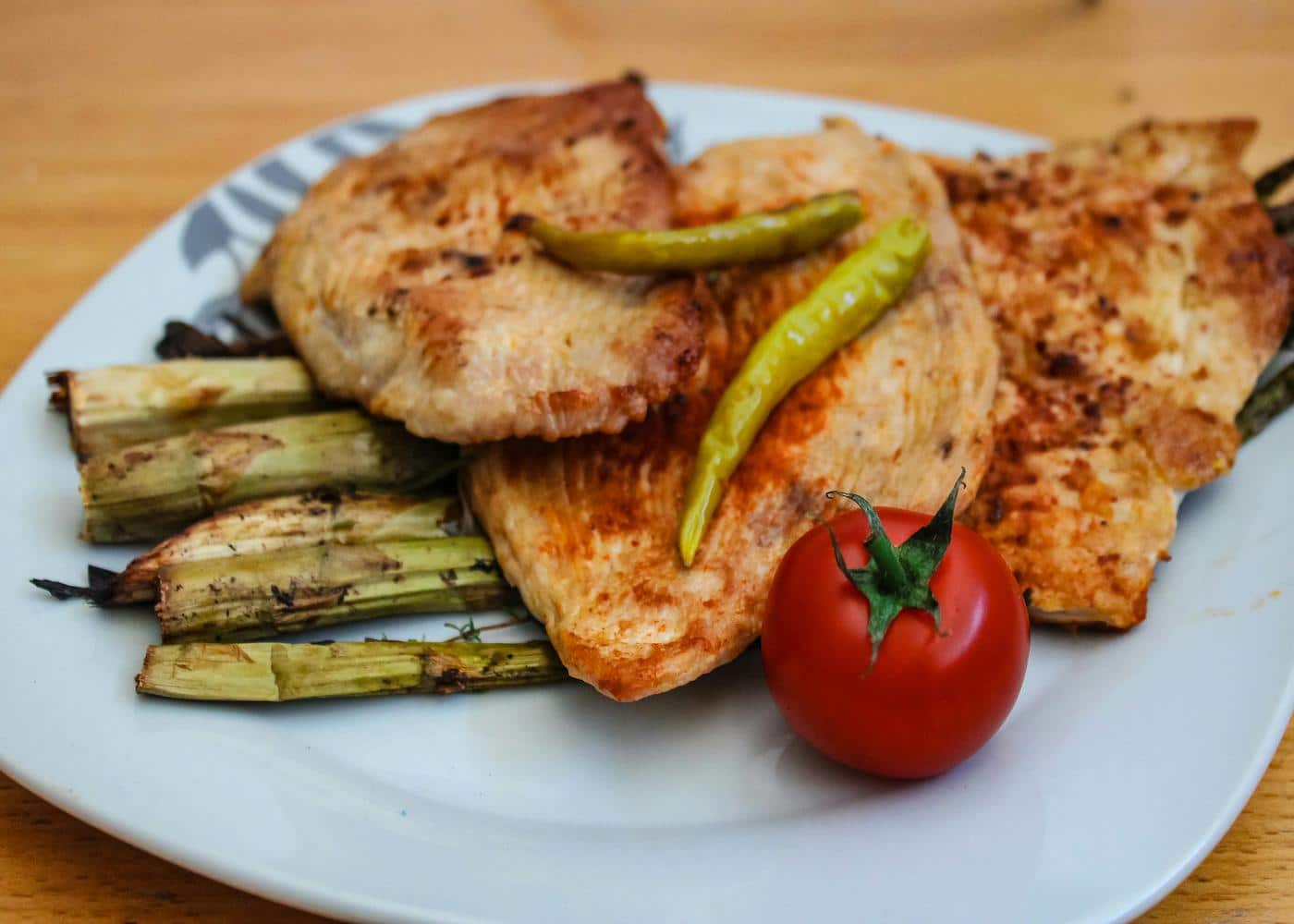
Dinner: Lemon garlic baked chicken breast. Bake a 4-oz lean chicken breast with garlic powder and fresh lemon slices. Serve alongside steamed broccoli and asparagus.
Snacks: A small handful of unsalted almonds and a green apple.
Day 3
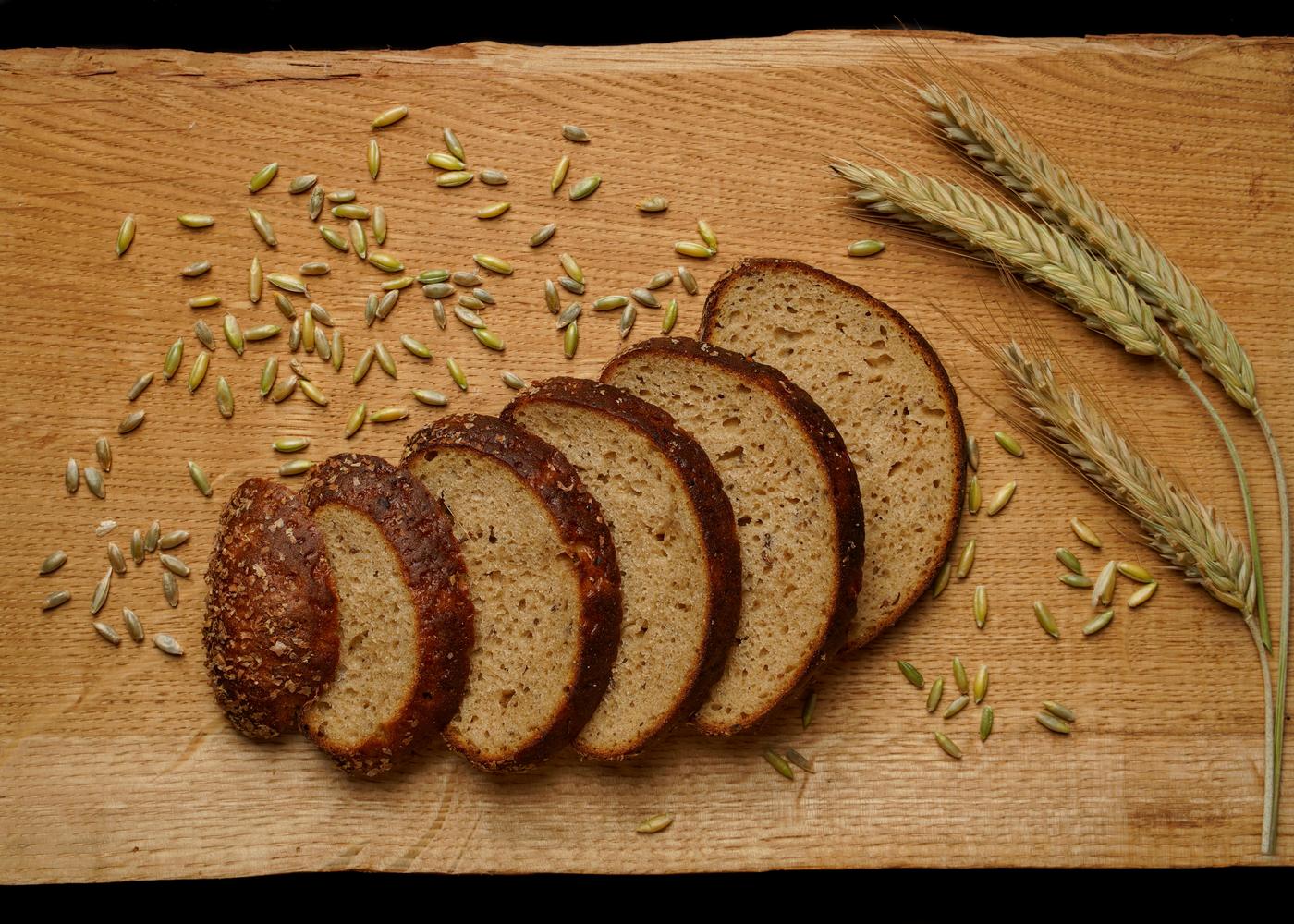
Breakfast: Avocado toast on gluten-free or sprouted grain bread. Mash half an avocado with a pinch of sea salt and a squeeze of lemon juice. Spread on two slices of toasted bread.
Tip: Use a pinch of red pepper flakes on top for a mild kick of heat.
Lunch: Creamy lentil soup. Simmer red lentils with vegetable broth, diced carrots, celery, and onions until tender. Blend half the soup for a creamier texture.
Tip: Make a double batch of this soup to save for a quick lunch later in the week.
Dinner: Grilled salmon fillet. Season a 4-oz piece of wild-caught salmon with dill and black pepper. Serve with a portion of roasted Brussels sprouts tossed in olive oil.
Snacks: Celery sticks paired with one tablespoon of unsweetened almond butter.
Day 4
Breakfast: Fresh fruit bowl. Chop one cup of mixed melon, papaya, and kiwi. Sprinkle with a tablespoon of chia seeds.
Tip: Add fresh mint leaves for a refreshing flavor boost.
Lunch: Leftover creamy lentil soup. Serve with a side salad of mixed greens and cucumber.
Tip: Pair with a slice of sprouted grain bread for extra fiber to keep you full.
Dinner: Tofu vegetable stir-fry. Sauté cubed firm tofu with bok choy, snap peas, and bell peppers in a teaspoon of sesame oil and low-sodium tamari. Serve over cauliflower rice.
Snacks: Half a cup of edamame sprinkled with a pinch of sea salt.
Day 5
Breakfast: Spinach and egg white scramble. Sauté one cup of chopped spinach in a lightly oiled pan, then add three egg whites and cook until set. Serve with a slice of tomato.
Tip: Add a pinch of turmeric to the eggs for extra color and joint support.
Lunch: Mediterranean cucumber wrap. Use a large collard green leaf as a wrap. Fill it with hummus, sliced cucumbers, kalamata olives, and shredded carrots.
Tip: Blanch the collard green leaf in hot water for ten seconds to make it more pliable.
Dinner: Baked trout with roasted root vegetables. Season a 4-oz trout fillet with herbs and bake. Roast diced carrots, beets, and sweet potatoes with a drizzle of olive oil.
Snacks: A handful of pumpkin seeds.
Day 6
Breakfast: Chia seed porridge. Mix three tablespoons of chia seeds with one cup of unsweetened almond milk. Let sit for twenty minutes. Top with sliced strawberries.
Tip: Prepare this the night before so you have a grab-and-go meal ready in the morning.
Lunch: Chicken and avocado salad. Mix diced, cooked chicken breast with mashed avocado instead of mayonnaise. Serve over a bed of romaine lettuce.
Tip: Add a squeeze of lemon to the mashed avocado to keep it from turning brown.
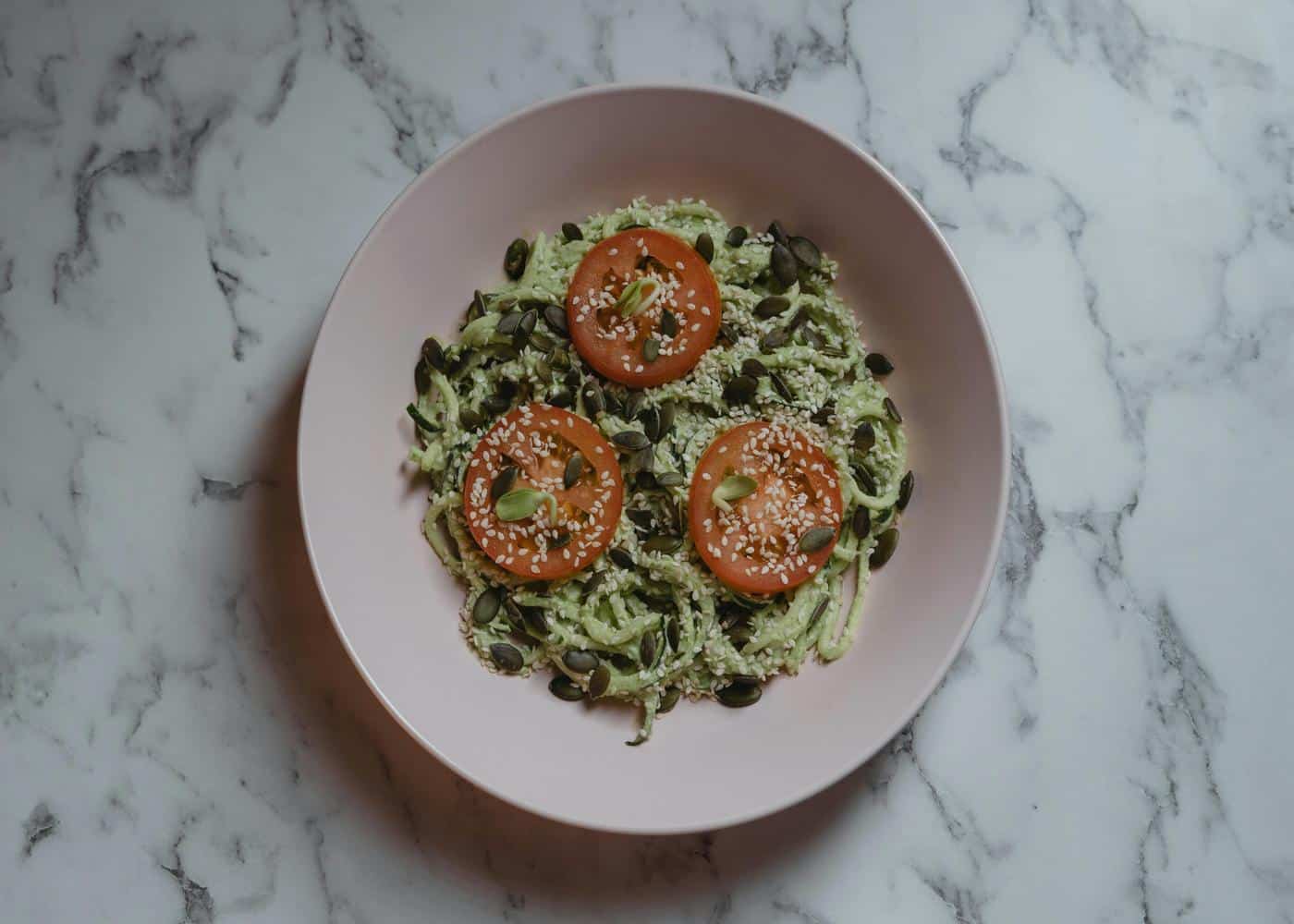
Dinner: Zucchini noodles with homemade tomato basil sauce. Spiralize two medium zucchinis. Warm them gently in a skillet and top with a simple sauce made from crushed tomatoes, garlic, and fresh basil.
Snacks: Carrot sticks with tahini dip.
Day 7
Breakfast: Berry smoothie. Blend one cup of mixed berries, half a frozen banana, a handful of kale, and one cup of water.
Tip: Use frozen berries for a thicker texture.
Lunch: Quinoa tabbouleh. Mix cooked quinoa with finely chopped parsley, mint, tomatoes, and cucumber. Dress with lemon juice and a touch of olive oil.
Tip: Prepare the tabbouleh a few hours ahead of time to allow the flavors to meld.
Dinner: Roasted eggplant halves. Cut an eggplant in half, score the flesh, brush with olive oil, and bake until soft. Top with a spoonful of tahini and fresh parsley. Serve with a side of brown rice.
Snacks: One pear and a small handful of walnuts.
Week 2
Build on your new habits with satisfying meals that naturally support your body's dietary acid balance.
Day 8
Breakfast: Tropical chia seed pudding. Mix 3 tbsp chia seeds with 1 cup coconut milk and let sit overnight. Top with diced mango and toasted coconut flakes.
Tip: Add chopped pistachios on top for added crunch, if you can tolerate nuts.
Lunch: Hummus and roasted veggies sandwich. Cut red bell peppers into strips, season with garlic salt, and roast in the oven. Toast whole grain bread slices and add hummus at the bottom, lettuce leaves, tomato slices, and the roasted bell peppers. Top with any type of greens, baby spinach is an easy choice.
Tip: Add boiled egg whites or leftover grilled chicken for added protein.
Dinner: Baked cod with sautéed kale and garlic. Bake a 4-oz cod fillet with lemon and dill. Serve with kale sautéed in olive oil and garlic, and a side of brown rice.
Snacks: A handful of pistachios, celery sticks with almond butter.
Day 9
Breakfast: Almond butter and banana toast. Toast two slices of sprouted grain bread. Spread a thin layer of almond butter and top with banana slices and a dash of cinnamon.
Tip: Choose a sprouted grain loaf over standard wheat bread for easier digestion.
Lunch: Kale and chickpea salad. Finely chop fresh kale and massage with lemon and olive oil. Toss in roasted chickpeas, cherry tomatoes, and cucumber slices.
Tip: Massaging the kale breaks down its tough fibers and makes it much more tender to eat.
Dinner: Sweet potato and spinach curry. Simmer cubed sweet potatoes in a light coconut milk broth seasoned with mild curry powder. Stir in fresh spinach just before serving.
Snacks: A small bowl of fresh raspberries.
Day 10
Breakfast: Apple cinnamon oatmeal. Cook half a cup of gluten-free oats in water. Stir in half a diced apple and a generous pinch of cinnamon during the last few minutes of cooking.
Tip: Leave the apple skin on for an extra boost of natural fiber.
Lunch: Leftover sweet potato and spinach curry. Warm gently on the stove or in the microwave.
Tip: Add a small splash of water or coconut milk before reheating the curry to restore its creamy texture and prevent it from drying out.
Dinner: Grilled lemon herb shrimp. Skewer four ounces of shrimp and grill or pan-sear with garlic and lemon. Serve over a portion of steamed asparagus and a small side of quinoa.
Snacks: Sliced cucumbers with a pinch of sea salt.
Day 11
Breakfast: Papaya bowl. Cut a small papaya in half and scoop out the seeds. Fill the center with a dollop of unsweetened coconut yogurt and a sprinkle of flaxseeds.
Tip: Squeeze fresh lime over the papaya to enhance its natural sweetness.
Lunch: Veggie-packed lentil salad. Combine cooked brown lentils with finely chopped celery, red onion, and bell peppers. Dress with a light vinaigrette.
Tip: You can use canned lentils for convenience, just be sure to rinse them thoroughly to remove excess sodium.
Dinner: Turkey meatballs with spaghetti squash. Bake ground turkey meatballs seasoned with oregano and garlic. Serve over roasted spaghetti squash strands with a light tomato sauce.
Snacks: A handful of sunflower seeds.
Day 12
Breakfast: Tofu scramble. Crumble half a block of firm tofu into a pan. Season with turmeric, black pepper, and nutritional yeast. Sauté with diced bell peppers and onions.
Tip: Press the tofu beforehand for about ten minutes to remove excess water for a firmer texture.
Lunch: Stuffed avocado halves. Cut an avocado in half and remove the pit. Stuff each half with a scoop of quinoa salad left over from a previous dinner.
Tip: Leave the avocado in its skin for a convenient, built-in bowl.
Dinner: Baked halibut with green beans. Season a 4-oz halibut fillet with herbs and bake. Serve with fresh green beans steamed with a sliver of garlic.
Snacks: Carrot sticks and two tablespoons of hummus.
Day 13
Breakfast: Green detox juice. Run two stalks of celery, one cucumber, half a green apple, a handful of parsley, and half a lemon through a juicer.
Tip: Stir in a teaspoon of spirulina powder at the end for an extra nutrient boost.
Lunch: Turkey and cucumber roll-ups. Lay slices of low-sodium turkey breast flat. Spread a thin layer of hummus on each, place a cucumber stick in the center, and roll them up. Serve with a side of mixed berries.
Tip: Use thick, crisp cucumber sticks to provide a satisfying crunch in the center of the roll-ups.
Dinner: Zucchini boats. Halve two zucchinis lengthwise and scoop out the center. Fill with a mixture of diced tomatoes, black beans, and corn. Bake until the zucchini is tender.
Snacks: A handful of raw almonds.
Day 14
Breakfast: Overnight oats with peach slices. Mix half a cup of rolled oats with one cup of almond milk in a jar. Let sit overnight. In the morning, top with fresh peach slices.
Tip: Stir in a tablespoon of almond butter for extra richness and sustained energy.
Lunch: Mediterranean chickpea salad. Toss chickpeas with diced cucumbers, tomatoes, red onion, and fresh parsley. Dress with olive oil and lemon juice.
Tip: Dice the cucumbers and tomatoes to be roughly the same size as the chickpeas to ensure a balanced flavor in every bite.
Dinner: Grilled salmon with roasted asparagus. Grill a 4-oz salmon fillet and serve alongside asparagus spears roasted with a touch of olive oil and black pepper.
Snacks: Apple slices sprinkled with cinnamon.
Week 3
Solidify your clean eating routine with quick, wholesome recipes that keep you energized throughout the day.
Day 15
Breakfast: Spinach and berry smoothie. Blend one cup of spinach, half a cup of frozen blueberries, half a banana, and one cup of water.
Tip: Blend the spinach and water first to ensure a smooth green base before adding the fruit.
Lunch: Cabbage detox soup. Simmer chopped cabbage, celery, onions, and diced tomatoes in low-sodium vegetable broth until tender.
Tip: Season the soup with fresh herbs like basil or thyme instead of salt to keep the sodium low.
Dinner: Tofu pad thai using zucchini noodles. Sauté cubed tofu with a light peanut sauce. Toss in spiralized zucchini noodles at the very end just to warm them through.
Snacks: Sliced bell peppers and a handful of walnuts.
Day 16
Breakfast: Coconut yogurt parfait. Layer unsweetened coconut yogurt with sliced strawberries and a tablespoon of pumpkin seeds.
Tip: Choose a plain yogurt brand with no added sugars or artificial sweeteners.
Lunch: Leftover cabbage soup. Serve warm with a slice of toasted sprouted grain bread.
Tip: Lightly brush the sprouted grain bread with cold-pressed olive oil and a pinch of dried oregano before toasting for an alkaline-friendly flavor boost.
Dinner: Lemon herb baked chicken. Roast a 4-oz chicken breast with fresh rosemary and lemon slices. Serve with a side of mashed sweet potatoes.
Snacks: Celery sticks with almond butter.
Day 17
Breakfast: Avocado and tomato toast. Mash half an avocado on a slice of toasted whole-grain bread. Top with thick slices of tomato and a pinch of black pepper.
Tip: Rub a raw garlic clove over the toasted bread before adding the avocado for extra flavor.
Lunch: Black bean and corn salad. Mix rinsed black beans, sweet corn kernels, diced red onion, and cilantro. Dress with lime juice.
Tip: Frozen corn works perfectly here, just run it under warm water in a colander to thaw it quickly.
Dinner: Baked cod with roasted cauliflower. Season cod with dill and bake. Toss cauliflower florets in olive oil and turmeric, then roast until the edges are golden brown.
Snacks: A small handful of unsalted pistachios.
Day 18
Breakfast: Chia pudding with raspberries. Mix three tablespoons of chia seeds with one cup of almond milk. Let sit until thickened, then top with fresh raspberries.
Tip: Mash half the raspberries into the milk before adding the chia seeds to give the pudding a pink color.
Lunch: Quinoa and roasted vegetable bowl. Combine half a cup of cooked quinoa with leftover roasted cauliflower and mixed greens. Drizzle with tahini.
Tip: Thin the tahini with a little warm water and lemon juice to create a smooth, pourable dressing.
Dinner: Lentil shepherd's pie. Create a base of savory brown lentils and carrots, then top with mashed sweet potatoes. Bake until heated through.
Snacks: A green apple.
Day 19
Breakfast: Egg white omelet with vegetables. Whisk three egg whites and cook in a skillet. Fold in steamed spinach and diced tomatoes.
Tip: Use a non-stick pan with a light mist of olive oil spray to keep the egg whites from sticking.
Lunch: Leftover lentil shepherd's pie. Reheat in the oven or microwave.
Tip: Portion out the leftovers into a glass container the night before for an easy grab-and-go lunch.
Dinner: Turkey meatballs with steamed greens. Warm leftover turkey meatballs and serve them over a generous bed of steamed Swiss chard seasoned with a splash of apple cider vinegar.
Snacks: Sliced cucumbers with hummus.
Day 20
Breakfast: Mango and spinach smoothie. Blend one cup of fresh spinach, half a cup of frozen mango chunks, one tablespoon of flaxseeds, and one cup of coconut water.
Tip: Add a small sliver of fresh peeled ginger for a digestive aid and a flavor kick.
Lunch: Avocado quinoa salad. Mix cooked quinoa with diced avocado, cherry tomatoes, and black beans. Dress with a light lime vinaigrette.
Tip: Prepare a large batch of plain quinoa at the start of the week to easily assemble bowls like this in minutes.
Dinner: Grilled portobello mushrooms. Marinate two large portobello mushroom caps in olive oil and tamari, then grill or bake them. Serve with a side of steamed asparagus.
Snacks: A handful of sunflower seeds.
Day 21
Breakfast: Oatmeal with sliced almonds. Cook half a cup of gluten-free oats in water. Top with sliced almonds and a few slices of fresh banana.
Tip: Toast the almonds lightly in a dry pan for a nuttier flavor before adding them to the bowl.
Lunch: Large mixed vegetable salad with grilled chicken. Top a bed of mixed greens with chopped carrots, cucumbers, tomatoes, and slices of leftover grilled chicken.
Tip: Vary your salad greens by mixing romaine, spinach, and arugula for different textures and nutrients.
Dinner: Baked trout with a side of roasted Brussels sprouts. Season the trout lightly with lemon and bake. Serve alongside roasted Brussels sprouts.
Snacks: A small bowl of mixed fresh berries.
Does the Alkaline Diet Work? What the Evidence Says
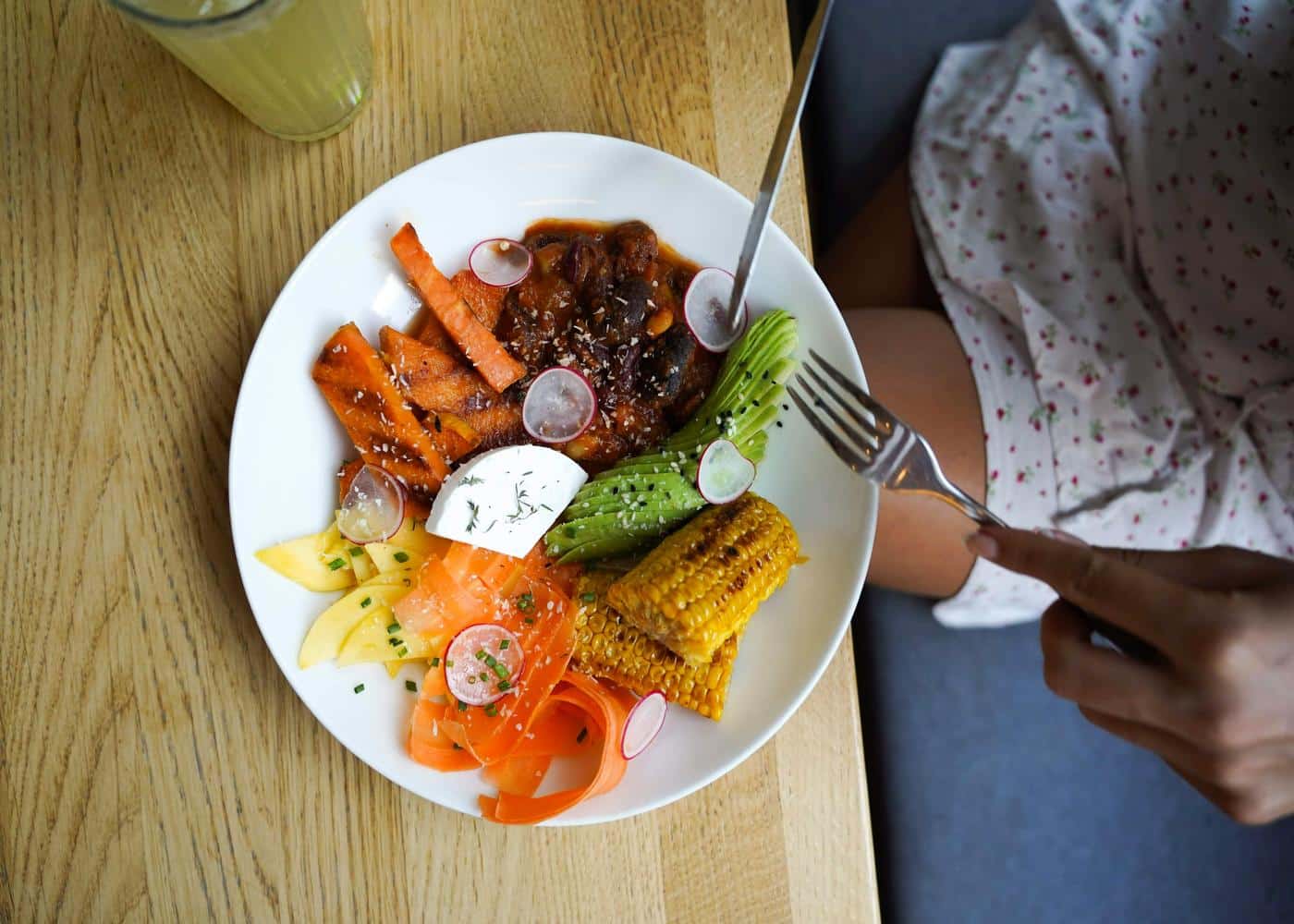
While the idea of "alkalizing" your blood pH is a common myth (your kidneys and lungs already maintain a tight balance between 7.35 and 7.45) the alkaline diet consistently delivers impressive, data-backed results for human health and performance.
The protocol functions as a powerful framework for nutritional density.
By focusing on "alkaline-forming" foods, you are essentially flooding your system with high-potassium vegetables, leafy greens, and essential micronutrients. Clinical studies show that shifting toward these whole-food sources can lead to several measurable benefits:
Cardiovascular Health: High-alkaline diets are naturally low in sodium and high in potassium, which is a proven combination for optimizing blood pressure and arterial function.
Lean Muscle Preservation: Research suggests that the minerals found in an alkaline-rich diet may help mitigate muscle wasting as we age, supporting better recovery for athletes and high-performers.
Metabolic Efficiency: By restricting "acidic" inputs like refined sugars and highly processed grains, the diet naturally stabilizes blood glucose and improves insulin sensitivity.
The verdict? While your body handles the pH balancing act on its own, the alkaline diet provides the premium fuel it needs to operate at its peak.
It works not by changing your chemistry, but by prioritizing the nutrient-dense foods that drive longevity and vitality.
Create a Custom Alkaline Diet Plan With Neura
Building an alkaline diet plan can feel overwhelming at first. Between food lists, pH balance, and conflicting advice, it is not always clear where to start.
Neura simplifies the process by turning a complex concept into a clear, personalized plan you can actually follow.
Instead of relying on generic alkaline food charts, Neura looks at your full health profile, including your current diet, lifestyle, and goals.
From there, it creates a tailored approach that helps you incorporate more alkaline-forming foods in a way that feels natural and sustainable.
Whether your focus is improving energy, supporting recovery, or rebalancing your nutrition, your plan is built around what works for you.
As your habits and data evolve, your alkaline diet evolves with you. Neura continuously refines your recommendations, helping you adjust food choices, portion sizes, and timing without needing to start from scratch.
You are not locked into a static plan. You are guided through a dynamic process that adapts to your progress.
The end result is a practical, flexible alkaline diet plan that fits into your daily life, making it easier to stay consistent and see meaningful results over time.
Final Thoughts: The Best Alkaline Diet Meal Plan
Changing dietary habits requires commitment, but relying on a structured 21-day plan makes the transition easier.
By focusing on whole, plant-based ingredients, you give your body a solid nutritional baseline. The objective is to make mindful choices that favor nutrient-rich produce over highly processed alternatives.
As you progress through the three weeks, pay attention to your digestion and daily energy levels. You will likely find that preparing these fresh meals becomes a natural part of your daily routine.
Once you complete the plan, you do not have to abandon your favorite alkaline recipes. You can carry these new habits forward and adjust the ratio of alkaline to acidic foods to fit a long-term lifestyle.
Stick to the scheduled meals, experiment with the ingredients, and listen to how your body responds.
Article FAQ
What is the 21-day alkaline diet?
The 21-day alkaline diet is a structured three-week meal plan designed to reduce your dietary acid load. It works by replacing processed items, refined sugars, and excessive animal proteins with nutrient-dense, alkaline-forming plant foods. By committing to leafy greens, fruits, and legumes for 21 days, you support your overall health, improve hydration, and give your digestive system a clean reset.
What does an alkaline diet consist of?
An alkaline diet consists primarily of whole, plant-based foods that leave an alkaline residue after digestion. The core ingredients include leafy greens, root vegetables, cruciferous vegetables, fresh fruits, raw nuts, seeds, and legumes. Conversely, the diet restricts acid-forming foods, meaning you will need to limit meat, dairy, refined grains, alcohol, and highly processed snacks to maintain a proper balance.
Can you drink coffee on an alkaline diet?
Coffee is considered highly acidic and is generally avoided or strictly limited when following an alkaline diet. Instead, herbal teas, matcha, and fresh lemon water serve as the preferred alkaline alternatives. If you choose to continue drinking coffee, you can reduce its acid load slightly by opting for dark roasts or cold brew preparation methods.
Are bananas alkaline or acidic?
Bananas are considered a highly alkaline-forming food once processed by your body. While they possess a slightly acidic pH before digestion, their rich potassium and magnesium content means they leave an alkaline residue after they are metabolized. This makes fresh bananas an excellent and convenient choice for anyone looking to build a balanced alkaline meal schedule.
Do you lose weight on an alkaline diet?
Yes, many people naturally lose weight when adopting an alkaline eating pattern. Because the diet eliminates highly processed foods, sugary drinks, and refined carbohydrates, your overall caloric intake naturally drops. By replacing those items with fiber-rich vegetables, fruits, and plant proteins, you stay full and satisfied longer while supporting sustainable weight management.
What meat can you eat on an alkaline diet?
All meat, including poultry, beef, and fish, is considered acid-forming and is typically omitted on a strict alkaline diet. However, many people find success using an 80/20 approach. By making 80 percent of your plate alkaline, you can use the remaining 20 percent for small portions of lean, high-quality proteins like wild-caught salmon or baked chicken breast.