
Nordic Diet: 7-Day Meal Plan, Recipes, and Expert Tips
Nutrition
Key Findings
The Nordic diet focuses on seasonal, locally sourced whole grains, root vegetables, and fatty fish to support heart health. By prioritizing fiber-rich ingredients and healthy fats while limiting processed foods, it offers an evidence-backed approach to improve metabolic markers and boost long-term well-being.

People are increasingly looking for ways to eat that support long-term health while staying kind to the planet.
The Nordic approach, inspired by Scandinavian traditions, focuses on sourcing local, seasonal ingredients. It shifts the focus away from obsessing over calories and toward choosing high-quality food.
A simple Nordic diet meal plan can help you bring these habits into your kitchen. Here are the key ideas, some recent research, and a clear plan to help you get started.
What is the Nordic Diet?

This style of eating supports both personal wellness and the environment. It highlights ingredients common to Northern Europe, relying on items that are grown, gathered, or caught in colder climates.
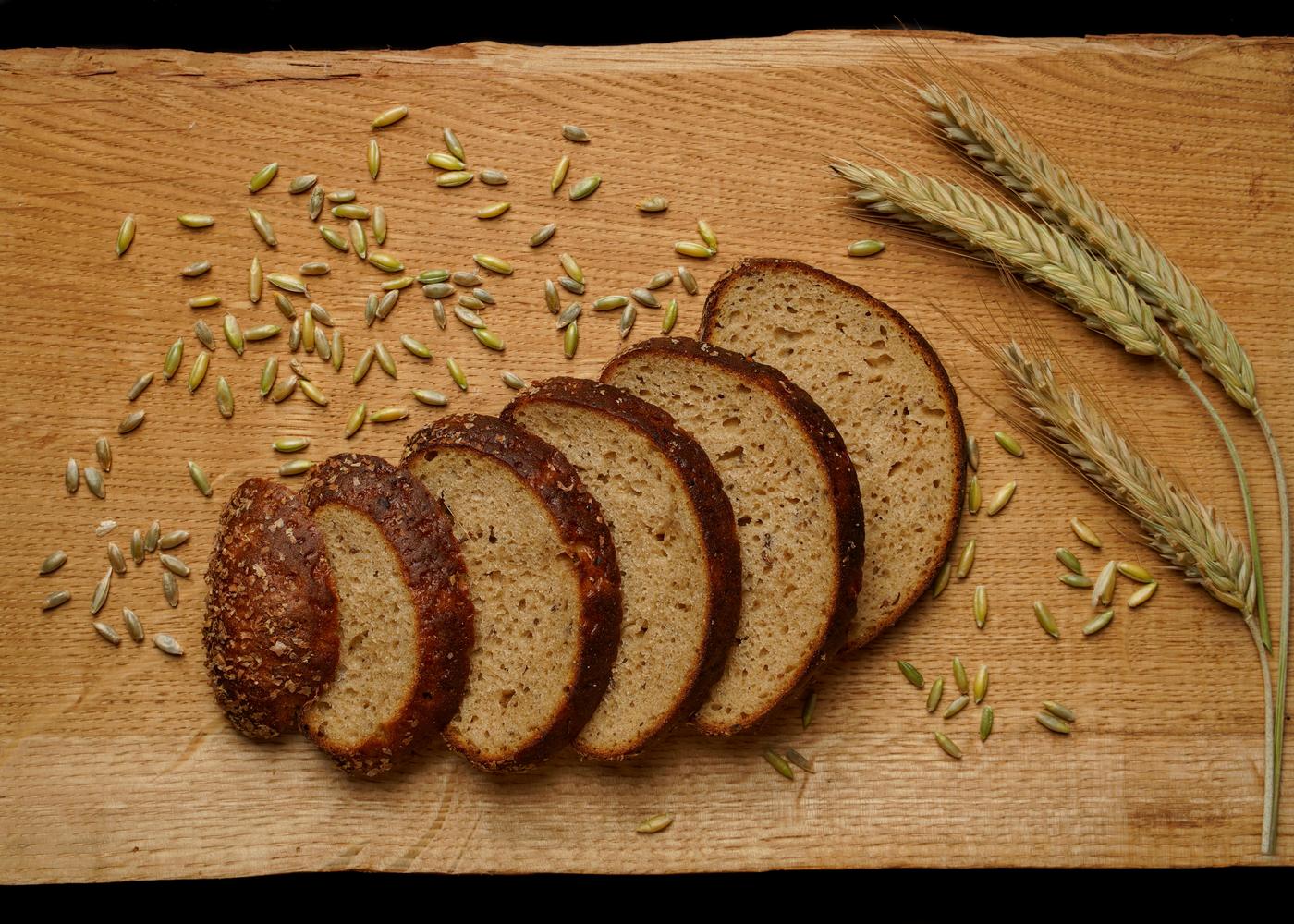
Common staples include whole grains like rye, barley, and oats, alongside root vegetables, cabbage, and cold-water fatty fish.
Rapeseed oil, often sold as canola oil in the United States, is the go-to cooking fat. It is chosen for its low saturated fat content and the way it boosts omega-3 intake.
This diet steps away from processed meats, sugary snacks, and packaged items. Instead, you get your protein from fish, legumes, and poultry.
By focusing on whole foods that require very little processing, you get a natural, heart-healthy way to fuel your body.
Nordic Diet Longevity Study: What the Experts Say
New research highlights how these eating habits affect health over time. A late 2024 analysis published in the journal Current Developments in Nutrition looked at how adhering to updated Nordic nutrition recommendations affects life expectancy.
Researchers used data from eight different countries to estimate potential gains. Following these recommendations could add up to seven years to someone's life expectancy in some regions.
The study found that the biggest benefits came from eating more legumes, whole grains, and nuts, along with cutting down on processed meats and sugars.
These findings align with data showing that these habits help manage blood pressure, fasting glucose, and lipid levels.
The evidence suggests that picking fiber-rich, local ingredients really does make a difference in how long and how well we live.


7-Day Nordic Diet Meal Plan
Having a clear schedule makes it much easier to shift your habits. This seven-day plan balances nutrients while sticking to traditional Scandinavian staples.
Day 1
Kick off your week with fiber-rich staples that keep your energy levels steady throughout the day.
Breakfast: Steel-cut oats topped with blueberries and walnuts. Steel-cut oats are a great fiber source that helps keep blood sugar steady. Making these the night before is an easy way to stay on track.
Lunch: An open-faced sandwich on 100 percent rye bread, topped with smoked salmon, dill, and cucumber. Rye is a standard staple that provides energy that lasts well into the afternoon.
Dinner: Baked cod with roasted root vegetables like carrots, beets, and parsnips. Using cold-pressed rapeseed oil during roasting brings out the flavor and helps your body absorb the nutrients.
Snack: A green apple and a handful of almonds offer a solid, easy mix of carbs and healthy fats.
Day 2
Focus on gut-healthy grains and warming, nutrient-dense ingredients to power through your afternoon.
Breakfast: Skyr topped with blackberries. Skyr is a cultured dairy product with more protein than many standard yogurts, which is great for staying full.
Lunch: Barley salad with roasted beets, goat cheese, and a vinaigrette made with rapeseed oil and apple cider vinegar. Barley is a sturdy grain that supports digestion and adds a nice texture to salads.
Dinner: Chicken and cabbage stew with vegetable broth, onions, and garlic. Cabbage is a tough, nutrient-dense vegetable that is perfect for slow-cooked, warming meals.
Snack: Seeded crispbread with mashed peas and mint.
Day 3
Incorporate essential omega-3s and smart leftovers to make your day both healthy and efficient.
Breakfast: Scrambled eggs cooked in rapeseed oil, served with sautéed spinach and toasted rye bread. The spinach provides iron, and the rye adds the fiber you need to feel satisfied.
Lunch: Leftover chicken and cabbage stew. Using leftovers is an efficient, sensible way to cut down on food waste.
Dinner: Pan-seared mackerel with boiled new potatoes and pickled red onions. Mackerel is a significant source of the omega-3 fatty acids that are key to this way of eating.
Snack: Skyr with a spoonful of plain oats and cinnamon.
Day 4
Embrace plant-based proteins and natural sweetness for a balanced day of eating.
Breakfast: Oat flour pancakes with a compote of warmed raspberries. Oat flour adds more fiber than refined wheat flour.
Lunch: Split pea soup with carrots and celery. Legumes are a reliable source of plant-based protein and fiber to keep your digestion moving well.
Dinner: Turkey meatballs with lingonberry preserve and mashed turnips. This uses the tartness of berries for flavor instead of relying on heavy cream sauces.
Snack: Carrot and celery sticks with a white bean puree.
Day 5
Enjoy nutty grains and sustainable protein sources to keep your meals interesting and satisfying.
Breakfast: Barley porridge made with unsweetened almond milk and topped with sliced pears. Barley has a nutty texture that is a nice change from the usual breakfast grains.
Lunch: Mixed greens salad with sardines, cherry tomatoes, and a hard-boiled egg. Sardines are a budget-friendly, sustainable protein source that is simple to keep on hand.
Dinner: Baked salmon with lemon, dill, quinoa, and green beans. Quinoa is a versatile grain that fits well with these goals.
Snack: A mix of unsalted walnuts and hazelnuts.
Day 6
Maximize seasonal produce and simple healthy fats for a refreshing end to the work week.
Breakfast: Rye bread toast with mashed avocado and sea salt. This is an easy way to get healthy plant-based fats.
Lunch: Cold potato salad with a mustard-rapeseed oil dressing, herbs, and grilled chicken breast. This is a light alternative to typical mayonnaise-based salads.
Dinner: Root vegetable hash with sweet potatoes, parsnips, and onions, topped with a fried egg. This vegetarian option makes the most of seasonal produce.
Snack: Mixed fresh berries.
Day 7
Wind down with satisfying textures and warm, comforting flavors to prepare for the week ahead.
Breakfast: Skyr with toasted buckwheat groats and strawberries. Buckwheat adds a nice crunch when lightly toasted.
Lunch: Open-faced roast beef sandwich on crispbread with mustard and arugula. Crispbread is great to have in the pantry for when you want a quick meal.
Dinner: Lentil and mushroom stew. Mushrooms add a savory, umami flavor, while lentils contribute plenty of fiber.
Snack: A baked apple with cardamom and cinnamon.
Nordic Diet vs Mediterranean Diet: Which is Better?
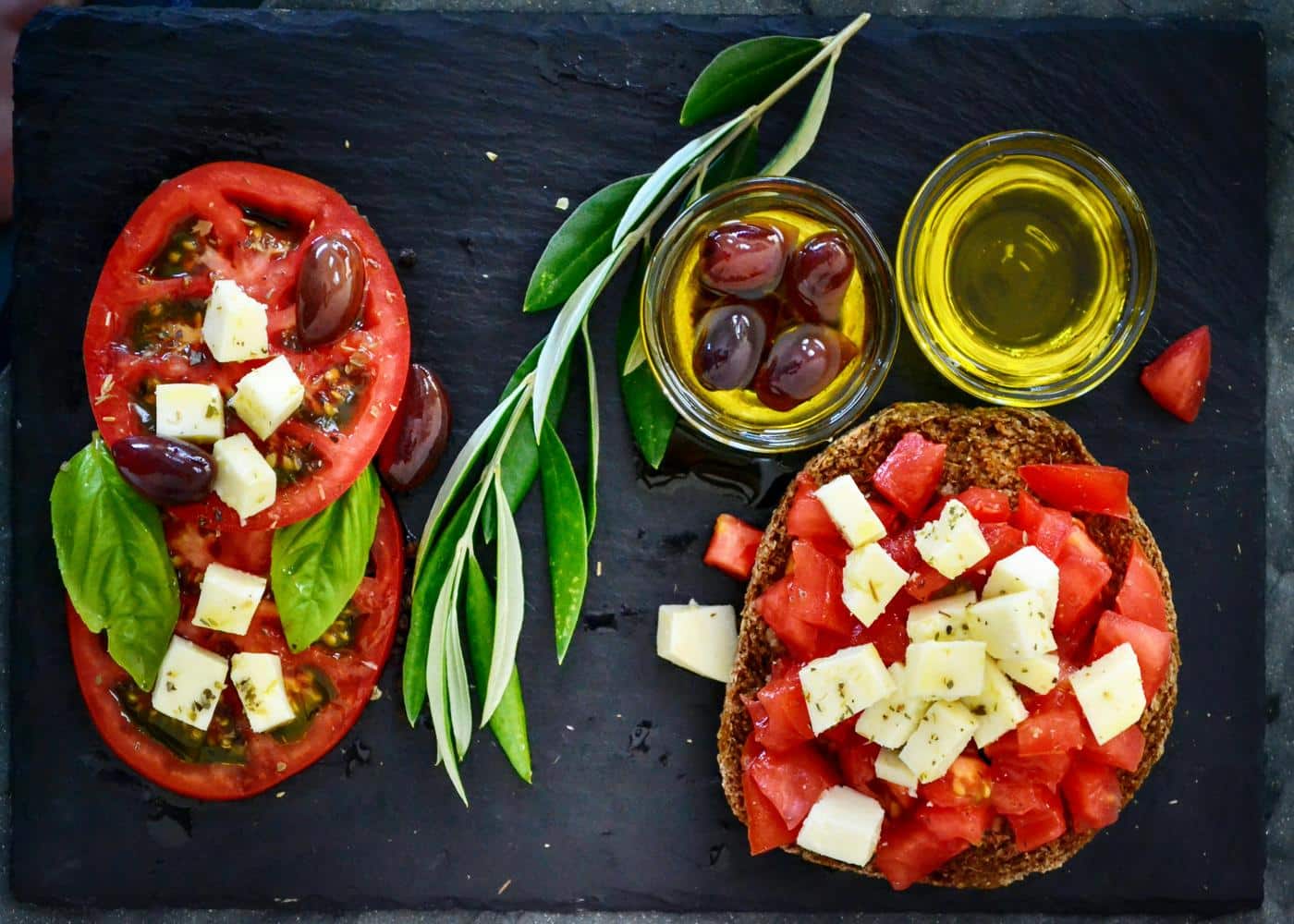
While the Mediterranean diet is often talked about as the standard for heart health, the Scandinavian approach offers a similar philosophy with a different focus.
Both highlight whole plants and limited processed foods, but they draw from different regional resources.
The Mediterranean style relies on olive oil, wheat, and citrus, reflecting a warmer climate.
The Nordic style utilizes rapeseed oil, rye, barley, and hardy root vegetables suited for colder regions.
Pros and Cons of the Nordic Diet
This eating style highlights sustainability and steady blood sugar, though it relies on what is in season.
Pros:
Supports the environment through local, seasonal eating.
Helps keep blood sugar steady due to high fiber from rye and barley.
Provides high levels of omega-3s via cold-water fish and rapeseed oil.
Encourages eating what is available locally.
Cons:
Seasonal changes can limit variety during the winter.
Fresh berries and specific fish can be pricey depending on where you live.
Traditional fermented dairy or fish products are not for every taste.
Pros and Cons of the Mediterranean Diet
This way of eating is widely accessible and flexible, though it may have a larger environmental footprint depending on where you shop.
Pros:
Ingredients are easy to find in most grocery stores.
The flavors are generally well-liked and easy to work with.
It is very flexible, making it simple to keep up with when traveling or dining out.
Decades of research back its benefits for heart health.
Cons:
Shipping fresh produce across climates for a year-round supply increases the carbon footprint.
Relying on refined white pasta or bread can undo the health benefits if you don't pick whole grains.
High-quality extra virgin olive oil can be a high recurring cost.
Build Your Own Meal Plan with Neura
Keeping track of what you eat can be a hassle, especially when you want to balance your macros and find meals that actually taste good. Finding specific Nordic diet recipes can take time, but Neura keeps everything in one place.
You can input your own goals, change portion sizes, and create shopping lists based on what is available at your local store. The app also works with your health data to give you useful insights.
For example, if your recovery score shows poor sleep, Neura might suggest an easily digestible meal rich in omega-3s, like smoked salmon on crispbread, instead of a heavy barley bowl.
By paying attention to how you feel, the app makes it easier to keep up with your routine.

Final Thoughts: The Nordic Diet in 2026
How we eat, and how that affects the planet, is becoming a bigger part of the conversation.
The Nordic diet isn't a temporary fix or a fad; it is just a sensible way to eat.
By focusing on whole grains, quality fats, and seasonal ingredients, you can support your heart health and longevity.
Trying a few of these staples is a simple way to see how they affect your energy levels day-to-day.
Article FAQ
What is the Nordic Diet?
The Nordic diet is an eating style inspired by traditional Scandinavian food habits. It prioritizes whole, local ingredients like rye, oats, barley, root vegetables, cabbage, and cold-water fish. Instead of processed goods and added sugars, it focuses on nutrient-dense foods and healthy fats like rapeseed oil to support heart health and wellness.
What can you eat on the Nordic Diet?
You can eat a variety of whole foods, primarily focusing on seasonal produce and lean protein. Key staples include fatty fish (like salmon and mackerel), whole grains (especially rye and barley), root vegetables (like carrots and parsnips), berries, legumes, and cultured dairy like skyr. The goal is to choose minimally processed items that are locally sourced whenever possible.
Can the Nordic diet help you live longer?
Yes, research suggests that adopting these eating habits may support longevity. Studies have linked this way of eating to improved markers for heart health, such as lower blood pressure and better cholesterol levels. By prioritizing fiber-rich plants and healthy fats while reducing processed meats and sugars, you provide your body with the nutrients needed for long-term health.
Is the Nordic diet better than the Mediterranean diet?
Neither is objectively "better," as both are highly effective for health. The Mediterranean diet is generally easier to follow globally because the ingredients are common in most grocery stores. The Nordic diet is often considered more sustainable for those living in cooler climates, as it emphasizes regional, cold-weather crops. The best choice depends on your location, budget, and personal taste.
Does the Nordic diet require expensive supplements?
No, this approach focuses entirely on whole foods. The goal is to get all necessary nutrients, including omega-3 fatty acids and fiber, through your daily meals. By choosing oily fish, nuts, and high-quality vegetable oils, you can meet your nutritional needs without relying on extra pills or powders.
How do I start the Nordic diet if I don't live in Scandinavia?
You can adapt these principles to your local grocery store by focusing on the core categories rather than specific regional brands. Swap refined wheat bread for 100 percent rye or dense whole-grain loaves, choose seasonal root vegetables instead of imported greens during winter, and make fatty fish your go-to protein. The focus is on the type of food, whole, seasonal, and minimally processed, rather than needing imported products.