
11-Day Fast Track Detox Diet: Complete Step-by-step Guide
Nutrition

Key Findings
The 11-Day Fast Track Detox Diet is a three-phase reset focused on digestive rest and liver support. It features a seven-day whole-food preparation phase, a one-day liquid fast, and a three-day reintroduction period. By eliminating sugars, caffeine, and common allergens, the protocol reduces metabolic strain and helps establish sustainable nutritional habits.

Modern dietary habits frequently include a substantial intake of ultra-processed foods, refined sugars, artificial additives, and chemical preservatives.
Over time, these daily dietary choices can leave individuals feeling sluggish, chronically bloated, and experiencing systemic fatigue.
The continuous digestion of heavy, nutrient-poor foods places a metabolic burden on the gastrointestinal tract and the natural filtration organs.
The 11-day fast track detox diet offers a specific, manageable timeline designed to help the body transition away from processed foods and move toward nutrient-dense, whole-food eating.
The program is a structured nutritional protocol that focuses on resting the digestive system, supporting the liver and kidneys, and identifying potential food sensitivities that may cause underlying inflammation.
By committing to an eleven-day window, individuals give their stomach, intestines, and pancreas a temporary break from the daily requirement of breaking down complex, chemically altered meals.
What is the Fast Track Detox Diet?

The dietary protocol is a targeted nutritional reset broken down into three distinct, carefully managed phases over the course of eleven days.
Originating from the fast track detox diet Gittleman protocol, the core philosophy of the system is built around the biological premise that the liver and the colon occasionally require targeted nutritional support to function at their optimal capacity.
The timeline is divided to ensure the body is properly prepared for a brief period of liquid fasting, followed by a systematic reintroduction to solid foods.
The first seven days serve as the preparation phase, where common dietary irritants and inflammatory triggers are removed from daily meals.
Day eight operates as the fasting phase, involving a specific, nutrient-dense liquid blend designed to maintain cellular hydration while keeping overall caloric intake low.
The final three days constitute the reintroduction phase, dedicated to slowly bringing back light, easily digestible foods to gently reactivate the digestive enzymes.
Fast Track Diet: Key Benefits
Committing to the eleven-day protocol provides several physiological and psychological advantages. While individual results vary based on starting health metrics and adherence to the phase rules, the primary benefits include the following:
Enhanced Digestive Rest: The reliance on whole foods followed by a liquid fasting day gives the stomach, small intestine, and pancreas a metabolic break from the energy-intensive work of breaking down complex proteins and artificial food additives.
Targeted Liver Support: The specific foods emphasized during the preparation phase, particularly green cruciferous vegetables, provide the organic compounds and antioxidants the liver utilizes to process and eliminate metabolic waste products.
Identification of Food Sensitivities: By removing common dietary allergens like cow-based dairy and wheat gluten for a week and slowly reintroducing them, individuals can observe if those specific foods cause subtle bloating, brain fog, or joint inflammation.
Reduction of Sugar Cravings: Going seven consecutive days without refined sugars or artificial sweeteners alters the palate and resets dopamine responses to food, making it easier to select healthier choices once the protocol is completed.
Improved Systemic Hydration Levels: The protocol requires an increase in daily pure water intake. Sustained hydration supports overall cellular function, assists kidney health, flushes out water-soluble waste, and helps maintain skin elasticity.


11-Day Fast Track Diet Meal Plan

Completing the program requires deliberate meal planning. Because the fast track detox diet eliminates heavily processed convenience foods, individuals will need to prepare the majority of their meals from scratch. The success of the protocol relies on daily consistency and adherence to the daily rules.
Day 1: Baseline Preparation
Setting the foundation requires immediate hydration. Start the morning with twelve ounces of warm, filtered water mixed with the juice of half a fresh lemon to stimulate gastric juices and promote early digestion.
Breakfast is a simple, nutritious vegetable scramble utilizing two whole organic eggs and a large handful of fresh spinach, cooked in a teaspoon of extra virgin olive oil.
Lunch must provide sustained energy throughout the afternoon. A large salad composed of mixed dark leafy greens, sliced cucumbers, raw bell peppers, and half of a fresh avocado provides dietary fiber. Top the salad with a standard serving of grilled chicken breast.
For dinner, keep the ingredients warm and relatively easy to digest. Steamed broccoli florets and roasted asparagus paired with a lean baked turkey patty work well.
Day 2: Sustaining Energy
Continue the morning hydration habit with warm lemon water upon waking.
Breakfast features a bowl of chia seed pudding made the night before with unsweetened almond milk, topped with raw pumpkin seeds for essential fatty acids.
Lunch consists of baked wild-caught salmon served over a bed of lightly steamed kale and asparagus, drizzled with fresh lemon juice.
Dinner is designed to be comforting but compliant. Prepare a vegetable soup made with clear, low-sodium chicken broth, sliced zucchini, chopped carrots, and shredded organic chicken breast.
Day 3: Liver Support Focus
Begin with the standard morning lemon water.
Prepare breakfast by poaching two eggs and serving them with a side of sautéed Brussels sprouts. The sulfur compounds in the sprouts specifically target liver enzymes.
Lunch is a crunchy chopped salad utilizing shredded green cabbage, diced cucumbers, and a simple olive oil and lemon dressing, topped with lean ground turkey.
Dinner features a portion of roasted cauliflower tossed in dried herbs and a piece of baked white fish, ensuring protein intake remains adequate while keeping the digestive load light.
Day 4: Hydration and Fiber
Morning hydration remains crucial.
Breakfast includes a green smoothie made by blending fresh spinach, half of a green apple, a tablespoon of ground flaxseeds, and pure water.
Lunch is straightforward and easily portable for those working. Grill a chicken breast and slice it over a bed of raw spinach, adding sliced avocado and a tablespoon of olive oil.
Dinner involves creating roasted zucchini boats. Halve two zucchinis, scoop out the center, and stuff them with lean ground turkey and diced bell peppers before baking until tender.
Day 5: Deepening the Elimination
Start with the morning lemon water.
Breakfast is a serving of gently sautéed asparagus spears paired with two soft-boiled eggs.
Lunch consists of a mixed green salad sprinkled with raw pumpkin seeds, sliced crisp radishes, and leftover baked salmon from a previous dinner.
Dinner focuses on cruciferous vegetables. Steam a portion of green cabbage and pair it with a baked chicken breast, finishing the meal with a drizzle of cold-pressed flaxseed oil over the vegetables.
Day 6: Pre-Fast Tapering
As the fasting day approaches, meals begin to shrink in volume. Start with morning lemon water.
Follow it with a breakfast consisting of a mix of steamed spinach and a small portion of cooked ground turkey.
Lunch is a refreshing, light cucumber and tomato salad dressed with olive oil, paired with a small piece of baked white fish.
Dinner is exclusively vegetable-based to begin emptying the digestive tract. Consume a bowl of steamed broccoli and cauliflower with a squeeze of fresh lemon juice and no heavy proteins.
Day 7: Final Preparation
The day before the liquid fast requires eating foods that digest rapidly. Begin your morning with lemon water.
Follow it with a liquid breakfast. Blend a green smoothie utilizing fresh kale, cucumber, a tablespoon of chia seeds, and water.
Lunch is a very light, warm broth-based vegetable soup containing soft, boiled zucchini and carrots.
Dinner must be small. Consume a minor portion of steamed asparagus and a light green side salad dressed in lemon juice to ensure the gastrointestinal tract is as clear as possible heading into the twenty-four-hour liquid fast.
Day 8: The Fast Phase
Solid food is removed from the daily schedule. Throughout the waking hours, individuals consume a mineral-rich liquid mixture.
The specific mixture is composed of pure, unsweetened cranberry juice, filtered water, fresh citrus juice from a lemon or orange, and a warming, digestion-stimulating spice such as ground cinnamon or fresh grated ginger.
Drink this liquid mixture at regular intervals, usually every two hours.
This process maintains cellular hydration, supports kidney filtration through the organic acids in the cranberry juice, and prevents electrolyte imbalances while the digestive organs rest.
Day 9: Gentle Reintroduction
After twenty-four hours of liquid fasting, the body must be eased back into digesting solid matter slowly. The day starts exclusively with warm, clear vegetable broths to wake up the stomach lining.
By the afternoon, introduce plain, steamed spinach and small portions of soft, raw fruit like peeled apples or blueberries.
Dinner remains mostly liquid-based with a slightly thicker vegetable broth. It is important to chew any solid food extensively on this day to assist the mechanical breakdown process before the food reaches the stomach.
Day 10: Introducing Light Proteins
The digestive system is ready for slightly more complex foods. The morning features a bowl of steamed mixed vegetables or a small portion of soft berries.
For lunch, safely reintroduce light proteins. Prepare a small portion of poached white fish and serve it alongside steamed zucchini. Digestion should be monitored closely for any signs of cramping.
Dinner can include a single soft-boiled egg added to a bowl of steamed spinach, slowly bringing fat and protein back into the evening routine.
Day 11: Return to Baseline
The digestive tract is now prepared to handle the standard preparation phase diet again.
Begin with morning lemon water and a vegetable scramble utilizing two whole eggs and spinach.
Lunch is a mixed greens salad with sliced avocado and a full serving of grilled chicken breast.
Dinner is roasted asparagus and a baked turkey patty. By the end of the eleventh day, the digestive system is active, rested, and prepared to handle a standard, whole-food diet moving forward without the burden of processed ingredients.
Fast Track Diet Food List
To navigate the preparation and reintroduction phases without making errors that could compromise the reset, individuals must familiarize themselves with the approved and prohibited ingredients.
To make grocery shopping simple and efficient, it is necessary to adhere strictly to the fast track diet food list.
The approved foods are straightforward and focus on natural, single-ingredient items.
Individuals may eat abundant amounts of non-starchy vegetables. The most important vegetables to purchase include broccoli, cauliflower, green cabbage, Brussels sprouts, spinach, kale, zucchini, and asparagus.
For daily protein requirements, the focus should remain on high-quality, lean sources like organic chicken breast, lean ground turkey, whole eggs, and wild-caught fish varieties.
Healthy fats are important for maintaining satiety and supporting proper hormone health during the caloric deficit. The grocery list should include extra virgin olive oil, cold-pressed flaxseed oil, whole avocados, and raw, unsalted seeds like pumpkin or sunflower seeds.
Conversely, the list of foods to avoid is strict.
Individuals must eliminate all forms of refined sugars and artificial sweeteners. The ban includes standard cane sugar, high fructose corn syrup, aspartame, and sucralose.
All animal-based dairy products, including milk, processed cheese, and yogurt, must be removed.
All gluten-containing grains, including wheat, barley, and rye, are forbidden.
Furthermore, to give the liver a comprehensive rest, individuals must abstain from all alcoholic beverages and all caffeinated drinks, including standard coffee, espresso, and traditional black teas.
Adhering to these parameters ensures the removal of the most common inflammatory dietary triggers from the biological system.
What Does the Science Say About the Fast Track Detox Diet?
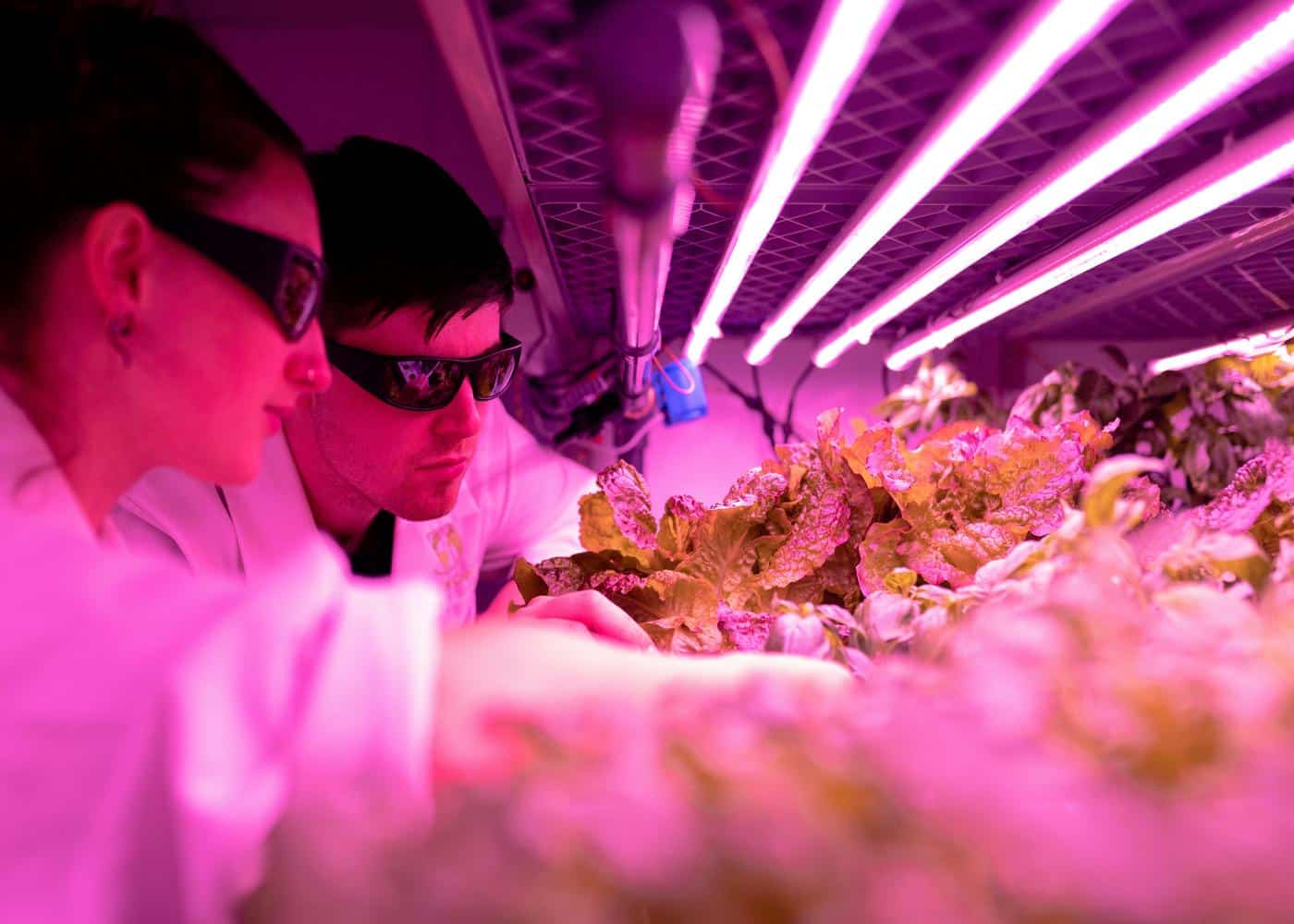
When evaluating any nutritional protocol, looking closely at the underlying physiological science is important. The mainstream medical community maintains a firm stance on the concept of human detoxification.
The human body has efficient, built-in mechanisms for filtering waste, primarily relying on the liver and kidneys. Therefore, no specific dietary protocol directly extracts physical toxins from human tissues.
However, peer-reviewed science supports the practical dietary shifts encouraged by this structure. By removing refined sugars, saturated trans fats, and all alcohol for over a week, individuals reduce the daily filtration workload placed directly on the liver.
The emphasis on consuming quantities of cruciferous vegetables during the preparation phase is scientifically sound because vegetables like broccoli contain glucosinolates. These biological compounds directly stimulate the specific liver enzymes required for waste processing.
Furthermore, the one-day liquid fasting component introduces a mild state of autophagy, a natural cellular cleanup process where the body breaks down damaged or aging cells. Short-term caloric restriction is a recognized physiological method to trigger this cellular response and lower systemic insulin levels.
Final Thoughts: The Fast Track Detox
Embarking on the eleven-day protocol is a defined way to reset potentially damaging nutritional habits. It is a short-term commitment requiring upfront meal planning and a willingness to step away from modern convenience foods.
While not meant to be a permanent way to eat, it serves as an effective stepping stone for making sustainable lifestyle changes.
By experiencing how the body operates without refined sugar and processed carbohydrates, individuals gain insight into how whole foods directly impact daily energy levels and digestive comfort.
Always consult with a primary care physician or a licensed registered dietitian before beginning any new dietary regimen involving a dedicated period of liquid fasting.
Article FAQ
What is the fast-track diet?
The fast track diet is an eleven-day nutritional reset divided into three phases. It involves a seven-day preparation phase of eating whole foods, a one-day liquid fast to rest the digestive system, and a three-day reintroduction phase. The protocol eliminates refined sugars, dairy, gluten, and caffeine to reduce metabolic strain on the liver and kidneys. By removing processed ingredients, the program helps identify food sensitivities and encourages a transition toward long-term, nutrient-dense eating habits.
Can you drink coffee on the fast-track detox diet?
No, coffee and all other caffeinated beverages are strictly prohibited during the entire eleven-day program. Caffeine requires processing by the liver. Removing it allows the organ to fully rest and efficiently clear out metabolic waste. If you experience caffeine withdrawal headaches during the first few days, increasing your pure water intake can help alleviate the symptoms.
Will I lose weight on the eleven-day detox?
Many individuals experience weight loss during the eleven days due to the severe reduction in caloric intake and the complete elimination of heavy carbohydrates. A significant portion of this initial drop is often water weight. The primary goal of the protocol is digestive rest and resetting nutritional habits rather than sustained, long-term fat loss.
What are the side effects of the liquid fast day?
During day eight of the liquid fast, it is common to experience mild fatigue, lightheadedness, or hunger pangs because your body is adjusting to a temporary calorie deficit. To minimize physical discomfort, it is highly recommended to limit strenuous physical activity, stay highly hydrated with the prescribed cranberry liquid mixture, and prioritize adequate sleep.
How should I measure my progress during the program?
Beyond monitoring changes in daily energy and digestion, tracking your biometric data provides an objective view of how your system is adjusting. Keeping an eye on your wearable metrics, such as improvements in resting heart rate and sleep quality, translates the dietary changes into actionable wellness insights. This approach allows you to focus on physical health markers rather than fixating solely on the bathroom scale.
How often can you do the fast track detox?
Nutritionists generally recommend completing a strict nutritional protocol like this no more than two to three times per year. It is designed as a temporary reset rather than a continuous cycle. The best approach is to use the eleven days to build sustainable, whole-food habits that make frequent, strict resets entirely unnecessary.