Table of Contents

Share this Article

The Ultimate 21-Day Cortisol Detox Diet and Meal Plan

Nutrition

58 minutes reading time

58 min read time

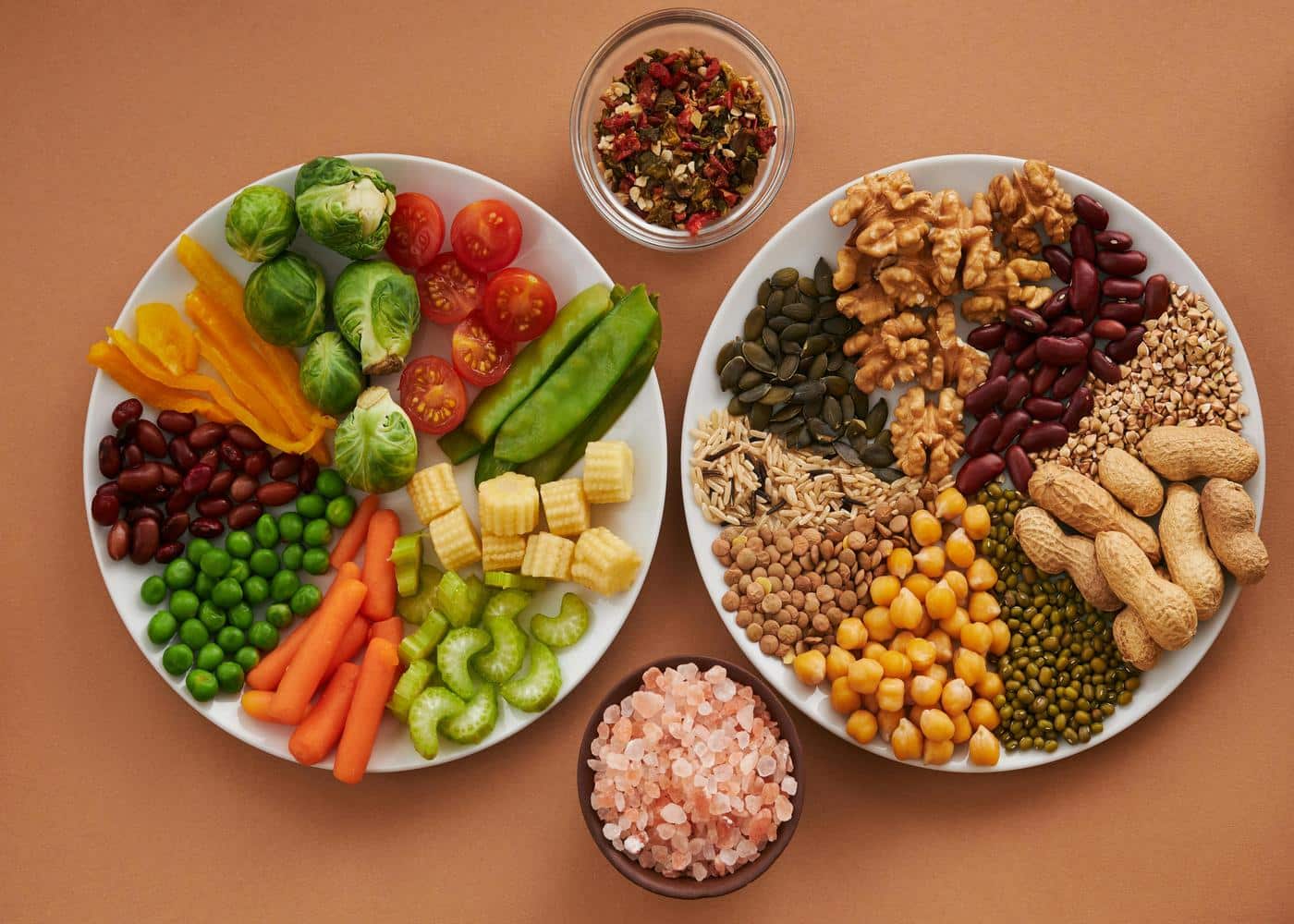
Two plates filled with seeds, nuts and vegetables to showcase a cortisol detox diet plan

Key Findings

A true cortisol detox relies on consistent daily habits rather than restrictive liquid cleanses. By following a structured 21-day routine focused on nutrient-dense whole foods to stabilize blood sugar, alongside strict sleep hygiene and low-intensity movement, you can effectively support your adrenal glands and regulate your nervous system for long-term stress relief.
When you experience stress, your adrenal glands release cortisol to help you manage the immediate situation. 

However, prolonged stress can lead to chronically elevated cortisol levels, which often result in fatigue, difficulty sleeping, and changes in appetite. 

Addressing this requires a consistent approach to your daily habits. A well-structured cortisol detox challenge offers a practical method to stabilize your routine and support your overall well-being over a three-week period.

What is a Cortisol Detox?

Woman laying in a hammock outside

A cortisol detox is a targeted lifestyle and dietary protocol designed to lower chronically elevated stress hormones. 

Biologically, your body does not need to flush out cortisol like a physical toxin. Instead, a cortisol detox works by temporarily removing internal and external stressors so your adrenal glands have the opportunity to reset. 

This involves a structured period of prioritizing specific nutrient-dense foods, strictly regulating your sleep schedule, and practicing active stress reduction. 

The goal is to consistently signal safety to your central nervous system, which stops the continuous overproduction of stress hormones and allows your baseline cortisol levels to return to a natural rhythm.


What About a Cortisol Detox Diet?

The cortisol detox diet is the primary mechanism used to drive this internal reset. While sleep and stress management are vital components, your daily nutrition directly dictates your internal biological stress levels. 

This specific diet executes the detox by eliminating the dietary triggers that force your body into a state of chemical panic. 

Sharp increases and sudden drops in blood glucose automatically prompt the body to release cortisol as an emergency response. 

By consistently consuming meals rich in fiber, lean protein, and healthy fats at regular intervals, the diet actively prevents these severe blood sugar fluctuations. 

It serves as the stabilizing force of the entire detox protocol, providing your adrenal glands with the precise micronutrients required to recover and function normally.


Which Foods Reduce Cortisol?


  • Wild-caught salmon: Contains omega-3 fatty acids that help regulate the body's stress response.


  • Blueberries: Rich in vitamin C, which is utilized by the adrenal glands during times of stress.


  • Rolled oats: A complex carbohydrate that supports steady digestion and blood sugar stability.


  • Spinach: Provides dietary magnesium, a mineral involved in regulating nerve function.


  • Avocados: Supply monounsaturated fats that aid in satiety and nutrient absorption.


  • Pumpkin seeds: Contain zinc and magnesium, which are necessary for neurological health.


  • Green tea: Offers L-theanine, an amino acid associated with relaxation without drowsiness.


  • Walnuts: Provide plant-based omega-3s and compounds that support cognitive function.


  • Kimchi: A fermented food that supplies probiotics for gut health, which is linked to mood regulation.

Our 21-Day Cortisol Detox Diet Plan

Weekly planner sitting next to a cup of tea

Establishing consistent eating habits over three weeks requires a focus on nutrient density and meal timing. 

A structured, free cortisol detox plan removes the guesswork from daily meal preparation and helps you maintain steady energy levels.


Week 1

This initial week focuses on establishing a foundation of blood sugar stability with simple, nutrient-dense meals.


Day 1

Breakfast: Blueberry and walnut oatmeal. Cook half a cup of rolled oats with one cup of unsweetened almond milk on the stovetop until the liquid is absorbed. Remove from heat and stir in half a cup of fresh blueberries and one tablespoon of chopped walnuts. 

Oats are a complex carbohydrate that digests slowly, providing a steady release of glucose into your bloodstream. This prevents the sharp insulin spikes that can trigger early morning cortisol release.

Tip: Adding a pinch of cinnamon to the oats can enhance the flavor profile without requiring any added sugars, while also supporting insulin sensitivity.

Lunch: Grilled chicken and quinoa salad bowl. Combine half a cup of cooked quinoa with two cups of mixed greens, chopped cucumbers, and halved cherry tomatoes. Top with four ounces of sliced grilled chicken breast. Dress with one tablespoon of olive oil mixed with fresh lemon juice. 

Quinoa provides all nine essential amino acids, making it a complete plant protein that supports tissue repair.

Tip: Preparing a larger batch of quinoa in advance will save you time on meal assembly later in the week.

Dinner: Baked salmon with roasted asparagus. Season a four-ounce salmon fillet with dill and bake at 375 degrees Fahrenheit until cooked through. Serve with a side of asparagus spears tossed in olive oil and roasted.

Snacks: One sliced green apple and one tablespoon of almond butter.


Day 2

Breakfast: Spinach and feta egg scramble. Whisk two whole eggs with one egg white. Cook in a nonstick skillet with one cup of fresh spinach and one tablespoon of crumbled feta cheese. 

Eggs supply high-quality protein and choline, a nutrient that supports brain health and cellular membrane structure. The protein content ensures you remain full throughout the morning, preventing hunger-induced stress signaling.

Tip: Cook the eggs over medium-low heat to maintain a soft texture and preserve the integrity of the fats in the yolk.

Lunch: Turkey and avocado whole wheat wrap. Layer a whole wheat tortilla with three ounces of sliced roasted turkey breast, a quarter of a sliced avocado, lettuce, and tomato. 

The whole wheat tortilla provides dietary fiber, while the avocado offers healthy fats that slow the digestion of the carbohydrates. This combination ensures a prolonged release of energy during the afternoon.

Tip: Substitute mayonnaise with a spoonful of hummus or a light spread of Dijon mustard to keep the fat profile focused on unsaturated sources.

Dinner: Ground turkey and white bean chili. Brown lean ground turkey with diced onions and bell peppers. Add a can of rinsed white beans, crushed tomatoes, and chili powder, simmering until thickened. 

Beans are an excellent source of soluble fiber, which supports healthy cholesterol levels and prolonged satiety.

Snacks: A quarter cup of pumpkin seeds and half a cup of baby carrots.


Day 3

Breakfast: Greek yogurt parfait with mixed seeds. Layer one cup of plain Greek yogurt with one tablespoon of chia seeds, one tablespoon of ground flaxseeds, and half a cup of sliced strawberries. 

Greek yogurt is produced by straining regular yogurt, resulting in a higher protein concentration. It also contains live bacterial cultures that support the gut microbiome, playing a role in the gut-brain axis and overall mood regulation.

Tip: Allow the parfait to rest in the refrigerator for ten minutes before eating so the chia seeds can absorb moisture and soften.

Lunch: Lentil and vegetable soup. Heat a portion of lentil soup prepared with carrots, celery, and vegetable broth. 

Lentils are a legume rich in folate and iron. Iron is necessary for transporting oxygen in the blood, which helps maintain energy levels and prevents the fatigue often associated with chronic stress.

Tip: Serve the soup with a small side salad of mixed greens dressed with a basic vinaigrette to increase your intake of fresh, raw vegetables for the day.

Dinner: Baked chicken thighs with roasted sweet potatoes. Coat two bone-in chicken thighs with a small amount of olive oil and paprika, baking until the internal temperature reaches 165 degrees Fahrenheit. Serve alongside cubed sweet potatoes roasted until tender. 

Sweet potatoes provide complex carbohydrates and beta-carotene.

Snacks: One ounce of dry-roasted almonds and a cup of green tea.


Day 4

Breakfast: Green protein smoothie. Blend one cup of unsweetened almond milk with a handful of spinach, half a frozen banana, one scoop of plain protein powder, and one tablespoon of almond butter. 

Liquid meals like smoothies are easier for the digestive system to process. This recipe provides a balanced ratio of macronutrients while incorporating leafy greens, which supply magnesium needed for biochemical reactions in the body.

Tip: Include a small slice of fresh ginger root in the blender. Ginger contains gingerol, a substance with anti-inflammatory properties that also aids in digestion.

Lunch: Tuna salad over mixed greens. Combine one can of water-packed tuna with one tablespoon of plain Greek yogurt, diced celery, and lemon juice. Serve over a bed of spring greens. 

Tuna is a convenient source of eicosapentaenoic acid and docosahexaenoic acid. These omega-3 fatty acids are structural components of the brain and play a role in modulating inflammation.

Tip: Opt for tuna sourced through pole-and-line fishing methods when possible, as it is generally considered a more sustainable choice.

Dinner: Shrimp and broccoli stir-fry. Sauté peeled shrimp and broccoli florets in a pan with a teaspoon of sesame oil, minced garlic, and low-sodium soy sauce. Serve over a half cup portion of steamed brown rice. 

Broccoli provides glucosinolates, compounds that support cellular health.

Snacks: Celery sticks with two tablespoons of guacamole.


Day 5

Breakfast: Smashed avocado toast with a poached egg. Toast one slice of sprouted grain bread. Mash half an avocado on top and place a poached egg over the avocado. Season with a pinch of salt and pepper. 

Sprouted grain bread has a lower glycemic index compared to traditional white bread. The combination of the complex carbohydrates from the bread, fats from the avocado, and protein from the egg creates a highly satiating meal.

Tip: Add a squeeze of lemon juice to the mashed avocado to prevent oxidation and enhance the flavor.

Lunch: Leftover turkey and white bean chili. Reheat the chili prepared on day two. 

Utilizing leftovers is a practical strategy to reduce the time spent cooking and cleaning during the workweek. Minimizing daily chores can help lower your overall daily stress load and prevent decision fatigue regarding your meals.

Tip: Enhance the reheated chili by adding a fresh garnish, such as chopped cilantro or a small spoonful of plain Greek yogurt in place of sour cream.

Dinner: Lean beef and vegetable skillet. Slice four ounces of lean beef and cook in a skillet with chopped bell peppers, onions, and zucchini. Season with a small amount of coconut aminos. 

Beef provides highly bioavailable heme iron and vitamin B12, which are necessary for energy metabolism and red blood cell formation.

Snacks: One hard-boiled egg and a handful of cherry tomatoes.


Day 6

Breakfast: Vanilla chia seed pudding. Mix three tablespoons of chia seeds with one cup of coconut milk and half a teaspoon of vanilla extract. Let it rest in the refrigerator overnight. Top with half a cup of raspberries in the morning. 

Chia seeds absorb up to ten times their weight in liquid, forming a gel-like consistency in the stomach. This slows digestion and promotes a feeling of fullness that lasts for hours.

Tip: Stir the mixture well five minutes after the initial mixing to prevent the chia seeds from clumping at the bottom of your container.

Lunch: Black bean and quinoa bowl. Toss half a cup of cooked quinoa with half a cup of rinsed black beans, two tablespoons of salsa, and fresh cilantro. 

This plant-based meal combines a grain and a legume to provide a complete amino acid profile. Black beans are also an excellent source of magnesium, a mineral that the body utilizes heavily during stressful periods.

Tip: Incorporate a quarter of a diced avocado into the bowl to add healthy fats that assist in the absorption of fat-soluble vitamins from the salsa.

Dinner: Stuffed bell peppers. Cut the tops off two bell peppers and remove the seeds. Stuff with a mixture of cooked ground turkey, diced tomatoes, and brown rice. Bake until the peppers are tender. 

Bell peppers are a significant source of vitamin C.

Snacks: Half a cup of mixed berries and one ounce of walnuts.


Day 7

Breakfast: Banana and egg pancakes. Mash one ripe banana and mix thoroughly with two beaten eggs. Cook small portions of the batter in a lightly oiled nonstick skillet until golden brown. 

This recipe uses the natural sugars of the banana for sweetness, bypassing the need for refined syrups. This helps maintain stable blood glucose levels, which is a core component of managing the body's stress response.

Tip: Cook these pancakes over medium-low heat, as the natural sugars in the banana can cause them to burn more quickly than traditional flour-based batters.

Lunch: Chopped chicken salad. Dice leftover grilled chicken and mix with chopped romaine lettuce, cucumbers, carrots, and a quarter of an avocado. Dress with a mixture of olive oil and apple cider vinegar. 

Apple cider vinegar contains acetic acid, which has been shown to modestly improve insulin sensitivity when consumed with a meal containing carbohydrates.

Tip: Toss the salad ingredients thoroughly to ensure the dressing is evenly distributed, which helps soften the raw vegetables and makes them easier to chew.

Dinner: Baked trout with green beans. Place a trout fillet on a baking sheet, season with lemon pepper, and bake until flaky. Serve with fresh green beans that have been lightly coated in olive oil and roasted. 

Trout is a freshwater fish that provides a good yield of dietary protein and healthy fats.

Snacks: Two squares of dark chocolate (70% cocoa or higher) and a cup of chamomile tea.


Week 2

Build upon your established habits by introducing more dietary variety and exploring new flavor profiles to keep your meals engaging.


Day 8

Breakfast: Tropical chia seed pudding. Mix 3 tbsp chia seeds with 1 cup coconut milk and let sit overnight. Top with diced mango and toasted coconut flakes. 

This meal offers a steady dose of dietary fiber, which slows gastric emptying and ensures your blood sugar remains steady throughout the morning hours.

Tip: Add chopped pistachios on top for added crunch, if you can tolerate nuts. The extra protein from the nuts helps extend the satiating effect of the pudding.

Lunch: Hummus and roasted veggies sandwich. Cut red bell peppers into strips, season with garlic salt, and roast in the oven. Toast whole grain bread slices and add hummus at the bottom, lettuce leaves, tomato slices, and the roasted bell peppers. Top with any type of greens, baby spinach is an easy choice.

Tip: Add boiled egg whites or leftover grilled chicken for added protein. Ensuring sufficient protein at lunch helps prevent mid-afternoon fatigue.

Dinner: Baked cod with sautéed kale and garlic. Bake a 4-oz cod fillet with lemon and dill. Serve with kale sautéed in olive oil and garlic, and a side of brown rice. 

Cod is a lean source of protein that is easily digestible, while kale provides vitamins K, A, and C.

Snacks: A handful of pistachios, celery sticks with almond butter.


Day 9

Breakfast: Sweet potato and turkey sausage hash. Dice a small sweet potato and cook in a skillet until soft. Add two ounces of crumbled lean turkey sausage and a handful of spinach, cooking until the greens are wilted. 

Sweet potatoes provide complex carbohydrates, which support the brain's production of serotonin.

Tip: Use a lid to cover the skillet for the first few minutes of cooking. The trapped steam will help soften the sweet potatoes faster before you brown them.

Lunch: Chickpea and cucumber salad. Mix half a cup of rinsed chickpeas with diced cucumbers, cherry tomatoes, and a tablespoon of feta cheese. Dress with olive oil and a pinch of dried oregano. 

Chickpeas are a versatile legume rich in dietary fiber and plant-based protein.

Tip: Prepare this salad ahead of time and store it in the refrigerator. Allowing it to chill gives the oregano and olive oil time to infuse the chickpeas with more flavor.

Dinner: Turkey meatballs with zucchini noodles. Combine ground turkey with dried Italian herbs, form into small meatballs, and bake until cooked through. Serve over spiralized zucchini noodles topped with a low-sugar tomato sauce. 

Zucchini is a low-calorie vegetable that provides bulk to the meal without heavy carbohydrates.

Snacks: Half a sliced bell pepper and two tablespoons of hummus.


Day 10

Breakfast: Spinach and mushroom egg white omelet. Whisk four egg whites and pour into a heated, lightly greased skillet. Add fresh spinach and sliced button mushrooms. Fold the omelet and cook until firm. 

Utilizing egg whites provides a high concentration of protein while keeping the overall fat content of the meal low.

Tip: Add a teaspoon of nutritional yeast to the egg whites before cooking. It provides a savory, cheese-like flavor and is a good source of B vitamins.

Lunch: Leftover turkey meatballs and zucchini noodles. Warm up the extra portion from the previous night's dinner. 

Having a pre-prepared meal ready for lunch eliminates the need to make dietary choices during the middle of a busy workday, which supports adherence to your nutritional goals.

Tip: Zucchini noodles can release water when stored. Drain any excess liquid from the container before reheating to prevent the tomato sauce from becoming too thin.

Dinner: Pan-seared scallops with cauliflower puree. Sear sea scallops in a hot pan for about two minutes per side until a crust forms. Serve over steamed cauliflower that has been blended until smooth with a small amount of olive oil and garlic. 

Scallops are rich in vitamin B12 and zinc.

Snacks: One ounce of macadamia nuts and a cup of peppermint tea.


Day 11

Breakfast: Berry and flaxseed smoothie. Blend one cup of cashew milk with half a cup of frozen mixed berries, one tablespoon of ground flaxseed, and a portion of plain protein powder. 

Flaxseeds contain lignans and alpha-linolenic acid, a plant-based omega-3 fatty acid. These nutrients contribute to cardiovascular health and help manage systemic inflammation levels associated with stress.

Tip: Always use ground flaxseed rather than whole seeds. The human digestive tract cannot break down the hard outer shell of a whole flaxseed, meaning the nutrients would pass through unabsorbed.

Lunch: Turkey and avocado lettuce wraps. Use large romaine lettuce leaves as a base. Fill with slices of roasted turkey breast, sliced avocado, and a small amount of mustard. 

Replacing traditional bread with lettuce reduces the overall carbohydrate load of the meal.

Tip: Add shredded carrots or sliced radishes inside the wraps to increase the fiber content and provide a contrasting crunchy texture.

Dinner: Chicken fajita bowl. Sauté sliced chicken breast with sliced bell peppers and onions using a mild fajita seasoning blend. Serve over half a cup of brown rice and garnish with fresh salsa. 

The bell peppers provide ample vitamin C, while the brown rice offers whole-grain carbohydrates.

Snacks: Half a cup of plain cottage cheese with fresh pineapple chunks.


Day 12

Breakfast: Cottage cheese with pineapple and chia seeds. Place one cup of low-fat cottage cheese in a bowl. Top with half a cup of diced pineapple and a sprinkle of chia seeds. 

Cottage cheese is rich in casein, a dairy protein that digests at a slower rate than whey.

Tip: Fresh pineapple contains bromelain, an enzyme that assists in protein digestion. Using fresh fruit rather than canned also avoids added syrups and excess sugars.

Lunch: Lentil and vegetable stew. Sauté diced carrots, celery, and onions in a pot with a drizzle of olive oil until soft. Add half a cup of rinsed green lentils, a cup of crushed tomatoes, and two cups of vegetable broth, simmering for 25 minutes until the lentils are tender. 

Lentils are a substantial source of dietary fiber. Fiber acts as a prebiotic, feeding the beneficial bacteria in the gut.

Tip: Add a squeeze of fresh lemon juice to the stew just before eating. Vitamin C helps convert the plant-based iron in the lentils into a form the body can absorb more easily.

Dinner: Baked halibut with roasted Brussels sprouts. Season a halibut fillet lightly and bake until opaque. Serve with Brussels sprouts that have been halved, tossed in olive oil, and roasted until the outer leaves are crisp. 

Halibut is a firm, white fish that provides selenium and niacin.

Snacks: One ounce of walnuts and a sliced kiwi.


Day 13

Breakfast: Overnight oats with almond milk. Combine half a cup of rolled oats with one cup of almond milk and a drop of vanilla extract in a container. Leave in the refrigerator overnight. 

Preparing your breakfast the night before removes a task from your morning routine.

Tip: Stir in a tablespoon of sliced almonds just before eating. Adding them in the morning ensures they retain their texture rather than becoming soggy overnight.

Lunch: Caprese salad with grilled chicken. Slice a tomato and arrange with small mozzarella balls and fresh basil. Top with sliced grilled chicken breast and a light drizzle of balsamic vinegar. 

Tomatoes are a major dietary source of the antioxidant lycopene.

Tip: Incorporate a handful of fresh arugula into the salad. The peppery greens add volume to the meal and supply additional nitrates, which support healthy blood flow.

Dinner: Roasted pork tenderloin with mashed sweet potatoes. Roast a seasoned pork tenderloin and slice into medallions. Serve with sweet potatoes mashed with a splash of milk and a pinch of cinnamon. 

Pork tenderloin is a lean cut of meat that provides thiamine, a B vitamin essential for glucose metabolism.

Snacks: Two celery stalks with one tablespoon of peanut butter.


Day 14

Breakfast: Vegetable and egg white frittata. Whisk six egg whites with diced bell peppers, onions, and spinach. Pour into a lightly oiled oven-safe skillet and bake until the center is set. 

Starting the day with a serving of vegetables increases your intake of essential vitamins and minerals.

Tip: A frittata can easily be scaled up. Cooking a larger batch allows you to slice the leftovers and store them for a convenient breakfast option over the next few days.

Lunch: Salmon salad stuffed avocado. Mix canned wild salmon with a spoonful of plain Greek yogurt and diced celery. Halve an avocado, remove the pit, and scoop the salmon mixture into the center. 

This meal is dense in healthy fats.

Tip: Season the salmon mixture with a squeeze of fresh lemon juice and a pinch of dried dill to brighten the flavor profile and reduce the need for added salt.

Dinner: Lemon herb roasted chicken with glazed carrots. Roast a chicken breast seasoned with olive oil, lemon juice, and rosemary. Serve alongside whole carrots lightly coated in a minimal amount of maple syrup and roasted. 

Carrots are rich in beta-carotene, which the body converts to vitamin A.

Snacks: One ounce of almonds and a cup of roasted dandelion root tea.


Week 3

Solidify your routine with diverse whole foods to ensure long-term sustainability and continued hormonal support.


Day 15

Breakfast: Matcha green tea smoothie. Blend half a teaspoon of culinary matcha powder with one cup of almond milk, a handful of spinach, and half a frozen banana. 

Matcha is a powdered form of green tea that contains L-theanine. This amino acid is known to promote a state of relaxed alertness.

Tip: Ensure you use unsweetened matcha powder rather than a pre-mixed matcha latte blend, which often contains high amounts of refined sugar that can disrupt blood glucose stability.

Lunch: Black bean, corn, and tomato salad. Combine rinsed black beans with sweet corn kernels, diced tomatoes, and finely chopped red onions. Dress with lime juice and fresh cilantro. 

The combination of beans and corn provides complex carbohydrates and dietary fiber.

Tip: This salad benefits from resting in the refrigerator. Preparing it the night before allows the acid in the lime juice to soften the onions and meld the flavors together.

Dinner: Grass-fed steak with steamed asparagus. Pan-sear a modest portion of grass-fed steak to your preferred doneness. Serve with asparagus spears that have been lightly steamed. 

Grass-fed beef generally has a slightly better fatty acid profile compared to grain-fed beef.

Snacks: Half a cup of fresh blueberries and a small portion of plain Greek yogurt.


Day 16

Breakfast: Almond butter and banana toast. Toast two slices of sprouted grain bread. Spread one tablespoon of almond butter on each slice and top with banana rounds. 

Bananas are a recognized source of potassium, an electrolyte that helps regulate fluid balance and muscle contractions.

Tip: Sprinkle a small amount of chia seeds over the almond butter before placing the banana slices. This adds a minor texture contrast and increases the dietary fiber of the meal.

Lunch: Chicken soup with bone broth. Sauté chopped carrots, celery, and a quarter of an onion in a pot until softened. Pour in two cups of bone broth, add a small raw chicken breast, and simmer for 15 to 20 minutes until the chicken is cooked through. Remove the chicken to shred it, return the meat to the pot, and stir in a handful of fresh spinach just until it wilts. 

Bone broth contains glycine, an amino acid that functions as an inhibitory neurotransmitter in the central nervous system.

Tip: Adding the spinach just before serving ensures the leaves wilt from the residual heat but retain their bright green color and nutritional integrity.

Dinner: Baked cod with quinoa and roasted zucchini. Season a cod fillet with garlic powder and bake until opaque. Serve over cooked quinoa mixed with diced, oven-roasted zucchini. 

Cod provides iodine, which is necessary for proper thyroid function and metabolic regulation.

Snacks: Half a sliced apple and one ounce of raw cashews.


Day 17

Breakfast: Turmeric-spiced scrambled tofu. Drain and crumble firm tofu into a skillet. Cook with a pinch of turmeric, black pepper, and a teaspoon of nutritional yeast. 

Turmeric contains the active compound curcumin, which has documented anti-inflammatory properties.

Tip: The addition of black pepper is essential. Black pepper contains piperine, a compound that significantly enhances the bioavailability and absorption of curcumin in the digestive tract.

Lunch: Quinoa tabbouleh. Mix cooked and cooled quinoa with finely chopped parsley, diced tomatoes, cucumbers, and a lemon-olive oil dressing. 

Parsley is a nutrient-dense herb that provides a significant amount of vitamin K and vitamin C.

Tip: Chop the parsley finely to ensure it distributes evenly through the quinoa, which makes the salad easier to eat and ensures a consistent flavor in each bite.

Dinner: Bunless turkey burgers. Cook two lean turkey burger patties and serve them over a bed of mixed greens instead of using a traditional bun. Top with sliced tomatoes and a spoonful of guacamole. 

Turkey is a good source of tryptophan, an amino acid precursor to serotonin.

Snacks: Half a cup of roasted edamame and a glass of sparkling water with lime.


Day 18

Breakfast: Mixed berry chia pudding. Stir three tablespoons of chia seeds into one cup of unsweetened coconut milk, along with half a cup of mashed mixed berries. Refrigerate overnight. 

The pigments that give berries their deep colors are called anthocyanins, which act as antioxidants.

Tip: If you prefer a uniform texture, you can blend the milk and berries together until smooth before stirring in the chia seeds.

Lunch: Sardine salad on rye bread. Mash one tin of water-packed sardines with a teaspoon of Dijon mustard and a squeeze of lemon juice. Spread over two slices of rye bread. 

Sardines are a highly concentrated source of omega-3 fatty acids and vitamin D.

Tip: If you are unaccustomed to the strong flavor of sardines, mixing in a tablespoon of finely diced red onion or celery can help balance the taste with acidity and crunch.

Dinner: Chicken piccata over zucchini noodles. Briefly pan-fry thin chicken breast cutlets and simmer in a sauce made from chicken broth, lemon juice, and capers. Serve over warmed spiralized zucchini. 

The capers add a distinctive briny flavor without adding excess calories.

Snacks: A small piece of fresh fruit and a quarter cup of pumpkin seeds.


Day 19

Breakfast: Warm oatmeal with pumpkin seeds. Cook half a cup of steel-cut oats with water until thick. Stir in one tablespoon of pumpkin seeds and a small amount of honey. 

Pumpkin seeds provide magnesium, a mineral that acts as a cofactor in numerous enzymatic reactions.

Tip: Soaking steel-cut oats in water overnight reduces their cooking time the next morning. It also helps break down phytic acid, which can improve the absorption of minerals from the oats.

Lunch: Roasted vegetable salad with tahini dressing. Toss mixed greens with cooled, roasted cubes of sweet potato and cauliflower. Drizzle with a dressing made by thinning tahini with warm water and lemon juice. 

Tahini provides calcium and healthy fats.

Tip: You can prepare a larger batch of the tahini dressing and store it in the refrigerator. It thickens when chilled and can be used as a dip for raw vegetables.

Dinner: Garlic shrimp and avocado rice bowl. Sauté shrimp with minced garlic. Serve over half a cup of jasmine rice alongside half a sliced avocado. 

Shrimp is a low-calorie source of protein that provides astaxanthin.

Snacks: Two squares of dark chocolate.


Day 20

Breakfast: Greek yogurt with walnuts and cinnamon. Serve one cup of plain Greek yogurt topped with one ounce of chopped walnuts and a dusting of ground cinnamon. 

The high protein content of the Greek yogurt provides sustained amino acids, which help maintain blood sugar stability.

Tip: Toasting the walnuts in a dry skillet for a few minutes before eating enhances their natural flavor profile and adds a firmer crunch to the yogurt bowl.

Lunch: Leftover bunless turkey burgers. Reheat the turkey patties from day seventeen and serve them over fresh romaine lettuce. 

Batch cooking proteins and utilizing leftovers is a structured way to maintain your dietary plan.

Tip: Crumble the leftover turkey patties over the lettuce and toss with a light vinaigrette to transform the meal into a cohesive, easily consumed salad.

Dinner: Baked salmon with steamed bok choy. Roast a salmon fillet seasoned with ginger. Serve with fresh baby bok choy that has been steamed until tender and lightly dressed with sesame oil. 

Bok choy is a cruciferous vegetable that supplies calcium.

Snacks: Half a cup of cottage cheese with cherry tomatoes.


Day 21

Breakfast: Vegetable scramble. Scramble three eggs in a skillet and add any remaining fresh vegetables you have from the week, such as spinach or bell peppers. 

Utilizing leftover produce helps minimize food waste while providing a varied intake of micronutrients.

Tip: Cooking the eggs over low heat and stirring frequently prevents the proteins from tightening too quickly, resulting in a softer, more palatable texture.

Lunch: Grilled chicken and mixed greens. Place cold, sliced grilled chicken over a bed of mixed greens, cucumbers, and tomatoes. Dress with olive oil and vinegar. 

This simple meal relies on basic, whole-food ingredients.

Tip: Adding a tablespoon of sunflower seeds to the salad introduces a different texture and provides vitamin E, a fat-soluble antioxidant.

Dinner: Steak with roasted root vegetables. Pan-sear a cut of grass-fed steak and serve it with a medley of roasted carrots, parsnips, and sweet potatoes. 

Root vegetables are complex carbohydrates that digest slowly, providing a steady release of energy.

Snacks: A final serving of fresh berries and a cup of chamomile tea.

How to Do a Cortisol Detox: Other Important Tips

Older couple standing on yoga mats stretching

These simple habits support your internal clock and nervous system, making it easier for your cortisol levels to stabilize throughout the day.


Stick to a Consistent Sleep Schedule

Sleep is the primary period during which the body recovers from daily exertion. Irregular sleep patterns or insufficient rest can lead to higher baseline cortisol levels the following morning. 

Establishing a strict sleep schedule by going to bed and waking up at the same time daily helps regulate your circadian rhythm. 

Keep your bedroom cool, dark, and quiet to optimize the environment for rest. 

It is also advisable to minimize exposure to electronic screens at least an hour before bed, as blue light can inhibit the natural production of melatonin.


Incorporate Low-Intensity Exercise

While physical activity is beneficial, high-intensity workouts can temporarily elevate stress hormones. 

If you are actively trying to lower your overall stress burden, modifying your exercise routine can be helpful. Focus on steady-state, low-intensity activities. 

Walking outdoors, basic yoga, and light cycling are effective ways to encourage blood flow and joint mobility without placing excessive strain on the nervous system. 

Aiming for thirty minutes of moderate, gentle movement daily supports cardiovascular health while aligning with the goals of a restorative protocol.


Practice Regulated Breathing

Respiration has a direct impact on the autonomic nervous system. During periods of stress, breathing often becomes shallow and rapid. 

By intentionally slowing your breath, you can stimulate the vagus nerve, which promotes the parasympathetic state, commonly known as rest and digest. 

The 4-7-8 method is a practical starting point for anyone looking for a cortisol detox for beginners. Inhale through the nose for four seconds, hold for seven seconds, and exhale slowly through the mouth for eight seconds. 

Integrating just a few minutes of focused breathing into your daily routine provides a tangible way to lower physiological arousal.


Limit Caffeine Consumption

Caffeine acts as a central nervous system stimulant. It blocks adenosine receptors to prevent drowsiness and can also stimulate the adrenal glands to release cortisol. 

For individuals already experiencing high stress levels, excessive caffeine can exacerbate feelings of jitteriness or anxiety. 

Consider reducing your intake by blending regular coffee with decaffeinated beans or switching to green tea. 

It is generally recommended to avoid consuming caffeine in the late afternoon to ensure the stimulant effects do not interfere with your ability to fall asleep at a reasonable hour.


Maintain Proper Hydration

Dehydration is recognized by the body as a physiological stressor, which can trigger a compensatory hormone response. 

Maintaining adequate fluid intake is a fundamental aspect of systemic health. While plain water is sufficient, you can also utilize a practical cortisol detox drink to support hydration. 

Mixing water with a squeeze of fresh lemon juice and a small pinch of sea salt provides trace minerals and electrolytes. This simple combination helps support cellular hydration and provides a refreshing alternative to standard water throughout the day.


Build a Wind-Down Routine

The activities you engage in during the final hours of the day influence the quality of your sleep. 

Establishing a routine signals to your body that it is time to transition from wakefulness to rest. This might include taking a warm shower, reading a book, or doing light stretching. 

It is beneficial to avoid engaging with stressful work emails or stimulating media right before bed. 

Dimming the overhead lights in your home can also help facilitate the natural biological processes that prepare your body for sleep.

Create a Custom Cortisol Detox Plan With Neura

If a standard, one-size-fits-all plan does not work for you, a custom approach might be exactly what you need. 

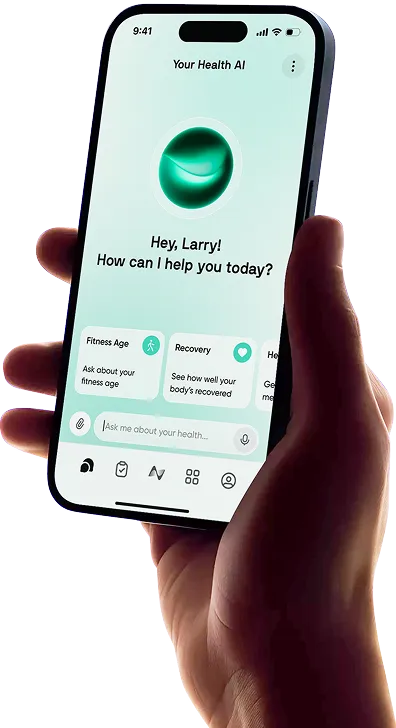
You can create a personalized cortisol detox plan with Neura. The app looks at your daily habits, what you like to eat, and your current stress levels to build a routine just for you. 

Neura gives you clear daily steps and lets you track your progress. It even updates your plan as you go, helping you build healthy habits that actually fit into your real life and schedule.

Final Thoughts: 21-Day Cortisol Detox

Addressing elevated stress hormones requires consistent changes to your daily habits rather than quick fixes. 

The goal of any effective protocol is to help you build sustainable routines that support your physical and mental well-being over the long term. 

By focusing on nutrient-dense meals, regulating your sleep schedule, and managing your daily stress inputs, you provide your body with the environment necessary to maintain balance. 

Start by implementing these steps gradually, focus on consistency, and allow your body the time it needs to adjust to a more regulated routine.

Article FAQ

What is the cortisol detox diet?

The cortisol detox diet is a structured nutritional approach focused on stabilizing blood sugar and reducing systemic inflammation to help lower chronic stress. It prioritizes whole foods, lean proteins, complex carbohydrates, and healthy fats while strictly limiting refined sugars, highly processed foods, and excessive caffeine. The objective is to provide your nervous system with consistent nutrients, preventing the biological panic that triggers excess stress hormone production.

How do you do a cortisol detox?

You complete a cortisol detox by combining a nutrient-dense diet with specific, calming lifestyle modifications. This involves eating regular, balanced meals to prevent blood sugar fluctuations. It also requires prioritizing seven to nine hours of quality sleep, engaging in low-intensity exercise like walking or yoga, and practicing daily stress management techniques such as deep breathing. It is about creating a consistent routine to signal safety to your body rather than following a restrictive liquid cleanse.

How to track your cortisol?

You can track your cortisol levels accurately through blood, saliva, or urine tests ordered by a medical professional. Saliva tests are frequently used to measure your cortisol awakening response, tracking how your levels naturally rise and fall throughout a 24-hour period. For daily tracking at home without medical testing, you can monitor physical symptoms like your sleep quality, afternoon energy crashes, resting heart rate, and mood changes, which serve as reliable indicators of your current stress burden.

How long does it take to lower cortisol levels?

The timeline to lower cortisol levels varies depending on the severity of your chronic stress and how consistently you apply lifestyle changes. Many people notice tangible improvements in their sleep quality and daily energy within the first one to two weeks of adjusting their diet and sleep habits. However, fully regulating your nervous system and bringing your baseline cortisol back to normal, healthy ranges typically takes several months of sustained effort.

Can drinking water lower cortisol?

Yes, staying properly hydrated plays a direct role in managing your stress response. Dehydration is a physical stressor that prompts your body to release cortisol as a survival mechanism. Drinking adequate amounts of clean water throughout the day helps maintain optimal cellular function and prevents this unnecessary stress response.

What are the symptoms of high cortisol?

Elevated cortisol presents through several common physical and mental signs. You might experience persistent fatigue even after a full night of sleep, unexplained weight gain, particularly around the midsection, and frequent sleep disruptions or insomnia. Other strict indicators include severe cravings for salty or sweet foods, a racing resting heart rate, digestive issues, and feeling constantly on edge.

Table of Contents

Read More

Read More

Read More

Read More

Enter your email for free
early access + 7-day Neura iQ trial

Limited beta spots!

Enter your email for free
early access + 7-day Neura iQ trial

Limited beta spots!

Got Questions? We've Got Answers

What exactly is Neura app?

Neura is a holistic AI health assistant that acts as your personal wellness coach. It combines your wearable data, lifestyle habits, and health metrics to deliver personalized plans, daily micro-tasks, mini-podcasts, and actionable insights to improve sleep, fitness, recovery, and longevity.

How does Neura work?

1. Answer a quick onboarding quiz (1–2 min). 2. Set your goals (e.g., better sleep, running a 5K). 3. Connect your wearables or apps for real-time health data. 4. Receive a daily, AI-personalized plan and mini-podcasts. 5. Track progress on your dashboard while Neura optimizes automatically.

Do I need a wearable or fitness tracker to use Neura?

No. You can start with just your phone and basic input. Wearables like Apple Watch, Garmin, Oura, or Fitbit unlock deeper, real-time insights and premium metrics, but they are optional.

Is my data safe and private?

Absolutely. Neura uses end-to-end encryption, is GDPR/HIPAA compliant, and gives you full control over data exports and deletion. Only anonymized data is processed for AI improvements.

What kind of results can I expect with Neura?

Most users report noticeable improvements in sleep quality, daily energy, and habit consistency within 2–3 weeks. Real-time insights help you save hours each week by replacing endless self-tracking and guesswork with an AI-driven health plan.

What devices and apps can Neura connect to?

Neura integrates with 90+ apps and devices like Apple Health, Google Fit, Garmin, Oura, Fitbit, Polar, Suunto, Peloton, Zwift, Withings, Eight Sleep, and more. You can also upload lab results for advanced analysis.

What’s included in the free plan?

The free Neura Plan comes with all the basic features you need to kickstart your holistic health and fitness journey. Those include our core AI chat (single-chat memory), a standard health plan with one active goal, up to 5 customizable Health Hub widgets, and daily auto-sync with limited integrations. Upgrade to Neura iQ for unlimited AI chat with persistent multi-session memory, multiple simultaneous Health Plans, and real-time data sync from 100+ integrations with 360° Health Sync, alongside all other premium features.

How is Neura different from other health apps or trackers?

Neura isn’t just a tracker – it’s a smart health operating system. It pulls together your data, analyzes it in real time, and gives you proactive, science-backed recommendations tailored to your lifestyle, without the hassle of manual research or multiple apps.

Can I cancel if I am not satisfied?

Yes. Neura Free is free forever, and Neura iQ comes with a 7-day free trial. After upgrading, you can cancel anytime. If you’re not satisfied within 30 days, we offer a full refund—no questions asked.

How do I get started with Neura?

Simply sign up with your email to claim free early access. You can start in less than 2 minutes, connect your wearables later, and immediately receive your personalized plan and first mini-podcast.

Got Questions? We've Got Answers

What exactly is Neura app?

Neura is a holistic AI health assistant that acts as your personal wellness coach. It combines your wearable data, lifestyle habits, and health metrics to deliver personalized plans, daily micro-tasks, mini-podcasts, and actionable insights to improve sleep, fitness, recovery, and longevity.

How does Neura work?

1. Answer a quick onboarding quiz (1–2 min). 2. Set your goals (e.g., better sleep, running a 5K). 3. Connect your wearables or apps for real-time health data. 4. Receive a daily, AI-personalized plan and mini-podcasts. 5. Track progress on your dashboard while Neura optimizes automatically.

Do I need a wearable or fitness tracker to use Neura?

No. You can start with just your phone and basic input. Wearables like Apple Watch, Garmin, Oura, or Fitbit unlock deeper, real-time insights and premium metrics, but they are optional.

Is my data safe and private?

Absolutely. Neura uses end-to-end encryption, is GDPR/HIPAA compliant, and gives you full control over data exports and deletion. Only anonymized data is processed for AI improvements.

What kind of results can I expect with Neura?

Most users report noticeable improvements in sleep quality, daily energy, and habit consistency within 2–3 weeks. Real-time insights help you save hours each week by replacing endless self-tracking and guesswork with an AI-driven health plan.

What devices and apps can Neura connect to?

Neura integrates with 90+ apps and devices like Apple Health, Google Fit, Garmin, Oura, Fitbit, Polar, Suunto, Peloton, Zwift, Withings, Eight Sleep, and more. You can also upload lab results for advanced analysis.

What’s included in the free plan?

The free Neura Plan comes with all the basic features you need to kickstart your holistic health and fitness journey. Those include our core AI chat (single-chat memory), a standard health plan with one active goal, up to 5 customizable Health Hub widgets, and daily auto-sync with limited integrations. Upgrade to Neura iQ for unlimited AI chat with persistent multi-session memory, multiple simultaneous Health Plans, and real-time data sync from 100+ integrations with 360° Health Sync, alongside all other premium features.

How is Neura different from other health apps or trackers?

Neura isn’t just a tracker – it’s a smart health operating system. It pulls together your data, analyzes it in real time, and gives you proactive, science-backed recommendations tailored to your lifestyle, without the hassle of manual research or multiple apps.

Can I cancel if I am not satisfied?

Yes. Neura Free is free forever, and Neura iQ comes with a 7-day free trial. After upgrading, you can cancel anytime. If you’re not satisfied within 30 days, we offer a full refund—no questions asked.

How do I get started with Neura?

Simply sign up with your email to claim free early access. You can start in less than 2 minutes, connect your wearables later, and immediately receive your personalized plan and first mini-podcast.

Got Questions? We've Got Answers

What exactly is Neura app?

How does Neura work?

Do I need a wearable or fitness tracker to use Neura?

Is my data safe and private?

What kind of results can I expect with Neura?

What devices and apps can Neura connect to?

What’s included in the free plan?

How is Neura different from other health apps or trackers?

Can I cancel if I am not satisfied?

How do I get started with Neura?

Got Questions? We've Got Answers

What exactly is Neura app?

Neura is a holistic AI health assistant that acts as your personal wellness coach. It combines your wearable data, lifestyle habits, and health metrics to deliver personalized plans, daily micro-tasks, mini-podcasts, and actionable insights to improve sleep, fitness, recovery, and longevity.

How does Neura work?

1. Answer a quick onboarding quiz (1–2 min). 2. Set your goals (e.g., better sleep, running a 5K). 3. Connect your wearables or apps for real-time health data. 4. Receive a daily, AI-personalized plan and mini-podcasts. 5. Track progress on your dashboard while Neura optimizes automatically.

Do I need a wearable or fitness tracker to use Neura?

No. You can start with just your phone and basic input. Wearables like Apple Watch, Garmin, Oura, or Fitbit unlock deeper, real-time insights and premium metrics, but they are optional.

Is my data safe and private?

Absolutely. Neura uses end-to-end encryption, is GDPR/HIPAA compliant, and gives you full control over data exports and deletion. Only anonymized data is processed for AI improvements.

What kind of results can I expect with Neura?

Most users report noticeable improvements in sleep quality, daily energy, and habit consistency within 2–3 weeks. Real-time insights help you save hours each week by replacing endless self-tracking and guesswork with an AI-driven health plan.

What devices and apps can Neura connect to?

Neura integrates with 90+ apps and devices like Apple Health, Google Fit, Garmin, Oura, Fitbit, Polar, Suunto, Peloton, Zwift, Withings, Eight Sleep, and more. You can also upload lab results for advanced analysis.

What’s included in the free plan?

The free Neura Plan comes with all the basic features you need to kickstart your holistic health and fitness journey. Those include our core AI chat (single-chat memory), a standard health plan with one active goal, up to 5 customizable Health Hub widgets, and daily auto-sync with limited integrations. Upgrade to Neura iQ for unlimited AI chat with persistent multi-session memory, multiple simultaneous Health Plans, and real-time data sync from 100+ integrations with 360° Health Sync, alongside all other premium features.

How is Neura different from other health apps or trackers?

Neura isn’t just a tracker – it’s a smart health operating system. It pulls together your data, analyzes it in real time, and gives you proactive, science-backed recommendations tailored to your lifestyle, without the hassle of manual research or multiple apps.

Can I cancel if I am not satisfied?

Yes. Neura Free is free forever, and Neura iQ comes with a 7-day free trial. After upgrading, you can cancel anytime. If you’re not satisfied within 30 days, we offer a full refund—no questions asked.

How do I get started with Neura?

Simply sign up with your email to claim free early access. You can start in less than 2 minutes, connect your wearables later, and immediately receive your personalized plan and first mini-podcast.