Sirtfood Diet: 7 Day Meal Plan, Recipes, and Expert Advice
Nutrition

Key Findings
The Sirtfood Diet focuses on adding foods like kale, walnuts, dark chocolate, and red wine to your plate to help support your metabolism. The plan starts with a strict seven-day phase of green juices and lower calories. After that first week, you move right into a simpler maintenance phase of eating regular, balanced meals to build lasting habits.

You have probably noticed that most nutrition plans focus on what you need to remove from your kitchen. It can be exhausting to constantly think about all the things you are not allowed to eat.
The Sirtfood Diet takes a different approach by focusing on what you should add to your plate.
The main idea is to eat plant-based foods that activate Sirtuins. These are proteins in your body that manage your metabolism and handle inflammation. If you follow health or fitness news, you might have seen Sirtuins mentioned in discussions about cellular health.
Eating foods that support these proteins gives you an option to get some of the benefits associated with fasting while still eating real, satisfying meals.
Prioritizing whole foods that support your body is a solid baseline for anyone looking to feel better and build healthier habits.
What is the Sirtfood Diet?
Nutritionists in the United Kingdom put this plan together as a way to trigger the body's natural defense systems without making you fast for days on end.
The secret behind it is polyphenols. These are plant compounds that wake up your Sirtuin proteins. When you eat foods rich in these compounds, you aim to mimic the physical effects of exercise and fasting.
The structure is broken down into two phases. The first phase lasts seven days and cuts your daily calories back quite a bit.
For the first three days, you stay at 1,000 calories a day, getting those from three green juices and one solid meal. On days four through seven, you bump that up to 1,500 calories a day, which breaks down into two juices and two meals.
The second phase is a 14-day maintenance window where things get much easier. During this time, you eat three full meals and drink one green juice each day.
A lot of people look into the Sirtfood diet for weight loss because it lets you keep things that other strict plans ban, like dark chocolate and red wine.
The main driver here is getting a high amount of antioxidants and nutrients while staying in a calorie deficit early on.
Let's break down the Pros and Cons of this approach so you know what to expect:
Pros:
Encourages eating whole foods packed with good nutrients.
Lets you enjoy treats like red wine and dark chocolate without feeling guilty.
Fills your day with beneficial plant compounds.
Cons:
The first phase is low in calories and can be tough to get through if you have a busy schedule.
You will need a juicer and the time to make fresh juice every single day.
Sticking to the strict daily juice routine might be hard to sustain for months at a time.
What Foods Can You Eat on the Sirtfood Diet?
Before you start cooking, you need to know your primary ingredients. These foods have the polyphenols required to stimulate those Sirtuin proteins.
Building your meals around these items forms the foundation of the whole plan. Here is a detailed Sirtfood list to take with you to the grocery store:
Kale: This is the standard base for the daily green juices. It also works great as a foundation for large salads because the sturdy leaves hold up well to heavy dressings.
Arugula: A peppery green that provides a sharp flavor to savory meals. It is really good when mixed with milder lettuces.
Parsley: You will use this in large quantities as a salad base or juice ingredient. Try not to think of it as just a garnish for the side of your plate.
Celery: Both the crunchy stalks and the leafy tops are useful. You will juice them and use them to build flavorful soup bases.
Green Apple: Adding half a green apple brings natural sweetness and tartness to the daily green juice to balance out the bitter greens.
Matcha Green Tea: A concentrated source of antioxidants that you drink as a daily beverage instead of standard tea.
Buckwheat: A gluten-free seed used as an alternative to wheat. You will eat it in the form of noodles, baking flour, or morning porridge.
Walnuts: A great source of healthy fats. They work as a quick snack when you are hungry or as a crunchy topping for your salads.
Extra Virgin Olive Oil: This is your primary cooking fat and the base for all your homemade salad dressings.
Dark Chocolate: Make sure you buy chocolate that contains at least 85 percent cocoa, so you actually get the necessary polyphenol benefits.
Red Wine: Varieties high in resveratrol, such as Pinot Noir, are recommended in moderation with your dinner.
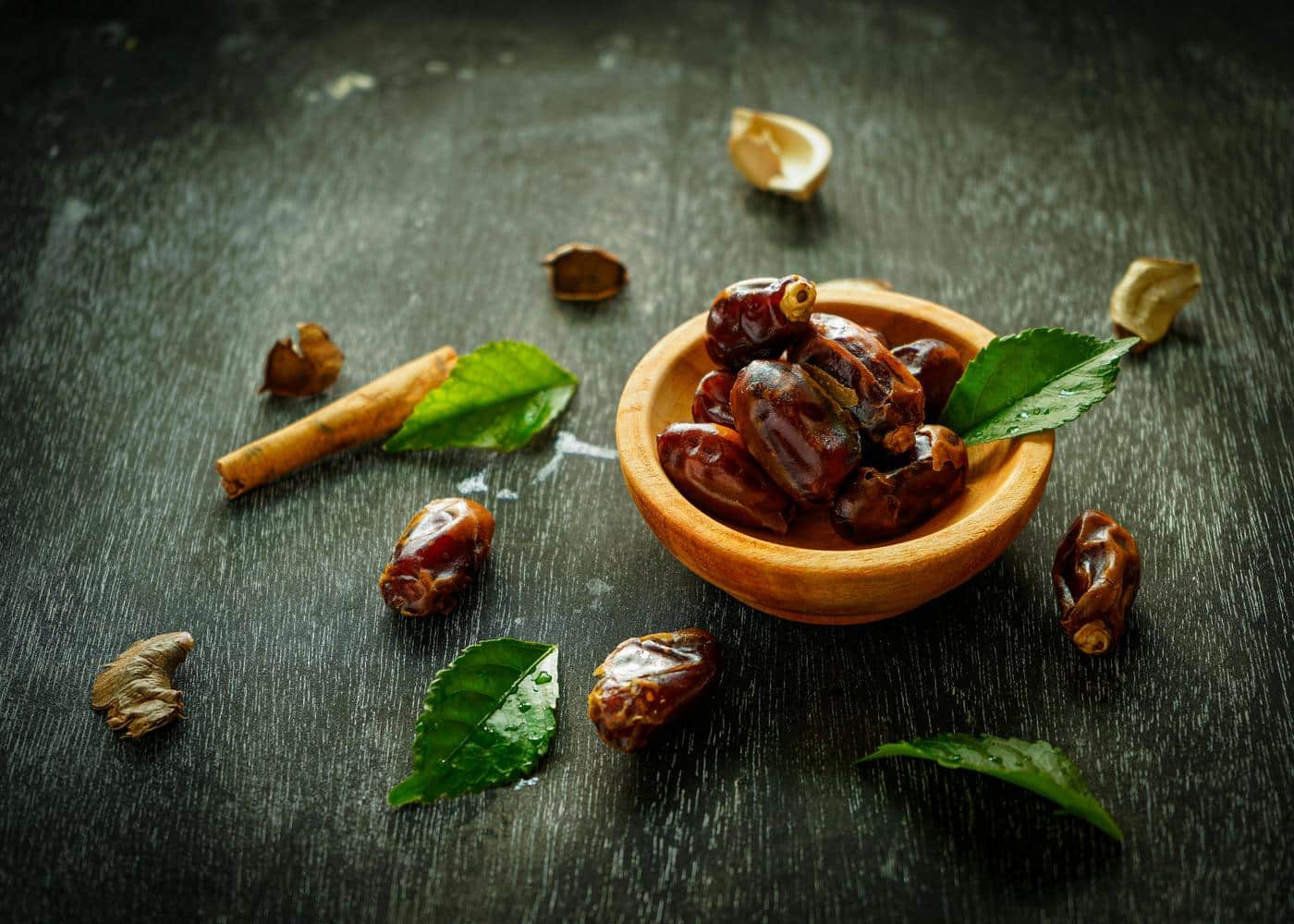
Medjool Dates: Keep these in the pantry to provide natural sweetness for quick snacks when you need a boost of energy.
Red Onion: A flavorful aromatic vegetable used cooked or raw in most of your savory dishes.
Blueberries: Packed with antioxidants and highly recommended for morning breakfasts or blended into smoothies.
Capers: Toss these in to add a sharp, briny flavor to main courses, fish dishes, and homemade sauces.
Coffee: Plain black coffee is a strong source of polyphenols, and you are encouraged to drink it throughout the day.
Turmeric: An anti-inflammatory spice used frequently in daily cooking and marinades for meat or tofu.
Bird's Eye Chili: Chop these up to add heat and metabolic benefits to your stir-fries and roasted vegetable dishes.


7-Day Sirtfood Diet Meal Plan
Starting a new routine takes a bit of organization. This one-week setup follows the phase two structure, giving you three solid meals and a snack every day.
This Sirtfood diet menu ensures you keep your energy up while eating those Sirtuin-activating ingredients. You can easily customize these days by swapping in different Sirtfood diet recipes as you figure out what flavors you like best.
Keeping your meals interesting is a smart way to stick with it over the long haul. Here is a straightforward approach to getting these foods onto your plate this week.
Day 1
Breakfast: Cook half a cup of buckwheat flakes in one cup of unsweetened almond milk. Simmer it on the stove over low heat for ten minutes until it thickens up. Top the warm bowl with a quarter cup of fresh blueberries, two tablespoons of chopped walnuts, and half a teaspoon of ground turmeric. Have a cup of black coffee on the side.
Lunch: Wash and dry two cups of fresh kale and one cup of arugula. Massage the kale briefly with your hands and a few drops of olive oil to soften the tough leaves. Rough chop a handful of parsley and mix it in. Add a quarter of a sliced red onion and a tablespoon of capers. Top it off with a grilled chicken breast. Dress the greens with one tablespoon of extra virgin olive oil mixed with fresh lemon juice.
Dinner: Take a six-ounce salmon filet and marinate it for twenty minutes in a tablespoon of soy sauce, a teaspoon of grated ginger, and half of a minced bird's eye chili. Place the salmon on a baking sheet with chopped celery and cherry tomatoes. Toss the vegetables with olive oil. Bake at 400 degrees for fifteen minutes until the salmon flakes easily with a fork.
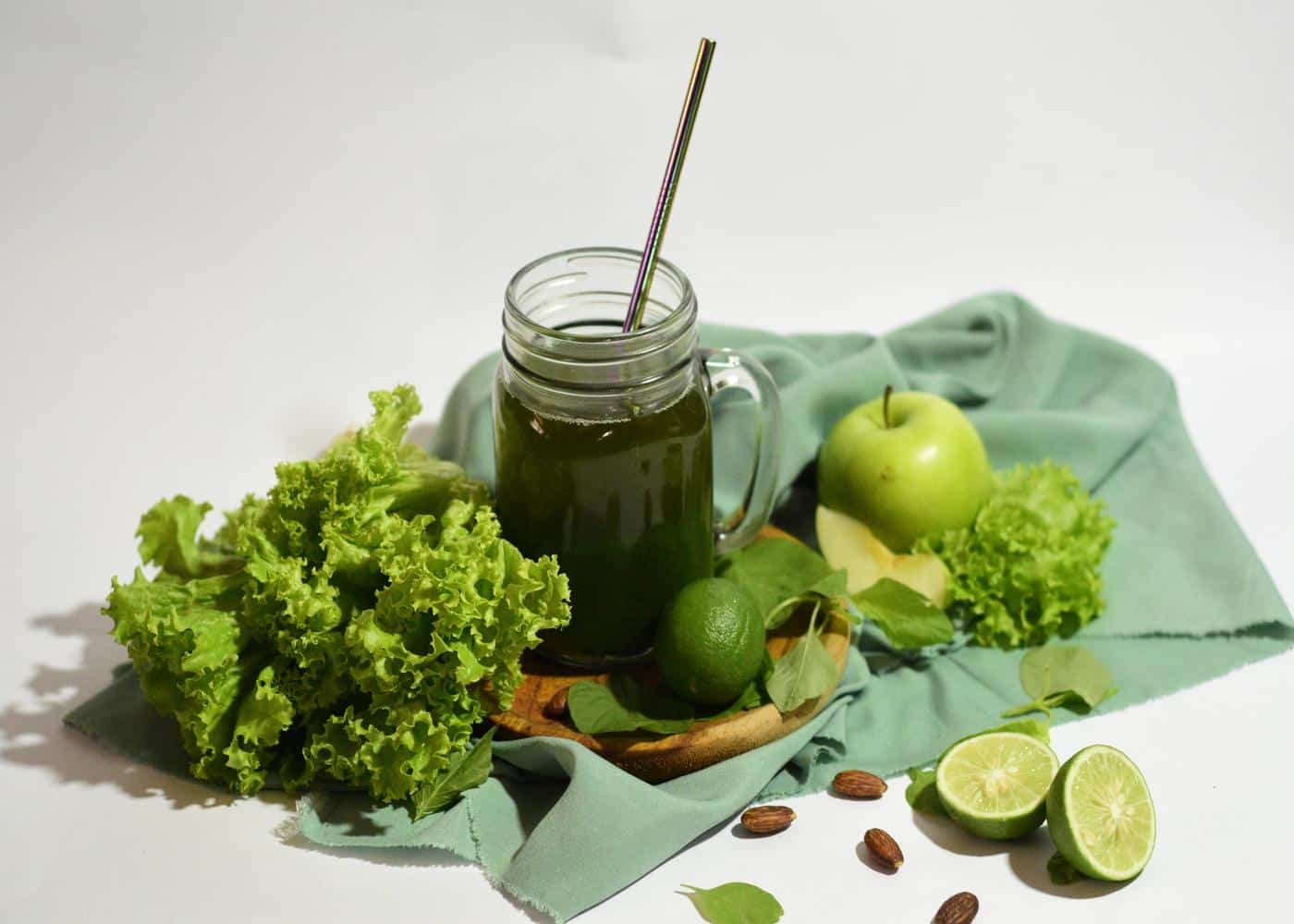
Snack: Your daily green juice (blend kale, arugula, parsley, celery, half a green apple, lemon juice, and matcha powder) plus one ounce of 85 percent dark chocolate.
Day 2
Breakfast: Make a quick omelet using three whole eggs. Fold in a quarter cup of finely chopped kale, two tablespoons of diced red onion, and a tablespoon of fresh parsley. Cook it in a pan lightly coated with extra virgin olive oil. Serve the omelet with a side of sliced strawberries.
Lunch: Boil two ounces of buckwheat soba noodles for four minutes, then rinse them under cold water so they stop cooking. Toss the chilled noodles with half a cup of steamed edamame, sliced red onion, and fresh cilantro. Mix a quick dressing using one teaspoon of toasted sesame oil and one tablespoon of extra virgin olive oil to pour over the top.
Dinner: Season a chicken breast with half a teaspoon of turmeric and a pinch of black pepper. Sear it in a skillet over medium heat for seven minutes per side until fully cooked. In the same pan, sauté two cups of chopped kale and two cloves of minced garlic in olive oil until the leaves wilt. Pour a five-ounce glass of red wine to enjoy with your dinner.
Snack: The daily green juice alongside two large Medjool dates stuffed with fresh walnuts.
Day 3
Breakfast: Serve a cup of plain soy yogurt in a bowl. Top it with half a sliced green apple, two tablespoons of chopped walnuts, and a dusting of matcha powder. The soy yogurt provides a good amount of plant-based protein to keep you full through the morning.
Lunch: Heat a bowl of homemade tomato and celery soup. To make a batch, sauté one cup of chopped celery, half a red onion, and two cloves of minced garlic in olive oil. Add a can of crushed tomatoes and a cup of vegetable broth, then simmer for twenty minutes until the vegetables are soft. Blend the mixture until smooth and garnish your bowl with a handful of fresh parsley.
Dinner: Cook a savory tofu stir fry. Press a block of firm tofu with a paper towel to remove the extra water, then cut it into bite-sized cubes. Sauté the tofu with a chopped bird's eye chili, sliced red onions, and a cup of kale. Toss in a serving of cooked buckwheat noodles. Flavor the stir-fry with a tablespoon of light soy sauce and some fresh, grated ginger.
Snack: Your daily green juice and a half cup of fresh blueberries.
Day 4
Breakfast: Blend a mixed berry smoothie. Toss half a cup of fresh or frozen blueberries, half a cup of strawberries, a large handful of raw kale, one cup of unsweetened almond milk, and a tablespoon of walnuts into your blender. This gives you a fast, nutrient-dense option for a busy morning.
Lunch: Construct a wrap using a large, blanched collard green leaf as your tortilla. Fill it with four ounces of sliced roasted turkey breast, a handful of arugula, sliced red onion, and a quarter of an avocado mashed up with some lemon juice. Serve the wrap with a side of sliced green apple.
Dinner: Bake a six-ounce white fish fillet, like cod or halibut, for twelve minutes at 375 degrees. While it bakes, make a quick salsa from chopped capers, parsley, lemon juice, and olive oil to spoon over the fish. Serve it with half a cup of roasted buckwheat groats mixed with roasted red onions.
Snack: The daily green juice and two squares of 85 percent dark chocolate.
Day 5
Breakfast: Cook half a cup of traditional rolled oats on the stove. Mix in a tablespoon of buckwheat flakes to give it some extra texture. Stir in a quarter cup of mashed blueberries while the oatmeal is still hot, then top the bowl with crushed walnuts. Drink your morning black coffee alongside the oatmeal.
Lunch: Make a quinoa and kale salad. Quinoa works as a really good gluten-free base here. Mix half a cup of cooked quinoa with a cup of finely chopped kale, a quarter of a red onion, and a handful of fresh parsley. Toss everything together with a generous extra virgin olive oil and lemon juice dressing.
Dinner: Grill a lean beef steak to your preference. Serve it with a homemade chimichurri sauce made by blending fresh parsley, garlic, olive oil, and a bird's eye chili. Accompany the steak with a cup of steamed green beans and a side of crunchy, raw celery sticks.
Snack: Your daily green juice and a small handful of raw walnuts.
Day 6
Breakfast: Spread some mashed avocado over a slice of toasted buckwheat bread. Top it with thinly sliced red onions, a handful of fresh arugula, and a squeeze of fresh lemon juice. Have a hot cup of matcha green tea on the side.
Lunch: Prepare a hearty chicken and vegetable soup. Start with two cups of clear chicken broth in a pot. Add a cup of chopped celery, half a red onion, a cup of kale, and a handful of parsley. Let it simmer for fifteen minutes. Shred four ounces of cooked chicken breast directly into the hot soup for your protein.
Dinner: Make a custom pizza using a buckwheat flour crust. Spread a thin layer of crushed tomato sauce over the base. Top it with sliced red onions, a tablespoon of capers, and a light sprinkle of mozzarella cheese. Bake it in the oven until the crust is crisp. After baking, top the pizza with a handful of fresh raw arugula. Enjoy this dinner with a glass of red wine.
Snack: The daily green juice alongside two whole Medjool dates.
Day 7
Breakfast: Mix two eggs with a handful of chopped parsley and a few capers, then scramble them in a pan with a little olive oil. Serve the eggs with a side of sliced tomatoes and a cup of black coffee.
Lunch: Make a large salad featuring a can of wild-caught tuna. Ensure you buy the tuna packed in olive oil rather than water. Flake the tuna over a thick bed of arugula, add thinly sliced red onion, and sprinkle in some capers. Dress it simply with fresh lemon juice and cracked black pepper.
Dinner: Coat a chicken breast in a teaspoon of turmeric and roast it in the oven until it is cooked all the way through. Serve it over a bed of buckwheat tabbouleh. To make the tabbouleh, mix half a cup of cooked buckwheat groats with a cup of finely chopped parsley, diced tomatoes, red onion, and a simple olive oil and lemon dressing.
Snack: Your daily green juice and a small bowl of fresh mixed berries.
Create a 100% Tailored Meal Plan with Neura

The seven-day plan above gives you a good starting point, but we all have different nutritional needs and daily schedules.
Sticking to a rigid plan is tough if you have food allergies, a demanding job, or a family to feed. This is where personalized nutrition technology comes in handy.
By using Neura, you can generate a customized eating schedule that lines up with the dietary guidelines while actually adapting to your lifestyle.
Neura looks at your caloric requirements, taste preferences, and fitness goals to build a menu that works for you.
If you sync your Apple Health data or your Oura ring with the app, Neura reads your daily activity levels and recovery metrics. If you log a heavy workout or wake up with a low sleep score, you can ask Neura to adjust your daily plan.
It might include larger recovery portions of buckwheat noodles for dinner or extra Medjool dates for quick energy in the afternoon. This ensures your body gets what it needs without breaking the core rules of the diet.
Creating a tailored plan with Neura keeps you on track without forcing you to do all the manual math yourself.
Final Thoughts: The Sirtfood Diet
This diet gives a clear perspective on nutrition by focusing on adding nourishing, polyphenol-rich foods rather than just worrying about cutting calories.
By bringing items like dark chocolate, red wine, kale, and walnuts into your daily routine, you support your metabolic health and give your body the tools it needs to function well.
Adopting this style of eating does not mean you have to sacrifice flavor. You can eat robust, satisfying meals that genuinely taste good. Using bold spices like turmeric and bird's eye chili keeps your food interesting.
The goal of any dietary change is to find something you can sustain for a long time. By focusing on highly nutritious plant foods, you build a solid foundation for lasting health and a better relationship with your meals.
Talk with a healthcare professional before starting any new diet regimen, especially if you have underlying health conditions.
The restrictive nature of the first phase is not a fit for everyone, but the general principle of eating more Sirtfoods applies broadly.
Stay hydrated, listen to your body, and find a balance that works for your specific needs.
Article FAQ
What is the Sirtfood diet?
The Sirtfood diet is a meal plan focused on eating foods rich in polyphenols. These plant compounds are thought to activate Sirtuins, which are proteins that help manage your metabolism. The plan starts with a strict seven-day phase involving green juices and calorie limits, followed by a maintenance phase of eating three full meals a day.
What can you eat on a Sirtfood diet?
You can eat a wide variety of plant-based foods high in polyphenols on a Sirtfood diet. Kitchen staples include leafy greens like kale and arugula, fruits like strawberries and blueberries, and healthy fats from walnuts and extra virgin olive oil. You are also encouraged to enjoy items like black coffee, matcha green tea, dark chocolate, and red wine.
What foods are not allowed on Sirtfood diet?
There is no strict list of banned foods on this plan. The whole focus is on what you should add to your daily meals rather than what you must avoid. Highly processed foods, refined sugars, and empty calories usually fall out of your rotation naturally because you need to focus on eating nutrient-dense whole foods to stay within the early calorie targets.
How many calories are in Sirtfood green juice?
A standard Sirtfood green juice contains around 100 to 150 calories per serving. The exact number depends on the size of the green apple and how much lemon juice you use. The base ingredients of kale, arugula, parsley, and celery keep the overall calorie count very low while providing a lot of nutrients.
Can you drink coffee on the Sirtfood diet?
Yes, you can absolutely drink coffee on this plan. Plain black coffee is highly encouraged because it is a strong source of polyphenols. Just keep an eye on what you put in your mug. Adding heavy cream or sugar will bump up your calories and could throw off your daily totals during the stricter early days of the plan.
Is the Sirtfood diet safe for everyone?
The first phase of the plan limits you to 1,000 calories a day for three days, which is quite low and not suitable for everyone. People with a history of eating disorders, pregnant women, or anyone managing specific health conditions should talk to a doctor before making big changes to their eating habits.