8 Supplements You Should Consider When Using GLP-1s
Nutrition

Key Findings
GLP-1 medications can make it harder to get enough protein, fiber, fluids, and certain vitamins because they reduce appetite. Supplements may help fill these gaps, but the right choices depend on your diet, symptoms, and individual health needs.
GLP-1 medications can make a big difference in how hungry you feel, how much you eat, and how easily you can manage your weight or blood sugar.
But when your appetite drops, your nutrient intake can drop along with it.
You may feel full after just a few bites, lose interest in foods you normally enjoy, or struggle with side effects like nausea, constipation, or diarrhea.
Over time, this can make it harder to get enough protein, fiber, vitamins, and minerals from food alone.
That does not mean everyone taking a GLP-1 needs a cabinet full of supplements. In most cases, it is better to look at what you are eating, notice where the gaps are, and supplement only when it makes sense.
The best supplements for GLP-1 users will depend on your diet, symptoms, health conditions, medications, and blood test results.
Before starting anything new, especially iron or high-dose vitamins, speak with your doctor, pharmacist, or registered dietitian.
Why Might You Need Supplements When Taking GLP-1s?

GLP-1 medications reduce appetite and help you feel satisfied with smaller portions. This is one of the reasons they can be so effective, but it also means you have fewer chances throughout the day to get the nutrition your body needs.
A smaller meal is not automatically a problem. However, several small meals made up mostly of toast, crackers, or other easy-to-tolerate foods may leave you low in protein, fiber, iron, calcium, and other nutrients.
Digestive side effects can make things harder. If you feel nauseous, meat, eggs, dairy, vegetables, or larger meals may suddenly feel unappealing.
Constipation may cause you to avoid eating, while diarrhea or vomiting can lead to fluid and electrolyte losses.
Protein is one of the biggest priorities to pay attention to. When you lose weight, some of that loss may come from muscle rather than body fat.
Eating enough protein and including strength training in your routine can help support muscle maintenance.
Fiber is another common concern. Smaller meals usually mean less overall food volume and, often, less fiber. Since GLP-1 medications can slow digestion, some people may notice more constipation than usual.
You may also need to keep an eye on nutrients such as vitamin D, vitamin B12, calcium, and iron. This is especially important if you already followed a restricted diet, had a previous deficiency, or take other medications that affect nutrient levels.
The goal is not to take everything just in case. It is to understand what your body may be missing and choose the simplest solution that helps.
What Supplements Should You Avoid?
GLP-1 medications have become so popular that there is now a huge market for products claiming to boost their effects.
Many of these supplements promise faster weight loss, better appetite control, or results similar to prescription medication.
Be careful with products advertised as natural GLP-1 supplements.
A supplement may contain ingredients that affect appetite or blood sugar, but that does not mean it works in the same way as prescription GLP-1 medication. It also may not have been tested to the same safety or quality standards.
The most popular supplements for GLP-1 enhancement may include herbal blends, stimulant-based fat burners, appetite suppressants, laxative teas, or blood sugar support products.
These can sometimes make GLP-1 side effects worse by causing nausea, diarrhea, constipation, dizziness, or changes in blood sugar.
Berberine, for example, is often marketed for blood sugar and weight management. However, it can cause digestive discomfort and may interact with diabetes medications.
Combining several products that lower blood sugar could also increase the risk of your levels dropping too low.
You should also avoid taking high doses of individual vitamins and minerals unless you have a clear reason.
High-dose iron may worsen constipation and nausea. Too much zinc can affect copper levels, while excessive vitamin D or calcium can create other health problems.
Hair supplements also deserve a closer look. Many contain very high doses of biotin, but biotin is unlikely to improve hair growth unless you are actually deficient. It can also interfere with certain medical tests.
A simple rule is to avoid any supplement that promises dramatic results, contains a long list of unfamiliar ingredients, or claims to replace your medication. Bring the label to your healthcare provider if you are unsure.


8 Supplements to Take With GLP-1 Medications

You probably will not need all eight of these. Think of this section as a list of options to consider based on your eating habits, symptoms, and health needs.
1. Protein Powder
Protein powder can be one of the most useful options for people who are eating much less than they used to.
Protein helps support muscle, strength, recovery, and overall health. It can also help make a small meal more balanced.
The challenge is that high-protein foods can feel heavy when your appetite is low. A shake may be easier to manage than a full plate of chicken, eggs, tofu, or beans.
Whey, casein, pea, and soy protein can all work. The right choice depends on your preferences and how well you tolerate dairy.
When looking at protein supplements for GLP-1, choose one with a simple ingredient list and a useful amount of protein per serving. You usually do not need a product packed with herbal blends, fat burners, or large amounts of added sugar.
Try starting with a smaller shake rather than filling a large blender bottle. Drinking too much too quickly may leave you feeling overly full or nauseous.
You can also add a small amount of protein powder to oatmeal, yogurt, or a smoothie.
Whole foods should still provide as much of your protein as possible. Think of powder as a convenient backup for days when eating a full meal feels difficult.
People with kidney disease or another condition that affects protein intake should speak with a healthcare professional before increasing their protein.
2. A Soluble Fiber Supplement
Fiber can help support digestion, blood sugar management, and regular bowel movements. Unfortunately, it is often one of the first things to drop when someone begins eating smaller portions.
Psyllium husk is commonly considered the best fiber supplement for GLP-1 users because it absorbs water and can help make stools softer and easier to pass.
Partially hydrolyzed guar gum is another option that some people find gentler.
Start slowly. Taking a large serving of fiber right away can lead to gas, bloating, and cramping. A small dose gives your digestive system time to adjust.
Water is also essential. Fiber pulls in fluid, so taking it without drinking enough may make constipation worse instead of better.
Whenever possible, get fiber from food too. Oats, berries, pears, vegetables, beans, lentils, chia seeds, and whole grains provide fiber along with vitamins and minerals.
Do not simply add more fiber if you have severe stomach pain, repeated vomiting, major bloating, or trouble keeping food down. Those symptoms should be discussed with your healthcare provider.
3. Electrolytes
Electrolyte drinks and powders can be useful if you are losing fluids through vomiting, diarrhea, or heavy sweating. They may also help on days when nausea makes it difficult to drink or eat normally.
Electrolytes include sodium, potassium, and magnesium. Your body uses them to manage fluid balance, muscle function, and nerve signals.
You do not necessarily need an electrolyte drink every day. Plain water is often enough when you are eating normally and not losing fluids.
However, an electrolyte product can be helpful during periods of digestive upset or dehydration.
Look for a product with moderate amounts of electrolytes. You generally do not need an extremely high-sodium sports drink for normal daily use.
People with kidney disease, heart problems, high blood pressure, or potassium restrictions should check with their healthcare provider before using electrolyte powders regularly.
You should also contact your medical team if you cannot keep fluids down, feel faint, become unusually weak, or notice that you are urinating much less than normal.
4. A Basic Multivitamin
A multivitamin may help fill small gaps when your meals are limited, your appetite is especially low, or you are regularly skipping food groups.
Choose a basic product that provides reasonable amounts of vitamins and minerals. You do not need a supplement containing several hundred or thousand percent of the daily value for every nutrient.
A multivitamin can offer some extra coverage, but it cannot replace a balanced diet. It does not provide enough protein, fiber, calories, or healthy fats to make up for barely eating.
Check the label before combining it with other supplements. For example, if your multivitamin already contains vitamin D, iron, and zinc, you may not need separate products unless your doctor recommends them.
A once-daily multivitamin may be a simple option for someone whose food intake has become inconsistent, but it should not become an excuse to ignore nutrition altogether.
5. Vitamin D
Vitamin D supports bone health, calcium absorption, immune function, and normal muscle function. Many people have low vitamin D levels even before starting a GLP-1 medication.
If you are eating less fish, eggs, fortified milk, or fortified plant-based alternatives, your vitamin D intake may fall further.
The best way to know whether you need a vitamin D supplement is through a blood test. This can help your healthcare provider recommend a dose that fits your actual needs.
Avoid automatically taking very large doses. Vitamin D can build up in the body, and excessive amounts may lead to high calcium levels and kidney problems.
Vitamin D is not a weight-loss supplement. Taking more than you need will not make a GLP-1 work better. Its main role here is helping correct or prevent a genuine nutritional gap.
6. Calcium
Calcium is important for bones, teeth, nerves, and muscles. Your intake may fall if smaller meals lead you to cut back on dairy products, fortified plant milks, tofu, leafy greens, or canned fish.
Food is usually the easiest place to begin. A small serving of Greek yogurt, cottage cheese, or fortified milk may be easier to tolerate than a large meal.
If you still cannot get enough, a calcium supplement may be worth discussing. Calcium citrate may be easier for some people to tolerate, while calcium carbonate is often less expensive but is usually taken with food.
Calcium supplements can cause constipation, which is already a common problem for some GLP-1 users. That makes it important to avoid taking more than necessary.
Calcium can also interfere with iron and certain medications, so you may need to take them at different times.
7. Vitamin B12
Vitamin B12 supports nerves, red blood cells, and energy metabolism. It is naturally found in foods such as fish, meat, eggs, and dairy.
People following vegan diets may already need a B12 supplement. It may also become harder to get enough if nausea causes you to avoid animal foods or protein-rich meals.
B12 is especially worth discussing if you also take metformin, since long-term metformin use can lower B12 levels in some people.
Possible signs of low B12 include tiredness, weakness, numbness, tingling, balance problems, or a sore tongue.
These symptoms can have many causes, so testing is usually more helpful than starting a random high-dose supplement.
B12 supplements are widely available, but not every GLP-1 user needs one. Your diet, medications, symptoms, and blood results should guide the decision.
8. Iron
Iron helps your body make hemoglobin, which carries oxygen in the blood. Low iron can cause fatigue, weakness, shortness of breath, poor exercise performance, and hair shedding.
People who menstruate, follow vegetarian diets, eat very little meat, or have a history of anemia may be more likely to need iron testing.
Do not start an iron supplement based only on feeling tired. Fatigue can come from eating too little, dehydration, poor sleep, medication side effects, or several other causes.
Iron can be hard on the stomach. It may cause nausea, constipation, cramps, or dark stools, which could make existing GLP-1 symptoms more uncomfortable.
Hair loss is another reason people consider iron. Anyone searching for a supplement for hair loss on GLP-1 should first look at the bigger picture.
Rapid weight loss, low protein intake, low iron, thyroid issues, stress, and other nutrient deficiencies may all contribute.
Instead of immediately buying a hair vitamin, ask your healthcare provider whether it makes sense to check iron, vitamin D, B12, zinc, thyroid function, and overall protein intake.
Track Your Nutritional Intake with Neura

When you are eating less, it can be difficult to tell whether you are still meeting your nutritional needs.
You may feel like you are doing fine because you are having meals each day, but those meals may not contain enough protein, fiber, or key nutrients.
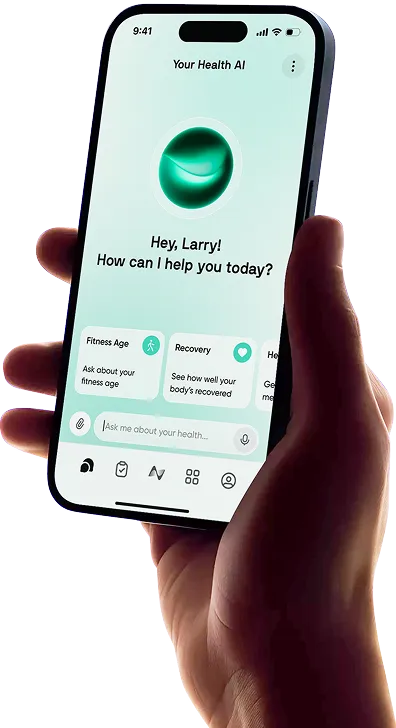
Neura helps you see what is happening without making health tracking feel like another full-time task.
By bringing your nutrition and health information together, Neura can help you notice useful patterns.
Maybe your protein intake is consistently low. Perhaps you are barely getting any fiber, skipping meals when you feel nauseous, or relying on the same few foods every day.
Instead of handing you a long list of numbers, Neura is designed to help turn your data into practical next steps.
That could mean adding a protein-rich snack, drinking more water, introducing fiber gradually, or speaking with your doctor about a possible nutrient deficiency.
The point is not to track every bite perfectly. It is to make it easier to understand what your body may need while you are using a GLP-1.
Supplements can be helpful, but they work best when they are filling a real gap. Better nutrition tracking can help you tell the difference between something you genuinely need and something you are taking just because it is popular.
Final Thoughts: Best GLP-1 Supplements
There is no single supplement routine that works for everyone taking a GLP-1.
Protein powder may be useful if you are struggling to eat enough protein. Fiber can help with constipation, while electrolytes may support hydration during periods of vomiting or diarrhea. A basic multivitamin may provide extra coverage when your diet has become limited.
Vitamin D, calcium, vitamin B12, and iron may also be worth considering, but these are usually best chosen based on your diet, symptoms, medications, or blood test results.
Start with the basics. Eat nutrient-dense foods when you can, include protein regularly, drink enough fluids, and add strength training if it is appropriate for you.
Then use supplements to fill specific gaps rather than taking several products at once.
Your GLP-1 should make managing your health feel more achievable, not more complicated. A simple, targeted approach to nutrition and supplementation is usually the best place to begin.
Article FAQ
What supplements should I take on GLP-1?
You may benefit from protein powder, soluble fiber, electrolytes, or a basic multivitamin if your reduced appetite makes balanced eating difficult. Vitamin D, vitamin B12, calcium, and iron may also help when you have a confirmed deficiency or higher risk of one. You do not need every supplement on this list. Ask your healthcare provider which options fit your diet, symptoms, medications, and blood test results, since supplements can interact with prescription drugs.
Which protein supplements work with GLP-1?
Whey, casein, soy, and pea protein supplements can all be used with GLP-1 medications. Choose one that agrees with your stomach, provides a useful amount of protein, and does not contain unnecessary stimulant or weight-loss ingredients. A smaller shake may feel more comfortable if you experience nausea or get full quickly. People with kidney disease or other conditions that affect protein needs should ask their healthcare provider how much protein is appropriate.
Should I take a multivitamin while on a GLP-1?
A basic multivitamin may be helpful if you regularly skip meals, eat very small portions, or avoid several food groups because of nausea. Choose a product with reasonable amounts close to the Daily Value rather than extremely high doses. Check the label before combining it with separate vitamin and mineral supplements, as you could accidentally take more than you need. A multivitamin can fill small gaps, but it cannot replace protein, fiber, calories, or a varied diet.
Can I take fiber supplements with GLP-1 medication?
Yes, many people can take a soluble fiber supplement such as psyllium while using a GLP-1. It may help if reduced food intake or slower digestion is causing constipation. Start with a small amount, increase it gradually, and drink plenty of water. Taking too much too quickly can cause gas, cramping, or bloating. Speak with your healthcare provider before adding fiber if you have severe stomach pain, repeated vomiting, major bloating, trouble swallowing, or an existing digestive condition.
What supplements should I avoid while taking a GLP-1?
Avoid stimulant-based fat burners, laxative teas, unproven appetite suppressants, and products claiming to work like prescription GLP-1 medication. Be cautious with supplements that may lower blood sugar, especially if you also take insulin or other diabetes medications. You should also avoid high doses of iron, vitamin D, calcium, zinc, or biotin unless your healthcare provider recommends them. Supplements can interact with medications, affect health conditions, or interfere with laboratory tests.
Can GLP-1 medications cause vitamin deficiencies?
GLP-1 medications do not automatically cause vitamin deficiencies, but eating much less can make it harder to get enough nutrients. Your risk may be higher if you experience ongoing nausea or vomiting, avoid several food groups, follow a restricted diet, or already have low nutrient levels. Rather than taking multiple supplements just in case, track your food intake and ask about blood testing if you develop fatigue, weakness, numbness, hair shedding, or other concerning symptoms.