7-Day Menopause Meal Plan: Simple Meals, Recipes and Shopping List
Nutrition

Key Findings
A useful menopause meal plan puts protein, calcium-rich foods, whole grains and varied produce into meals you can prepare regularly. This seven-day menu serves one adult and uses nine recipes, with planned leftovers to reduce cooking. Portions are flexible, and dairy-free and vegetarian adaptations are included. The free PDF contains the same menu, recipes and shopping checklist. The plan supports everyday nutrition; weight loss and symptom changes depend on individual circumstances.

Download our free menopause diet plan pdf here.
A weekly menu is easier to follow when it tells you what to buy, what to cook and which leftovers will cover tomorrow’s lunch. Meal plans for menopause also deserve attention to protein and the nutrients that support bone health, without making every meal complicated.
This plan uses familiar food: oats and berries, eggs on toast, chickpea salad, lentil soup, salmon, turkey meatballs and a tofu rice bowl. Several ingredients appear more than once, so you can shop for a manageable list and get more than one meal from a cooking session.
The same broad eating priorities can be useful during perimenopause and after menopause. The NHS menopause self-care guidance recommends a healthy diet, calcium-rich foods and regular activity. Food can support your health alongside appropriate menopause care, but it cannot promise to remove hot flashes or reset hormones.
Below you’ll find the full menu, measured recipes, shopping quantities and a freezer schedule. The portions are starting examples for one adult, with room to adapt them to your appetite and activity.
What Should a Menopause Diet Include?
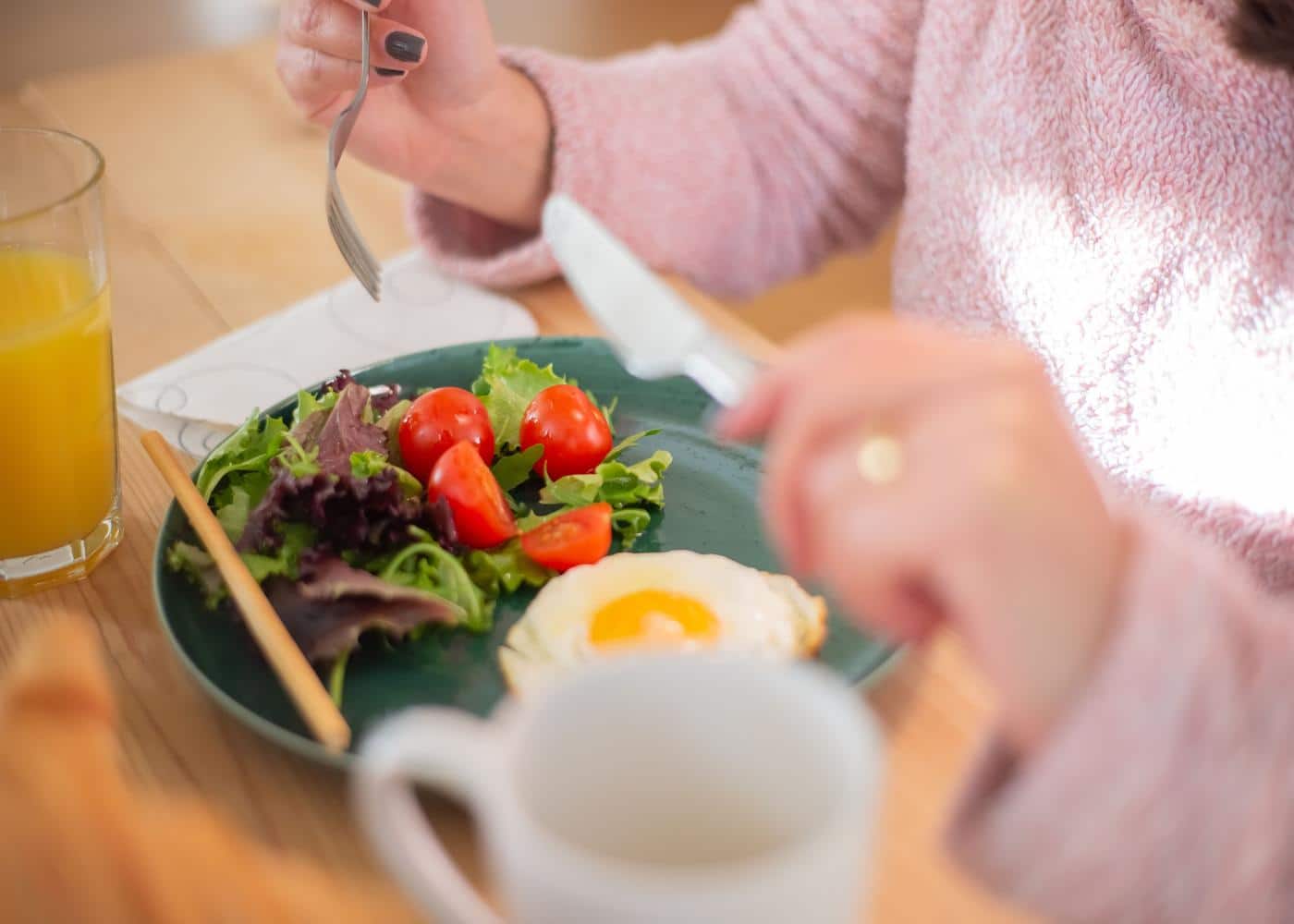
A menopause diet is a way of organizing balanced meals around your needs at this stage of life. You can do that with many eating patterns. This menu is broadly Mediterranean-style, using legumes, vegetables, whole grains, fish, nuts and olive oil alongside dairy or suitable alternatives.
The British Dietetic Association’s menopause guidance emphasizes varied food, protein and nutrients that support bones. Neura’s guide to choosing a diet plan can help you compare approaches against your preferences and daily routine.
Protein Across the Day
Give protein a place at breakfast as well as lunch and dinner. Here, that means yogurt or eggs in the morning, then fish, turkey, lentils, chickpeas or tofu later in the day.
The Menopause Society’s midlife weight guidance recommends 1.2 g of protein per kilogram of body weight daily. For someone weighing 65 kg, that works out to about 78 g. It is a useful reference from the society, rather than a prescription that overrides individual dietary needs or clinical restrictions.
Protein intake and activity belong in the same conversation. Pair an appropriate eating pattern with strength work suited to your ability, such as Neura’s beginner strength training plan for women over 40.
Calcium and Vitamin D
Calcium contributes to bone health, and vitamin D helps the body absorb calcium. Their recommended amounts depend on age. The figures below are US recommendations from the NIH calcium fact sheet and NIH vitamin D fact sheet.
Nutrient | US recommended daily intake | Food examples in this menu |
Calcium | 1,000 mg for women aged 19–50; 1,200 mg from age 51 | Milk, yogurt, fortified soy drink and calcium-set tofu |
Vitamin D | 15 mcg / 600 IU for adults aged 19–70; 20 mcg / 800 IU from age 71 | Salmon, eggs and foods fortified with vitamin D |
These are age-based recommendations, rather than amounts that automatically change when perimenopause begins.
Check labels when using plant drinks or yogurt alternatives. Calcium, vitamin D and protein vary by product; calcium content also varies between tofu brands. Greek yogurt and ordinary yogurt are not automatically interchangeable for every nutrient.
This menu includes useful food sources, but it does not guarantee that everyone meets every nutrient target. Vitamin D intake can be difficult to cover through food alone; supplement advice depends on individual circumstances and local guidance.
Fiber, Produce and Unsaturated Fats
Oats, wholegrain bread, brown rice, quinoa and legumes give the week a range of fiber-containing foods. Berries, apples, pears and vegetables add variety, while olive oil, nuts and fish contribute fats to the menu.
If you usually eat little fiber, increase it gradually rather than suddenly doubling your usual portions of beans and lentils. You can adjust the menu while keeping the same broad balance. For another set of meals built around grains, produce and varied proteins, see Neura’s Nordic diet meal plan.
Using the Plan for Weight Management
If you want a meal plan for menopause weight loss, the recipes can form part of it, but the servings need to suit your overall energy needs. This is a starting menu, rather than a prescribed calorie deficit.
Mayo Clinic’s menopause weight guidance explains that aging, activity, sleep and hormonal changes can all contribute to changes in weight and fat distribution. A seven-day menu cannot determine which factors matter most for you.
Keep protein and calcium sources in place when adjusting portions. Review snacks, drinks and meal sizes in the context of your full day, rather than automatically cutting out meals. A dietitian can help tailor the plan when you need specific weight-management or clinical advice.
Symptom expectations deserve the same care. Tofu and edamame are included as nutritious foods; the Menopause Society’s hot-flash guidance does not recommend soy foods or dietary modification as established hot-flash treatments. If caffeine, alcohol or spicy foods seem to aggravate symptoms or sleep, review your own pattern. Neura’s symptom tracker guide and food and sleep advice provide related reading.


Your 7-Day Menopause Meal Plan

The week repeats a few breakfasts and uses dinner leftovers for lunch. That keeps the preparation practical while still including several protein sources and plenty of different ingredients.
All meat and fish weights in the recipes are raw. Canned legumes are weighed after draining. Grains are listed dry unless a cooked quantity is specified; cooked yields are approximate and depend on the product.
How to Use the Menu
For the base menu, include 200 g plain low-fat yogurt and 500 ml milk or unsweetened fortified soy drink each day. The yogurt already appears in breakfast or the snack column. Split the drink across the day as you prefer. Milk used in overnight oats counts towards the 500 ml total.
This is one convenient way to include calcium-rich foods, rather than a requirement to drink that much milk. If you prefer other sources, make substitutions that account for calcium and protein. The extra yogurt used in overnight oats and the tuna filling is included in the shopping list.
Move snacks into meals or adjust them to appetite. If you need more food, increase suitable portions or add another substantial snack. The menu has not been assigned a universal calorie target, and individual nutrient totals will vary with the products and portions you choose. Neura’s nutrition tracking app guide covers options for reviewing your own intake.
The Seven-Day Menu
The daily milk or fortified drink allowance described above applies to every day. Each main meal has a recipe below, and the PDF includes the same menu for printing.
Day | Breakfast | Lunch | Dinner | Snack or food to move into a meal |
1 | Yogurt, oat and berry bowl | Chickpea, quinoa and feta salad | Salmon, potato and broccoli tray bake | 1 apple + 20 g walnuts |
2 | Overnight oats with yogurt and berries | Leftover chickpea, quinoa and feta salad | Turkey meatballs, tomato sauce and brown rice | 200 g plain yogurt + 1 pear |
3 | Eggs and spinach on wholegrain toast | Tuna and yogurt sandwich | Lentil and vegetable soup + 1 slice bread | 200 g plain yogurt + 1 banana + 20 g almonds |
4 | Yogurt, oat and berry bowl | Leftover lentil soup + 1 slice bread | Tofu, edamame and vegetable rice bowl | 1 apple + 20 g almonds |
5 | Overnight oats with yogurt and berries | Leftover tofu and edamame rice bowl | Salmon, potato and broccoli tray bake | 200 g plain yogurt + 1 pear |
6 | Eggs and spinach on wholegrain toast | Thawed lentil soup + 1 slice bread | Thawed turkey meatballs, sauce and rice | 200 g plain yogurt + 100 g berries |
7 | Yogurt, oat and berry bowl | Fresh chickpea, quinoa and feta salad | Thawed turkey meatballs, sauce and rice | 1 orange + 20 g walnuts |
Freeze the later turkey and soup meals promptly after cooking. Day 7’s salad is made fresh, rather than kept from the beginning of the week. Canned legumes and frozen produce can save preparation; Neura’s no-cook meal plan offers more ideas for days when cooking time is limited.
Nine Simple Menopause Diet Recipes
These nine recipes cover all 21 main meals. Repeat the single-serving breakfasts as shown, double the first salad, and follow the batch yields for soup, meatballs and tofu.
Use a thermometer for meat and fish. The FoodSafety.gov temperature chart recommends 165°F / 74°C for ground turkey and 145°F / 63°C for fish. Cooking times vary with food size and equipment.
Yogurt, Oat and Berry Bowl
Makes: 1 serving. Use: Days 1, 4 and 7.
Ingredients:
200 g plain low-fat yogurt
40 g rolled oats
100 g berries
10 g chia seeds
Method: Stir the oats and chia into the yogurt, then add the berries. Leave for about 10 minutes to soften the oats, or cover and refrigerate overnight. Add a little milk from the daily allowance if you prefer a thinner bowl.
Overnight Oats With Yogurt and Berries
Makes: 1 serving. Use: Days 2 and 5.
Ingredients:
40 g rolled oats
100 ml milk or unsweetened fortified soy drink
100 g plain low-fat yogurt
100 g berries
10 g chia seeds
Method: Mix everything in a covered container and refrigerate overnight. The 100 ml milk counts towards that day’s 500 ml allowance. The 100 g yogurt in this recipe is additional to the 200 g yogurt listed as a snack.
Eggs and Spinach on Wholegrain Toast
Makes: 1 serving. Use: Days 3 and 6.
Ingredients:
2 eggs
50 g spinach
2 slices wholegrain bread
1 teaspoon olive oil
Method: Toast the bread. Warm the oil in a pan, add the spinach and a splash of water, and cook until wilted. Add beaten eggs and stir gently until set. Serve on the toast with black pepper.
Chickpea, Quinoa and Feta Salad
Makes: 1 serving. Use: Double on Day 1 for Days 1 and 2; make fresh on Day 7.
Ingredients:
120 g drained chickpeas
40 g dry quinoa
100 g cucumber
100 g tomatoes
30 g spinach
30 g feta
1 teaspoon olive oil
A squeeze of lemon
Method: Cook the quinoa according to its packet; 40 g dry gives approximately 120 g cooked. Cool promptly. Chop the vegetables, then combine with the quinoa and chickpeas. Crumble over the feta and add olive oil and lemon. Refrigerate the Day 2 serving in a covered container.
Lentil and Vegetable Soup
Makes: 3 servings. Use: Day 3 dinner, Day 4 lunch and Day 6 lunch.
Ingredients:
2 × 400 g cans lentils, about 480 g drained total
1 × 400 g can tomatoes
300 g carrots
100 g celery
150 g onion
2 garlic cloves
600 ml lower-sodium vegetable stock
1 tablespoon olive oil
Dried herbs
3 slices wholegrain bread to serve
Method: Chop the vegetables and garlic. Soften the onion, carrots and celery in the oil, then add garlic, lentils, tomatoes, stock and herbs. Simmer for about 20–25 minutes, until the vegetables are tender, adding water if needed.
Divide into three portions. Eat one, refrigerate Day 4’s portion and freeze Day 6’s portion promptly after safe cooling. Serve each meal with one slice of bread.
Turkey Meatballs With Tomato Sauce and Brown Rice
Makes: 3 servings. Use: Dinners on Days 2, 6 and 7.
Ingredients:
500 g lean ground turkey
1 egg
40 g rolled oats
100 g grated carrot
150 g onion
2 garlic cloves
2 × 400 g cans tomatoes
1 tablespoon olive oil
150 g dry brown rice
Dried herbs
Method: Heat the oven to 400°F / 200°C. Mix the turkey, egg, oats, carrot, half the finely chopped onion and some herbs. Shape into about 12 meatballs and place on a lined tray. Bake until the centers reach 165°F / 74°C.
Meanwhile, soften the remaining onion and garlic in the oil, add tomatoes and herbs, and simmer. Cook the rice according to its packet, yielding about 450 g cooked. Divide into three equal meals. Eat one and freeze the two later meals promptly after safe cooling.
Salmon, Potato and Broccoli Tray Bake
Makes: 1 serving. Use: Cook fresh on Days 1 and 5.
Ingredients:
1 salmon fillet, 120–150 g
200 g potatoes
150 g broccoli
1 teaspoon olive oil
Lemon and dried herbs
Method: Heat the oven to 400°F / 200°C. Cut the potatoes into small pieces, toss with the oil and roast until nearly tender. Add the salmon, broccoli and herbs, then cook until the potatoes are tender and the fish reaches 145°F / 63°C. Finish with lemon.
Keep Day 5’s fillet frozen until thawing it in the refrigerator on Day 4.
Tofu, Edamame and Vegetable Rice Bowl
Makes: 2 servings. Use: Day 4 dinner and Day 5 lunch.
Ingredients:
300 g calcium-set firm tofu
150 g shelled edamame
200 g broccoli
150 g spinach
200 g bell pepper
150 g onion
2 garlic cloves
10 g ginger
2 teaspoons olive oil
10–20 ml lower-sodium soy sauce
100 g dry brown rice
Method: Cook the rice according to its packet, yielding about 300 g cooked. Drain and cube the tofu; chop the vegetables, garlic and ginger.
Cook the tofu, onion, broccoli and pepper in the oil, adding a splash of water if needed. Add garlic, ginger, spinach, soy sauce and edamame prepared according to its packet. Cook through, then divide with the rice into two portions. Refrigerate Day 5’s lunch promptly.
Tuna and Yogurt Sandwich
Makes: 1 serving. Use: Day 3 lunch.
Ingredients:
1 can tuna, about 120 g drained
50 g plain low-fat yogurt
2 slices wholegrain bread
50 g cucumber
50 g grated carrot
30 g spinach
Lemon and black pepper
Method: Mix the drained tuna with yogurt, a squeeze of lemon and black pepper. Fill the bread with tuna, cucumber, carrot and spinach. Make fresh, or keep chilled until lunchtime if taking it to work.
Shopping List, Meal Prep and Easy Substitutions

The list below covers the complete base menu for one adult, including snacks and the daily milk or fortified drink allowance. Double it for two people, and update it if you change the recipes or portions.
Package sizes and produce weights vary, so small surpluses are expected. Neura’s shopping list and meal-planning guide explains how to turn a weekly menu into a reusable list.
Shopping List for One Adult
The quantities distinguish the amount needed from a practical package to buy. Canned weights describe the unopened can unless a drained weight is specified. The printable PDF presents this list with checkboxes.
Category | Ingredient | Quantity for the base menu |
Protein and chilled foods | Salmon | 2 fillets, 240–300 g total |
Protein and chilled foods | Lean ground turkey | 500 g |
Protein and chilled foods | Eggs | 5 needed; buy 6 |
Protein and chilled foods | Calcium-set firm tofu | 300 g; 1 standard pack |
Protein and chilled foods | Shelled edamame | 150 g; a small frozen pack |
Protein and chilled foods | Canned tuna | 1 can, about 120 g drained |
Protein and chilled foods | Plain low-fat yogurt | 1.65 kg; buy about 1.7–2 kg |
Protein and chilled foods | Milk or fortified soy drink | 3.5 liters, including overnight oats |
Protein and chilled foods | Feta | 90 g; buy about 100 g |
Grains and canned foods | Chickpeas | 2 × 400 g cans; 360 g drained needed |
Grains and canned foods | Lentils | 2 × 400 g cans; about 480 g drained |
Grains and canned foods | Canned tomatoes | 3 × 400 g cans |
Grains and canned foods | Rolled oats | 240 g |
Grains and canned foods | Brown rice | 250 g dry |
Grains and canned foods | Quinoa | 120 g dry |
Grains and canned foods | Wholegrain bread | 9 slices; buy a small loaf |
Fruit and vegetables | Berries | 600 g, fresh or frozen |
Fruit and vegetables | Apples and pears | 2 of each |
Fruit and vegetables | Banana and orange | 1 of each |
Fruit and vegetables | Potatoes | 400 g; buy about 500 g |
Fruit and vegetables | Broccoli | 500 g |
Fruit and vegetables | Spinach | 370 g; buy about 400–500 g |
Fruit and vegetables | Cucumber | 350 g; about 1 large cucumber |
Fruit and vegetables | Fresh tomatoes | 300 g |
Fruit and vegetables | Bell pepper | 200 g; about 1 large or 2 small |
Fruit and vegetables | Carrots | 450 g; buy about 500 g |
Fruit and vegetables | Onions | 450 g; about 3 medium |
Fruit and vegetables | Celery | 100 g; about 2 stalks |
Fruit and vegetables | Garlic | 6 cloves; buy 1 bulb |
Fruit and vegetables | Ginger | 10 g; a small piece |
Fruit and vegetables | Lemons | 2 |
Pantry | Chia seeds | 50 g |
Pantry | Walnuts and almonds | 40 g of each |
Pantry | Olive oil | About 75 ml used |
Pantry | Lower-sodium vegetable stock | 600 ml |
Pantry | Lower-sodium soy sauce | 10–20 ml |
Pantry | Dried herbs and black pepper | Small amounts |
The 1.65 kg yogurt total includes breakfast bowls, overnight oats, four yogurt snacks and the tuna filling. Two standard chickpea cans may leave about 120 g drained surplus; freeze it for another meal. Freeze extra bread too, rather than feeling you need to finish the loaf this week.
A Meal-Prep Schedule for the Week
Healthy menopause meal prep can be a few useful batches spread across the week. This schedule tells you which servings to refrigerate and which to freeze.
When | Preparation and storage |
Before Day 1 | Shop. Freeze the Day 5 salmon. Buy turkey for Day 2, or freeze it and move it to the fridge on Day 1. |
Day 1 | Make two salad servings; refrigerate Day 2’s lunch. Cook salmon dinner. Prepare Day 2 overnight oats. |
Day 2 | Cook three turkey, sauce and rice meals. Eat one; cool and freeze separate portions for Days 6 and 7. |
Day 3 | Cook three soup portions. Eat one, refrigerate Day 4’s lunch and freeze Day 6’s lunch. |
Day 4 | Cook two tofu bowls; refrigerate Day 5’s lunch. Prepare Day 5 oats. Move the second salmon fillet to the fridge to thaw. |
Day 5 | Cook salmon dinner. Move Day 6’s soup and turkey meal to the fridge to thaw. Leave Day 7’s turkey frozen. |
Day 6 | Reheat soup and turkey meal. Move Day 7’s turkey meal to the fridge to thaw. |
Day 7 | Make the salad fresh and reheat the final turkey meal. Freeze suitable surplus ingredients for another week. |
According to the FoodSafety.gov cold-storage chart, cooked meat or poultry leftovers and soups generally keep for three to four days at 40°F / 4°C or below. Raw ground turkey generally keeps for one to two days, so freeze it if buying earlier.
Follow the FDA’s home food-safety guidance: refrigerate perishables within two hours, or one hour above 90°F / 32°C. Divide cooked food into shallow containers, cool rice promptly and freeze the designated later-week portions. Thaw in the refrigerator and reheat leftovers to 165°F / 74°C. Follow package instructions for frozen produce and use-by dates for chilled ingredients.
Make the Menu Work for You
A useful substitution preserves the food’s role in the meal. A low-protein yogurt alternative or unfortified drink may need other changes to keep the menu suitable.
Need or preference | Adaptation |
Lactose intolerance | Use suitable lactose-free milk and yogurt. Keep calcium and protein sources in the menu. |
Dairy-free eating | Use unsweetened fortified soy drink and fortified soy yogurt; omit feta or use a suitable alternative. Compare calcium, vitamin D and protein labels. |
Vegetarian meals | Replace turkey, salmon and tuna meals with suitable tofu, tempeh or legume dishes. Rework portions and shopping quantities. |
Gluten-free eating | Use gluten-free bread, certified gluten-free oats and suitable tamari. Check stock and other packaged-food labels. |
Lower food budget | Use frozen fish and vegetables, canned legumes and store-brand ingredients. Choose substitutes that preserve the meal’s nutritional purpose. |
Greater appetite or activity | Increase meal portions or add another substantial snack. Keep protein and calcium sources while adjusting total food intake. |
For quicker meals, use plain microwave grains or washed vegetables where helpful. Match the cooked grain quantities and update the dry-grain shopping amounts accordingly. Neura’s personalized diet-planning guide offers another way to organize preferences and meal ideas.
Final Thoughts: Menopause Meal Plan
The useful part of a menopause diet meal plan is what it makes easier during an ordinary week: deciding on meals, buying the right quantities and having lunch ready from an earlier batch. Keep the recipes you enjoy and change those that do not suit you.
Food belongs alongside activity, sleep and appropriate menopause care. Neura’s body recomposition workout plan provides related exercise ideas, while its guide to tracking health with Neura can help organize observations over time.
Use the free menopause meal plan as a starting week you can adapt and repeat. The PDF keeps the recipes, shopping checklist and storage schedule together so you can use them while planning and cooking.
Article FAQ
What Is a Menopause Diet?
A menopause diet is an eating pattern that pays attention to nutrition during perimenopause and after menopause, particularly protein, calcium, vitamin D and varied plant foods. There is no single standardized menu everyone must follow. Food preferences, appetite, activity, allergies and health needs all affect the most suitable plan.
What Food Helps With Menopause?
Protein foods, calcium-rich foods, whole grains, vegetables, fruit and unsaturated fats can support everyday nutrition. This menu uses eggs, yogurt, fish, turkey, tofu, legumes, oats and produce. These foods help build a varied diet, but individual foods should not be expected to reliably treat hot flashes or other menopause symptoms.
What Food Should I Avoid During Menopause?
There is no universal list of foods everyone must avoid. Review alcohol, caffeine or spicy foods if they seem to affect your symptoms or sleep. Keep foods high in added sugar, salt or saturated fat in proportion within your overall diet. You do not need to remove gluten or dairy solely because you have entered menopause.
Can I Use This Menopause Meal Plan to Lose Weight?
You can adapt it for weight management, but it does not prescribe the calorie deficit you personally need. Portions, activity and other factors affect weight change. Keep the nutritional priorities while tailoring total intake, and avoid expecting a particular result in seven days. Neura’s sustainable weight-loss guidance covers broader planning considerations.
Can I Follow This Plan During Perimenopause?
Yes. The same broad eating priorities can be useful before and after the final menstrual period. Adapt servings and ingredients to your needs. Keep age-based nutrient recommendations separate from menopause stage: the US calcium recommendation for women increases at age 51, rather than automatically increasing for every younger person in perimenopause.
Where Can I Get a Free Menopause Diet Plan PDF?
The free PDF accompanying this article includes the full seven-day menu, all nine recipes, a shopping checklist and a meal-prep schedule. It uses the same servings as the article. Print the pages you need and update the shopping quantities when changing portions, ingredients or the number of people you are cooking for.