7-Day MIND Diet Meal Plan: A Beginner’s Menu With Recipes and Shopping List
Nutrition

Key Findings
The MIND diet combines Mediterranean and DASH principles, emphasizing leafy greens, berries, whole grains, beans, nuts, olive oil, fish and poultry. This seven-day meal plan includes simple recipes, planned leftovers and a complete shopping list to help beginners put those recommendations into practice. Research into its cognitive benefits remains mixed, so treat it as a sustainable eating pattern rather than a proven way to prevent dementia.
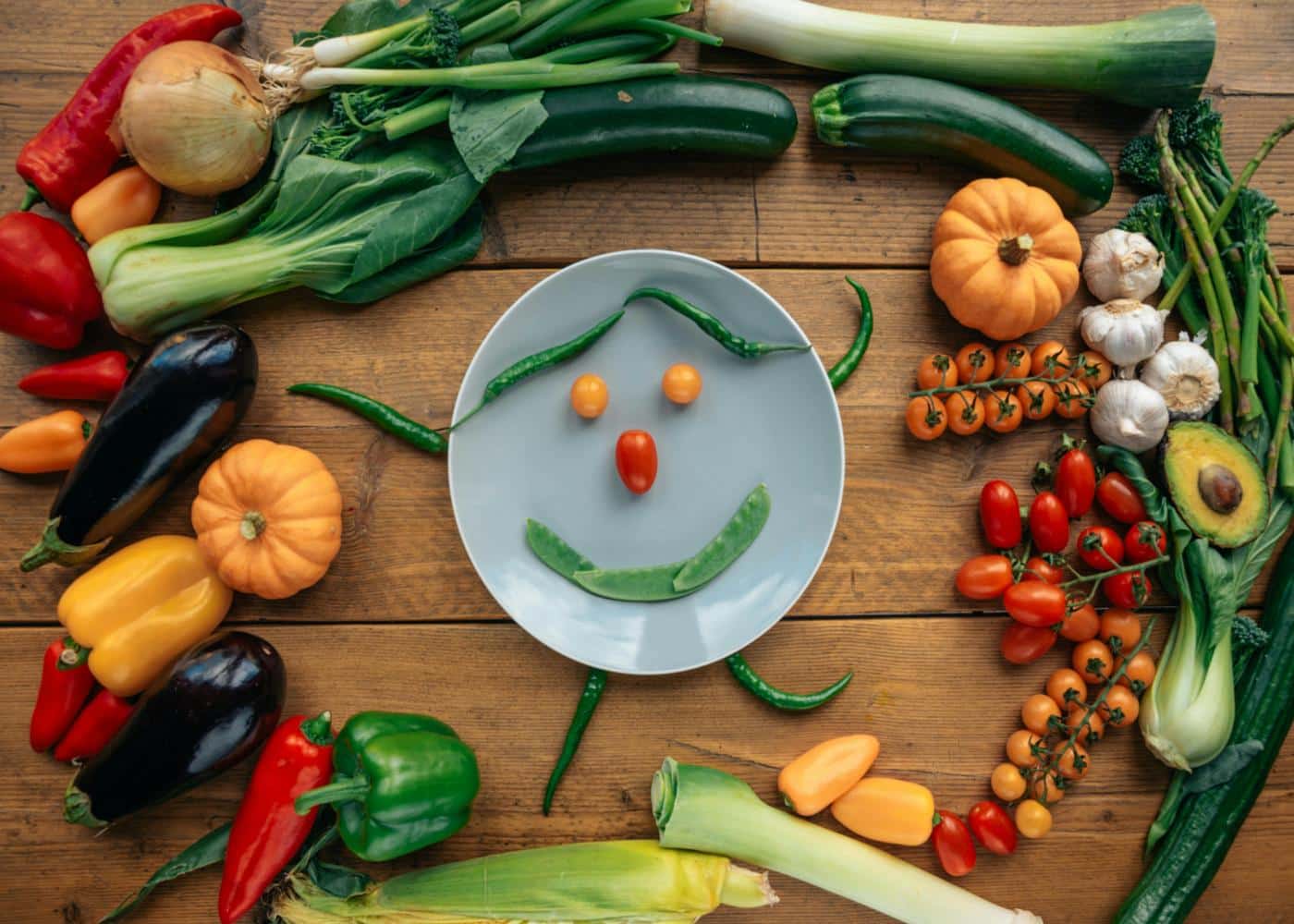
A MIND diet meal plan makes room for everyday foods: oats, frozen berries, beans, leafy greens, wholegrain bread and simple fish or poultry dishes. You can build the week around a few repeatable recipes without buying specialist products or cooking every meal from scratch.
MIND stands for Mediterranean–DASH Intervention for Neurodegenerative Delay. Researchers developed it by combining elements of the Mediterranean diet and DASH diet, giving particular attention to leafy greens and berries.
This article turns the food pattern into a practical week: a clear food list, a complete menu, eight recipes, measured shopping quantities and preparation guidance. It also explains how to adapt the menu with Neura. Seven days gives you time to try the routine, rather than a timeframe for measuring changes in memory.
MIND Diet Food List: What to Eat and How Often

The MIND diet focuses on foods to include regularly, alongside several groups to limit. Start with the food categories below, then use the menu to see how they fit into ordinary breakfasts, lunches and dinners.
Foods to Build the Week Around
These practical frequencies follow RUSH’s MIND diet food guidance. They help organize meals without setting a universal calorie intake or requiring every meal to look the same.
Food group | Practical frequency | Examples and portions |
Leafy greens | Daily | Spinach, kale or romaine; approximately 1 cup raw or ½ cup cooked |
Other vegetables | At least daily | Broccoli, peppers, carrots, cabbage and tomatoes |
Berries | Most days | Approximately ½ cup blueberries, strawberries or mixed berries |
Whole grains | At least 3 servings daily | One slice wholegrain bread or ½ cup cooked oats, brown rice, quinoa or wholewheat pasta |
Nuts | At least 5 days weekly | Approximately 28 g unsalted nuts |
Beans and other pulses | At least 3 meals weekly | Approximately ½ cup cooked beans, chickpeas or lentils |
Nonfried fish | At least once weekly | Salmon, trout or another suitable fish |
Skinless, nonfried poultry | At least twice weekly | Chicken or turkey |
Olive oil | Main cooking and dressing oil | Measure into recipes; RUSH’s practical guide uses about 2 tablespoons daily |
You may see different frequencies in older MIND diet food lists. Earlier descriptions commonly used six leafy-green servings and two berry servings weekly; the updated RUSH scoring framework uses seven and five, respectively. This menu includes both daily.
Other fruit is welcome too. Apples and oranges are not excluded because berries receive particular attention. Eggs, plain lower-fat dairy and suitable fortified alternatives can also help complete meals, even though they are not all individually rewarded categories in the MIND score.
Foods to Limit, With Useful Swaps
The MIND approach limits butter and stick margarine, full-fat cheese, red and processed meat, pastries and sweets, and fast or fried foods. That does not require treating an occasional piece of cheese or dessert as a failed week.
Instead of relying on… | Try more often… |
Butter as the default cooking fat | Measured olive oil |
Processed-meat sandwiches | Chicken, chickpeas or bean fillings |
Fried fish or chicken | Baked, grilled or pan-cooked versions |
Pastries as a regular breakfast | Oats, berries, yogurt or eggs on wholegrain toast |
Cheese as the main source of flavor | Herbs, lemon, garlic and a smaller amount of cheese when wanted |
Keep the overall pattern in view. Replacing several weekly takeout meals with simple home-cooked dishes is a useful practical change; it does not depend on avoiding every less-frequent food.
Some historical MIND scores include wine, but this menu is alcohol-free.
Budget-Friendly Choices and Dietary Adjustments
Frozen berries, plain frozen vegetables, canned beans and store-brand grains make this week easier to shop for. Check canned-bean drained weights and choose lower-sodium options when available. Look for whole-grain ingredients on bread and pasta labels rather than relying on brown coloring alone.
For a vegetarian version, replace poultry and fish meals with adequate portions of tofu, beans or lentils, then revise the recipe and shopping quantities. This changes the original fish and poultry components, so an adapted menu should not be assumed to have identical research evidence.
For gluten-free needs, use certified gluten-free oats and appropriate bread and pasta. Brown rice and quinoa already fit. Nut allergies require a suitable alternative; seeds should not be described as an automatically equivalent replacement for the researched nut component.
If you have a medically prescribed diet, check whether the portions and ingredients need further changes. Neura’s guides to choosing a suitable diet plan and functional nutrition offer broader personalization context.


Your 7-Day MIND Diet Meal Plan

This menu is for one adult. It uses planned leftovers to reduce cooking, with later portions frozen rather than refrigerated for the entire week. Adjust portions around your appetite, activity and nutritional needs; the plan does not assume you want a calorie deficit.
How to Use the Menu
Every day includes 28 g unsalted nuts and one additional fruit, shown in the table. On Days 2, 4 and 6, also have 100 g berries and 200 g plain lower-fat yogurt as snacks. On the other days, the berries and yogurt are included in breakfast.
You can add the nuts to breakfast or eat them later. For example, on Day 2, the yogurt and berries could be an afternoon snack, with the orange and nuts at another convenient time.
The week includes leafy greens and other vegetables daily, berries and nuts on all seven days, six bean or chickpea meals, two fish meals and four poultry meals. Each day includes at least three ordinary wholegrain servings using the portions in the food list. The recipes use 210 ml olive oil across the week, approximately 14 tablespoons before cooking losses.
Those are ingredient checks, rather than a validated clinical adherence score or proof of a cognitive benefit. If you need calorie or protein estimates, use actual labels and appropriate food-composition data.
The Seven-Day Menu
Include the daily nuts and the extra yogurt-and-berry snacks described above. Each named meal corresponds to a recipe below.
Day | Breakfast | Lunch | Dinner | Additional fruit |
1 | Berry, oat and yogurt bowl | Lemon chicken and brown rice salad | Salmon, quinoa and broccoli | 1 apple |
2 | Spinach and eggs on toast | Leftover chicken and rice salad | Leftover salmon, quinoa and broccoli | 1 orange |
3 | Berry, oat and yogurt bowl | Black bean and sweet potato bowl | Turkey and vegetable wholewheat pasta | 1 apple |
4 | Spinach and eggs on toast | Leftover black bean bowl | Leftover turkey pasta | 1 orange |
5 | Berry, oat and yogurt bowl | Chickpea, kale and vegetable soup with toast | Ginger tofu and broccoli rice bowl | 1 apple |
6 | Spinach and eggs on toast | Leftover chickpea soup with toast | Leftover tofu and rice bowl | 1 orange |
7 | Berry, oat and yogurt bowl | Black bean bowl frozen on Day 3, thawed and reheated | Chickpea soup frozen on Day 5, thawed and reheated, with toast | 1 apple |
Eight MIND Diet Recipes for Beginners
Oats, rice, quinoa and pasta are weighed dry. Beans and chickpeas are cooked, drained weights; tofu is drained weight. Poultry and fish are raw weights, and vegetables are edible raw weights unless stated otherwise. Divide each finished batch evenly because cooked yields vary.
1. Berry, Oat and Yogurt Bowl
Makes: One serving. Prepare on Days 1, 3, 5 and 7.
Time: Approximately 10 minutes.
Ingredients:
60 g rolled oats
200 ml lower-fat milk
100 ml water
170 g plain lower-fat yogurt
100 g mixed berries
¼ teaspoon cinnamon
Method:
Simmer the oats with the milk and water until tender, following the packet timing. Add more water if needed.
Add the berries, thawed or prepared according to their package instructions, and cinnamon.
Spoon the yogurt over the oats. Add the day’s nuts as a topping or eat them separately; they remain part of the 28 g daily allocation.
Adjustment: Use suitable unsweetened fortified dairy alternatives if needed. Check protein and fortification because products vary.
2. Spinach and Eggs on Toast
Makes: One serving. Prepare on Days 2, 4 and 6.
Time: Approximately 10 minutes.
Ingredients:
2 eggs
60 g spinach
100 g chopped tomato
2 slices wholegrain bread
5 ml olive oil
Method:
Warm the oil in a pan. Add the tomato and cook for 2–3 minutes.
Add the spinach and stir until wilted. Beat the eggs in a bowl, pour them into the pan and stir until fully set.
Serve over the toasted bread. Keep the separate yogurt-and-berry snack in the day’s menu.
3. Lemon Chicken and Brown Rice Salad
Makes: Two servings, for lunches on Days 1 and 2.
Time: Approximately 35–40 minutes, depending on the rice.
Ingredients:
300 g skinless chicken breast
120 g dry brown rice
120 g chopped romaine
200 g cucumber
200 g tomato
30 ml olive oil
30 ml lemon juice
½ teaspoon dried oregano
Method:
Cook the rice according to its packet. Warm 10 ml oil in a pan over medium heat and cook the chicken, turning as needed, until its thickest part reaches 165°F/74°C. Slice once cooked.
Whisk the remaining 20 ml oil with the lemon juice and oregano.
Divide the rice and chicken equally. Add half the chopped vegetables and dressing to today’s serving.
Refrigerate tomorrow’s chicken, rice and salad ingredients promptly in separate containers, then assemble at lunchtime.
Cool the second rice portion promptly in a shallow container rather than leaving it on the counter while preparing other meals.
4. Salmon, Quinoa and Broccoli
Makes: Two servings, for dinners on Days 1 and 2.
Time: Approximately 25 minutes.
Ingredients:
300 g salmon fillet, divided into two pieces
120 g dry quinoa
400 g broccoli florets
30 ml olive oil
20 ml lemon juice
Method:
Heat the oven to 400°F/200°C. Cook the quinoa according to its packet.
Toss the broccoli with 15 ml oil and roast for approximately 10 minutes.
Add the salmon, brush with the remaining oil and roast until it reaches 145°F/63°C. Start checking after approximately 10–15 minutes, depending on thickness.
Divide everything equally, add lemon juice and refrigerate the second portion promptly for the following evening.
5. Black Bean and Sweet Potato Bowls
Makes: Three servings, for lunches on Days 3, 4 and 7.
Time: Approximately 40 minutes.
Ingredients:
450 g drained black beans
450 g diced sweet potato
300 g chopped bell pepper
180 g dry brown rice
150 g spinach
45 ml olive oil
30 ml lime juice
1 teaspoon ground cumin
½ teaspoon smoked paprika
Method:
Heat the oven to 400°F/200°C. Toss the sweet potato and pepper with 30 ml oil and the spices.
Roast for 25–35 minutes, turning halfway, until tender. Cook the rice according to its packet.
Warm the beans and spinach in a pan with the remaining 15 ml oil and a splash of water until the spinach wilts and the beans are hot.
Divide all components into three equal portions and add lime juice.
Eat one portion, refrigerate one for Day 4 and promptly freeze one for Day 7 after rapid cooling.
Adjustment: If you usually eat few pulses, introduce larger portions gradually and revise the menu quantities to suit.
6. Turkey and Vegetable Wholewheat Pasta
Makes: Two servings, for dinners on Days 3 and 4.
Time: Approximately 30 minutes.
Ingredients:
300 g lean ground turkey
150 g dry wholewheat pasta
400 g canned chopped tomatoes
200 g chopped zucchini
100 g chopped onion
10 g minced garlic
30 ml olive oil
1 teaspoon dried oregano
Method:
Warm the oil in a pan and soften the onion and zucchini for approximately five minutes.
Add the garlic and turkey, breaking the meat into small pieces as it cooks.
Stir in the tomatoes and oregano. Simmer until the vegetables are tender and the turkey is cooked through to 165°F/74°C.
Cook the pasta according to its packet, combine with the sauce and divide equally.
Refrigerate the second serving promptly for Day 4.
7. Chickpea, Kale and Vegetable Soup With Toast
Makes: Three servings, for lunches on Days 5 and 6 and dinner on Day 7.
Time: Approximately 35 minutes.
Ingredients:
450 g drained chickpeas
300 g chopped carrots
300 g shredded cabbage
200 g chopped onion
150 g chopped kale, tough stems removed
400 g canned chopped tomatoes
750 ml lower-sodium vegetable broth
10 g minced garlic
30 ml olive oil
1 teaspoon dried oregano
6 slices wholegrain bread, served separately
Method:
Warm the oil in a large saucepan. Cook the onion and carrots for approximately five minutes.
Add the garlic, cabbage, tomatoes, broth and oregano. Simmer for 15–20 minutes until the vegetables soften.
Add the chickpeas and kale. Simmer for another 5–10 minutes, adding water if needed.
Divide into three equal portions. Serve each with two slices of toast.
Refrigerate the Day 6 portion and promptly freeze the Day 7 portion after rapid cooling. Freeze the later bread portions separately if useful.
8. Ginger Tofu and Broccoli Rice Bowls
Makes: Two servings, for dinners on Days 5 and 6.
Time: Approximately 35–40 minutes.
Ingredients:
300 g firm tofu
120 g dry brown rice
300 g broccoli florets
200 g sliced bell pepper
10 g grated ginger
20 ml reduced-sodium soy sauce
30 ml olive oil
Method:
Cook the rice according to its packet. Pat the tofu dry and cut into cubes.
Heat 15 ml oil in a large pan and cook the tofu until lightly browned. Transfer to a plate.
Add the remaining oil, broccoli and pepper with a splash of water. Cook until tender.
Return the tofu, add the ginger and soy sauce, and heat through.
Divide with the rice into two equal portions. Refrigerate the second promptly for Day 6.
Adjustment: Use suitable gluten-free tamari if needed and update the shopping list.
Shopping List for One Adult
The quantities below cover the complete menu and daily snacks. They describe the amount used; package sizes, trimming and produce yields will vary. Larger portions or extra snacks require additional shopping.
Category | Amount used across the week | Purchasing notes |
Grains | Rolled oats 240 g; dry brown rice 420 g; dry quinoa 120 g; dry wholewheat pasta 150 g; wholegrain bread 12 slices | Buy standard packets and freeze unused bread |
Poultry, fish and eggs | Chicken breast 300 g; lean ground turkey 300 g; salmon 300 g; 6 eggs | Freeze turkey if it will not be cooked within 1–2 days; thaw for Day 3 |
Tofu and pulses | Firm tofu 300 g; drained black beans 450 g; drained chickpeas 450 g | Two typical cans of each pulse may provide about 480 g; check labels and reserve any surplus |
Dairy | Lower-fat milk 800 ml; plain lower-fat yogurt 1,280 g | Yogurt includes 680 g in breakfasts and 600 g in snacks |
Berries, fruit and nuts | Mixed berries 700 g; 4 apples; 3 oranges; unsalted nuts 196 g | Frozen berries and a 200 g nut bag simplify shopping |
Leafy greens | Spinach 330 g; romaine 120 g; kale 150 g | Edible weights; allow extra for discarded kale stems |
Other fresh vegetables | Tomatoes 500 g; cucumber 200 g; broccoli 700 g; bell peppers 500 g; sweet potato 450 g; zucchini 200 g; onion 300 g; carrots 300 g; cabbage 300 g | Buy loose produce or suitable plain frozen vegetables |
Canned vegetables and broth | Chopped tomatoes 800 g; lower-sodium vegetable broth 750 ml | Two 400 g tomato cans; store leftover broth appropriately |
Oil, sauces and aromatics | Olive oil 210 ml; lemon juice 50 ml; lime juice 30 ml; reduced-sodium soy sauce 20 ml; garlic 20 g; ginger 10 g | Approximately 2 lemons and 1–2 limes, depending on yield |
Seasonings | Cinnamon 1 teaspoon; oregano 2½ teaspoons; cumin 1 teaspoon; smoked paprika ½ teaspoon; optional pepper and modest salt | Check the cupboard first; broth and soy sauce already supply sodium |
A Preparation Schedule That Fits the Week
You do not need to cook seven days of meals at once. This schedule uses three main cooking days, fresh breakfasts and a few frozen portions.
When | Preparation and storage |
Shopping day | Check dates, portion nuts and freeze turkey if it will not be cooked within 1–2 days. Keep later bread portions frozen if useful. |
Day 1 | Cook two chicken lunches and two salmon dinners. Refrigerate Day 2 portions promptly. Thaw frozen turkey in the refrigerator in time for Day 3. |
Day 3 | Cook three black bean bowls and two turkey pasta portions. Refrigerate Day 4 meals and freeze the Day 7 bean bowl after rapid cooling. |
Day 5 | Cook three soup portions and two tofu bowls. Refrigerate Day 6 meals and freeze the Day 7 soup after rapid cooling. |
Day 6 evening | Move the frozen Day 7 meals to the refrigerator to thaw. |
Day 7 | Reheat the thawed meals thoroughly and serve with the planned breakfast and snacks. |
For days when you need more assembly-style meals, Neura’s no-cook meal plan offers ideas to adapt around the MIND food groups.
Create a Custom MIND Diet Plan With Neura

A useful menu needs to fit the person shopping and cooking. Neura’s personalized diet-plan generator can help create meals around your goals, preferences and routine, with relevant connected lifestyle and activity data providing additional context.
Give Neura the Details That Change the Menu
To use Neura as a MIND diet meal planner, start with your household size, allergies, dietary restrictions, disliked foods, grocery budget and available cooking time. Mention the equipment you have and the ingredients already in your kitchen.
Then explain the food pattern you want to follow. A useful request would be:
Create a seven-day MIND-style meal plan for one adult. Include leafy greens daily, berries most days, at least three wholegrain servings daily, nuts on at least five days, beans or chickpeas at least three times, fish at least once and poultry at least twice. Keep it alcohol-free. I have 30 minutes of hands-on time for most dinners, prefer frozen berries and canned beans, and want planned leftovers.
If you need a vegetarian version, smaller portions or fewer ingredients, say so before generating the menu. Share any clinician-set restrictions that affect the recommendations.
Turn the Menu Into a Shopping List and Adjust It
Neura’s meal-planning and shopping-list tools can combine quantities across recipes, remove items you already own and adjust household portions. You can replace an individual meal and ask for the shopping list to be updated accordingly.
After trying the menu, give practical feedback: whether portions were filling, ingredients were affordable and preparation fit your schedule. Its health-tracking guide explains how to bring relevant habits and progress information together.
Neura supports wellness planning. Connected activity or sleep data cannot establish whether a diet prevents cognitive decline, and the app does not diagnose memory problems or replace individual medical nutrition advice. Get started with Neura to create a menu around your own requirements.
Final Thoughts: Mind Diet Meal Plan
A MIND diet meal plan can be built from familiar ingredients and a manageable cooking schedule. Keep leafy greens and other vegetables in regular rotation, use whole grains and pulses, and plan when you will eat berries, nuts, fish and poultry. Frozen ingredients and repeated meals make that easier to maintain.
Use this week to find combinations you enjoy, then adjust portions and recipes to your needs. The immediate result is a more organized week of meals. Claims about memory or dementia prevention require a different level of evidence than completing a seven-day menu.
Article FAQ
What Is the MIND Diet?
The MIND diet combines elements of Mediterranean and DASH eating, with particular emphasis on leafy greens and berries. Its food pattern also includes whole grains, nuts, beans, olive oil, nonfried fish and poultry, while limiting several saturated-fat-rich, fried and sweet foods.
What Is the Primary Purpose of the MIND Diet?
It was developed to investigate an eating pattern that might help slow cognitive decline with aging. MIND stands for Mediterranean–DASH Intervention for Neurodegenerative Delay. That research purpose does not establish it as a treatment for dementia or a guarantee that an individual will avoid memory problems.
What Can You Eat for Breakfast on the MIND Diet?
Oats with berries and plain yogurt, or spinach and eggs on wholegrain toast, are two options in this menu. Nuts can be added to breakfast or eaten later. You do not need specialist breakfast products, and the portions can change with your appetite and dietary needs.
Can You Eat Eggs and Dairy on the MIND Diet?
Yes. Plain lower-fat milk and yogurt, and eggs, can fit the overall pattern even though they are not separate high-scoring food groups. Full-fat cheese is one of the groups the MIND approach limits. Adapt choices for allergies, tolerance and any individual nutrition advice.
Can You Follow the MIND Diet Without Fish or Meat?
You can build a plant-based adaptation using adequate portions of tofu, beans, lentils, grains and suitable fortified foods. Replacing fish and poultry changes the original pattern, so the adapted menu should not be described as having identical evidence. Revise recipes and shopping quantities along with the substitutions.
Does the MIND Diet Prevent Dementia or Improve Memory?
It has not been established as a dementia-prevention treatment. Observational findings have been encouraging, but the major three-year randomized trial did not find a significant overall cognitive or MRI advantage over its comparison group. A later exploratory analysis reported by RUSH raised questions about differing responses between subgroups; it does not establish a general prevention claim. New or persistent memory concerns warrant medical assessment.