
Simple Life App Review: Is it the Best App for Weight Loss?
Health

Key Findings
Simple is an easy-to-use weight loss app with meal feedback, fasting tools, habit tracking, workouts, and AI coaching. It may suit beginners who want support without detailed calorie counting, but many features require a paid plan and the fasting-focused approach will not work for everyone.
Weight loss apps can help you understand your habits, stay consistent, and see how your daily choices affect your progress.
The challenge is finding one that offers useful support without turning every meal, workout, and weigh-in into another task.
Simple takes a more relaxed approach than many traditional calorie-tracking platforms. It combines intermittent fasting, meal feedback, habit tracking, workouts, and AI coaching.
This may suit people who want more structure without logging every calorie or following a strict diet.
In this simple app review, we look at how the platform works, what it feels like to use, its main advantages and limitations, and how it compares with other popular weight loss apps.
What is the Simple Life App?
The Simple Life app is an AI-supported weight loss and wellness platform for adults. It helps users build healthier routines through food awareness, fasting schedules, movement, hydration, weight tracking, and daily coaching.
Instead of focusing heavily on calorie totals, Simple encourages users to look at broader patterns.
You can log meals, record fasting periods, track water and activity, complete daily actions, and ask the in-app coach questions about your routine.
Avo, the platform’s AI coach, provides suggestions based on the information you enter. Avo Vision can also analyze photos of meals, groceries, or menus and offer general nutrition feedback.
Other tools include workouts, fasting timers, educational content, progress scores, and streak tracking. The overall experience is designed to feel approachable rather than highly technical.
Simple Life App: Hands-On Review

Here is how Simple works in practice, what the experience feels like, and where it performs well or falls short.
How Does Simple Life Work?
Simple starts with a questionnaire about your weight, goals, eating habits, activity, and lifestyle. It uses your answers to create a personalized plan with daily actions related to meals, movement, hydration, and fasting.
You can log food by typing what you ate or uploading a photo, then receive general nutrition feedback.
The app also includes an AI coach, fasting timer, workouts, habit tracking, and progress tools.
Basic tracking is available for free, while more personalized guidance requires a subscription. The simple app cost varies by plan and offer, so check the total price and renewal terms before signing up.
What Does Simple Life Feel Like to Use?
Simple feels more like a daily habit coach than a detailed food diary. The interface is visual, the language is encouraging, and most check-ins can be completed quickly.
This makes it approachable for beginners and people who find traditional calorie tracking too time-consuming.
The daily routine is easy to follow. You complete a short check-in, review your suggested actions, log meals and habits, and monitor progress through streaks or scores.
Photo-based meal logging can save time, but the results may not always identify every ingredient or portion correctly. Users who want exact calorie or macronutrient information may still prefer a dedicated nutrition tracker.
The app also uses playful features, including reactions, streaks, and a character called Blinky. Some users may find these tools motivating, while others may prefer a more neutral experience.
Simple works best when you use it regularly. The AI coach needs information about your meals, weight, habits, and activity to provide relevant feedback.
Looking at Simple Life reviews, many users praise the clear design, fasting tracker, and alternative to detailed calorie counting.
However, Simple Life weight loss reviews also mention concerns about subscription renewals, pricing clarity, and the platform’s focus on intermittent fasting.
Simple Life: Key Features
Simple Life is designed to make weight management and healthier habits feel easier to follow.
Its key features focus on simplifying meal tracking, fasting support, progress monitoring, and personalized guidance, helping users build a routine that feels more manageable rather than overwhelming.
Avo AI coach: Provides answers, encouragement, check-ins, and suggestions related to food, fasting, activity, and weight management.
Avo Vision: Analyzes photos of meals, groceries, or menus and offers general nutrition feedback.
Meal logging: Allows users to record food without weighing every ingredient.
Meal feedback: Suggests practical ways to improve meal balance and nutrition.
Fasting tracker: Displays eating and fasting windows, sends reminders, and records fasting history.
Daily plan: Creates a short list of actions based on your goals and recent activity.
Personalized workouts: Includes beginner-friendly exercise routines.
Health tracking: Records water, movement, steps, weight, and general well-being.
Educational content: Includes recipes, articles, and lessons about healthier habits.
Simple: Pros
✅ Does not require detailed calorie counting.
✅ Has a clear and beginner-friendly interface.
✅ Combines meal, fasting, exercise, water, and weight tracking.
✅ Makes meal logging quicker with photo analysis.
✅ Provides manageable daily actions.
Simple: Cons
❌ Many personalized tools require a Simple app premium subscription.
❌ Subscription prices and promotional offers can vary.
❌ The fasting focus will not suit everyone.
❌ AI meal analysis may not always be accurate.
❌ AI support cannot replace professional medical or nutrition advice.
Final Verdict: Is Simple Life Good for Weight Loss?
Simple can be a useful weight loss platform for people who want accountability, habit coaching, and a less numbers-heavy alternative to calorie counting.
It may be particularly helpful for beginners who prefer quick daily actions, visual progress, basic meal feedback, and an optional fasting schedule.
The platform can also encourage users to pay more attention to hydration, movement, meal quality, and eating times.
However, no app can guarantee weight loss. Results will still depend on overall food intake, activity, sleep, stress, health, and consistency.
Simple is most helpful when its recommendations support habits you can realistically maintain.
Intermittent fasting may help some people manage when and how much they eat, but it is not automatically more effective than other balanced weight loss approaches. It is also not suitable for everyone.
People who are pregnant, have a history of disordered eating, take certain medications, or have conditions that affect blood sugar should speak with a healthcare professional first.
Overall, Simple may be a good choice if you want an approachable, habit-based platform and do not mind its emphasis on fasting.
It is less suitable for users who want exact nutrition data, regular human coaching, or a fixed plan with clearly displayed pricing.


Alternative Apps for Losing Weight

These alternatives offer different approaches, including nutrition tracking, behavior coaching, community support, and adaptive health guidance.
Neura Health
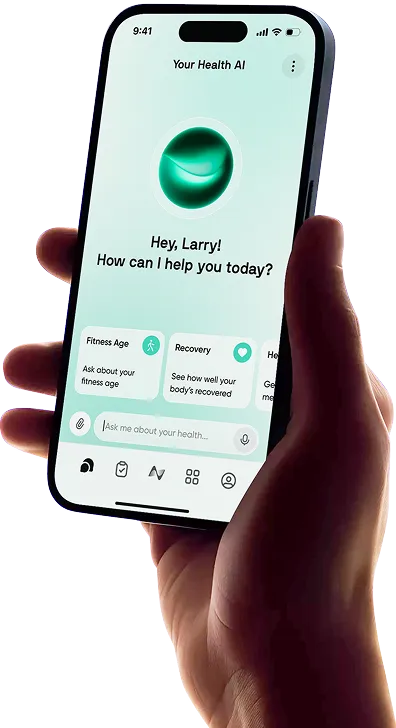
Neura Health is designed for people who want their health information turned into clear daily actions.
Rather than showing users several dashboards and leaving them to interpret the data, Neura identifies what matters and provides practical guidance.
It can use information from connected devices to adjust recommendations based on sleep, recovery, stress, activity, and current goals.
For example, it may suggest a more demanding workout when you are well recovered or recommend lighter movement after a poor night’s sleep.
Neura is also designed to work in the background through proactive notifications and personalized audio recaps. This makes it a strong option for people who want weight loss guidance that considers their overall health, not only meals or fasting windows.
Noom
Noom focuses on the psychology behind eating habits. It combines food and weight logging with lessons, behavior-change exercises, digital tools, and coaching support.
It may suit people who want to understand emotional eating, identify common triggers, and build healthier thought patterns.
Compared with Simple, Noom places more emphasis on education and long-term behavior change.
The main drawback is that the program can feel reading-heavy. It is best suited to users who want a structured learning experience rather than quick daily prompts.
MyFitnessPal
MyFitnessPal is best known for calorie and macronutrient tracking. It has a large food database and allows users to record meals, water, exercise, weight, and steps.
It may be a better fit than Simple for people with specific calorie, protein, carbohydrate, or fat targets. It also connects with many health and fitness devices.
The trade-off is that MyFitnessPal requires more data entry. Users may need to search for foods, check serving sizes, and review nutrition details carefully.
It provides greater control than Simple, but it can also require more time.
WeightWatchers
WeightWatchers uses a Points system to simplify food choices. Users receive a daily Points budget and track meals, activity, and weight through the app.
It may appeal to people who want a structured program, flexible food choices, and access to a larger community. Some memberships also include workshops, recipes, and coaching.
Users who dislike assigning values to food may prefer Simple’s broader meal feedback.
WeightWatchers is better suited to people who find a daily budget helpful.
Lose It!
Lose It! focuses on calorie budgeting. Users set a goal, receive a daily calorie target, and log food and activity to monitor their progress.
The app also supports macronutrient tracking, weight trends, barcode scanning, and fasting tools.
It is a practical choice for users who want traditional calorie tracking without a large amount of educational content.
Compared with Simple, Lose It! gives users more control over calorie intake but offers less conversational coaching.
Read our Lose It! App Review here.
Cronometer
Cronometer provides detailed nutrition tracking, including calories, macronutrients, vitamins, minerals, exercise, and weight.
It is useful for people who want to understand the nutritional quality of their diet in greater depth.
Its food database and nutrient reports provide more detail than Simple. However, the platform can feel technical.
It is better suited to detail-focused users than people who want light, habit-based guidance.
Read our full Cronometer Review for more.
Lose Weight Sustainably with Neura Health

Sustainable weight loss is not only about food or exercise. Sleep, stress, recovery, energy, and daily routines can all affect how easy it is to stay consistent.
Neura Health brings information from your connected health tools into one place and turns it into a practical plan. Instead of giving you several scores to interpret, it helps explain what those numbers mean for your day.
Recommendations can change based on your current condition. After a good night’s sleep, Neura may suggest a more challenging workout. When recovery is low, it may recommend lighter movement, additional rest, or a simpler daily goal.
This flexible approach can make weight management easier to maintain. A missed workout or stressful week does not mean you need to start over. Your plan can adjust to what is realistic at that moment.
Neura is designed to reduce the time you spend switching between food apps, wearables, sleep trackers, and workout platforms. Its goal is to make the information you already collect easier to understand and use.
By considering weight loss alongside sleep, activity, stress, and recovery, Neura can help you build a routine that fits your real life rather than asking you to follow the same plan every day.
Final Thoughts: Simple Life Review
Simple is a beginner-friendly weight loss app for people who want habit coaching without detailed calorie counting.
Its meal feedback, fasting tools, daily actions, and AI support can make it easier to stay accountable.
However, many features require a paid subscription, and the focus on fasting will not suit everyone.
Users who want precise nutrition tracking may prefer MyFitnessPal or Cronometer, while Neura Health may be a better fit for those who want recommendations that also consider sleep, stress, activity, and recovery.
Overall, Simple is a solid option when its approach fits your routine, but it is not the best choice for every weight loss goal.
Article FAQ
What Is the Simple App?
The Simple app is a weight loss and wellness platform that combines meal logging, intermittent fasting, activity tracking, workouts, and AI coaching. It focuses on helping users improve everyday habits without requiring detailed calorie counting.
Is the Simple Life App Legit?
Yes, the Simple Life App is a legitimate platform available through the Apple App Store and Google Play. However, users should review the subscription price, renewal date, and cancellation terms carefully before paying, as Premium subscriptions renew automatically unless canceled.
How Much Does the Simple App Cost?
The price varies based on your location, subscription length, purchase method, and available offer. Simple typically provides monthly, quarterly, nine-month, and annual plans, with the exact price displayed during checkout. A free plan with basic tracking tools is also available.
How Does Simple App Work?
Simple creates a plan based on your weight, lifestyle, eating habits, and goals. You then log meals, fasting periods, water, movement, weight, and well-being. The app uses this information to provide daily actions, meal feedback, progress tracking, workouts, and guidance from its AI coach.
Is the Simple App Free?
Yes, Simple offers a free version with basic tools for tracking meals, fasting, water, activity, and weight. Features such as detailed insights, unlimited AI coaching, personalized workouts, daily check-ins, and advanced progress tools generally require a Premium subscription.
Does the Simple App Count Calories?
Simple does not focus on traditional calorie counting. Instead, it analyzes your meals and offers general feedback about food quality, balance, and possible improvements. This may suit people who find detailed calorie logging difficult, but it may not provide enough precision for users with exact calorie or macronutrient targets.