The 12 Biggest Health & Wellness Trends to Try in 2026
Health
Key Findings
Wellness in 2026 focuses on sustainable, data-driven habits rather than quick fixes. People are prioritizing foundational health markers like sleep optimization, gut nourishment, and metabolic flexibility while blending natural practices with advanced technology. Central to this shift is passive tracking, where smart wearables automatically gather health data to provide personalized, friction-free insights.
Health and wellness is changing fast. In 2026, the biggest trends are moving beyond quick fixes and generic advice, with more people looking for personalized, practical ways to improve their energy, sleep, fitness, stress, longevity, and overall wellbeing.
From smarter wearables and AI health coaching to recovery-focused fitness, gut health, nervous system support, and more personalized nutrition, this year’s wellness trends are all about understanding your body better and building habits that actually fit your life.
In this guide, we’ll explore the 12 biggest health and wellness trends to try in 2026, what they mean, and how to decide which ones are worth adding to your routine.
What Are The Latest Wellness Trends You Should Try?

The latest wellness trends are becoming more personalized, practical, and data-led. In 2026, people are moving away from generic routines and looking for smarter ways to improve energy, sleep, fitness, nutrition, stress, longevity, and overall quality of life.
Major wellness reports point to growing interest in longevity, performance, women’s health, functional nutrition, AI health tools, and a backlash against over-optimization.
1. AI Health Coaching
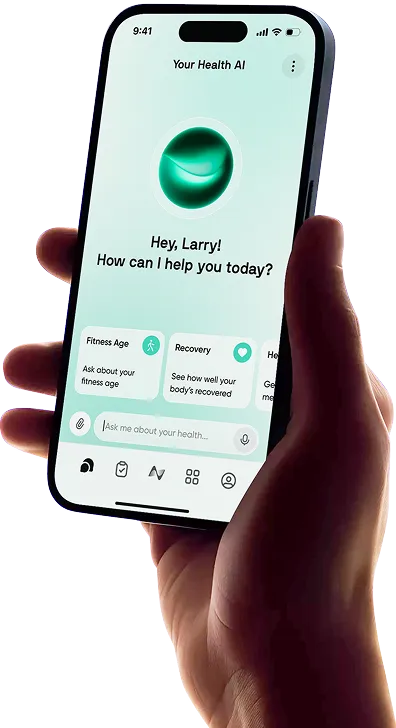
AI health coaching is becoming one of the biggest wellness trends of 2026, especially as wearables, apps, and health platforms collect more personal data. Instead of following a generic workout, sleep, or nutrition plan, people are using AI to turn their own habits, metrics, and goals into more tailored recommendations.
This trend is especially useful if you already track your health but struggle to know what the numbers mean. The real value is not just more data, but clearer guidance on what to do next.
2. Screenless Wearables
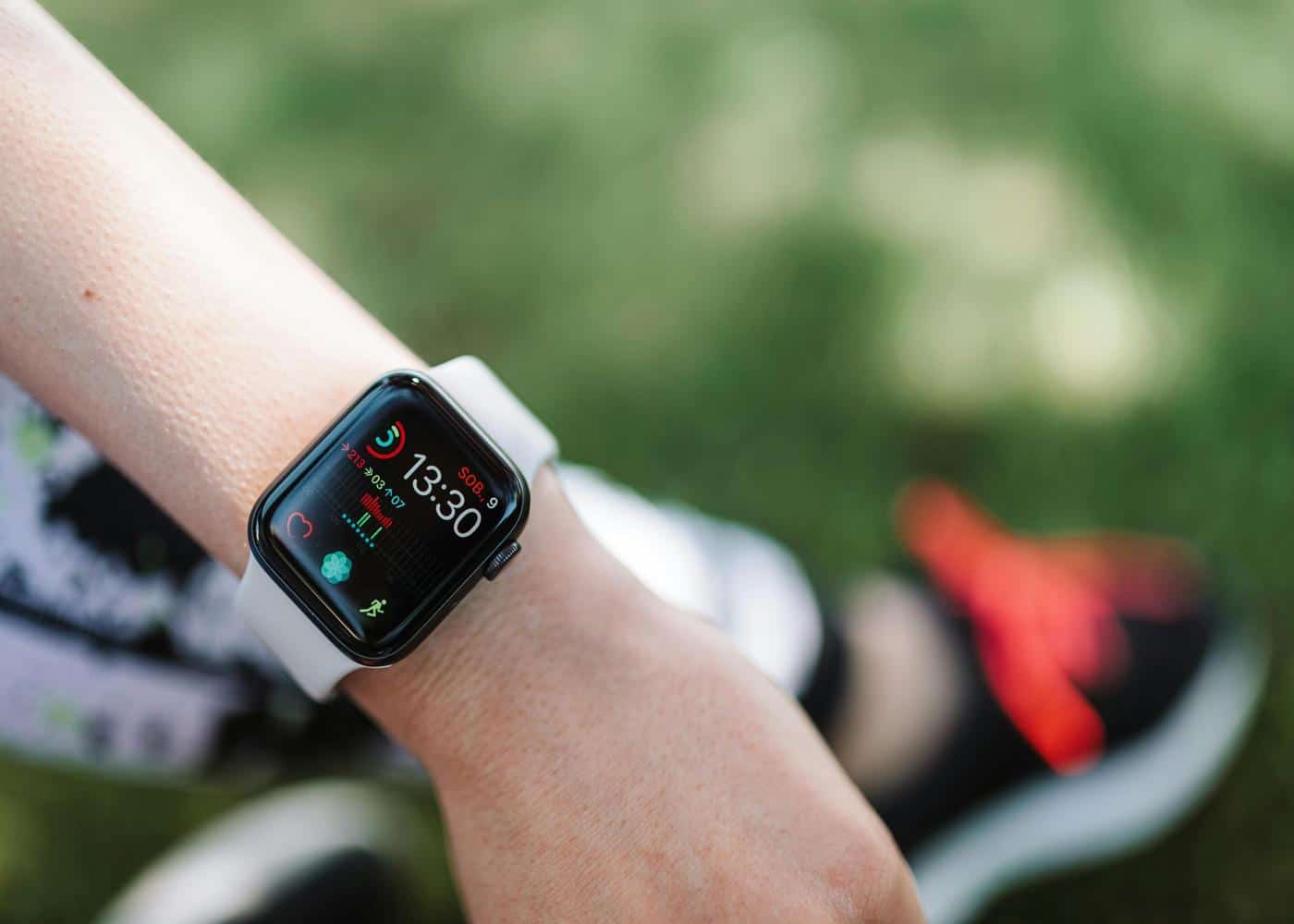
Screenless wearables are gaining attention as people look for health tracking without constant notifications or another distracting device. Smart rings, bands, and minimalist trackers can monitor sleep, heart rate, HRV, recovery, and activity in the background, while keeping the experience less intrusive.
This trend reflects a wider shift toward passive health tracking. People want useful insights, but they do not always want another screen competing for their attention.
3. HRV-Guided Recovery
Heart rate variability is becoming one of the most talked-about recovery metrics, especially among people interested in stress management, longevity, and performance. Rather than only tracking workouts, more users are checking HRV to understand how well their body is handling training, sleep, illness, alcohol, travel, and daily stress.
The key is not chasing a perfect HRV score. It is learning your own baseline and using changes in HRV as a signal to adjust your routine.
4. Protein Sodas and Functional Drinks
Functional drinks are becoming more specific, more convenient, and more mainstream. Protein sodas, gut-health drinks, electrolyte blends, magnesium drinks, and low-sugar functional beverages are all part of this shift.
Instead of simply choosing a drink for taste, people are looking for added benefits, such as more protein, better hydration, digestive support, or relaxation. The trend is wellness made easier to fit into everyday routines.
5. Longevity Beauty
Longevity is moving beyond fitness and supplements into skincare, beauty, and aesthetics. Instead of focusing only on looking younger, more people are interested in skin health, cellular ageing, inflammation, collagen support, sun protection, and treatments that support long-term appearance and wellbeing.
This is where beauty and wellness are increasingly overlapping. The focus is less on quick cosmetic fixes and more on maintaining health, resilience, and confidence over time.
6. Women’s Longevity and Hormone-Aware Wellness
Women’s health is becoming more specific, especially around cycle tracking, perimenopause, menopause, fertility, strength training, recovery, and hormonal changes. In 2026, more wellness products and programs are being designed around female physiology rather than treating women as a smaller version of male users.
This trend matters because sleep, energy, training response, mood, appetite, and recovery can all shift across different life stages and hormonal patterns.
7. Nervous System Fitness
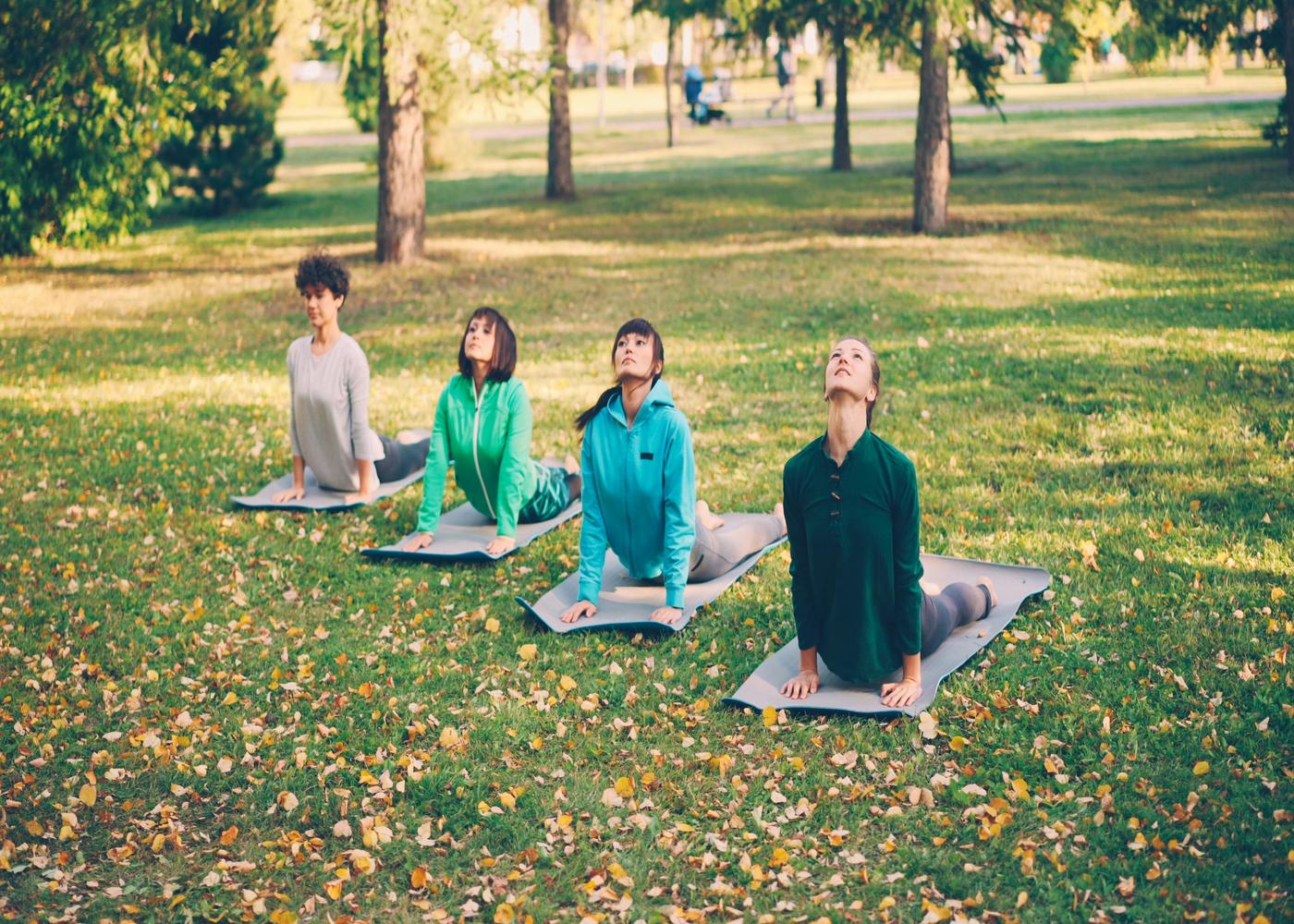
Nervous system regulation is becoming more mainstream as people look for practical ways to manage stress, burnout, and overstimulation. Breathwork, somatic exercises, vagus nerve tools, grounding routines, cold exposure, heat therapy, and low-intensity movement all sit within this trend.
The idea is to train your ability to shift between stress and recovery, rather than staying stuck in a constant state of tension.
8. Joyful Wellness
After years of optimization culture, joyful wellness is emerging as a pushback against making health feel like a full-time job. This trend focuses on pleasure, play, social connection, hobbies, dancing, outdoor movement, relaxed meals, and habits that feel good rather than punishing.
It does not mean ignoring health goals. It means building a routine you actually want to keep.
9. Microplastic-Aware Wellness
Microplastics are becoming a bigger wellness concern, especially as people pay more attention to environmental toxins and long-term health. This trend includes switching to glass or stainless steel bottles, reducing plastic food storage, filtering water, choosing cleaner personal care products, and being more mindful of packaging.
The goal is not perfection. It is reducing avoidable exposure where realistic.
10. Bio-Synced Training
Bio-synced training is about adapting workouts to your body’s rhythms, rather than following the same routine every day. This can include adjusting training based on sleep, HRV, menstrual cycle, stress, recovery, energy levels, or circadian rhythm.
Instead of asking, “What workout is on the plan today?” the trend is moving toward, “What is my body ready for today?”
11. Metabolic Health Monitoring
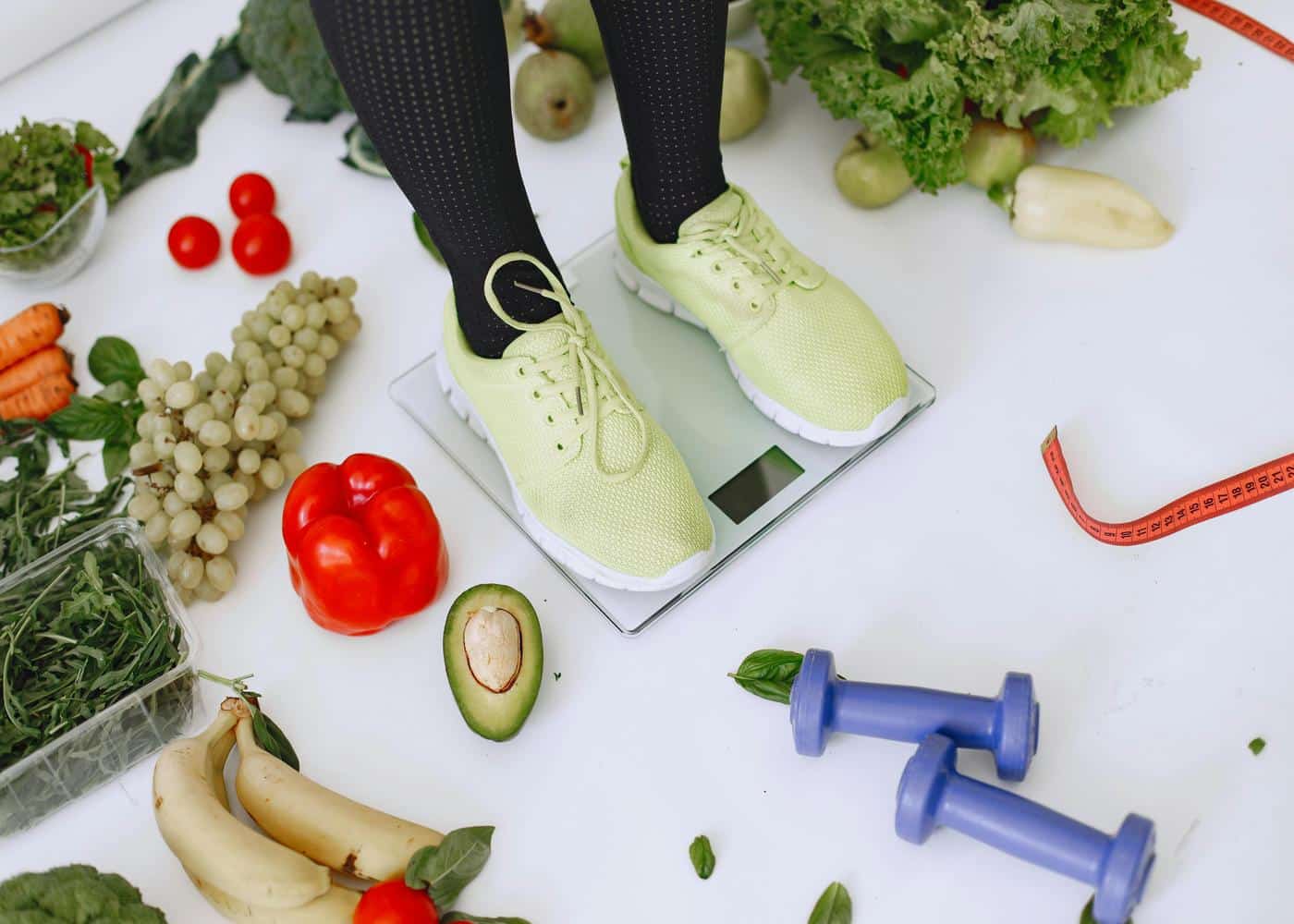
Metabolic health is becoming more mainstream as people look beyond weight loss and calorie counting. More users are paying attention to blood sugar stability, energy crashes, appetite, waist circumference, cholesterol, blood pressure, and how meals affect daily performance.
Continuous glucose monitors, smart food logging, high-protein meals, fibre goals, and strength training are all part of this trend.
12. Wellness Real Estate and Healthier Homes
Wellness is moving into the home. More people are thinking about air quality, water filtration, circadian lighting, temperature control, sleep environments, non-toxic materials, home gyms, recovery spaces, and kitchen setups that make healthy habits easier.
This trend reflects a bigger idea: your environment shapes your health. In 2026, wellness is not just something you do for an hour. It is something increasingly built into the spaces where you live.


Unlock a Healthier You in 2026 with Neura
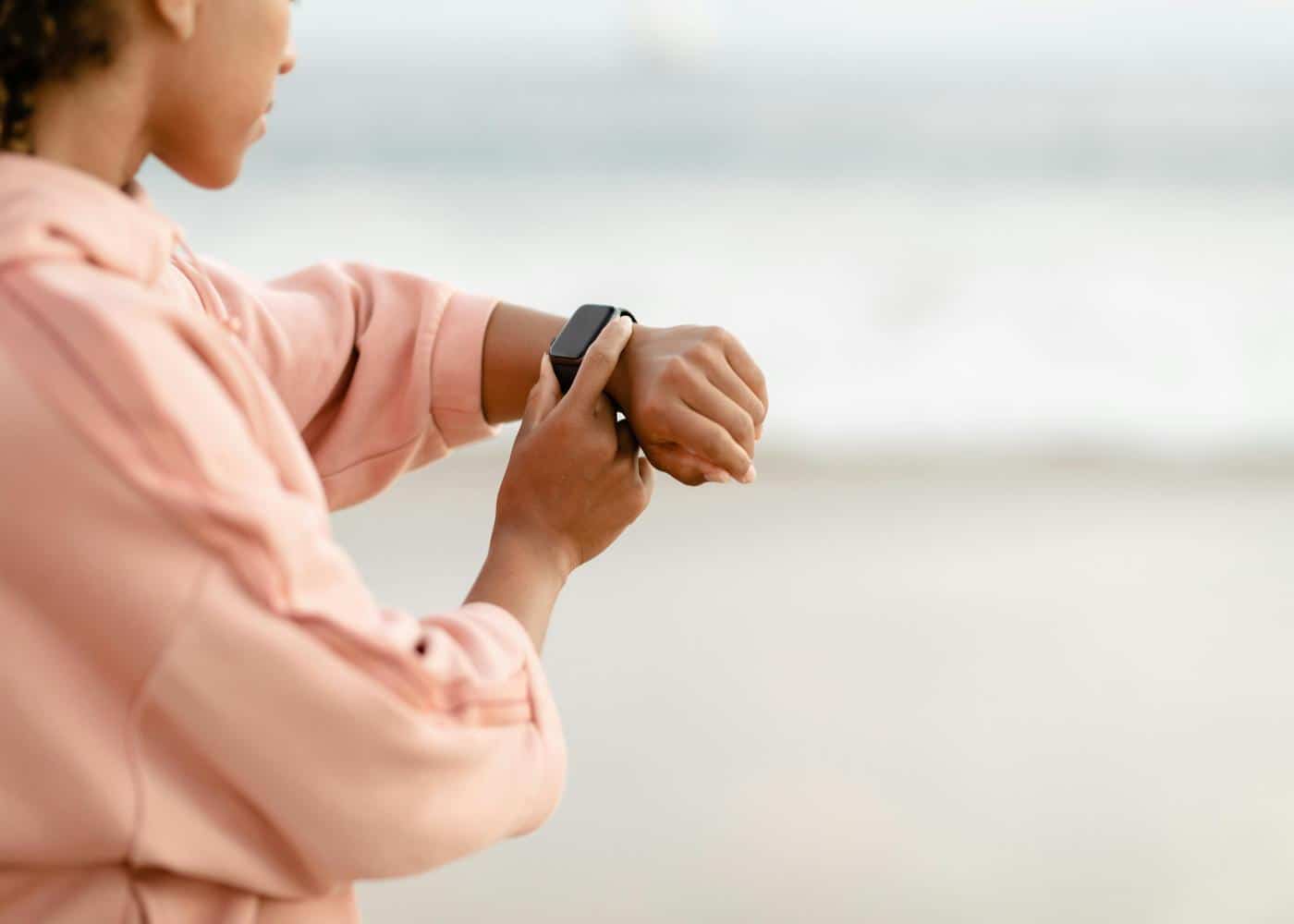
Wellness trends can be useful, but they only work when they fit your body, goals, and daily routine.
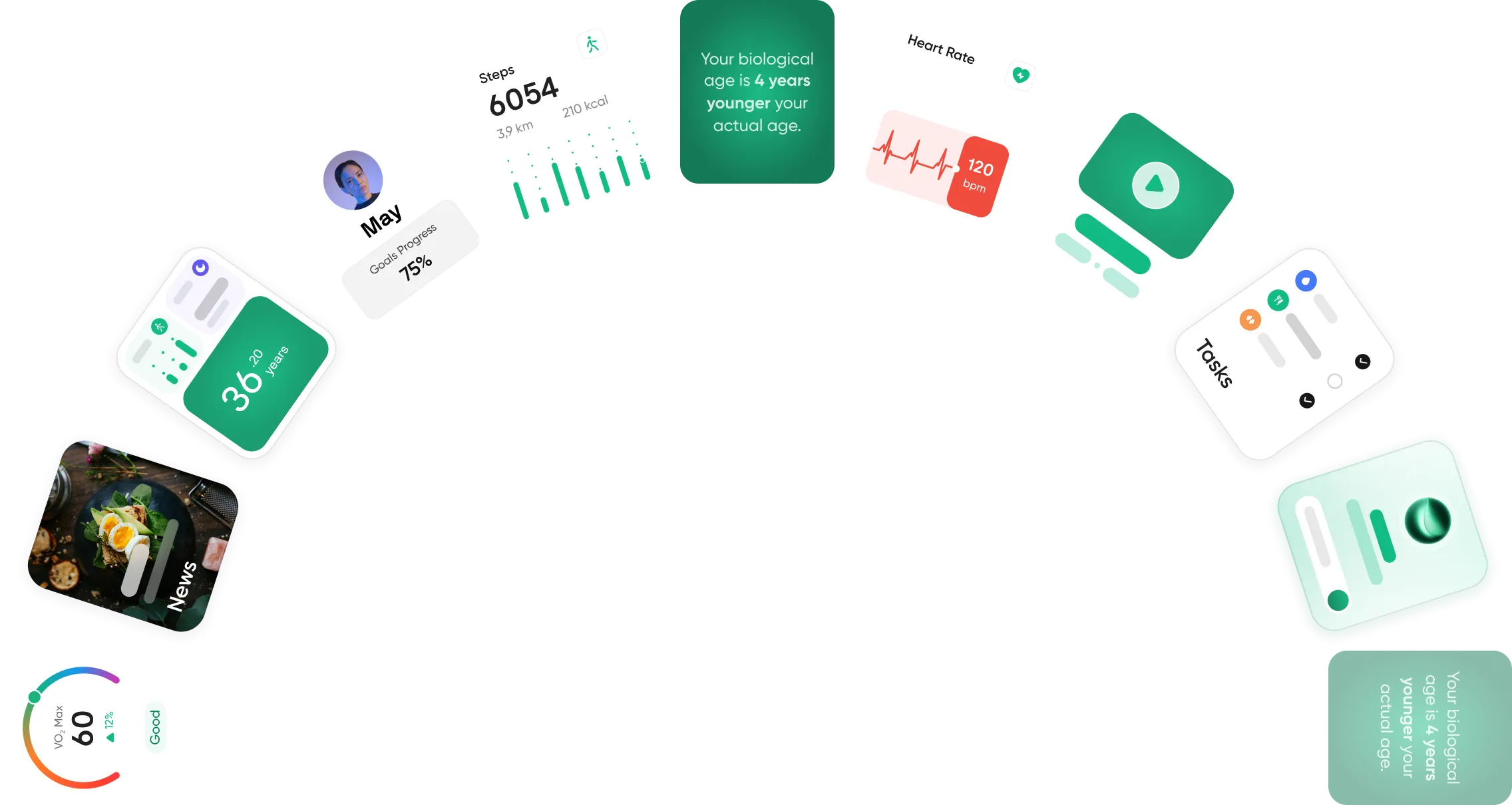
Neura helps you cut through the noise by bringing your health data into one place and turning it into personalized guidance you can actually use.
With Neura, you can connect data from your wearables, apps, nutrition, sleep, stress, supplements, medications, and lifestyle habits to understand what is really affecting your wellbeing. Instead of guessing which wellness trend to try next, Neura helps you identify the areas that matter most for you.
Whether you want to improve recovery, build a better sleep routine, support your gut health, manage stress, or create a more personalized fitness plan, Neura gives you clearer insights and practical next steps. It is not about following every trend.
It is about building a healthier routine that works for you.
What Other Health Trends are Big in 2026?

While the foundational practices mentioned above shape daily routines, several specific diets, workout styles, and nutritional supplements are gaining traction. If you are curious about other movements, here are seven additional trends influencing the sector this year.
1. Plant-Forward Flexitarianism
Strict dietary labels are becoming less common as people adopt plant-forward flexitarianism.
This nutritional approach prioritizes whole grains, legumes, fresh vegetables, and fruits while allowing for the mindful consumption of high-quality meat or fish.
It is a sustainable way to improve cardiovascular health and reduce environmental impact without the psychological pressure of total restriction.
This diet focuses on adding nutrient-dense foods rather than eliminating specific food groups.
2. Low-Impact Functional Fitness
High-intensity interval training shares the spotlight with low-impact functional fitness routines.
These workouts focus on movements that mimic daily physical activities to improve joint stability, spatial balance, and overall mobility.
Practices like Pilates, animal flow, and targeted bodyweight strength training are popular because they build core strength and prevent injury.
They remain gentle on the joints while still providing a highly effective cardiovascular and muscular stimulus.
3. Adaptogenic Supplements
Adaptogens are specific herbs and functional mushrooms that help the body manage stress and restore internal balance.
Supplements containing ingredients like ashwagandha, rhodiola rosea, and lion's mane are used to support mental clarity and reduce physical fatigue.
These compounds are typically integrated into morning coffees, teas, or smoothies as a daily buffer against the effects of a stressful lifestyle.
They offer a steady, cumulative benefit rather than an immediate, temporary spike in energy.
4. Somatic Workouts
Somatic workouts emphasize the internal, physical experience of body movement rather than focusing on visual appearance or calories burned.
These exercises encourage participants to focus on how their muscles feel and how their nervous system responds to movement.
By combining deliberate motion with deep breathwork, somatic exercises help release trapped physical tension and process stored stress.
This mindful approach to fitness prioritizes neuromuscular connection and long-term physical sustainability.
5. Cognitive Enhancing Nootropics
As the demand for sustained mental focus increases, nootropics are becoming a staple in daily nutrition.
These are natural or synthetic substances that improve cognitive function, working memory, and general output.
Consumed through supplement capsules or functional beverages, nootropics offer an alternative to traditional stimulants like high-dose caffeine.
They provide clean mental focus without the subsequent afternoon energy crash, supporting productivity throughout the workday.
6. Longevity Focused Nutrition
Daily nutrition is increasingly viewed through the lens of longevity and healthspan. Healthspan refers to the number of years a person lives in optimal, active health.
This strategy focuses on whole foods rich in antioxidants, omega-3 fatty acids, and specific micronutrients that support cellular health and reduce systemic inflammation.
The primary goal is to maintain a high quality of life as the body ages, using food as a primary tool for disease prevention.
7. Zone 2 Cardio Training
Cardiovascular training is shifting toward Zone 2 workouts. This practice involves exercising at a steady, moderate intensity where the individual can still hold a conversation.
This type of training improves mitochondrial function, builds muscular endurance, and is less taxing on the central nervous system than high-heart-rate intervals.
It is highly effective for building a strong aerobic base, allowing for quicker recovery and better performance in other physical activities.
Final Thoughts: The Biggest Wellness Trends in 2026
The biggest wellness trends in 2026 are not just about doing more. They are about making health more personal, practical, and sustainable.
From AI health coaching and screenless wearables to hormone-aware wellness, metabolic health monitoring, nervous system fitness, and healthier homes, the focus is shifting toward understanding your body and building routines that actually fit your life.
That does not mean every trend is worth trying at once. The best place to start is with the area that would make the biggest difference to how you feel day to day, whether that is better recovery, more stable energy, less stress, improved nutrition, or a more consistent fitness routine.
Ultimately, the future of wellness is not about chasing every new idea. It is about using the right tools, habits, and insights to create a healthier life that feels realistic, enjoyable, and built around you.
Article FAQ
What are the top wellness trends for 2026?
The top wellness trends for 2026 focus heavily on sustainable, holistic routines rather than extreme quick fixes. Key movements include prioritizing circadian sleep health, practicing daily micro-meditations, optimizing the gut-brain axis through nutrition, engaging in low-impact functional fitness, and utilizing centralized platforms to automatically sync wearable data and generate actionable health steps.
How can I track my daily health habits effectively?
The most effective way to track health habits is by using digital platforms that automatically sync with your existing hardware to eliminate manual data logging. Tools like Neura connect directly to your smart rings and fitness watches to securely pull in your physiological data. The platform then reads and interprets these metrics to provide specific, actionable steps tailored to your biology, creating a clear path for physical progress without the friction of a complicated dashboard.
What is the 10-3-2-1-0 sleep rule?
The 10-3-2-1-0 sleep rule is a highly structured evening routine designed to optimize restorative rest. It involves stopping caffeine 10 hours before bed, eliminating food or alcohol 3 hours before, finishing work 2 hours before, and cutting off all screen time 1 hour before. The zero represents hitting the snooze button zero times in the morning.
Why is metabolic flexibility important for health?
Metabolic flexibility allows your internal systems to efficiently switch between burning carbohydrates and burning stored fat for energy. Building this adaptation provides much more stable energy levels throughout the day, improves overall weight management, and significantly reduces the long-term risk of developing metabolic diseases.
What are adaptogenic supplements?
Adaptogenic supplements are specific functional herbs and mushrooms that actively help the human body manage physical and mental stress. Common adaptogens include ashwagandha, rhodiola rosea, and lion's mane. When taken consistently, they act as a daily buffer to naturally restore internal nervous system balance and support sustained cognitive clarity.
How does biophilic design improve mental health?
Biophilic design improves mental health by directly integrating natural elements into indoor living and working spaces. Adding a variety of houseplants, maximizing natural sunlight, and utilizing organic building materials like wood can naturally lower resting blood pressure, reduce background anxiety, and enhance daily cognitive function.