
Athlytic App Review: In-Depth Review and Best Alternatives
Tech
Key Findings
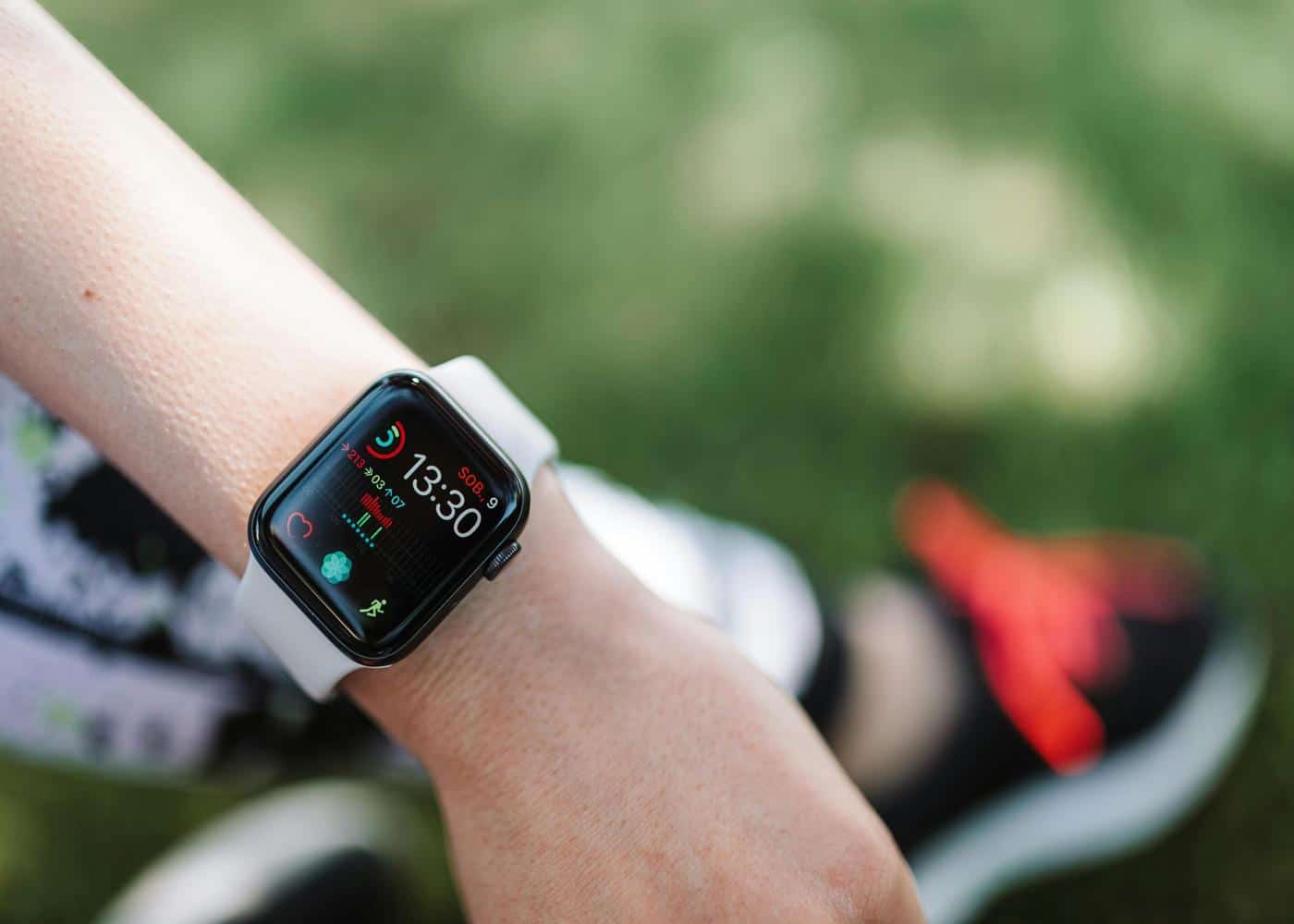
Athlytic transforms your data into advanced recovery and exertion metrics, offering an affordable alternative to dedicated wearables. While highly detailed, its data-heavy interface isn't for everyone. Alternatives like Bevel, Whoop, and Neura Health offer tailored solutions depending on your specific wellness goals.
Why you Should Care?
Athlytic can turn your Apple Watch data into more useful recovery and training insights, helping you decide when to push harder, rest properly, or rethink your routine.
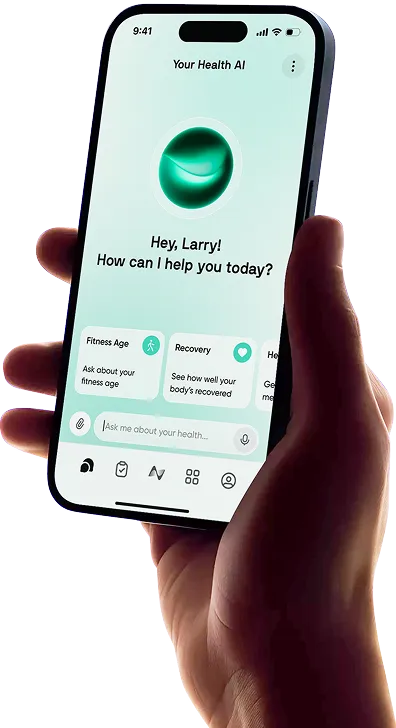
Choosing a fitness tracking app can be surprisingly difficult. Most promise better insights, smarter training, and a clearer picture of your recovery, but the real value depends on how well those numbers translate into useful daily decisions.
For Apple Watch users, this is especially true. The watch collects a huge amount of health and workout data, but it does not always explain what that data means for your training, sleep, stress, or recovery.
This review takes a closer look at whether Athlytic helps bridge that gap. We’ll explore its key features, user experience, accuracy, pricing, pros and cons, and whether it is worth using as part of your wider health and fitness routine.
What is the Athlytic App?
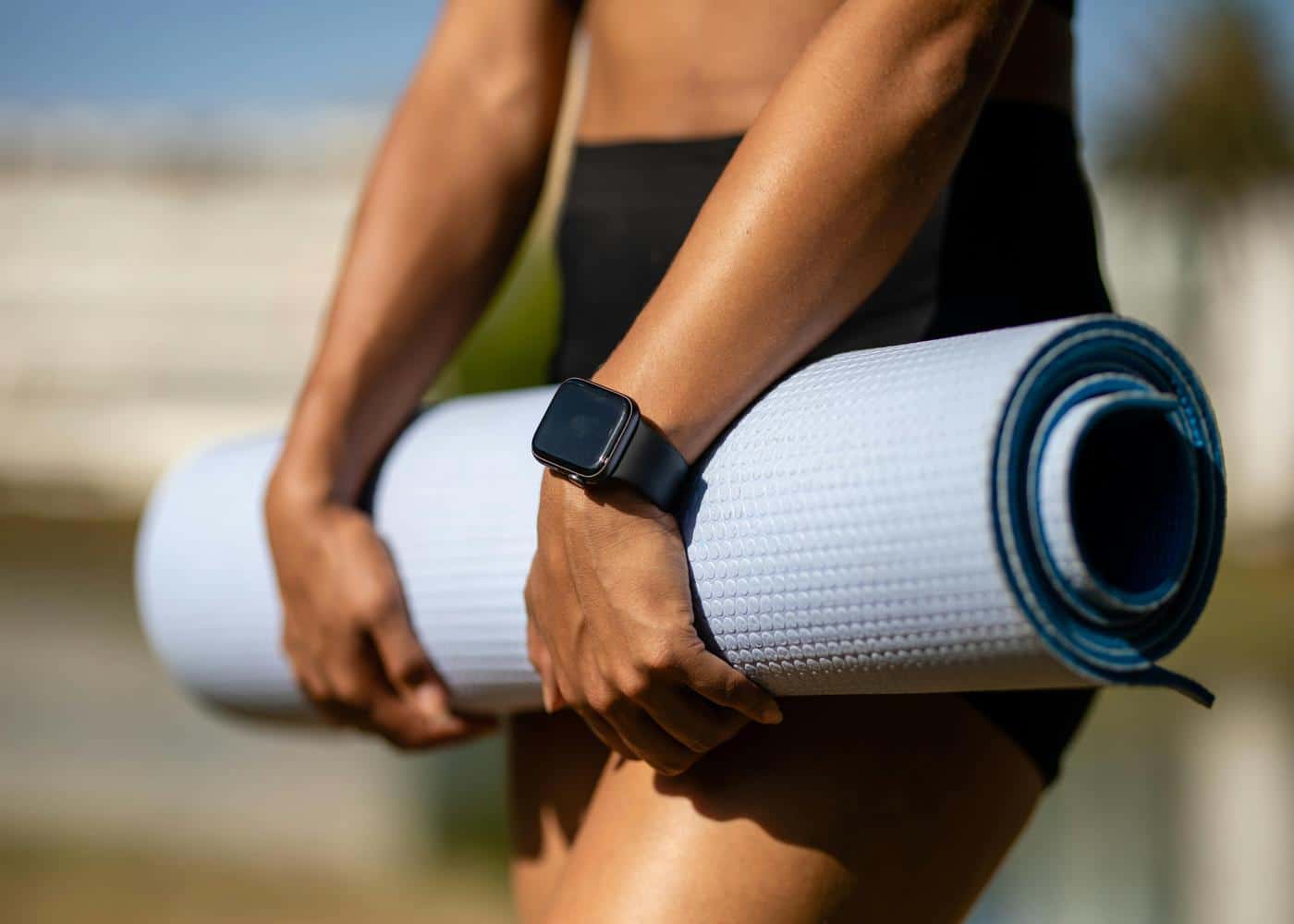
The Athlytic app is a software application designed specifically for the Apple Watch and the broader iOS ecosystem.
It functions as a performance and recovery tracker that calculates daily physical readiness without requiring the purchase of additional, proprietary hardware sensors.
By utilizing the sensors already built into the Apple Watch, the software provides users with an integrated view of their cardiovascular health, cumulative physical strain, and overnight recovery patterns.
The core objective of the software is to help users balance their athletic training with appropriate periods of rest. Balancing stress and recovery is a fundamental principle of athletic progression.
Overtraining frequently leads to physical injuries, systemic fatigue, and a plateau in performance, while undertraining results in missed opportunities for strength and endurance gains.
The software acts as a digital advisory tool, interpreting complex bodily signals and presenting them in a highly readable format.
It aims to serve amateur athletes, casual weightlifters, runners, and general fitness enthusiasts who require granular insights into their daily physiological status.


Athlytic App Review (2026)

In this Athlytic app Apple Watch review, we’ll look beyond the basic feature list and focus on what the app is actually like to use.
From recovery scores and workout insights to accuracy, pros, drawbacks, and overall value, this section breaks down whether Athlytic is a useful upgrade for Apple Watch users who want more from their health data.
How Does Athlytic Work?
Athlytic works by pulling health and workout data from Apple Health and turning it into easier-to-understand recovery, training, and sleep insights. It uses Apple Watch metrics like HRV, resting heart rate, sleep, heart rate, and workout data to estimate how ready your body is for activity.
Rather than simply showing raw numbers, Athlytic organizes them into scores and trends. This helps you see whether you may be ready for a harder session, better suited to active recovery, or showing signs that you need more rest.
What Does Athlytic Feel Like to Use?
Athlytic feels detailed, data-focused, and useful if you like checking your health metrics regularly. The app gives you a clear daily overview of recovery, exertion, sleep, and workout load, which makes it easier to understand how your body is responding to training.
That said, it can feel slightly busy at first. There are a lot of numbers, graphs, and scores to take in. For casual users, this may feel like too much. For people who enjoy fitness tracking, it gives Apple Watch data much more depth.
Is Athlytic Accurate?
Athlytic is best viewed as directionally useful rather than perfectly accurate. Its insights depend on the quality of your Apple Watch data, especially if you wear your watch overnight.
The recovery and exertion scores can help you spot useful patterns, such as poor sleep lowering readiness or intense workouts increasing strain. However, they should not override how you actually feel. Athlytic is most useful when you treat it as a guide, not a final answer.
Athlytic: Key Features
Here are the main Athlytic features that help turn Apple Watch data into clearer recovery, training, and performance insights.
Recovery Score
Athlytic’s Recovery score gives you a daily readiness percentage based on your HRV and resting heart rate. It is designed to help you understand whether your body appears prepared for harder training or may benefit from a lighter day.
Exertion
Exertion tracks your cardiovascular load across the day. This helps you see how much strain you are placing on your body, not only during formal workouts but across your wider daily activity.
Target Exertion
Athlytic provides a target exertion range based on your recovery, helping you decide how hard to train on a given day. This is one of the app’s most useful features for people who want more guidance than simply closing their Apple Watch rings.
Sleep Tracking
The app also includes sleep analysis to help you understand how your rest may be affecting recovery and performance. This is especially useful if you already wear your Apple Watch overnight.
Workout Analysis
Athlytic offers detailed workout breakdowns, including heart rate zones, effort, cardio fitness, and post-workout insights. For people who train regularly, this makes it easier to review not just what they did, but how demanding the session was.
Trends
The Trends section helps you look beyond single-day scores and understand longer-term changes in recovery, exertion, sleep, and fitness. This is where Athlytic becomes more useful over time.
Widgets
Athlytic offers multiple home screen and lock screen widgets, including options for recovery, exertion, HRV, sleep, macros, net energy, and daily summaries.
Pros
Makes Apple Watch data easier to understand
Useful recovery and exertion scores
Good for training and workout analysis
Strong option for people who already wear an Apple Watch
More affordable than buying another wearable
Helpful for spotting long-term patterns
Drawbacks
Can feel overwhelming at first
Accuracy depends on consistent Apple Watch use
Less useful if you do not wear your watch overnight
Scores should not be treated as medical advice
Interface may feel too data-heavy for casual users
Final Verdict:
Athlytic is a strong choice for Apple Watch users who want more meaningful insight from the data they are already collecting. It does a good job of turning metrics like HRV, resting heart rate, sleep, and workout strain into practical daily guidance, especially around recovery and training intensity.
It is not perfect. The app can feel busy, and its scores are only as reliable as the data behind them. You still need to use common sense, especially when your body feels different from what the numbers suggest.
But for people who like tracking their fitness, reviewing trends, and making more informed training decisions, Athlytic offers a lot of value. It is particularly useful if you want a recovery-focused experience without committing to a separate wearable or a more expensive subscription.
Overall, Athlytic is best for Apple Watch users who want deeper training and recovery insights, not just another place to view their workouts.
Athlytic Alternatives: Which is the Best Fitness & Recovery App?

Athlytic is a strong option for Apple Watch users, but it is not the only way to track recovery, training load, and overall health. The best alternative depends on whether you want deeper Apple Watch insights, a dedicated wearable, or a more complete health platform that connects fitness with sleep, diet, stress, and lifestyle habits.
Bevel vs Athlytic
Bevel is one of the closest Athlytic alternatives for Apple Watch users. Like Athlytic, it uses Apple Health data to provide recovery, strain, sleep, and readiness insights.
It is designed for people who want a WHOOP-style experience without switching away from their Apple Watch.
The main difference is the feel of the app. Bevel often feels more polished and lifestyle-focused, while Athlytic can feel more data-heavy and performance-focused.
If you want a cleaner interface and simple daily guidance, Bevel may be the better choice. If you enjoy digging into detailed metrics and training trends, Athlytic still has plenty of appeal.
For more, check out our full Bevel review.
WHOOP vs Athlytic
WHOOP is a dedicated fitness and recovery wearable, while Athlytic is an app built around Apple Watch data. This is the biggest difference between the two.
WHOOP is built specifically for recovery, strain, sleep, and long-term longevity tracking. It can be a good option if you want a screen-free wearable that focuses entirely on performance and recovery.
However, it requires wearing another device and usually comes with a higher ongoing cost.
Athlytic is better suited to people who already own an Apple Watch and want more insight without buying extra hardware.
It may not feel as purpose-built as WHOOP, but it offers a much more convenient way to get recovery-style tracking from a device you already use.
Neura vs Athlytic
Neura is different from Athlytic because it is designed to look at health more holistically.
While Athlytic mainly focuses on Apple Watch fitness, recovery, and workout data, Neura brings together a wider range of health inputs, including fitness, sleep, nutrition, supplements, medications, stress, and other lifestyle data.
This makes Neura a better fit for users who want to understand how different parts of their health interact.
For example, instead of only seeing whether your recovery score is low, Neura can help explore whether poor sleep, diet changes, stress, training load, or routine habits may be contributing to that pattern.
Athlytic is a useful fitness and recovery app for Apple Watch users. Neura is better suited to people who want a broader health operating system with personalized AI coaching, custom plans, and connected insights across multiple areas of wellbeing.
Meet the Everything Health App: Neura Health
Fitness tracking is useful, but your workouts are only one part of the bigger picture.
Sleep, stress, nutrition, recovery, supplements, medications, and daily habits can all affect how you feel and perform. That is where Neura Health takes a broader approach.
Neura is designed as an everything health app that brings all your health and wellness data into one place.
Instead of looking at your fitness metrics in isolation, it helps connect the dots between different areas of your life, so you can better understand what is helping, what is holding you back, and what to change next.
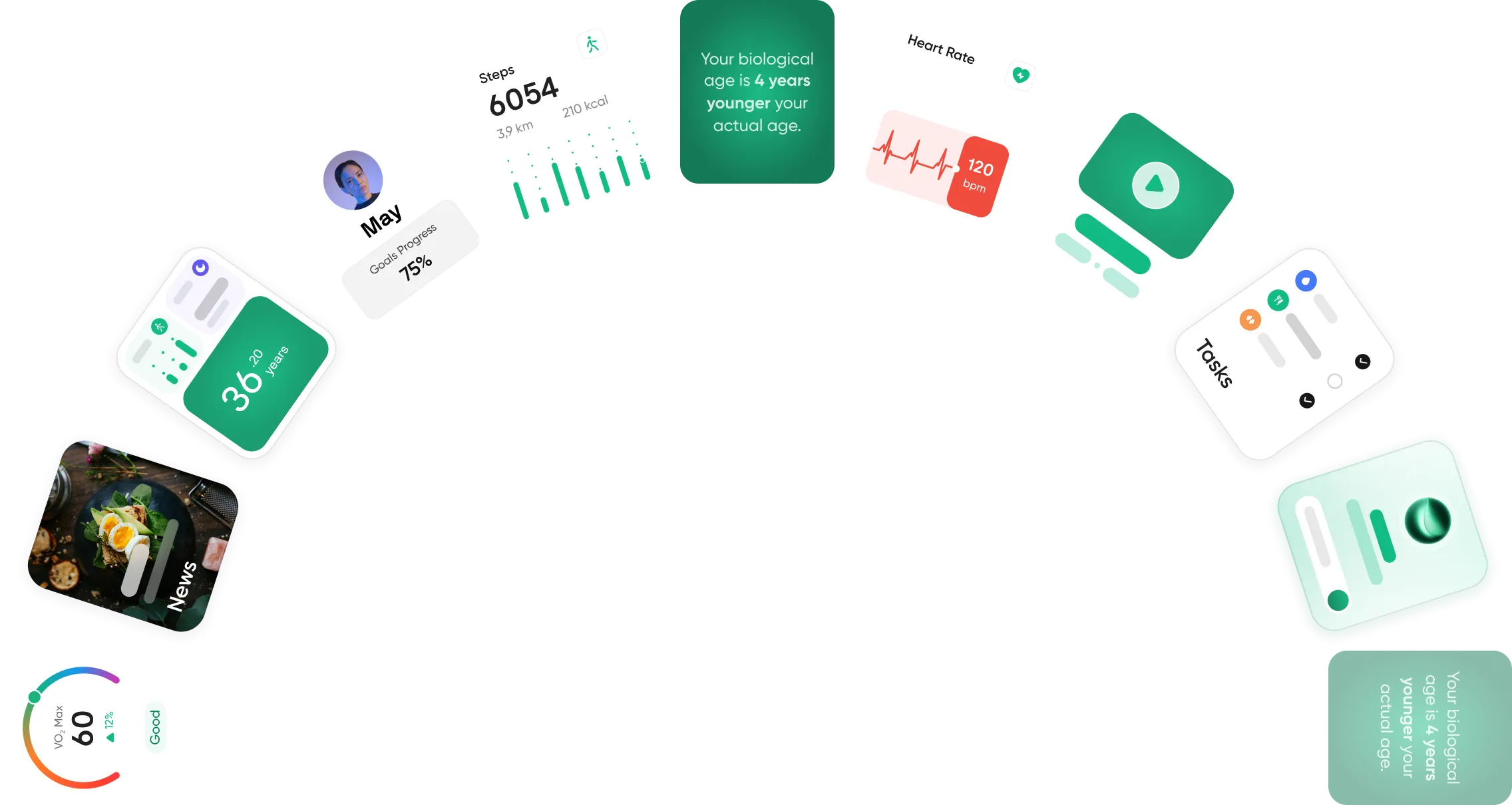
With Neura, you can track your core health foundations, connect data from wearables and apps, build personalized health dashboards, and get guidance from an AI health coach that understands your goals and patterns over time.
Whether you want to improve your sleep, build a better training routine, manage stress, or create a more consistent nutrition plan, Neura helps turn scattered data into practical daily steps.
For users who want more than recovery scores or workout analysis, Neura offers a more complete way to understand health as a whole. It is not just about tracking what happened. It is about learning why it happened and what you can do next.
Final Thoughts: Athlytic App Review
Athlytic is a useful app for Apple Watch users who want more detail from the health and fitness data they already collect. It gives you clearer insight into recovery, exertion, sleep, and workout load, making it easier to understand when to push harder and when to take things slower.
That said, Athlytic is not for everyone.
The app can feel data-heavy, and its scores should be treated as helpful guidance rather than absolute truth. It works best when you wear your Apple Watch consistently, especially overnight, and use the insights alongside how your body actually feels.
Overall, Athlytic is a strong choice if you want a more advanced fitness and recovery experience from your Apple Watch. But if you want to go beyond workouts and recovery, and understand how your sleep, stress, nutrition, habits, and health data all connect, a broader platform like Neura Health may be the better long-term fit.
Article FAQ
What is the Athyltic app?
The Athlytic app is a recovery, sleep, and performance tracking application built for iOS and the Apple Watch ecosystem. It analyzes daily cardiovascular data, such as heart rate variability and resting heart rate, to determine your physical readiness and recommend appropriate exertion levels for your daily workouts.
How accurate is Athlytic?
The accuracy of the software is directly tied to the data supplied by the Apple Watch hardware. The mathematical algorithms are precise, but the software is limited by the standard sampling frequency of the watch's optical heart sensor. Users frequently enable the native Apple Health AFib History feature to force the smartwatch to capture more frequent heart rate variability readings, which notably improves the accuracy and reliability of the morning readiness scores.
How much is Athlytic?
The application operates entirely on a subscription model, typically costing around thirty dollars per year or four dollars per month. This pricing structure makes it significantly more affordable than purchasing dedicated hardware trackers that require much higher ongoing monthly subscription fees to access your health data.
What is Neura Health?
Neura Health is a comprehensive health application designed to help people easily track and manage their overall well-being. The platform serves as a centralized hub to monitor your daily health metrics, symptoms, and lifestyle habits, giving you a complete picture of your body's daily functioning and overall health.
Does Athlytic drain your Apple Watch battery?
The software runs on your connected iPhone and does not directly drain the smartwatch battery. However, if a user modifies their Apple Health settings to take more frequent background heart rate variability readings to improve the software's data accuracy, that increased sensor usage will cause the smartwatch battery to deplete noticeably faster than it normally would.
Is Athlytic better than the default Apple Health app?
It is not necessarily better; rather, it serves a distinctly different purpose. Apple Health acts as a secure background database that stores your raw health metrics without offering coaching. The third-party software pulls that raw data and translates it into practical, easy-to-understand coaching advice regarding whether you should rest or exercise on any given day. It builds upon the secure data foundation that Apple Health provides.