The Ultimate Cycle Syncing Workout and Diet Plan
Health

Key Findings
Cycle syncing helps you adjust your workouts, diet, and recovery habits around the hormonal shifts of your menstrual cycle. As estrogen and progesterone change across the menstrual, follicular, ovulatory, and luteal phases, you may notice differences in energy, appetite, cravings, sleep, mood, symptoms, and training performance. The most effective approach is not following rigid phase rules, but tracking your own patterns and using tools like Neura to connect your cycle with workouts, nutrition, sleep, recovery, stress, symptoms, and daily habits so your plan feels more personal and sustainable.
Cycle syncing is about adjusting your workouts, food, and recovery habits around the hormonal shifts of your menstrual cycle. As estrogen and progesterone rise and fall, you may notice changes in energy, appetite, strength, mood, sleep, cravings, and recovery.
The goal is not to follow strict rules for every phase. It is to understand your own patterns and use them to train smarter, eat more intentionally, and recover more effectively.
How Does Menstrual Cycle Syncing Work?

Menstrual cycle syncing works by matching your routine to the four main phases of your cycle: menstrual, follicular, ovulatory, and luteal.
During your period, lower estrogen and progesterone can leave some people feeling more tired, crampy, or sensitive to intense exercise. As estrogen rises in the follicular phase, energy and training motivation may improve. Around ovulation, higher estrogen may support strength and performance for some people, although bloating or discomfort can still happen. In the luteal phase, rising progesterone can affect body temperature, sleep, appetite, cravings, and perceived effort.
A good cycle syncing plan uses these hormonal changes as context, not as rigid rules. If your body feels strong, train. If your symptoms are high, adjust. The best approach is to track your own cycle, energy, symptoms, and performance over time.
What Are the Benefits of Cycle Syncing?
Cycle syncing helps you plan workouts, food, and recovery around the hormonal shifts of your menstrual cycle.
As estrogen and progesterone change, your energy, appetite, mood, sleep, cravings, and workout performance may change too. The goal is not to follow rigid rules, but to make your routine feel more personalized and sustainable.
More personalized workouts: Cycle syncing workouts help you adjust training intensity based on hormonal shifts, energy, symptoms, and recovery instead of forcing the same routine every week.
Better recovery timing: Lower-energy phases, especially menstruation or late luteal, can be used for lighter movement, mobility, walking, yoga, or reduced training volume when your body needs more support.
Smarter performance planning: Higher-energy windows, often in the follicular or ovulatory phase, may be better suited for strength training, progressive overload, intervals, or more demanding sessions.
Improved appetite and craving management: A cycle syncing diet can help you plan around luteal-phase hunger, cravings, and blood sugar changes with more protein, fiber, complex carbs, magnesium-rich foods, and satisfying meals.
More useful symptom awareness: Tracking your cycle alongside sleep, workouts, mood, digestion, cravings, and recovery can help you spot patterns, such as PMS-related fatigue, ovulation discomfort, or period-related performance dips.
A more flexible fitness routine: Cycle syncing encourages you to adapt without guilt. Some phases may call for harder training, while others may benefit from more recovery, and both can support long-term consistency.


Cycle Syncing Workout Plan by Phase

A good cycle syncing workout plan should respond to changes in energy, recovery, symptoms, sleep, motivation, and perceived effort across your cycle. Use these phases as a guide, then adjust based on how your body actually feels.
Menstrual Phase: Focus on Gentle Movement and Recovery
Best focus: Recovery, blood flow, mobility, and symptom support.
The menstrual phase begins on the first day of your period. Estrogen and progesterone are both low, and some people experience cramps, fatigue, headaches, heavier bleeding, or lower motivation. This can make intense workouts feel harder than usual.
Best workout options during this phase include walking, gentle yoga, stretching, mobility work, Pilates, light cycling, or low-intensity strength training. If you feel strong, you can still train, but this phase is often a good time to reduce pressure and prioritize recovery.
Useful tips:
Keep workouts shorter if cramps or fatigue are high.
Choose low-impact movement to support circulation.
Add longer warm-ups if your body feels stiff.
Swap intense sessions for mobility or walking when symptoms are stronger.
Avoid judging your fitness based on one low-energy workout.
Follicular Phase: Build Momentum and Increase Intensity
Best focus: Strength, progression, skill-building, and consistency.
The follicular phase begins during your period and continues until ovulation. As estrogen rises, many people notice better energy, mood, motivation, and training capacity. This can make workouts feel easier and more rewarding.
This phase can be a good time for strength training, progressive overload, moderate cardio, intervals, conditioning, or trying new exercises. If your body feels good, use this window to build momentum.
Useful tips:
Increase weights, reps, or workout volume gradually.
Try more challenging strength or conditioning sessions.
Use higher motivation to build consistency.
Keep protein intake steady to support muscle repair.
Track performance so you can compare patterns across cycles.
Ovulatory Phase: Use Your High-Energy Window Carefully
Best focus: Strength, power, performance, and high-quality effort.
Ovulation usually happens around the middle of the cycle. Estrogen is high, and some people feel stronger, more energetic, and more motivated. For others, ovulation can bring bloating, pelvic discomfort, breast tenderness, or mood changes.
If you feel good, this can be a strong phase for heavier lifts, HIIT, sprints, athletic circuits, power work, or performance-focused training. The key is to use the energy without ignoring your body’s signals.
Useful tips:
Warm up properly before explosive or high-intensity work.
Prioritize good form during heavier lifts.
Hydrate well, especially if training intensity increases.
Switch to moderate strength or steady cardio if bloating or discomfort shows up.
Avoid forcing peak performance if your symptoms say otherwise.
Luteal Phase: Shift Toward Stability and Recovery
Best focus: Sustainable training, recovery, stress management, and steady movement.
The luteal phase comes after ovulation and continues until your next period. Progesterone rises during this phase, which can affect body temperature, sleep, appetite, cravings, mood, and perceived workout effort. Late luteal is also when PMS symptoms may appear.
Early luteal may still feel strong, but late luteal often benefits from a more supportive approach. Choose moderate strength training, steady cardio, walking, Pilates, yoga, mobility, or lower-impact circuits.
Useful tips:
Reduce volume if fatigue or PMS symptoms increase.
Choose steady cardio instead of hard intervals when sleep is poor.
Prioritize rest, stretching, hydration, and bedtime consistency.
Plan workouts around appetite, cravings, and energy dips.
Use late luteal as a natural deload if your body needs it.
How to Cycle Sync Your Diet

A cycle syncing diet is about using food to support the hormonal and physical changes that happen across your cycle. This does not mean eating perfectly or following a strict cycle syncing food chart. The goal is to adjust your meals around energy, appetite, cravings, digestion, recovery, and symptoms.
Menstrual Phase: Replenish and Keep Meals Gentle
During your period, your body may benefit from meals that support energy, hydration, and nutrient replenishment. If bleeding is heavier, iron-rich foods can be especially helpful. Warm, easy-to-digest meals may also feel better if cramps or nausea are present.
Good cycle-syncing food options include eggs, lean red meat, seafood, lentils, beans, tofu, leafy greens, oats, rice, potatoes, soups, ginger tea, and omega-3-rich foods like salmon or sardines.
Why it helps: Iron, protein, fluids, and balanced carbs can support energy during a phase when some people feel more depleted.
Follicular Phase: Support Rising Energy
As estrogen rises, energy and motivation may improve. This is a good time to support training with balanced meals that include protein, fiber-rich carbs, colorful plants, and healthy fats.
Good options include Greek yogurt, eggs, chicken, fish, tofu, berries, citrus fruit, quinoa, oats, rice, potatoes, fermented foods, olive oil, avocado, nuts, and seeds.
Why it helps: This phase often pairs well with harder training, so your meals should support muscle repair, digestion, and steady energy.
Ovulatory Phase: Fuel Performance and Hydration
Around ovulation, some people feel ready for harder workouts. If you are lifting heavier or adding intensity, your diet should support performance, hydration, and recovery.
Good options include protein-rich meals, carbs around workouts, hydrating foods like cucumber and watermelon, leafy greens, berries, salmon, olive oil, pumpkin seeds, almonds, and magnesium-rich foods.
Why it helps: Higher training output requires enough protein, carbohydrates, fluids, and micronutrients to help your body recover.
Luteal Phase: Stabilize Appetite and Cravings
During the luteal phase, progesterone rises and some people experience stronger hunger, cravings, lower mood, bloating, or sleep disruption. Restricting harder during this phase can backfire.
Good options include protein at every meal, complex carbs like oats and sweet potatoes, magnesium-rich foods, fiber-rich vegetables, berries, beans, chia seeds, healthy fats, and satisfying snacks.
Why it helps: Protein, fiber, complex carbs, and healthy fats can support blood sugar stability, reduce energy crashes, and make cravings easier to manage.
Neura Syncs Your Diet and Workout Plan With Your Menstrual Cycle
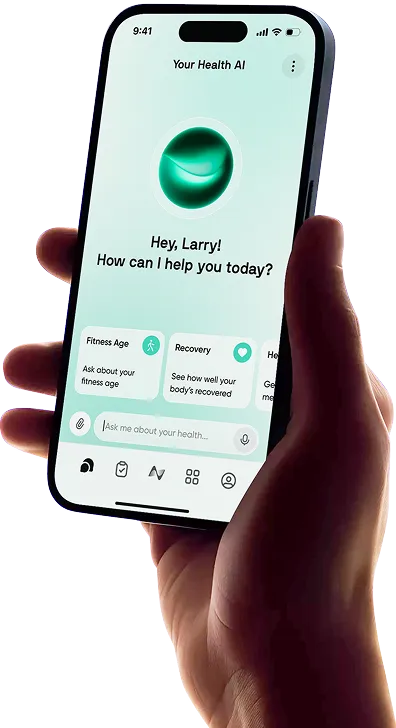
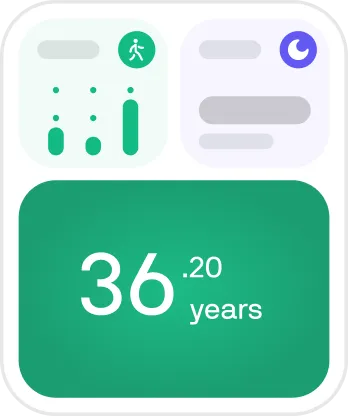
A cycle syncing app can help you track your period, but cycle syncing becomes more useful when your cycle is connected to the rest of your health data. Neura helps bring together your menstrual cycle, workouts, sleep, recovery, nutrition, stress, symptoms, supplements, medications, wearables, and daily habits.
This matters because hormone shifts do not affect everyone the same way. You may notice stronger workouts in your follicular phase, more cravings in your luteal phase, worse sleep before your period, or lower recovery during menstruation. Neura helps you spot those patterns instead of relying on generic phase-based advice.
With Neura, you can build more personalized plans for:
Cycle syncing workouts based on energy, recovery, symptoms, and performance
Cycle syncing diet guidance based on appetite, cravings, digestion, and training load
Sleep and recovery routines that adjust across your cycle
Custom dashboards for cycle patterns, symptoms, workouts, and health metrics
AI coaching that helps explain what may be changing and what to try next
The goal is not to force your routine into four perfect phases. The goal is to understand your body better and build a workout and diet plan that reflects how you actually feel.
Final Thoughts: Cycle Syncing Your Diet & Workouts
Cycle syncing can be a helpful way to personalize your fitness and nutrition routine, especially if your energy, appetite, symptoms, sleep, mood, or training performance changes across your cycle.
The most useful approach is flexible. Menstrual cycle syncing should not become another strict rulebook. Hormonal birth control, PCOS, perimenopause, stress, travel, illness, irregular cycles, and lifestyle changes can all affect how your cycle feels.
Start by tracking your own patterns. Notice when strength feels higher, when cravings increase, when sleep changes, and when recovery feels slower. From there, adjust your cycle syncing exercise, food choices, and recovery habits in a way that supports your body rather than fighting it.
With Neura, you can go beyond generic cycle syncing advice and build a more personalized plan based on your real data, symptoms, goals, and routine.
Article FAQ
What is cycle syncing?
Cycle syncing is the practice of adjusting your workouts, diet, sleep, and recovery habits around the different phases of your menstrual cycle. The goal is to account for shifts in estrogen, progesterone, energy, appetite, mood, symptoms, and recovery so your routine feels more personalized and sustainable.
How does cycle syncing work?
Cycle syncing works by matching your habits to the menstrual, follicular, ovulatory, and luteal phases of your cycle. For example, you may choose gentler workouts during your period, increase intensity as estrogen rises in the follicular phase, use higher-energy days around ovulation for harder training, and focus more on recovery and blood sugar stability during the luteal phase.
What are cycle syncing workouts?
Cycle syncing workouts are exercise routines adjusted around your menstrual cycle. They may include lighter movement, yoga, or walking during your period, strength training in the follicular phase, higher-intensity sessions around ovulation, and more moderate training or recovery work during the luteal phase. The best approach is to match your workouts to your own energy, symptoms, and recovery patterns.
What should you eat during cycle syncing?
What you eat during cycle syncing depends on your phase. During your period, iron-rich foods, protein, fluids, and warm meals may help support energy. In the follicular and ovulatory phases, balanced meals with protein, carbs, and colorful plants can support training. In the luteal phase, protein, fiber, complex carbs, magnesium-rich foods, and healthy fats may help with cravings, mood, and energy stability.
Is cycle syncing backed by science?
Cycle syncing is based on real hormonal changes across the menstrual cycle, but the exact impact on workouts, appetite, and performance varies from person to person. Research does not support rigid rules for everyone, but tracking your own cycle, symptoms, energy, sleep, and performance can help you build a more useful personal plan.
What is the best cycle syncing app?
The best cycle syncing app should help you track more than just your period. A useful app should connect your cycle with workouts, nutrition, symptoms, sleep, recovery, stress, and daily habits. Neura is designed for this broader approach, helping you understand how your cycle may affect your fitness and diet plan over time.