
How to Listen to Your Body: Daily Tips and Strategies
Health

Key Findings
Listening to your body is the practice of responding to internal signals like hunger, fatigue, and tension to maintain long-term health. By using mindfulness, tracking metrics like HRV, and distinguishing between mental cravings and physical needs, you can identify stress before it leads to burnout. Prioritizing these cues allows for better self-regulation and improved physical recovery.
Why you Should Care?
Your body is constantly telling you what it needs to feel its best - you only have to know how to listen.
The human body operates through a complex system of internal signals. These range from basic metabolic indicators like hunger and thirst to more nuanced signs like muscle tension or cognitive fatigue.
However, modern lifestyles often encourage individuals to prioritize external schedules and productivity over these internal cues. Learning to listen to your body involves reclaiming the ability to identify and respond to these messages.
This practice is essential for long-term health maintenance and stress management.
What Does Listening to Your Body Mean?

Listening to your body is the practice of paying attention to internal physical signals. These include basic sensations like heart rate, hunger, pain, and energy levels.
Instead of following a strict schedule or a generic diet plan, you use this information to decide what your body actually needs at any given moment.
This process moves your focus from external rules to internal data. It does not mean ignoring medical advice, but rather combining professional guidance with your own physical experience.
By noticing these signals early, you can adjust your habits to improve your health and prevent issues like overtraining or burnout.


Our Top Tips for Listening to What Your Body Needs

Re-establishing a connection with physical signals requires consistent practice, especially if those signals have been ignored for a long time.
The following strategies provide a systematic approach to improving somatic awareness through specific daily actions.
Cultivate Daily Mindfulness
Mindfulness is simply paying attention to the present moment without judging it. When you apply this to your body, you can catch small signals, like a tight neck or a slight thirst, before they turn into bigger problems like a migraine or exhaustion.
Practice Breathing Exercises: Sit quietly and focus on your breath. Notice if it feels shallow in your chest or deep in your belly. This tells you immediately if your nervous system is stressed or relaxed.
Engage in Regular Yoga: Move through different stretches to see where your muscles feel tight or loose. It is a physical "check-in" that highlights areas of tension you might not notice while sitting at a desk.
Spend Time in Nature: Getting away from screens and city noise reduces sensory overload. This quiet environment makes it much easier to hear your own internal physical cues.
Eliminate Distractions During Meals: Turn off the TV and put away your phone while eating. Without distractions, you can actually feel the "fullness" signals your stomach sends to your brain, preventing overeating.
Use Grounding Techniques: If you feel overwhelmed, focus on your physical surroundings. Identify three things you can feel (like the chair under you) to pull your focus back into your physical skin.
Dedicate Time to Meditation: Sit still for five minutes and just observe sensations. You might feel a tingle, a pulse, or warmth. This trains your brain to recognize your body's language.
Consider What Your Body Needs in the Moment
Immediate awareness is about checking in during your daily routine. Many people operate on "autopilot," which can lead to overexertion. These quick checks help you adjust your behavior in real time.
Perform a Mental Body Scan: Once an hour, scan your body from head to toe. Check for a clenched jaw or hunched shoulders. Simply noticing these things allows you to consciously relax them.
Assess Your Energy Levels: Before starting a task, ask yourself how much "fuel" you have left. If you are physically drained, a high-intensity workout might do more harm than good.
Check Your Hydration: Thirst often feels like hunger or a "brain fog" headache. Drink a glass of water first to see if your energy or focus improves before reaching for caffeine or snacks.
Evaluate Your Posture: If you work at a computer, check your alignment. If your back or neck starts to ache, your body is telling you to stand up, stretch, or adjust your chair.
Identify Temperature Sensations: Notice if you are shivering or sweating. We often ignore being slightly too cold or hot because we are busy, but this drains our energy.
Recognize Mental Fatigue: If you are reading the same sentence over and over, your brain is tired. A five-minute walk is a better response to this signal than trying to force your way through it.
Ask What Your Body Needs for the Future
Listening also involves looking ahead. Your body often gives early signs of what it will need later in the day or week. Thinking ahead allows you to provide resources before you run out of energy.
Build a Flexible Diet Plan: Pay attention to how different foods make you feel an hour after eating. If a certain lunch makes you crash, plan for a different mix of protein or fiber tomorrow.
Schedule Rest Periods: Don't wait until you collapse to rest. If you have a busy week coming up, plan for extra sleep over the weekend so your body has a "reserve."
Prepare for Physical Recovery: If you are sore after a workout, plan for a light walk or a bath the next day. This respects the repair process your muscles are going through.
Align with Circadian Rhythms: Track when you naturally feel sleepy and when you feel most awake. Try to schedule your hardest work for your peak energy times.
Consider Seasonal Changes: You might need more sleep in the winter or more water in the summer. Adjust your lifestyle to match the environment around you.
Anticipate Hormonal Cycles: If you have a menstrual cycle, track your energy changes. You may need more calories or lighter exercise during certain weeks of the month.
Distinguish Between the Mental and the Physical
It can be hard to tell if a feeling is a physical need or just a mental urge. The mind might want comfort food, while the body actually needs a nap.
Take Your Time After Meals: It takes 20 minutes for your brain to realize your stomach is full. Wait before getting seconds to see if you are actually hungry or just still want the taste.
Analyze Cravings: Ask if you are craving a specific nutrient or an emotional distraction. Salty cravings often mean you are dehydrated; sweet cravings can mean you are stressed.
Differentiate Boredom from Hunger: Before you snack, check for a "hollow" feeling in your stomach. If you don't feel it, you might just be bored and need a change of scenery instead.
Separate Tiredness from Laziness: Physical tiredness feels heavy and slow. "Laziness" usually feels like mental dread or anxiety. One needs sleep; the other might need a gentle start.
Observe Emotional Tension: Stress often feels like physical pain, like a tight chest or a knot in the stomach. Recognizing this helps you treat the stress rather than just the symptom.
Evaluate the Source of Pain: Determine if the pain came from a specific movement or a stressful conversation. This helps you decide if you need an ice pack or a relaxation break.
Track and Understand Your Metrics
Data from gadgets can provide an objective "second opinion" on how your body is doing. These tools help confirm the sensations you are feeling.
Use Fitness Trackers for Sleep Quality: If you feel tired after 8 hours of sleep, a tracker can show if you were actually restless all night, helping you understand your fatigue.
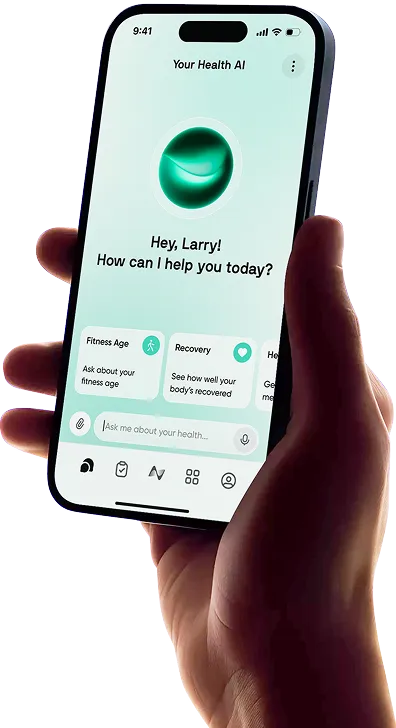
Utilize Tools Like Neura for Data Synthesis: Apps like Neura combine your activity, sleep, and heart rate data to show patterns you might miss on your own.
Monitor Heart Rate Variability (HRV): HRV is a great indicator of stress. A low score usually means your body is still recovering, and you should take it easy that day.
Keep a Simple Body Journal: Write down your energy and mood for a few days. You might find that certain habits, like late-night scrolling, are causing your morning sluggishness.
Track Food and Symptom Correlations: If you get bloated or have headaches, write down what you ate. You may find a specific food is the trigger for your discomfort.
Monitor Your Resting Heart Rate: If your resting heart rate is higher than usual, it is often an early sign that you are getting sick or are very overstressed.
Respect Your Needs
Listening is only useful if you actually take action. Respecting your needs means having the courage to change your plans based on how you feel.
Respect Your Need for Rest: If your body says it is tired, allow yourself to sit down or nap without feeling guilty. Rest is a biological requirement, not a reward.
Honor Your Hunger and Fullness: Eat when you feel physical hunger and stop when you are satisfied, regardless of what time it is or what others are doing.
Adjust Your Social Calendar: If you are socially drained, it is okay to stay home. Pushing yourself to be social when you are exhausted can lead to physical burnout.
Say No to Overextension: If your "plate is full," don't add more tasks. Learning to say no protects your physical and mental energy levels.
Invest in Physical Comfort: If your chair hurts your back, fix it. Respecting your body means not forcing it to endure unnecessary discomfort every day.
Seek Professional Help When Needed: If a signal (like sharp pain) doesn't go away, listening to your body means taking it to a doctor for a professional check-up.
What Bodily Signals Should I be Listening for?

The body communicates through various physiological systems. While everyone has a different baseline, there are specific signals within each system that warrant attention.
Cardiovascular: Watch for an elevated resting heart rate, palpitations, or lightheadedness when changing positions. These may indicate high stress levels or dehydration.
Gut Health: Monitor for consistent bloating, indigestion, or changes in bowel habits. The digestive system is highly sensitive to both diet and emotional stress.
Musculoskeletal: Identify areas of persistent stiffness, localized pain, or reduced range of motion. These signals often indicate a need for movement, stretching, or ergonomic adjustments.
Integumentary (Skin): Pay attention to sudden changes in skin texture, breakouts, or hair thinning. These can be external indicators of internal hormonal or nutritional imbalances.
Sleep: Note difficulties falling asleep, staying asleep, or a lack of alertness upon waking. Sleep quality is a primary indicator of overall systemic recovery.
Cognitive: Be aware of brain fog, increased irritability, or a sudden inability to focus. These are often physical signs that the brain requires a change in task or a rest period.
Final Thoughts: Listening to Your Body
Learning to listen to your body is a continuous process of observation and adjustment. It is not a skill that is mastered once, but a daily habit of checking in with your physical state.
By paying attention to the signals your body sends, you can make more informed decisions about your health and lifestyle.
Consistently prioritizing these internal cues leads to improved energy levels, better stress management, and a more sustainable approach to daily life.
Your body provides the data necessary for its own maintenance; you simply have to choose to pay attention to it.
Article FAQ
What does listening to your body mean?
Listening to your body is the process of paying attention to internal physical and emotional cues. It involves recognizing sensations like hunger, fatigue, tension, or thirst and responding to those needs appropriately. Instead of relying solely on external schedules or rules, you use your body’s real-time feedback to guide your daily choices.
Why is it important to listen to your body?
It is important because your body acts as an early warning system for your health. Recognizing subtle signals like persistent fatigue or muscle tension allows you to make small adjustments before they turn into chronic pain, injury, or illness. This proactive approach helps you manage your daily energy and prevents physical and mental burnout.
How to eat mindfully by listening to your body?
To eat mindfully, remove distractions like your phone or the TV so you can focus on the taste and texture of your food. Pause midway through your meal to check for physical fullness rather than just eating until your plate is empty. This gives your brain the necessary time to receive satiety signals from your stomach, which improves digestion and prevents overeating.
How do I know if I am tired or just unmotivated?
Physical tiredness usually manifests as a heavy feeling in the limbs, a lack of physical coordination, or a genuine inability to keep your eyes open. Mental lack of motivation often feels like resistance to a specific task or a sense of boredom. If a short walk or a change of scenery increases your energy, it was likely a mental hurdle; if it makes you feel worse, your body requires actual rest.
Can fitness trackers help me listen to my body?
Yes, fitness trackers provide objective data that can validate what you are feeling internally. Metrics like Heart Rate Variability (HRV) and resting heart rate can confirm if your nervous system is under stress. However, these tools should be used as a supplement to, rather than a replacement for, your subjective physical sensations.
What are the first signs of physical burnout?
The earliest signs of burnout often include persistent fatigue that sleep does not fix, increased irritability, and a decrease in physical performance. You might also notice a higher resting heart rate or frequent minor illnesses. Recognizing these "yellow light" signals early allows you to prioritize recovery before a total "red light" shutdown occurs.