How to Follow the 10-3-2-1-0 Sleep Rule for Better Rest
Sleep
Key Findings
The 10-3-2-1-0 sleep method improves rest by systematically eliminating daily disruptors. The countdown stands for 10 hours (no caffeine), 3 hours (no food or alcohol), 2 hours (no work), 1 hour (no screens), and 0 snoozes. Following this framework aligns with natural circadian rhythms to help you fall asleep faster and wake up refreshed.
Why you Should Care?
Reset your sleep schedule and promote healthy sleep hygiene with the highly effective 10-3-2-1-0 protocol.
Getting consistent rest requires a clear routine. Modern schedules and constant connectivity often interfere with our ability to wind down naturally at night.
Relying on habit rather than timing can leave you staring at the ceiling for hours. Establishing a structured evening routine is a reliable way to signal to your body that it is time to sleep.
If you are struggling to build an effective routine, implementing the 10-3-2-1-0 rule for sleep provides a practical timeline to guide your evenings.
What is The 10-3-2-1-0 Sleep Rule?
The 10-3-2-1-0 protocol is a countdown formula that helps you prepare for a restful night. It works by systematically eliminating common sleep disruptors in the hours leading up to bedtime.
Originally popularized by fitness coach Craig Ballantyne, this approach acts as a framework for your afternoon and evening habits.
By removing stimulants, heavy digestion, stress, and artificial light at specific intervals, you give your brain and body the optimal conditions to transition into sleep.
When looking to improve your overall sleep hygiene, 10-3-2-1-0 provides a structured checklist that is easy to remember and apply.
The countdown follows this structure:
10 hours before bed: No more caffeine.
3 hours before bed: No more food or alcohol.
2 hours before bed: No more work.
1 hour before bed: No more screen time.
0: The number of times you hit the snooze button in the morning.
Why Does This Sleep Method Work?
This sleep method works because it aligns closely with human circadian rhythms and physiological needs.
Sleep is a gradual process that requires specific hormonal shifts, primarily the release of melatonin and the clearance of cortisol.
Consuming stimulants late in the day or exposing your eyes to bright light right before bed actively works against these biological processes.
By following a structured countdown, you remove external obstacles one by one. This progressive winding down allows your nervous system to relax, lowers your core body temperature, and calms your mind.
As a result, your body is prepared to rest when you finally get into bed.
10-3-2-1-0 Sleep Rule Research: What Experts Say
The efficacy of this specific countdown is supported by chronobiology and sleep science research.
A study published in the Journal of Clinical Sleep Medicine found that consuming caffeine six hours before bedtime disrupted sleep quality and reduced total sleep time by more than an hour. Caffeine blocks adenosine receptors, preventing the natural buildup of sleep pressure required for rest.
Furthermore, research from the National Institutes of Health documents the effects of late-night food and alcohol consumption. While alcohol acts as a central nervous system depressant and might prompt faster sleep onset, it fragments sleep architecture later in the night. It specifically disrupts the restorative Rapid Eye Movement phase.
Heavy meals close to bedtime are also problematic because they prevent the natural drop in core body temperature required for sleep onset and increase the risk of gastroesophageal reflux.
Finally, the impact of artificial light is well documented. Studies from Harvard Medical School show that blue light emitted from digital screens suppresses the secretion of melatonin more than any other wavelength. Ceasing screen time an hour before bed allows the pineal gland to release the necessary hormones for sleep.


How to Follow the 10-3-2-1-0 Sleep Method

To fully benefit from the 10-3-2-1-0 sleep method, you need to understand the reasoning behind each step and actively plan your day around these cut-off points. Below is a detailed overview of how to implement each phase of the countdown.
10 Hours Before Bed: No More Caffeine
Caffeine is a stimulant that works by blocking adenosine receptors in the brain. Adenosine is a chemical that builds up throughout the day, creating sleep pressure and making you feel tired.
When caffeine blocks these receptors, you feel alert and awake. The clearance of caffeine from your system takes a substantial amount of time.
Because caffeine has a half-life of roughly five to six hours, consuming a cup of coffee at 4:00 PM means that half of that caffeine is still active in your bloodstream at 10:00 PM.
This residual stimulation can delay sleep onset and reduce the amount of deep sleep you achieve, leaving you feeling tired the next day.
Adhering to a strict ten-hour cut-off is necessary for clearing the majority of caffeine from your system before you try to sleep. If your target bedtime is 11:00 PM, your final caffeinated beverage should be finished no later than 1:00 PM.
This rule applies to all sources of caffeine, including coffee, energy drinks, certain sodas, black tea, and dark chocolate. It is easy to accidentally consume caffeine late in the day if you do not check the ingredients in your afternoon snacks or beverages.
To successfully implement this step, find caffeine-free alternatives for your afternoon routine. If you enjoy the ritual of a warm beverage, try switching to herbal teas like peppermint, rooibos, or chamomile.
Decaffeinated coffee is another option, though it does contain trace amounts of caffeine.
If you experience an energy dip in the mid-afternoon, try taking a brief walk outside instead of reaching for an energy drink.
Natural sunlight and light physical movement provide an energy boost without interfering with your sleep schedule later that night.
3 Hours Before Bed: No Food or Alcohol
Digestion is an active physiological process that requires energy and increases your core body temperature. For your body to comfortably transition into deep sleep, your core temperature needs to drop slightly.
Eating a heavy meal close to bedtime prevents this temperature drop and forces your body to focus on breaking down food rather than repairing tissues.
Lying flat shortly after eating also increases the likelihood of acid reflux and heartburn, which are common causes of nighttime awakenings.
Stopping your food intake three hours before sleep ensures your stomach is mostly empty by the time you lie down.
Alcohol is also disruptive to sleep. While alcohol has sedative properties that might help you fall asleep faster, it alters the structure of your sleep cycles.
As your liver metabolizes the alcohol throughout the night, it causes a rebound effect in your nervous system. This leads to fragmented sleep, frequent awakenings, night sweats, and a reduction in REM sleep.
You may sleep for eight hours after drinking, but the quality of that sleep will be poor, resulting in grogginess the following morning.
To stick to the three-hour rule, schedule your dinners earlier in the evening. If your bedtime is 10:00 PM, aim to finish eating and drinking alcohol by 7:00 PM.
If you are hungry later in the evening, keep your intake very light. A small, easily digestible snack like a handful of almonds or half a banana is preferable to a heavy, carbohydrate-dense meal.
Swap the evening wine or beer for a glass of tart cherry juice, which naturally contains melatonin, or a warm cup of herbal tea to help soothe your nervous system.
2 Hours Before Bed: No More Work
Mental stimulation delays sleep just as much as physical stimulation. Working late into the evening keeps your brain engaged in problem-solving, planning, and stress management.
This state of alertness triggers the release of cortisol and adrenaline. When you close your laptop and immediately get into bed, your mind is still processing unread emails, upcoming deadlines, and ongoing projects.
This psychological phenomenon makes it difficult for your brain to detach from uncompleted tasks, resulting in prolonged wakefulness.
Creating a two-hour buffer between your professional obligations and your bedtime is necessary for establishing a boundary. This period allows your cortisol levels to decrease and signals to your brain that the productive portion of the day has concluded.
If you plan to sleep at 11:00 PM, all work-related activities must stop completely by 9:00 PM. This means no checking work emails on your phone, no reviewing documents, and no planning out project logistics.
To make this transition easier, establish a formal shutdown routine at the end of your workday. Spend the last ten minutes of your working hours writing down a clear task list for the following day.
By transferring your responsibilities onto a piece of paper, you permit yourself to stop thinking about them. Once the list is made, close your computer and put it out of sight.
If you work from home, physically leave your workspace. Use these two hours to engage in relaxing activities, do light household chores, or pursue a hobby that requires minimal mental strain.
1 Hour Before Bed: No Screen Time
The final hour before bed is a critical phase of your evening routine.
Modern screens, including televisions, smartphones, tablets, and computers, emit a high concentration of blue light. Blue light suppresses the pineal gland's production of melatonin, the hormone responsible for regulating your sleep-wake cycle.
When you look at a screen in the evening, you trick your brain into thinking it is still daytime. Without adequate melatonin, your body will struggle to feel sleepy, delaying sleep onset.
Beyond the physical impact of blue light, the content you consume on screens is often stimulating. Scrolling through social media, watching a fast-paced television show, or reading the news triggers emotional responses and keeps your nervous system active.
By eliminating screens one hour before bed, you protect your melatonin production and shield your mind from unnecessary stimulation right before you attempt to rest. If your bedtime is 10:30 PM, all devices should be turned off or put away by 9:30 PM.
Filling this final hour without screens provides an opportunity to adopt healthier evening habits. Use this time to read a physical book or a magazine. Engage in a stretching routine or practice gentle yoga to release physical tension accumulated throughout the day.
Meditation and deep breathing exercises are also effective during this window. If you prefer background noise, try listening to an audiobook, ambient music, or a podcast.
To avoid the temptation of looking at your phone, purchase a dedicated alarm clock and leave your phone to charge in a separate room overnight.
0 The Number of Times You Hit Snooze
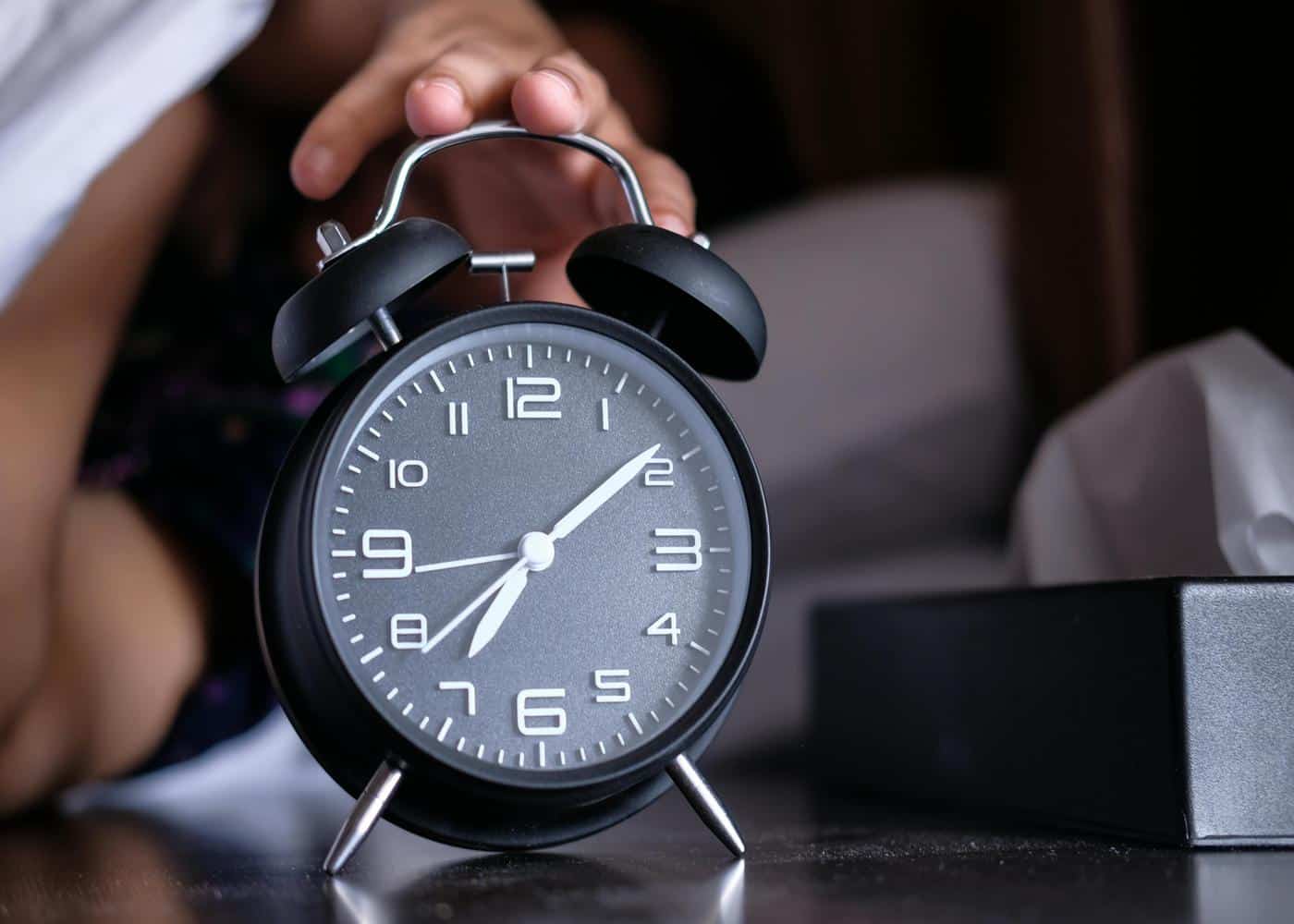
The final component of the rule dictates your actions the following morning. Hitting the snooze button is detrimental to your daily energy levels.
When your alarm goes off, you are pulled out of your sleep cycle. If you hit snooze and go back to sleep, your brain often drops back into a new sleep cycle.
When the alarm sounds again minutes later, you interrupt that sleep cycle in its early stages. This constant waking and sleeping causes sleep inertia, a state of grogginess and disorientation that can last for hours after you finally get out of bed.
Committing to zero snoozes ensures that you start your day the moment your first alarm goes off, preventing sleep fragmentation.
Over time, waking up at the same time every day without snoozing helps anchor your circadian rhythm. Your body will learn to begin increasing your core temperature and releasing cortisol just before your alarm sounds, allowing you to wake up feeling naturally alert.
Breaking the snooze habit requires making the choice to stay in bed inconvenient. A practical strategy is to place your alarm clock or phone across the bedroom, forcing you to physically stand up and walk to turn it off.
Once you are out of bed, do not get back in. Immediately open your blinds to let in natural light, which halts melatonin production and signals to your brain that the day has begun.
You can also try using a sunrise alarm clock, which gradually brightens the room before the audio alarm sounds, simulating a natural sunrise and waking you up gently.
Master the 10-3-2-1-0 Protocol With Neura
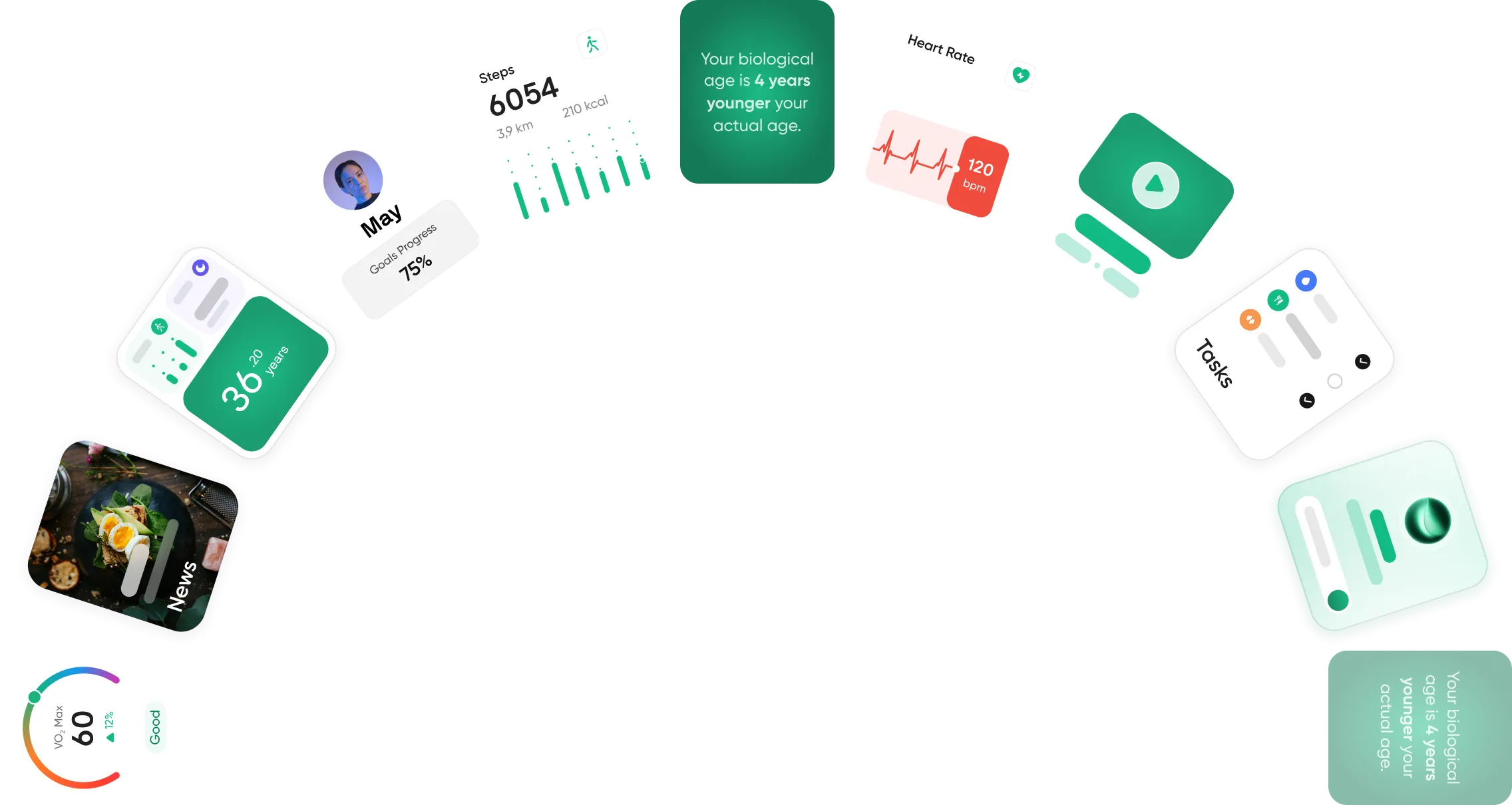
Building a new set of habits requires consistency and tracking. Trying to remember exactly when you had your last coffee or when you need to shut down your laptop can add stress to your day.
Utilizing a habit-tracking tool like Neura can simplify this process. Using Neura allows you to log your daily activities and set targeted reminders for each phase of the countdown.
By inputting your target bedtime into the application, Neura automatically calculates your deadlines for caffeine, food, work, and screens. The app sends notifications throughout the day, serving as a prompt to keep you accountable.
Tracking your adherence to the 10-3-2-1-0 method within Neura also provides valuable data. Over time, you can review your historical trends and see the direct correlation between following the protocol and your overall energy levels.
Final Thoughts: The 10-3-2-1-0 Method
Achieving quality rest is the result of deliberate choices made throughout the day. The protocol is a practical lifestyle adjustment that aligns with human biology.
It may take a few weeks for your body to adjust to the new boundaries, especially if you are accustomed to late-night snacking or working right up until bedtime.
By remaining consistent and protecting your evening hours, you will train your body to transition into sleep naturally.
Start by implementing one or two steps of the countdown, and as they become habits, incorporate the rest to experience a more restorative night of sleep.
Article FAQ
What is the 10-3-2-1-0 rule?
The 10-3-2-1-0 rule is a sleep hygiene framework designed to help you prepare for rest. It stands for 10 hours before bed: no caffeine; 3 hours: no food or alcohol; 2 hours: no work; 1 hour: no screen time; and 0: the number of times you hit the snooze button.
Does the 10-3-2-1-0 sleep method actually work?
Yes, the 10-3-2-1-0 sleep method works by aligning your daily habits with your natural circadian rhythms. By eliminating caffeine, avoiding late meals, reducing stress, and limiting blue light at specific intervals, your body can naturally lower its core temperature and produce melatonin to initiate sleep.
Can I drink water before bed with the 10-3-2-1-0 rule?
You can drink water before bed while following this method. The three-hour cutoff specifically applies to consuming heavy meals, snacks, and alcohol. However, you should limit large volumes of liquid immediately before sleep to prevent waking up during the night to use the restroom.
What happens if I miss a step in the 10-3-2-1-0 protocol?
Missing a single step in the protocol will not completely ruin your night of rest. The method is a guideline to build better habits. If you accidentally consume caffeine late or work into the evening, simply adhere to the remaining steps to help your body wind down.
How long does it take for the 10-3-2-1-0 method to improve sleep?
Most individuals notice an improvement in their ability to fall asleep within three to seven days of consistent practice. Fully adjusting your circadian rhythm and breaking ingrained habits like snoozing your alarm may take two to three weeks of daily adherence.
What should I do during the 1-hour screen-free window?
During the final hour before bed, focus on low-stimulation activities that do not involve digital screens or bright blue light. Reading a physical book, practicing light stretching, meditating, or listening to audiobooks and podcasts are effective ways to relax your mind and prepare your body for rest without disrupting your melatonin production.