
Get exclusive access and
enjoy a 7-day Neura iQ trial.

Get exclusive access and enjoy a 7-day
Neura iQ trial — free, personalized, and powerful.

Table of Contents

Share this Article

High Cortisol In The Morning: How to Manage Stress Levels

February 12, 2026

February 12, 2026

Sleep

15 minutes reading time

15 min read time

Woman showing symptoms of high cortisol in the morning sitting up on a bed hugging her legs

Key Findings

Managing morning cortisol requires balancing the body's natural awakening response through consistent sleep hygiene, delayed caffeine intake, and early sunlight exposure. By monitoring biometric trends like Heart Rate Variability (HRV) and Resting Heart Rate (RHR), you can identify how diet and lifestyle habits directly correlate with physiological stress. This data-driven approach allows for the implementation of personalized strategies to stabilize hormone levels and prevent long-term burnout.
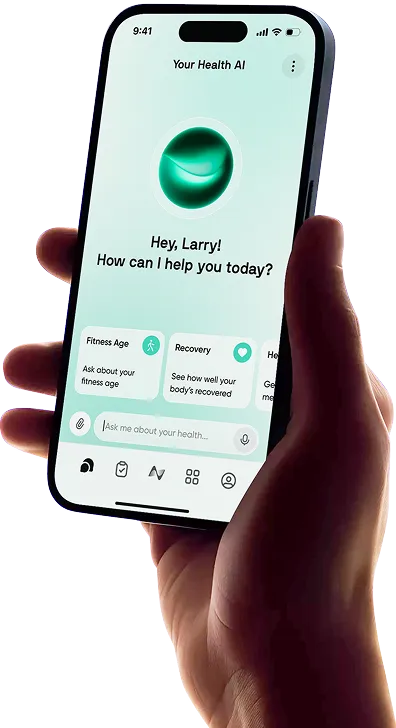
Waking up should feel like a fresh start, yet for many, the morning hours are defined by a racing heart, a sense of impending dread, or a foggy brain that refuses to clear. 

If you find yourself jolting awake at 5:00 AM with your mind already sprinting through a stressful to-do list, you are likely experiencing the physiological effects of a morning cortisol surge. While this hormone is essential for life, an imbalance can turn your internal alarm clock into a source of chronic distress.

Managing your stress levels effectively requires moving beyond guesswork. In a world where we are constantly bombarded by digital stimuli and professional pressures, our bodies often lose the ability to regulate their internal chemistry. 

By understanding the mechanics of your "stress hormone" and utilizing modern tools to track your biological data, you can transition from feeling overwhelmed to feeling in control.

What is Cortisol?

Teal and white image of a hormone over a black background

Cortisol is a steroid hormone produced by the adrenal glands, which sit atop your kidneys. It is often labeled the "stress hormone" because it is the primary driver of the body's fight-or-flight response. 

When your brain perceives a threat, the hypothalamus signals the adrenal glands to release cortisol into the bloodstream, increasing glucose levels and altering immune system responses to prepare you for immediate action.

Beyond emergency situations, cortisol plays a vital role in everyday health. It helps regulate blood pressure, reduces inflammation, and manages how your body uses carbohydrates, fats, and proteins. 

Ideally, cortisol follows a diurnal rhythm: it should be at its highest shortly after you wake up and at its lowest around midnight to allow for deep, restorative sleep.


Why Does Cortisol Surge After Waking?

The sharp increase in cortisol that occurs within the first 30 to 45 minutes of waking is known as the Cortisol Awakening Response (CAR). This is a natural and healthy phenomenon designed to provide you with the energy and alertness needed to start your day. 

Scientists believe the CAR is the body’s way of "booting up" the brain and preparing the system for the anticipated demands of the day ahead.

However, when you are under chronic stress, this surge can become exaggerated. Instead of a gentle wake-up call, your body produces an overabundance of the hormone, leading to that "tired but wired" feeling. 

Conversely, some individuals experience a disrupted rhythm where they have high cortisol at night and low cortisol in the morning, which leaves them feeling exhausted during the day and unable to shut down their brains when it is time to sleep.


Symptoms of High Cortisol In The Morning

Recognizing high cortisol symptoms is the first step toward intervention. While everyone experiences occasional morning jitters, chronic elevation presents a specific cluster of physical and mental signs. 

One of the most common indicators is waking up significantly earlier than intended with a sense of panic or intense anxiety that does not have an immediate external cause.

Physical symptoms include digestive issues, such as nausea or cramping, as cortisol redirects blood flow away from the gut to the muscles. You might also notice a rapid heart rate or shallow breathing immediately upon opening your eyes. 

Over time, these elevated levels can lead to "moon face" (swelling in the face), weight gain around the midsection, and muscle weakness in the upper arms or thighs.


How To Lower Cortisol Levels: Daily Strategies

Woman sitting on yoga mat attempting to lower cortisol levels by plaving hands on knees with palms facing up

If you are struggling with chronic stress, learning how to lower cortisol levels is essential for long-term health. The goal is not to eliminate cortisol, which would be dangerous, but to help your body return to a state of homeostasis where the hormone rises and falls at the appropriate times.


Prioritize Consistent Sleep Hygiene

Your endocrine system thrives on predictability. Going to bed and waking up at the same time every day, even on weekends, helps calibrate your internal clock. 

When your sleep schedule is erratic, your body perceives the inconsistency as a stressor, which can trigger an exaggerated cortisol response the following morning to compensate for the lack of stability.


Practice Delayed Caffeine Consumption

Many people reach for a cup of coffee the moment they wake up, but this can actually exacerbate a cortisol spike. 

Since your cortisol is already naturally peaking in the morning, adding caffeine, a known stimulant that triggers further cortisol release, can lead to overstimulation and jitters. Try waiting 90 minutes after waking to have your first cup.


Incorporate Gentle Morning Movement

While high-intensity interval training (HIIT) is excellent for fitness, it is also a significant physiological stressor that raises cortisol. 

If your levels are already high, a grueling morning workout might do more harm than good. Instead, opt for gentle movement like yoga, tai chi, or a brisk walk to promote circulation without overtaxing the adrenal glands.


Utilize Box Breathing Techniques

Breathing exercises are one of the fastest ways to communicate with your nervous system. Box breathing involves inhaling for four seconds, holding for four, exhaling for four, and holding for four. 

This practice stimulates the vagus nerve, which activates the parasympathetic nervous system (the rest-and-digest mode), effectively signaling to your brain that it is safe to lower cortisol production.


Opt for a High-Protein Breakfast

What you eat in the morning dictates your hormonal health for the rest of the day. A breakfast high in refined sugars or simple carbohydrates can cause a blood sugar spike followed by a crash, which triggers a secondary cortisol release. 

Choosing high-quality proteins helps stabilize blood glucose and provides the amino acids necessary for neurotransmitter repair.


Spend Time in Natural Sunlight

Exposure to bright, natural light within the first hour of waking helps regulate your circadian rhythm. Sunlight hits the retina and sends a signal to the suprachiasmatic nucleus in the brain, which helps "set" your hormonal timer. 

This not only helps manage the morning surge but also ensures that melatonin is produced correctly later in the evening for better sleep.


Supplement with Adaptogens

Adaptogens are a class of herbs that help the body "adapt" to stress by balancing the hypothalamic-pituitary-adrenal (HPA) axis. Ashwagandha, in particular, has been studied for its ability to reduce serum cortisol levels. 

However, it is important to track how these supplements interact with your unique physiology to ensure they are providing the intended benefit.


Reduce Morning Digital Stimuli

Checking your emails or scrolling through news feeds the second you wake up forces your brain into a reactive, high-stress state. This "anticipatory stress" can cause cortisol to spike before you have even gotten out of bed. 

Try to keep the first thirty minutes of your day screen-free, focusing instead on mindfulness to allow your brain to warm up gradually.

How To Monitor Stress Levels At Home
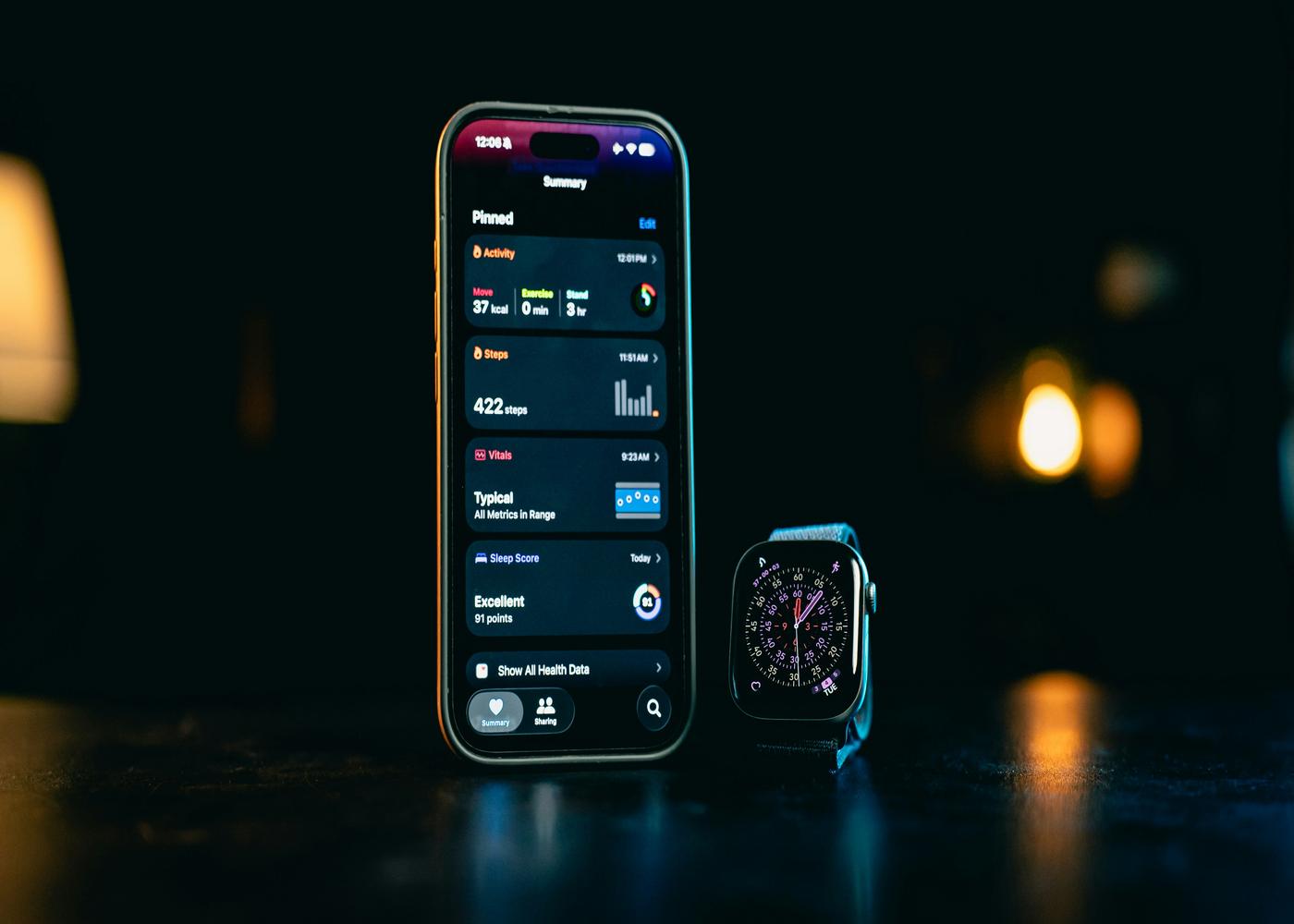
iPhone and Apple Watch sitting vertically showing health data

Understanding your body requires data. Many people want to know how to check cortisol levels without visiting a clinical laboratory every week. While a saliva or blood test is the gold standard for a specific snapshot, you can monitor the physiological "shadows" of cortisol through various biometric markers.

Wearable devices now allow for the tracking of Heart Rate Variability (HRV), which is a key indicator of your autonomic nervous system's health. 

A low HRV generally suggests that your body is in a stressed, sympathetic state. By monitoring trends in your Resting Heart Rate (RHR) and sleep quality, you can begin to see a clear picture of how your lifestyle choices impact your internal stress environment.


Managing Stress With Neura

Neura Health provides a sophisticated solution for those who want to move beyond basic tracking. As a "Health Operating System" (HealthOS), Neura integrates data from all your wearables, such as Oura, Garmin, or Apple Health, into a single, unified profile. 

This allows you to see exactly how different variables intersect; for example, you can correlate your sleep metrics with dietary data to find direct correlations between poor rest and daily habits.

The platform’s PhD-grade AI acts as a dedicated personal health coach, interpreting complex signals from your integrated health data to provide hyper-personalized guidance. 

Instead of receiving generic advice, Neura Al can analyze your specific biometric status, like your HRV and RHR trends, to provide an answer tailored to your specific situation. If the system detects a drop in your recovery metrics, the "Adaptive Milestones" feature in your Health Plan can automatically recalibrate, reducing intensity to prevent burnout and ensure safety.

With features like Custom Dashboards, you can bring cardiovascular and longevity metrics to the foreground, allowing you to architect a data landscape that prioritizes stress management. This ensures that your efforts to manage stress are grounded in real-world conditions and supported by your unique biological data.

Final Thoughts: Morning Cortisol Levels

High cortisol in the morning is a significant biological indicator that your current lifestyle, environment, or stress levels may be out of balance. 

By recognizing the physical and mental symptoms early, you can implement structured daily strategies to quiet the internal alarm and reclaim your mornings.

The journey to hormonal regulation is deeply personal, as individual responses to stress vary based on biological constraints and daily habits. Shifting from a reactive state to a proactive, data-driven approach allows you to see the direct impact of your decisions on your physiology. 

When you understand the correlations between your sleep, diet, and stress markers, you gain the agency needed to make lasting changes that support long-term wellness and prevent burnout.
Article FAQ

Why is my cortisol so high in the morning?

A sharp increase in cortisol within the first 45 minutes of waking is a natural biological process known as the Cortisol Awakening Response designed to provide alertness for the day. However, excessively high levels are often triggered by chronic stress, anticipatory anxiety, or poor sleep hygiene which causes the body to produce an overabundance of the hormone.

How to reduce high cortisol levels in the morning?

The most effective way to lower morning cortisol is through consistent lifestyle adjustments such as delaying caffeine intake to avoid overstimulating the adrenal glands during their natural peak. You can also view natural sunlight shortly after waking to regulate your circadian rhythm and use box breathing to activate the parasympathetic nervous system.

What foods raise cortisol levels?

Dietary choices act as a direct input for hormonal health because refined sugars and highly processed carbohydrates cause insulin spikes that trigger secondary cortisol releases. Excessive caffeine also directly stimulates stress hormone production, making it vital to monitor how specific intake correlates with your internal data.

Can artificial intelligence help me manage my stress?

Advanced intelligence systems can cross-reference real-time biometric data with stated health goals to provide hyper-personalized guidance. These systems interpret complex signals like Heart Rate Variability and sleep efficiency to offer proactive insights, helping you adjust your routine the moment signs of high physiological stress are detected.

What is the best way to track cortisol trends at home?

While direct testing requires lab work, you can monitor cortisol proxies by tracking longitudinal trends in Resting Heart Rate and sleep quality via wearable devices. Integrating this data into a unified profile allows you to visualize exactly how your daily habits and medications correlate with your body's stress response.

How do I know if my stress is affecting my long-term health?

You can monitor foundational wellbeing by visualizing body composition, cardiovascular health, and metabolic trends over time. By tracking metrics like VO2 Max and HRV, you can determine if chronic stress is impacting your health and use dynamic protocols to course-correct before reaching a state of burnout.

Read More

Read More

Read More

Read More

Enter your email for free
early access + 7-day Neura iQ trial

Limited beta spots!

Enter your email for free
early access + 7-day Neura iQ trial

Limited beta spots!

Got Questions? We've Got Answers

What exactly is Neura app?

Neura is a holistic AI health assistant that acts as your personal wellness coach. It combines your wearable data, lifestyle habits, and health metrics to deliver personalized plans, daily micro-tasks, mini-podcasts, and actionable insights to improve sleep, fitness, recovery, and longevity.

How does Neura work?

1. Answer a quick onboarding quiz (1–2 min). 2. Set your goals (e.g., better sleep, running a 5K). 3. Connect your wearables or apps for real-time health data. 4. Receive a daily, AI-personalized plan and mini-podcasts. 5. Track progress on your dashboard while Neura optimizes automatically.

Do I need a wearable or fitness tracker to use Neura?

No. You can start with just your phone and basic input. Wearables like Apple Watch, Garmin, Oura, or Fitbit unlock deeper, real-time insights and premium metrics, but they are optional.

Is my data safe and private?

Absolutely. Neura uses end-to-end encryption, is GDPR/HIPAA compliant, and gives you full control over data exports and deletion. Only anonymized data is processed for AI improvements.

What kind of results can I expect with Neura?

Most users report noticeable improvements in sleep quality, daily energy, and habit consistency within 2–3 weeks. Real-time insights help you save hours each week by replacing endless self-tracking and guesswork with an AI-driven health plan.

What devices and apps can Neura connect to?

Neura integrates with 90+ apps and devices like Apple Health, Google Fit, Garmin, Oura, Fitbit, Polar, Suunto, Peloton, Zwift, Withings, Eight Sleep, and more. You can also upload lab results for advanced analysis.

What’s included in the free plan?

The free Neura Plan comes with all the basic features you need to kickstart your holistic health and fitness journey. Those include our core AI chat (single-chat memory), a standard health plan with one active goal, up to 5 customizable Health Hub widgets, and daily auto-sync with limited integrations. Upgrade to Neura iQ for unlimited AI chat with persistent multi-session memory, multiple simultaneous Health Plans, and real-time data sync from 100+ integrations with 360° Health Sync, alongside all other premium features.

How is Neura different from other health apps or trackers?

Neura isn’t just a tracker – it’s a smart health operating system. It pulls together your data, analyzes it in real time, and gives you proactive, science-backed recommendations tailored to your lifestyle, without the hassle of manual research or multiple apps.

Can I cancel if I am not satisfied?

Yes. Neura Free is free forever, and Neura iQ comes with a 7-day free trial. After upgrading, you can cancel anytime. If you’re not satisfied within 30 days, we offer a full refund—no questions asked.

How do I get started with Neura?

Simply sign up with your email to claim free early access. You can start in less than 2 minutes, connect your wearables later, and immediately receive your personalized plan and first mini-podcast.

Got Questions? We've Got Answers

What exactly is Neura app?

Neura is a holistic AI health assistant that acts as your personal wellness coach. It combines your wearable data, lifestyle habits, and health metrics to deliver personalized plans, daily micro-tasks, mini-podcasts, and actionable insights to improve sleep, fitness, recovery, and longevity.

How does Neura work?

1. Answer a quick onboarding quiz (1–2 min). 2. Set your goals (e.g., better sleep, running a 5K). 3. Connect your wearables or apps for real-time health data. 4. Receive a daily, AI-personalized plan and mini-podcasts. 5. Track progress on your dashboard while Neura optimizes automatically.

Do I need a wearable or fitness tracker to use Neura?

No. You can start with just your phone and basic input. Wearables like Apple Watch, Garmin, Oura, or Fitbit unlock deeper, real-time insights and premium metrics, but they are optional.

Is my data safe and private?

Absolutely. Neura uses end-to-end encryption, is GDPR/HIPAA compliant, and gives you full control over data exports and deletion. Only anonymized data is processed for AI improvements.

What kind of results can I expect with Neura?

Most users report noticeable improvements in sleep quality, daily energy, and habit consistency within 2–3 weeks. Real-time insights help you save hours each week by replacing endless self-tracking and guesswork with an AI-driven health plan.

What devices and apps can Neura connect to?

Neura integrates with 90+ apps and devices like Apple Health, Google Fit, Garmin, Oura, Fitbit, Polar, Suunto, Peloton, Zwift, Withings, Eight Sleep, and more. You can also upload lab results for advanced analysis.

What’s included in the free plan?

The free Neura Plan comes with all the basic features you need to kickstart your holistic health and fitness journey. Those include our core AI chat (single-chat memory), a standard health plan with one active goal, up to 5 customizable Health Hub widgets, and daily auto-sync with limited integrations. Upgrade to Neura iQ for unlimited AI chat with persistent multi-session memory, multiple simultaneous Health Plans, and real-time data sync from 100+ integrations with 360° Health Sync, alongside all other premium features.

How is Neura different from other health apps or trackers?

Neura isn’t just a tracker – it’s a smart health operating system. It pulls together your data, analyzes it in real time, and gives you proactive, science-backed recommendations tailored to your lifestyle, without the hassle of manual research or multiple apps.

Can I cancel if I am not satisfied?

Yes. Neura Free is free forever, and Neura iQ comes with a 7-day free trial. After upgrading, you can cancel anytime. If you’re not satisfied within 30 days, we offer a full refund—no questions asked.

How do I get started with Neura?

Simply sign up with your email to claim free early access. You can start in less than 2 minutes, connect your wearables later, and immediately receive your personalized plan and first mini-podcast.

Got Questions? We've Got Answers

What exactly is Neura app?

Neura is a holistic AI health assistant that acts as your personal wellness coach. It combines your wearable data, lifestyle habits, and health metrics to deliver personalized plans, daily micro-tasks, mini-podcasts, and actionable insights to improve sleep, fitness, recovery, and longevity.

How does Neura work?

1. Answer a quick onboarding quiz (1–2 min). 2. Set your goals (e.g., better sleep, running a 5K). 3. Connect your wearables or apps for real-time health data. 4. Receive a daily, AI-personalized plan and mini-podcasts. 5. Track progress on your dashboard while Neura optimizes automatically.

Do I need a wearable or fitness tracker to use Neura?

No. You can start with just your phone and basic input. Wearables like Apple Watch, Garmin, Oura, or Fitbit unlock deeper, real-time insights and premium metrics, but they are optional.

Is my data safe and private?

Absolutely. Neura uses end-to-end encryption, is GDPR/HIPAA compliant, and gives you full control over data exports and deletion. Only anonymized data is processed for AI improvements.

What kind of results can I expect with Neura?

Most users report noticeable improvements in sleep quality, daily energy, and habit consistency within 2–3 weeks. Real-time insights help you save hours each week by replacing endless self-tracking and guesswork with an AI-driven health plan.

What devices and apps can Neura connect to?

Neura integrates with 90+ apps and devices like Apple Health, Google Fit, Garmin, Oura, Fitbit, Polar, Suunto, Peloton, Zwift, Withings, Eight Sleep, and more. You can also upload lab results for advanced analysis.

What’s included in the free plan?

The free Neura Plan comes with all the basic features you need to kickstart your holistic health and fitness journey. Those include our core AI chat (single-chat memory), a standard health plan with one active goal, up to 5 customizable Health Hub widgets, and daily auto-sync with limited integrations. Upgrade to Neura iQ for unlimited AI chat with persistent multi-session memory, multiple simultaneous Health Plans, and real-time data sync from 100+ integrations with 360° Health Sync, alongside all other premium features.

How is Neura different from other health apps or trackers?

Neura isn’t just a tracker – it’s a smart health operating system. It pulls together your data, analyzes it in real time, and gives you proactive, science-backed recommendations tailored to your lifestyle, without the hassle of manual research or multiple apps.

Can I cancel if I am not satisfied?

Yes. Neura Free is free forever, and Neura iQ comes with a 7-day free trial. After upgrading, you can cancel anytime. If you’re not satisfied within 30 days, we offer a full refund—no questions asked.

How do I get started with Neura?

Simply sign up with your email to claim free early access. You can start in less than 2 minutes, connect your wearables later, and immediately receive your personalized plan and first mini-podcast.

Got Questions? We've Got Answers

What exactly is Neura app?

Neura is a holistic AI health assistant that acts as your personal wellness coach. It combines your wearable data, lifestyle habits, and health metrics to deliver personalized plans, daily micro-tasks, mini-podcasts, and actionable insights to improve sleep, fitness, recovery, and longevity.

How does Neura work?

1. Answer a quick onboarding quiz (1–2 min). 2. Set your goals (e.g., better sleep, running a 5K). 3. Connect your wearables or apps for real-time health data. 4. Receive a daily, AI-personalized plan and mini-podcasts. 5. Track progress on your dashboard while Neura optimizes automatically.

Do I need a wearable or fitness tracker to use Neura?

No. You can start with just your phone and basic input. Wearables like Apple Watch, Garmin, Oura, or Fitbit unlock deeper, real-time insights and premium metrics, but they are optional.

Is my data safe and private?

Absolutely. Neura uses end-to-end encryption, is GDPR/HIPAA compliant, and gives you full control over data exports and deletion. Only anonymized data is processed for AI improvements.

What kind of results can I expect with Neura?

Most users report noticeable improvements in sleep quality, daily energy, and habit consistency within 2–3 weeks. Real-time insights help you save hours each week by replacing endless self-tracking and guesswork with an AI-driven health plan.

What devices and apps can Neura connect to?

Neura integrates with 90+ apps and devices like Apple Health, Google Fit, Garmin, Oura, Fitbit, Polar, Suunto, Peloton, Zwift, Withings, Eight Sleep, and more. You can also upload lab results for advanced analysis.

What’s included in the free plan?

The free Neura Plan comes with all the basic features you need to kickstart your holistic health and fitness journey. Those include our core AI chat (single-chat memory), a standard health plan with one active goal, up to 5 customizable Health Hub widgets, and daily auto-sync with limited integrations. Upgrade to Neura iQ for unlimited AI chat with persistent multi-session memory, multiple simultaneous Health Plans, and real-time data sync from 100+ integrations with 360° Health Sync, alongside all other premium features.

How is Neura different from other health apps or trackers?

Neura isn’t just a tracker – it’s a smart health operating system. It pulls together your data, analyzes it in real time, and gives you proactive, science-backed recommendations tailored to your lifestyle, without the hassle of manual research or multiple apps.

Can I cancel if I am not satisfied?

Yes. Neura Free is free forever, and Neura iQ comes with a 7-day free trial. After upgrading, you can cancel anytime. If you’re not satisfied within 30 days, we offer a full refund—no questions asked.

How do I get started with Neura?

Simply sign up with your email to claim free early access. You can start in less than 2 minutes, connect your wearables later, and immediately receive your personalized plan and first mini-podcast.