8 Reasons Why You Should Always Track Your Workouts (And How)
Fitness
Key Findings
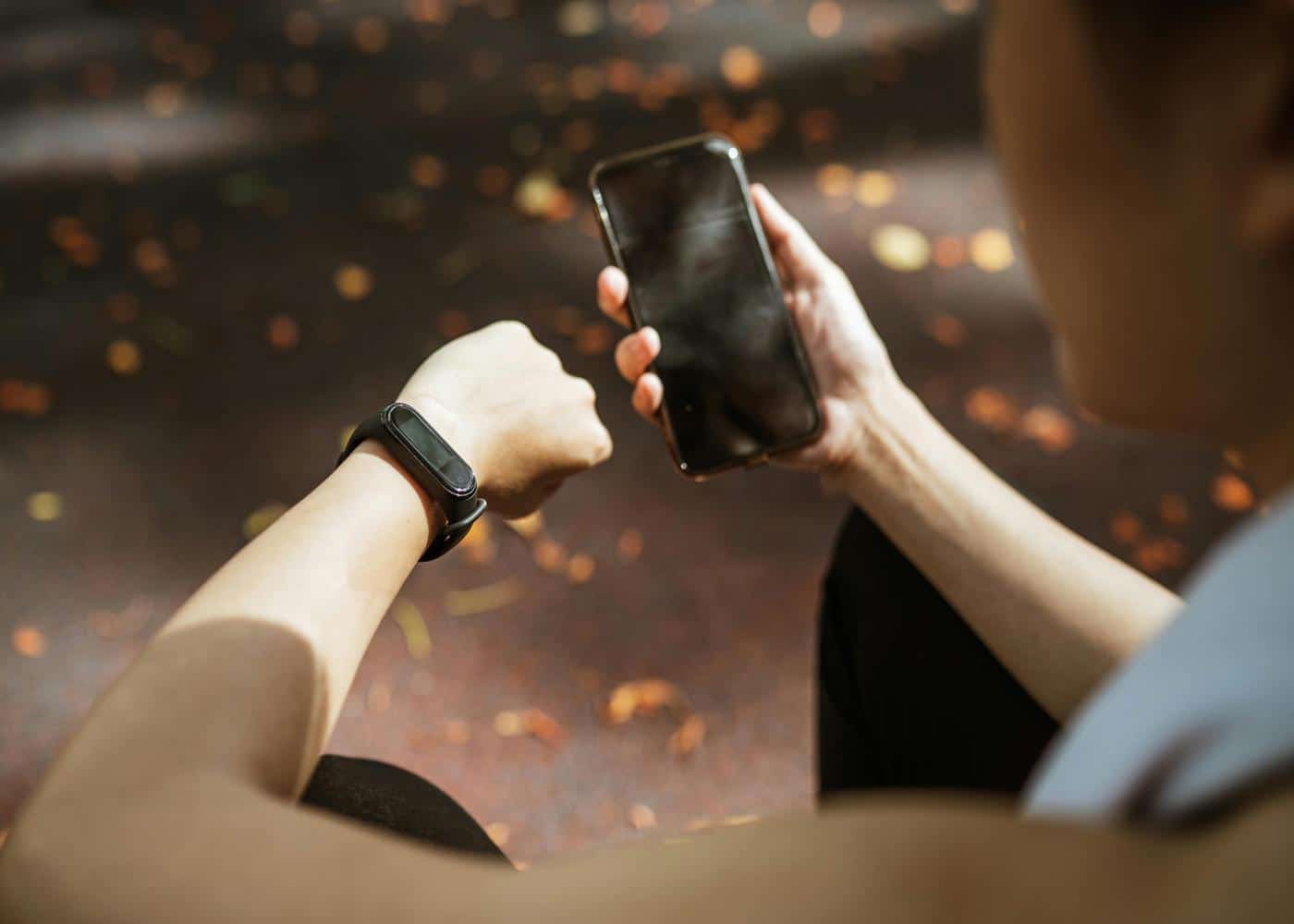
Tracking your workouts helps you stay consistent, measure progress, avoid overtraining, and make smarter changes to your routine. The best way to track your workouts is to record the basics, such as exercises, sets, reps, weight, duration, distance, pace, intensity, and how you felt. Whether you use a notebook, wearable, or app to track your workouts, the goal is simple: turn your training history into better decisions and steady long-term progress.
Tracking your workouts is one of the easiest ways to make fitness progress more consistent. Instead of guessing what you did last week, how much weight you lifted, or whether your running pace is improving, a workout log gives you a clear record.
The best way to track your workouts depends on your goal. Strength training may require sets, reps, and weight. Running or cycling may focus on distance, pace, heart rate, and effort. General fitness tracking may simply include workouts completed, active minutes, sleep, and recovery.
The point is not to make exercise more complicated. When you track your workout routine, you can see what is working, adjust what is not, and build a plan that keeps improving over time.
8 Reasons to Track Your Workouts
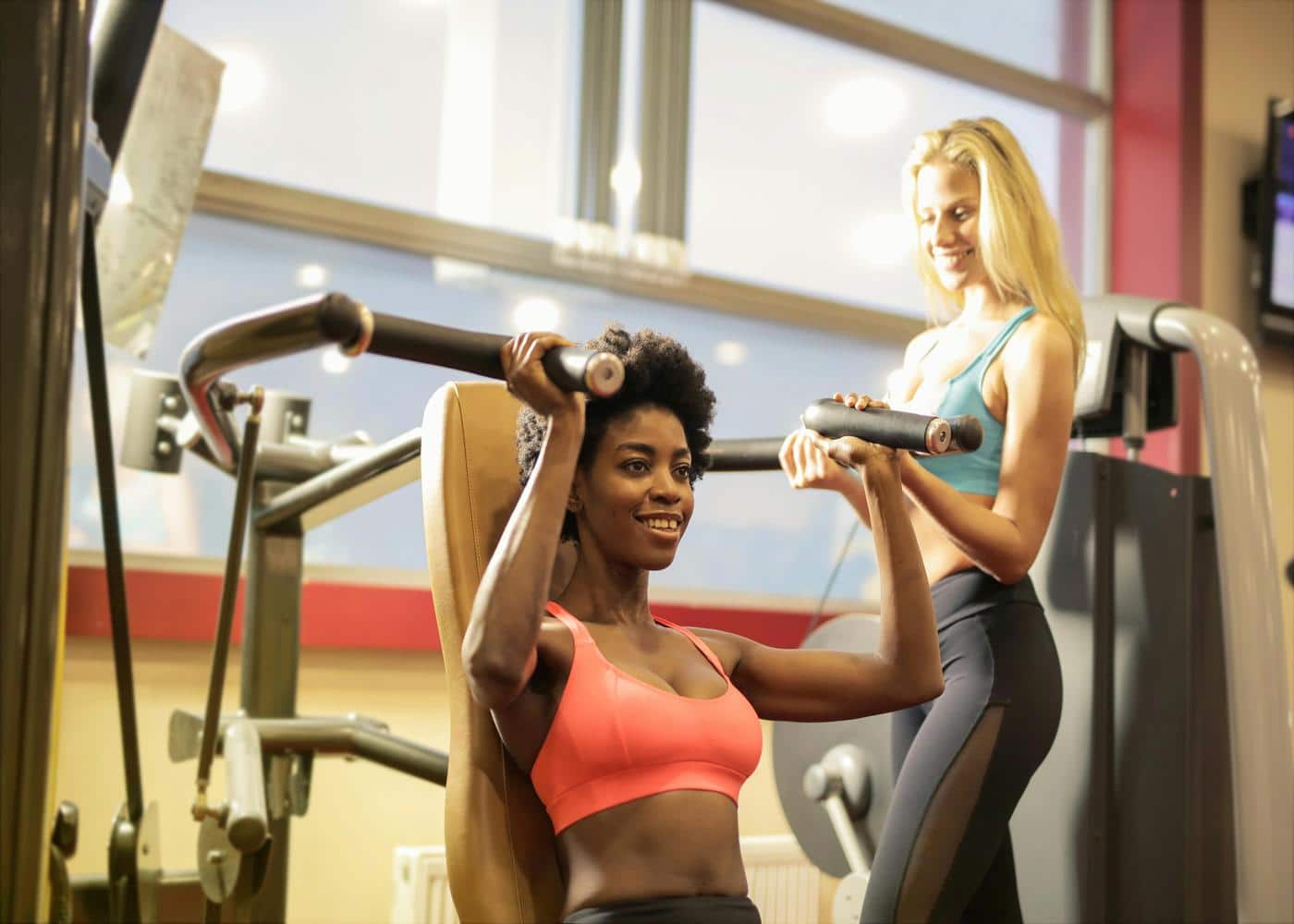
Here are the biggest reasons why tracking your workouts can help you train smarter, stay consistent, and make better progress over time.
1. You Build Consistency
Consistency is the foundation of fitness. A single great workout is useful, but regular training over weeks and months is what creates real change.
Tracking helps you see whether you are actually showing up. You may feel like you worked out “a lot this month,” but a workout log gives you the truth. Did you train three times a week, or did you miss more sessions than you realized? Did you keep your walking routine going, or did it fade after a few busy days?
This does not have to be complicated. Even a simple note that says “strength workout, 45 minutes” or “walk, 30 minutes” gives you a clear record. Over time, that record becomes motivating because you can see your effort stacking up.
Tracking also helps reduce the all-or-nothing mindset. If you miss one session, you can look at your history and see that you are still making progress. One missed workout does not ruin a routine. A tracker helps you return to the plan instead of giving up.
2. You Make Progress Easier to Measure
Fitness progress can be slow, which makes it easy to underestimate how far you have come. Tracking gives you proof.
If you lift weights, your log can show that you moved from 20 kg dumbbells to 26 kg dumbbells, or from 8 reps to 12 reps with the same weight. If you run, you can see pace improving at the same heart rate. If you do yoga or mobility work, you can note improved range of motion, less stiffness, or better control.
Progress is not always visible in the mirror or on the scale. Sometimes the clearest signs are in performance: more reps, better endurance, faster recovery, lower perceived effort, improved form, or fewer aches after training.
A workout tracker helps you notice these wins. That matters because motivation often comes from evidence. When you can see progress, you are more likely to keep going.
3. You Avoid Doing Too Much Too Soon
One of the biggest causes of burnout and injury is increasing training too quickly. This can happen with running mileage, lifting volume, workout frequency, or high-intensity sessions.
When you do not track workouts, it is easy to accidentally overload your body. You might add an extra run, increase weight, train harder, and sleep less, all in the same week. At first, you may feel fine. Then fatigue, soreness, low motivation, or injury risk starts to build.
Tracking helps you manage training load. You can see how many sessions you completed, how hard they were, and whether your body is recovering. If your log shows several intense workouts in a row, it may be time for an easier day.
This is especially important for beginners. Your motivation may rise faster than your body can adapt. A tracker helps keep your plan realistic.
4. You Know When to Progress
A good fitness plan should change over time. If it never changes, your body may stop adapting. If it changes too fast, you may struggle to recover.
Tracking helps you find the middle ground. For strength training, you can use your workout log to decide when to add weight, reps, or sets. If you completed all your planned reps with good form for two or three sessions, that may be a sign to increase the challenge. If your performance drops or your form breaks down, it may be better to hold steady.
For cardio, tracking can help you decide when to increase distance, pace, or intensity. If your usual route starts feeling easier, your heart rate is lower, or your pace improves, you have useful evidence that your fitness is improving.
Without tracking, progression becomes guesswork. With tracking, it becomes a clear decision.
5. You Understand What Affects Performance
Your workouts do not happen in isolation. Sleep, stress, hydration, nutrition, alcohol, caffeine, work demands, travel, and recovery all affect how you perform.
Tracking helps connect the dots. Maybe your best workouts happen after seven or more hours of sleep. Maybe late-night meals affect your morning run. Maybe your strength drops after several stressful workdays. Maybe your energy improves when you eat enough before training.
This is where workout tracking becomes more than a list of exercises. It becomes a feedback system. You start to understand the habits that support your performance and the ones that make training harder.
You do not need to log every detail forever. But adding simple notes like “poor sleep,” “high stress,” “felt strong,” or “legs tired” can make your data much more useful.
6. You Stay More Motivated
Motivation changes. Some weeks you feel excited to train. Other weeks you feel tired, busy, or distracted. A workout log can help during both phases.
When motivation is high, tracking keeps you focused. It helps you avoid random workouts and stay connected to a plan. When motivation is low, your history can remind you that progress is possible and that you have already done hard things before.
Seeing completed workouts is powerful. It creates a sense of momentum. Each entry is proof that you followed through.
This is one reason many people prefer an app to track your workouts. Apps can show streaks, progress graphs, personal records, weekly summaries, and reminders. These features are not magic, but they can make consistency more satisfying.
7. You Make Your Workouts More Efficient
A workout log saves time because it tells you exactly what to do next.
Instead of walking into the gym and trying to remember what weight you used last time, you can open your tracker and continue from the previous session. Instead of guessing your running pace, you can review your recent efforts and plan a smarter session.
This helps you avoid wasted time, repeated decisions, and random training. You can focus on doing the work rather than rebuilding your plan every session.
Tracking also makes it easier to spot exercises or routines that are not helping. If you have been doing the same workout for months with no progress, your log can show that clearly. Then you can adjust the plan instead of repeating the same pattern.
8. You Create a Routine You Can Actually Improve
The best fitness routine is not the most intense one. It is the one you can repeat, recover from, and improve over time.
Tracking helps you build that kind of routine. You can see what fits your schedule, which workouts you enjoy, how your body responds, and where you need more balance.
For example, you might notice that four workouts per week feels sustainable, but five leads to missed sessions. You might discover that full-body strength training works better for your schedule than a complex body-part split. You might realize that short walks on rest days help you recover without feeling inactive.
When you track your workout routine, you stop relying on guesswork. You build a plan around your real life.


The Best Apps for Tracking Your Workouts

There are many ways to track training: notebook, spreadsheet, smartwatch, wearable, or app. For most people, the easiest option is a fitness app because it keeps everything in one place and makes progress easier to review.
Here are some of the best options depending on your goals.
Strava
Strava is one of the best apps for runners, cyclists, hikers, and anyone who enjoys outdoor training. It works with phones and GPS devices, allowing users to track activities and share efforts with friends. Strava also offers tools for analyzing training and performance, which makes it useful for people who want more than a basic activity log.
Strava is especially strong if community motivation matters to you. You can follow friends, compare efforts, join challenges, and keep a record of your routes and progress.
Best For: Running, cycling, hiking, GPS tracking, and social motivation.
Nike Training Club
Nike Training Club is a strong option for people who want guided workouts rather than just a blank logging tool. The app includes workouts across strength, endurance, yoga, and mobility, with options for different fitness levels and schedules.
This makes it useful for beginners, home exercisers, and anyone who wants structured training without building every session from scratch.
Best For: Guided workouts, home training, strength, mobility, yoga, and beginner-friendly programming.
Strong
Strong is a workout tracker and gym log focused on strength training. It is designed to help users plan workouts, log lifts, track previous sessions, monitor personal records, and review progression over time.
Strong is a good choice if your main goal is to get stronger and you want a clean way to track sets, reps, weights, and rest periods.
Best For: Strength training, gym logging, progressive overload, and lifting history.
Hevy
Hevy is another popular app for logging gym workouts. It is built for planning lifting routines, logging workouts, tracking progress, and connecting with friends.
Hevy is useful if you want a strength tracker with a social element. You can build routines, monitor progress, and stay motivated through community features.
Best For: Weightlifting, workout planning, progress tracking, and social accountability.
Garmin Connect
Garmin Connect is best for people who use a Garmin watch or device. It can record activities like running, walking, cycling, swimming, skiing, and triathlons, while also supporting challenges, groups, badges, and performance insights.
Garmin Connect is especially useful for endurance athletes because it connects workout data with metrics like heart rate, training load, recovery, sleep, and performance trends, depending on the device.
Best For: Garmin users, endurance training, running, cycling, swimming, and multisport tracking.
Apple Fitness and Apple Fitness Plus
Apple Fitness and Apple Fitness Plus are useful for Apple Watch users who want guided workouts and automatic activity tracking. Apple Fitness Plus offers trainer-led workouts across categories such as strength, HIIT, cycling, yoga, Pilates, meditation, treadmill, rowing, and more.
This is a strong choice if you already use an Apple Watch and want a simple way to track workouts, close activity rings, and follow guided sessions.
Best For: Apple Watch users, guided workouts, activity tracking, and all-round fitness.
Track and Perfect Your Workout Routine With Neura
Tracking your workouts is useful, but data alone does not always tell you what to do next. You might see low HRV, poor sleep, or a high training load and still wonder whether to push, rest, or adjust your plan.
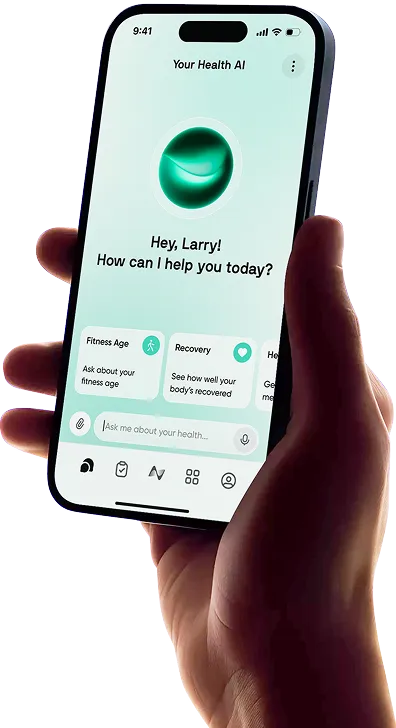
Neura helps close that gap by turning health and fitness data into practical guidance. Instead of simply showing your scores, Neura is designed to interpret sleep, stress, activity, recovery, and goals, then recommend what your day should look like.
That could mean lowering workout intensity, moving a hard session to another day, adding recovery time, or reshaping your week after a missed workout. The goal is simple: use your workout data to train smarter with less guesswork.
Final Thoughts: Keeping Track of Your Workouts
Tracking your workouts helps you stay consistent, measure progress, avoid overtraining, and build a routine that actually fits your life. Whether you use a notebook, wearable, or app to track your workouts, the best system is the one you can use consistently.
Start by tracking the basics: exercises, duration, intensity, sets, reps, weight, distance, pace, and how you felt. Over time, your workout history will show what is helping you improve and where you need to adjust.
When you track your workout routine and pair that data with smarter guidance from tools like Neura, you can stop guessing and start making better training decisions.
Article FAQ
Should you track your workouts?
Yes, you should track your workouts if you want to build consistency, measure progress, and train more effectively. A workout log helps you see what you did, how your body responded, and whether your routine is actually improving over time. You do not need to track every detail, but recording the basics can make your training more focused and easier to adjust.
How do you keep track of your workouts?
You can keep track of your workouts using a notebook, spreadsheet, fitness app, smartwatch, or wearable. For strength training, log exercises, sets, reps, weight, and rest times. For running, cycling, or cardio, track distance, pace, time, heart rate, and effort. The best way to track your workouts is the method you can use consistently.
Does WHOOP track your workouts?
Yes, WHOOP can track workouts and activity strain. It monitors heart rate, strain, recovery, sleep, and other body signals to show how your workouts affect your overall readiness. WHOOP is especially useful for people who want to understand the relationship between training, recovery, and sleep rather than only logging exercises.
What is the best app to track your workouts?
The best app to track your workouts depends on your training style. Strava is strong for running and cycling, Strong and Hevy are useful for weightlifting, Garmin Connect works well for Garmin users, and Apple Fitness is a good option for Apple Watch users. Choose an app that matches your goals and is easy to update after each session.
What should I write in a workout log?
A good workout log should include the date, workout type, exercises, sets, reps, weight, duration, distance, pace, intensity, and notes on how you felt. You can also add sleep, soreness, stress, and recovery notes if you want more context. This helps you understand why some workouts feel better than others.
How often should you track your workouts?
You should track your workouts every time you train, even if the entry is simple. A quick note after each session is usually enough to build a useful history. Review your workout data weekly or monthly to spot patterns, adjust your routine, and make sure you are progressing without overtraining.