Table of Contents

Share this Article

Unlock Your
Smarter Health

Take a 7-day free trial -

pay only if you like it.

Unlock Your
Smarter Health

Take a 7-day free trial -

pay only if you like it.

Sulthiame and the Future of Oral Treatment for Obstructive Sleep Apnea

December 18, 2025

December 18, 2025

News

News

News

12 minutes reading time

12 min read time

Sulthiame for sleep apnea - woman struggling to sleep

Key Findings

Sulthiame, a repurposed carbonic anhydrase inhibitor, has shown in the European Phase 2 FLOW trial the ability to significantly reduce the frequency of obstructive events and improve oxygenation in patients with moderate to severe obstructive sleep apnea. The drug demonstrated a clear dose-dependent effect, was generally well tolerated, and holds promise as a potential oral alternative or adjunct to CPAP therapy, pending confirmation in Phase 3 trials.
Sulthiame, a carbonic anhydrase inhibitor with a long history of use in epilepsy, has recently emerged as a promising investigational therapy for obstructive sleep apnea (OSA)

In recent years, European clinical research has focused on repurposing sulthiame as a potential oral alternative to device‑based treatments such as continuous positive airway pressure (CPAP). The most significant evidence to date comes from a large Phase 2 European clinical trial published in The Lancet (Oct 2025).


Background: Why Sulthiame for OSA?

Obstructive sleep apnea affects millions of people worldwide and is characterized by repeated collapse of the upper airway during sleep, leading to oxygen desaturation, fragmented sleep, and increased cardiovascular risk. 

Although CPAP remains the gold standard, long‑term adherence is often poor, creating a substantial unmet need for effective, well‑tolerated pharmacologic treatments.

Sulthiame inhibits carbonic anhydrase, an enzyme involved in regulating acid–base balance and respiratory drive. By subtly increasing ventilatory drive and stabilizing breathing during sleep, sulthiame was hypothesized to reduce the frequency and severity of apneic events.

The Latest European Clinical Trial: The FLOW Study

Woman with a pill and glass of water in her hands

The most recent and influential European trial of sulthiame is the Phase 2 FLOW trial, a multicentre, randomized, double‑blind, placebo‑controlled study conducted across several European countries, including Belgium, France, Germany, Spain, and the Czech Republic.

Key features of the trial included:


  • Participants: 298 adults with moderate to severe obstructive sleep apnea

  • Intervention: Once‑daily oral sulthiame at doses of 100 mg, 200 mg, or 300 mg taken at bedtime

  • Comparator: Placebo

  • Duration: 15 weeks

  • Primary endpoint: Change in Apnea‑Hypopnea Index (AHI)

The results of the FLOW trial were published in The Lancet, underscoring the scientific and clinical significance of the findings.


The Results

The FLOW trial met its primary endpoint, demonstrating that sulthiame produced a statistically significant reduction in the Apnea–Hypopnea Index (AHI) compared with placebo. 

The effect was dose‑dependent, with progressively greater reductions observed at the 200 mg and 300 mg doses, supporting a clear pharmacological signal rather than a placebo response.

Across the dose range, sulthiame achieved placebo‑adjusted relative reductions in AHI on the order of approximately 20–40%, with the largest effects seen at the highest dose. 

These reductions corresponded to clinically meaningful absolute decreases in the number of apneic and hypopneic events per hour of sleep.

Beyond the primary endpoint, sulthiame demonstrated consistent benefits across multiple secondary and exploratory respiratory measures:


  • Nocturnal respiratory stability: Patients treated with sulthiame experienced fewer total obstructive respiratory events, reflecting improved stability of breathing during sleep.


  • Oxygenation: Mean overnight oxygen saturation increased relative to placebo, and patients experienced fewer and less severe desaturation episodes.


  • Oxygen Desaturation Index (ODI): Sulthiame significantly reduced the frequency of oxygen desaturations, an outcome closely associated with cardiovascular and neurocognitive risk in OSA.

Importantly, responder analyses suggested that a substantial subset of treated patients achieved clinically relevant improvements in disease severity, with some transitioning from severe to moderate OSA, or from moderate to mild OSA, over the 15‑week treatment period.

Taken together, these findings indicate that sulthiame favorably affects both the frequency of obstructive events and their downstream physiological consequences, rather than producing isolated changes in polysomnographic indices.


Safety and Tolerability

Sulthiame was generally well tolerated over the 15‑week treatment period. The majority of adverse events were mild to moderate in severity and consistent with the known safety profile of carbonic anhydrase inhibitors.

The most commonly reported adverse events included:


  • Paresthesia (tingling sensations)

  • Headache

  • Nasopharyngitis and other mild upper respiratory symptoms

A dose‑related increase in adverse events was observed, mirroring the dose–response relationship seen for efficacy. Despite this, treatment discontinuation due to adverse events was infrequent, and serious adverse events were uncommon.

No clinically meaningful safety signals were identified in laboratory parameters, vital signs, or cardiovascular assessments, supporting the short‑term safety of sulthiame in a population with moderate to severe OSA.


Clinical Implications

From a clinical perspective, the FLOW trial positions sulthiame as one of the most advanced candidates in the emerging field of pharmacologic therapy for obstructive sleep apnea

The magnitude of AHI and ODI reductions observed is notable for an oral agent and compares favorably with effects typically seen in earlier‑stage drug development programs for OSA.

If confirmed in Phase 3 trials, sulthiame could represent a novel treatment option for patients who are unable or unwilling to use CPAP, or as a potential adjunct to existing therapies. 

The oral, once‑daily dosing regimen may offer advantages in adherence and patient acceptance, particularly in comparison with device‑based interventions.

Further studies will be required to establish long‑term safety, durability of effect, impact on cardiovascular outcomes, and optimal patient selection. Nonetheless, the Phase 2 data suggest that sulthiame has the potential to meaningfully alter the therapeutic landscape for obstructive sleep apnea.


Limitations of the Study

Despite its strengths, the FLOW trial has several limitations that should be considered when interpreting the results.

First, as a Phase 2 study, the trial was not designed to provide definitive evidence of long-term clinical benefit. 

The 15-week duration limits conclusions regarding durability of effect, long-term safety, and impacts on outcomes such as cardiovascular events, metabolic health, or mortality, which are central concerns in obstructive sleep apnea management.

Second, while reductions in AHI and ODI are widely accepted surrogate endpoints in OSA research, they do not always translate directly into improvements in patient-reported outcomes such as daytime sleepiness, quality of life, or functional performance. 

Larger Phase 3 trials will be required to more robustly assess these clinically meaningful endpoints.

Third, the study population consisted of adults with moderate to severe OSA enrolled under controlled trial conditions. As such, the generalizability of the findings to broader real-world populations, including patients with significant cardiopulmonary comorbidities, older adults, or those with mild OSA, remains to be established.

Finally, although sulthiame was generally well tolerated, the dose-dependent adverse event profile observed suggests that careful dose selection and patient monitoring will be important in future studies and eventual clinical use.

Woman with phone on blue sky background

Unlock Your
Smarter Health

Woman with phone on blue sky background

Unlock Your
Smarter Health

Unlock Your
Smarter Health

Take a 7-day free trial - pay only if you like it.

Woman with phone on blue sky background

Unlock Your
Smarter Health

Regulatory and Development Status

Despite the positive Phase 2 data, sulthiame is not yet approved for Phase 3 clinical trials for obstructive sleep apnea. No public announcement has been made confirming regulatory authorization or patient enrollment for Phase 3 studies in Europe or elsewhere.

Currently, sulthiame remains an investigational therapy for OSA. Its development is being advanced by a collaboration between Apnimed and Shionogi, which are responsible for designing the next stages of clinical evaluation and engaging with regulatory authorities.


What Comes Next?

Following successful Phase 2 trials, the typical pathway toward approval includes:


  1. Finalizing Phase 3 trial design

  2. Regulatory consultation and authorization

  3. Large‑scale, confirmatory studies assessing long‑term efficacy and safety

While Phase 3 trials have not yet been formally approved or initiated, the strength of the FLOW trial data positions sulthiame as one of the most advanced oral drug candidates for OSA currently in development.

Final Thoughts: Sulthiame for Sleep Apnea

The European Phase 2 FLOW trial represents a major milestone in the development of sulthiame as a potential oral therapy for obstructive sleep apnea. 

The study demonstrated meaningful improvements in breathing stability and oxygenation during sleep, with an acceptable safety profile. Although Phase 3 trials have not yet begun, the results published in The Lancet highlight sulthiame’s potential to transform the treatment landscape for patients who cannot tolerate or adhere to existing device‑based therapies.

As regulatory discussions continue, sulthiame stands at the forefront of a new wave of pharmacological approaches aimed at addressing one of sleep medicine’s most persistent challenges.
Unlock Your Smarter Health

Get exclusive access and enjoy a 7-day Neura
iQ trial — free, personalized, and powerful.

Unlock Your Smarter Health

Get exclusive access and enjoy a 7-day Neura
iQ trial — free, personalized, and powerful.

Unlock Your Smarter Health

Get exclusive access and enjoy a 7-day Neura iQ trial — free, personalized, and powerful.

Unlock Your Smarter Health

Get exclusive access and enjoy a 7-day Neura
iQ trial — free, personalized, and powerful.

Article FAQ

What is sulthiame?

Sulthiame is a carbonic anhydrase inhibitor traditionally used to treat epilepsy, now being investigated as an oral therapy for obstructive sleep apnea.

How does sulthiame work for OSA?

It stabilizes breathing during sleep by increasing ventilatory drive and reducing the frequency and severity of apneas and hypopneas.

What were the main results of the FLOW Phase 2 trial?

Sulthiame reduced the Apnea-Hypopnea Index (AHI) by approximately 20–40% relative to placebo, improved oxygenation, and was generally well tolerated.

Is sulthiame approved for clinical use in OSA?

No, it is currently an investigational therapy. Phase 3 trials have not yet been initiated.

Who might benefit from sulthiame?

Patients with moderate to severe OSA who cannot tolerate CPAP or are seeking an oral alternative may potentially benefit if Phase 3 trials confirm efficacy and safety.

What are the next steps in development?

Regulatory consultation and initiation of large, confirmatory Phase 3 trials to evaluate long-term efficacy, safety, and clinical outcomes.

Read More

Read More

Read More

Read More

Enter your email for free
early access + 7-day Neura iQ trial

Enter your email for free early access + 7-day Neura iQ trial

Limited beta spots!

Got Questions? We've Got Answers

What exactly is Neura app?

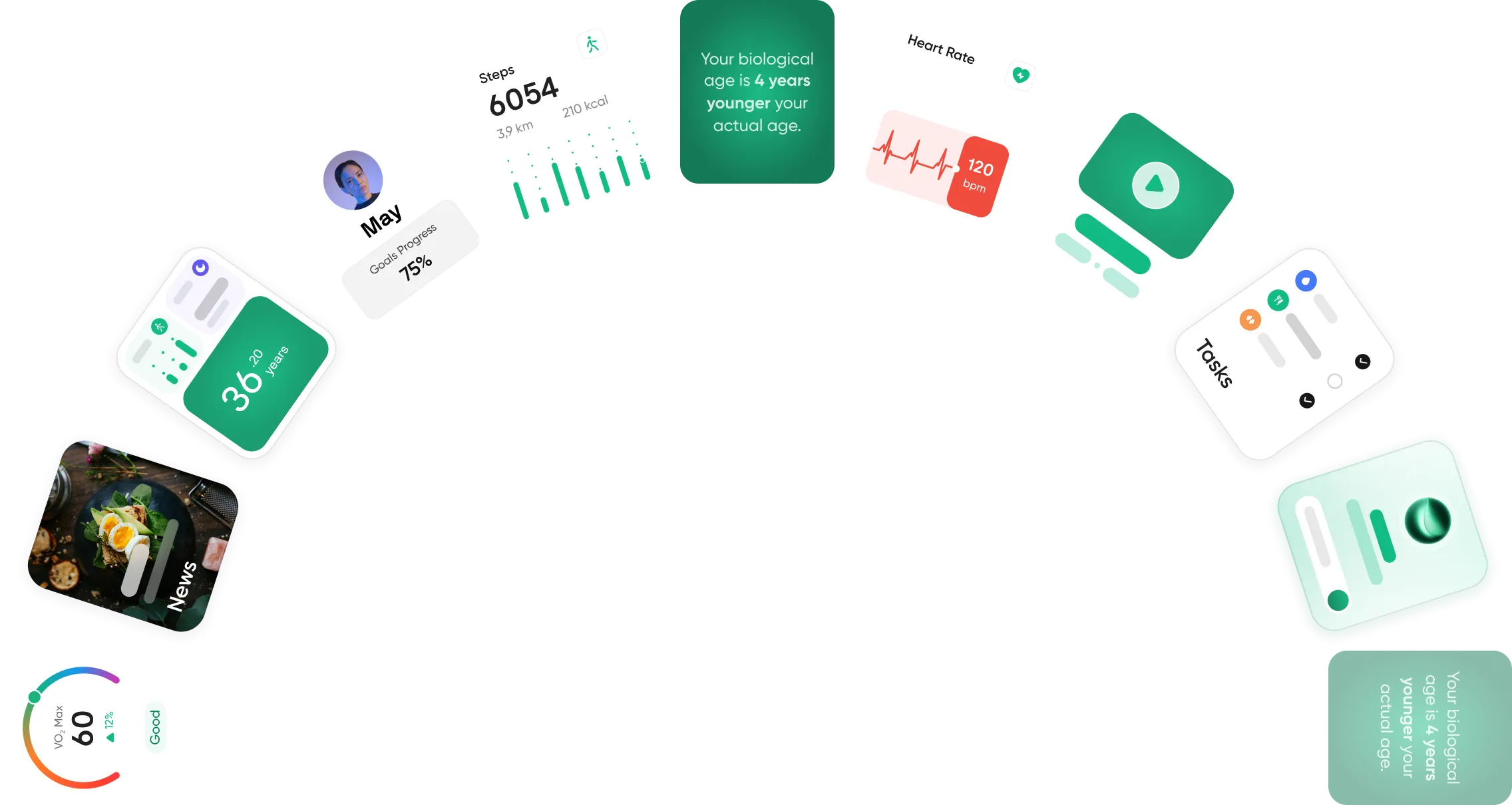
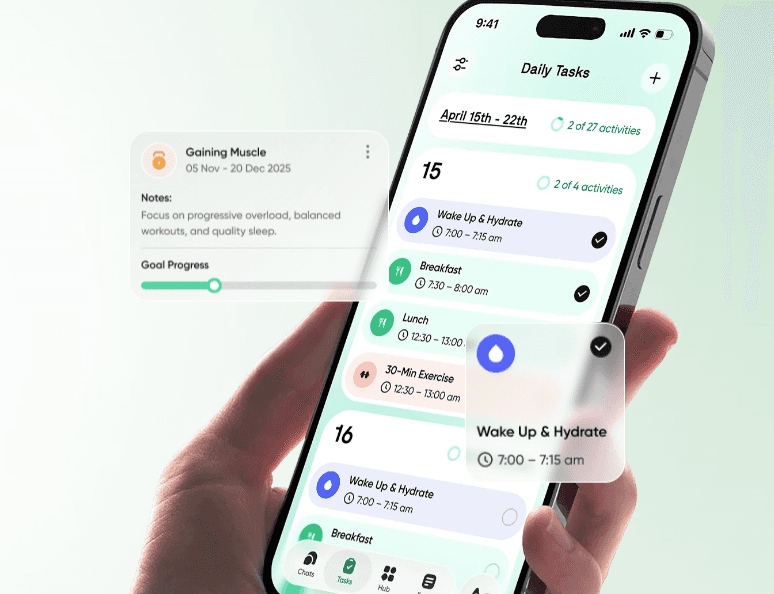
Neura is a holistic AI health assistant that acts as your personal wellness coach. It combines your wearable data, lifestyle habits, and health metrics to deliver personalized plans, daily micro-tasks, mini-podcasts, and actionable insights to improve sleep, fitness, recovery, and longevity.

How does Neura work?

1. Answer a quick onboarding quiz (1–2 min). 2. Set your goals (e.g., better sleep, running a 5K). 3. Connect your wearables or apps for real-time health data. 4. Receive a daily, AI-personalized plan and mini-podcasts. 5. Track progress on your dashboard while Neura optimizes automatically.

Do I need a wearable or fitness tracker to use Neura?

No. You can start with just your phone and basic input. Wearables like Apple Watch, Garmin, Oura, or Fitbit unlock deeper, real-time insights and premium metrics, but they are optional.

Is my data safe and private?

Absolutely. Neura uses end-to-end encryption, is GDPR/HIPAA compliant, and gives you full control over data exports and deletion. Only anonymized data is processed for AI improvements.

What kind of results can I expect with Neura?

Most users report noticeable improvements in sleep quality, daily energy, and habit consistency within 2–3 weeks. Real-time insights help you save hours each week by replacing endless self-tracking and guesswork with an AI-driven health plan.

What devices and apps can Neura connect to?

Neura integrates with 90+ apps and devices like Apple Health, Google Fit, Garmin, Oura, Fitbit, Polar, Suunto, Peloton, Zwift, Withings, Eight Sleep, and more. You can also upload lab results for advanced analysis.

What’s included in the free plan?

The free Neura Plan comes with all the basic features you need to kickstart your holistic health and fitness journey. Those include our core AI chat (single-chat memory), a standard health plan with one active goal, up to 5 customizable Health Hub widgets, and daily auto-sync with limited integrations. Upgrade to Neura iQ for unlimited AI chat with persistent multi-session memory, multiple simultaneous Health Plans, and real-time data sync from 100+ integrations with 360° Health Sync, alongside all other premium features.

How is Neura different from other health apps or trackers?

Neura isn’t just a tracker – it’s a smart health operating system. It pulls together your data, analyzes it in real time, and gives you proactive, science-backed recommendations tailored to your lifestyle, without the hassle of manual research or multiple apps.

Can I cancel or get a refund if I’m not satisfied?

Yes. Neura Free is free forever, and Neura iQ comes with a 7-day free trial. After upgrading, you can cancel anytime. If you’re not satisfied within 30 days, we offer a full refund—no questions asked.

How do I get started with Neura?

Simply sign up with your email to claim free early access. You can start in less than 2 minutes, connect your wearables later, and immediately receive your personalized plan and first mini-podcast.

Ready to Transform
Your Health with Neura?

Don't wait, we have limited spots for the beta sign up

Got Questions? We've Got Answers

What exactly is Neura app?

Neura is a holistic AI health assistant that acts as your personal wellness coach. It combines your wearable data, lifestyle habits, and health metrics to deliver personalized plans, daily micro-tasks, mini-podcasts, and actionable insights to improve sleep, fitness, recovery, and longevity.

How does Neura work?

1. Answer a quick onboarding quiz (1–2 min). 2. Set your goals (e.g., better sleep, running a 5K). 3. Connect your wearables or apps for real-time health data. 4. Receive a daily, AI-personalized plan and mini-podcasts. 5. Track progress on your dashboard while Neura optimizes automatically.

Do I need a wearable or fitness tracker to use Neura?

No. You can start with just your phone and basic input. Wearables like Apple Watch, Garmin, Oura, or Fitbit unlock deeper, real-time insights and premium metrics, but they are optional.

Is my data safe and private?

Absolutely. Neura uses end-to-end encryption, is GDPR/HIPAA compliant, and gives you full control over data exports and deletion. Only anonymized data is processed for AI improvements.

What kind of results can I expect with Neura?

Most users report noticeable improvements in sleep quality, daily energy, and habit consistency within 2–3 weeks. Real-time insights help you save hours each week by replacing endless self-tracking and guesswork with an AI-driven health plan.

What devices and apps can Neura connect to?

Neura integrates with 90+ apps and devices like Apple Health, Google Fit, Garmin, Oura, Fitbit, Polar, Suunto, Peloton, Zwift, Withings, Eight Sleep, and more. You can also upload lab results for advanced analysis.

What’s included in the free plan?

The free Neura Plan comes with all the basic features you need to kickstart your holistic health and fitness journey. Those include our core AI chat (single-chat memory), a standard health plan with one active goal, up to 5 customizable Health Hub widgets, and daily auto-sync with limited integrations. Upgrade to Neura iQ for unlimited AI chat with persistent multi-session memory, multiple simultaneous Health Plans, and real-time data sync from 100+ integrations with 360° Health Sync, alongside all other premium features.

How is Neura different from other health apps or trackers?

Neura isn’t just a tracker – it’s a smart health operating system. It pulls together your data, analyzes it in real time, and gives you proactive, science-backed recommendations tailored to your lifestyle, without the hassle of manual research or multiple apps.

Can I cancel or get a refund if I’m not satisfied?

Yes. Neura Free is free forever, and Neura iQ comes with a 7-day free trial. After upgrading, you can cancel anytime. If you’re not satisfied within 30 days, we offer a full refund—no questions asked.

How do I get started with Neura?

Simply sign up with your email to claim free early access. You can start in less than 2 minutes, connect your wearables later, and immediately receive your personalized plan and first mini-podcast.

Ready to Transform
Your Health with Neura?

Don't wait, we have limited spots for the beta sign up

Got Questions? We've Got Answers

What exactly is Neura app?

Neura is a holistic AI health assistant that acts as your personal wellness coach. It combines your wearable data, lifestyle habits, and health metrics to deliver personalized plans, daily micro-tasks, mini-podcasts, and actionable insights to improve sleep, fitness, recovery, and longevity.

How does Neura work?

1. Answer a quick onboarding quiz (1–2 min). 2. Set your goals (e.g., better sleep, running a 5K). 3. Connect your wearables or apps for real-time health data. 4. Receive a daily, AI-personalized plan and mini-podcasts. 5. Track progress on your dashboard while Neura optimizes automatically.

Do I need a wearable or fitness tracker to use Neura?

No. You can start with just your phone and basic input. Wearables like Apple Watch, Garmin, Oura, or Fitbit unlock deeper, real-time insights and premium metrics, but they are optional.

Is my data safe and private?

Absolutely. Neura uses end-to-end encryption, is GDPR/HIPAA compliant, and gives you full control over data exports and deletion. Only anonymized data is processed for AI improvements.

What kind of results can I expect with Neura?

Most users report noticeable improvements in sleep quality, daily energy, and habit consistency within 2–3 weeks. Real-time insights help you save hours each week by replacing endless self-tracking and guesswork with an AI-driven health plan.

What devices and apps can Neura connect to?

Neura integrates with 90+ apps and devices like Apple Health, Google Fit, Garmin, Oura, Fitbit, Polar, Suunto, Peloton, Zwift, Withings, Eight Sleep, and more. You can also upload lab results for advanced analysis.

What’s included in the free plan?

The free Neura Plan comes with all the basic features you need to kickstart your holistic health and fitness journey. Those include our core AI chat (single-chat memory), a standard health plan with one active goal, up to 5 customizable Health Hub widgets, and daily auto-sync with limited integrations. Upgrade to Neura iQ for unlimited AI chat with persistent multi-session memory, multiple simultaneous Health Plans, and real-time data sync from 100+ integrations with 360° Health Sync, alongside all other premium features.

How is Neura different from other health apps or trackers?

Neura isn’t just a tracker – it’s a smart health operating system. It pulls together your data, analyzes it in real time, and gives you proactive, science-backed recommendations tailored to your lifestyle, without the hassle of manual research or multiple apps.

Can I cancel or get a refund if I’m not satisfied?

Yes. Neura Free is free forever, and Neura iQ comes with a 7-day free trial. After upgrading, you can cancel anytime. If you’re not satisfied within 30 days, we offer a full refund—no questions asked.

How do I get started with Neura?

Simply sign up with your email to claim free early access. You can start in less than 2 minutes, connect your wearables later, and immediately receive your personalized plan and first mini-podcast.

Ready to Transform
Your Health with Neura?

Don't wait, we have limited spots for the beta sign up

Got Questions? We've Got Answers

What exactly is Neura app?

Neura is a holistic AI health assistant that acts as your personal wellness coach. It combines your wearable data, lifestyle habits, and health metrics to deliver personalized plans, daily micro-tasks, mini-podcasts, and actionable insights to improve sleep, fitness, recovery, and longevity.

How does Neura work?

1. Answer a quick onboarding quiz (1–2 min). 2. Set your goals (e.g., better sleep, running a 5K). 3. Connect your wearables or apps for real-time health data. 4. Receive a daily, AI-personalized plan and mini-podcasts. 5. Track progress on your dashboard while Neura optimizes automatically.

Do I need a wearable or fitness tracker to use Neura?

No. You can start with just your phone and basic input. Wearables like Apple Watch, Garmin, Oura, or Fitbit unlock deeper, real-time insights and premium metrics, but they are optional.

Is my data safe and private?

Absolutely. Neura uses end-to-end encryption, is GDPR/HIPAA compliant, and gives you full control over data exports and deletion. Only anonymized data is processed for AI improvements.

What kind of results can I expect with Neura?

Most users report noticeable improvements in sleep quality, daily energy, and habit consistency within 2–3 weeks. Real-time insights help you save hours each week by replacing endless self-tracking and guesswork with an AI-driven health plan.

What devices and apps can Neura connect to?

Neura integrates with 90+ apps and devices like Apple Health, Google Fit, Garmin, Oura, Fitbit, Polar, Suunto, Peloton, Zwift, Withings, Eight Sleep, and more. You can also upload lab results for advanced analysis.

What’s included in the free plan?

The free Neura Plan comes with all the basic features you need to kickstart your holistic health and fitness journey. Those include our core AI chat (single-chat memory), a standard health plan with one active goal, up to 5 customizable Health Hub widgets, and daily auto-sync with limited integrations. Upgrade to Neura iQ for unlimited AI chat with persistent multi-session memory, multiple simultaneous Health Plans, and real-time data sync from 100+ integrations with 360° Health Sync, alongside all other premium features.

How is Neura different from other health apps or trackers?

Neura isn’t just a tracker – it’s a smart health operating system. It pulls together your data, analyzes it in real time, and gives you proactive, science-backed recommendations tailored to your lifestyle, without the hassle of manual research or multiple apps.

Can I cancel or get a refund if I’m not satisfied?

Yes. Neura Free is free forever, and Neura iQ comes with a 7-day free trial. After upgrading, you can cancel anytime. If you’re not satisfied within 30 days, we offer a full refund—no questions asked.

How do I get started with Neura?

Simply sign up with your email to claim free early access. You can start in less than 2 minutes, connect your wearables later, and immediately receive your personalized plan and first mini-podcast.

Ready to Transform
Your Health with Neura?

Don't wait, we have limited spots for the beta sign up