Tracker Fatigue: Why Most Fitness Trackers are Useless on Their Own
News

Key Findings
Fitness trackers can help improve awareness, movement, and consistency, but they are limited when used on their own. The main issue is not the data itself, but the lack of context: most trackers show steps, sleep, heart rate, recovery, or calories without clearly explaining what to do next. This can lead to tracker fatigue, data overload, fixation on arbitrary goals, and anxiety around scores. Platforms like Neura help solve this by connecting tracker data with sleep, stress, nutrition, recovery, habits, and personal goals, turning raw metrics into clearer, more useful guidance.
Fitness trackers can be incredibly useful. They show you how much you move, how hard you train, how well you sleep, and how your body responds over time. For many people, that data provides valuable insight into what is going on in their daily routines.
But there is a reason more and more users are asking why ever-greater tracking is not necessarily translating into better fitness results. The problem is not the data itself. The problem is what happens after the data appears on your wrist.
Most fitness trackers are excellent at telling you what happened. You slept badly. Your steps were low. Your HRV dropped. Your recovery score is poor. Your resting heart rate is higher than usual. But they often stop short of explaining why it happened, how the different signals connect, and what you should actually do next.
That gap creates tracker fatigue: a relatively new term that is currently making the rounds on social media. Instead of feeling empowered, users end up overwhelmed by detached numbers, arbitrary scores, or frustrated by advice that does not fit their real life.
This article explores the limits of fitness trackers, the risks of over-tracking, and how the latest generation of fitness apps is helping turn raw data into more useful, personalized guidance.
What Is a Fitness Tracker?

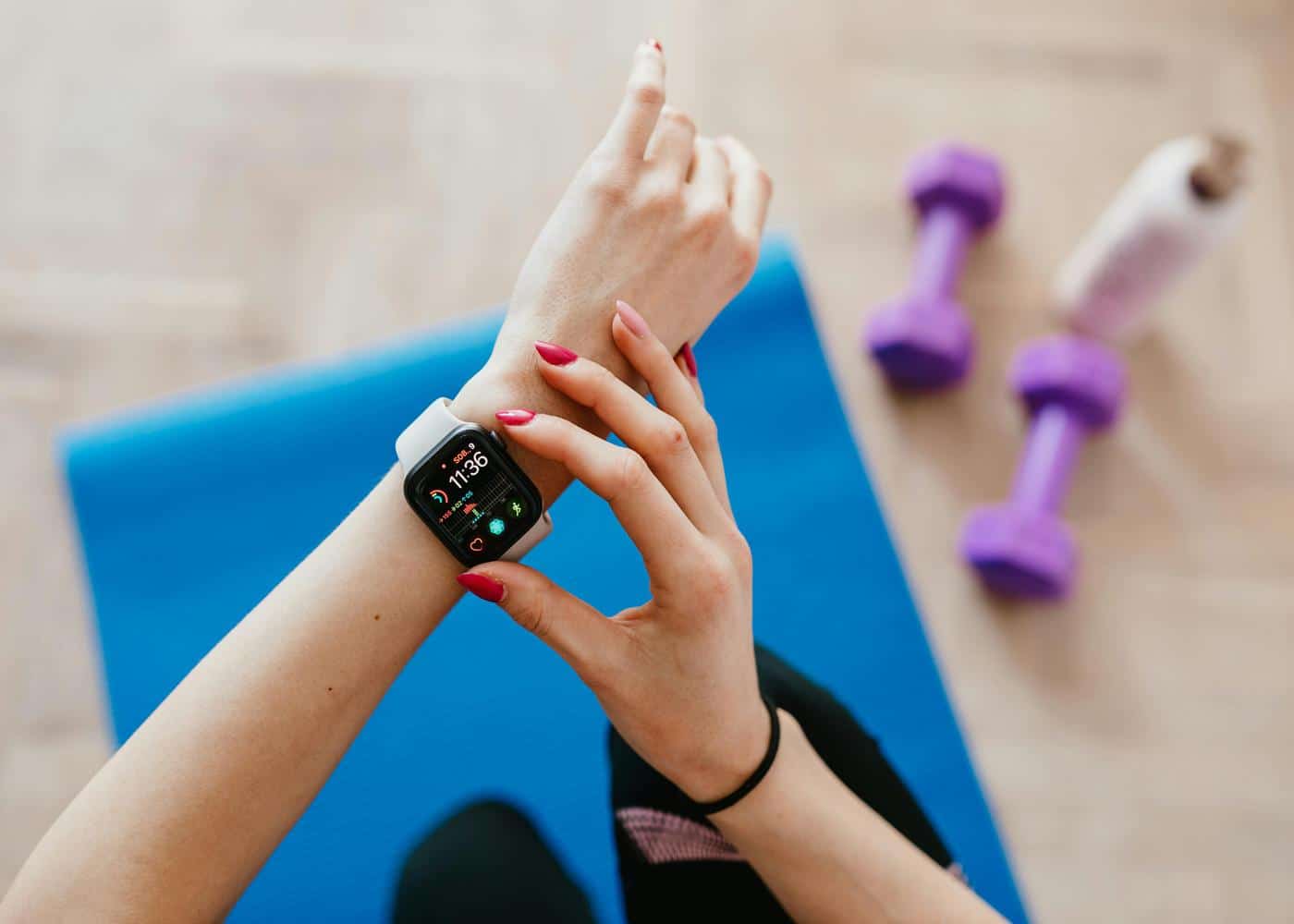
A fitness tracker is a wearable device or app that monitors health, activity, and performance data throughout the day. This can include smartwatches, fitness bands, smart rings, chest straps, sleep trackers, and connected health apps.
The main purpose is to help you understand your movement, workouts, sleep, recovery, and overall activity patterns. Some trackers are simple step counters, while others offer advanced metrics like HRV, training load, sleep stages, blood oxygen, stress, and readiness scores.
What Kind of Metrics Do Fitness Trackers Monitor?
Most modern fitness trackers can monitor a wide range of health and fitness signals, including:
Steps and daily movement: Tracks how active you are throughout the day, including steps, active minutes, distance, and general movement patterns.
Heart rate and HRV: Measures how your cardiovascular system responds during rest, exercise, and recovery, with HRV often used as a signal for stress and nervous system balance.
Workout activity and intensity: Logs exercise duration, calories burned, pace, zones, training load, and workout intensity.
Sleep patterns: Tracks sleep duration, estimated sleep stages, wake-ups, restlessness, and overall sleep quality.
Recovery and readiness: Combines signals like sleep, HRV, resting heart rate, and recent activity to estimate whether your body is ready for harder training.
Stress and wellness trends: Some trackers monitor stress, respiratory rate, blood oxygen, skin temperature, weight, or body composition, depending on the device.
These metrics can be helpful, but the real challenge is interpretation. A low HRV score or poor sleep score does not automatically tell you what to change. That is where most fitness trackers fall short.


The Hidden Pitfalls of Using Fitness Trackers

Fitness trackers are not automatically bad. In fact, a 2022 umbrella review in The Lancet Digital Health found that wearable activity trackers can improve physical activity and related health outcomes in many users.
The issue is that the benefits of using fitness trackers depend heavily on how the data is interpreted and acted on. When trackers simply show numbers without context, they can create confusion, pressure, or anxiety instead of meaningful behavior change.
Fixation on Arbitrary Numbers
One of the most common problems with fitness trackers is that users can become attached to fixed targets, even when those targets are not personalized. A daily step goal, calorie burn target, sleep score, or ring streak can start to feel like a pass-or-fail judgment, rather than one signal among many.
This is not just a theoretical concern. A 2016 paper in the Journal of Consumer Research found that personal quantification can increase how much people do an activity, but it can also reduce how much they enjoy it. In other words, tracking can turn movement into a task to complete, rather than something that feels rewarding in itself.
Lack of Clear Guidance
Fitness trackers are good at telling you what happened. They are less reliable at telling you what to do next. A device might show that your recovery is low, your HRV dropped, or your sleep score was poor, but it may not explain whether the cause was stress, alcohol, under-fueling, illness, late caffeine, a hard workout, or poor sleep timing.
This matters because data alone does not always lead to better outcomes. In the IDEA randomized clinical trial published in JAMA, 470 young adults took part in a behavioral weight-loss intervention. The group using wearable technology lost less weight over 24 months than the group using the standard intervention without the wearable. The researchers concluded that wearable devices may not offer an advantage over standard behavioral approaches for weight loss.
That does not mean wearables are useless. It means that tracking data is not the same as coaching, interpretation, or behavior change. This is where the question of why an increasing number of users are viewing fitness trackers as useless: they can collect useful information, but many still need help turning that information into action.
Minimal Real-World Adaptability
Another limitation is that most trackers do not fully adapt to the complexity of real life. They may encourage you to hit the same goals after a poor night of sleep, a stressful workday, travel, illness, or a heavy training block.
A wearable might tell you that your activity is low, but it may not understand that you are recovering from a hard workout. It might show a poor sleep score, but it may not connect that with late meals, caffeine, stress, or training load. Even when trackers measure activity accurately enough to be useful, the interpretation often remains too narrow.
That gap is why tracker fatigue happens. Users collect more metrics but still have to manually decide what matters, what to ignore, and how to adjust their routine. The more advanced the device, the bigger this problem can become, because users are given more numbers without necessarily getting clearer guidance.
Motivation Can Become Pressure
Fitness trackers often use goals, streaks, reminders, badges, and comparison features to keep users engaged. These can be motivating, especially in the short term. But they can also create pressure, guilt, or discouragement when users fall behind.
A 2024 review on the “dark side” of health and fitness tracking found that wearable activity trackers can have negative cognitive and emotional effects for some users, including obsessive focus on numbers, reduced self-efficacy after social comparison, and increased pressure around performance goals.
Research on fitness app use has also linked upward social comparison with lower self-esteem, body anxiety, and reduced motivation in some users. This is an important part of the negative psychological impact of fitness trackers: the data may be intended to motivate, but the experience can become discouraging if users constantly compare themselves to idealized targets or other people.
Data Can Increase Anxiety or Obsessive Tracking
For some people, constant health data can increase anxiety rather than reduce it. Sleep tracking is one of the clearest examples. A 2017 paper in the Journal of Clinical Sleep Medicine described “orthosomnia,” where patients became overly focused on achieving perfect sleep tracker scores, sometimes worsening sleep-related anxiety and perfectionism.
This concern is not limited to sleep. Another study found that among patients with atrial fibrillation, wearable users reported higher rates of symptom monitoring, preoccupation, treatment concerns, AF-specific healthcare use, and informal healthcare use compared with nonusers.
There is also evidence that diet and fitness app use can be associated with disordered eating, body image concerns, and compulsive exercise, although researchers note that much of this evidence is cross-sectional and cannot automatically prove causation.
The takeaway is not that everyone should stop using fitness trackers. It is that trackers need context. For many users, the healthiest approach is to treat wearable data as a useful signal, not a final judgment. Fitness trackers become far more valuable when they are paired with interpretation, personalization, and practical guidance.
How Is the Industry Responding to Tracker Fatigue?
The fitness technology industry is starting to shift from passive tracking toward interpretation, coaching, and AI-powered guidance.
Early trackers were built around simple numbers: steps, calories, distance, and heart rate. Newer platforms are moving toward readiness scores, recovery guidance, sleep coaching, stress insights, and adaptive recommendations. The goal is no longer just to collect data. It is to help users understand what to do with it.
This is where AI becomes important. AI can help connect patterns across different parts of your health, such as sleep, training load, HRV, nutrition, stress, hydration, and daily habits. Instead of showing each metric in isolation, AI-powered platforms can help explain why your body may be responding a certain way.
The best future health tools will not simply ask users to track more. They will help users track less manually, interpret more clearly, and take action more confidently.
Make the Most of Your Health Data With Neura
Neura is designed to solve the core problem behind tracker fatigue: too much data, not enough meaning.
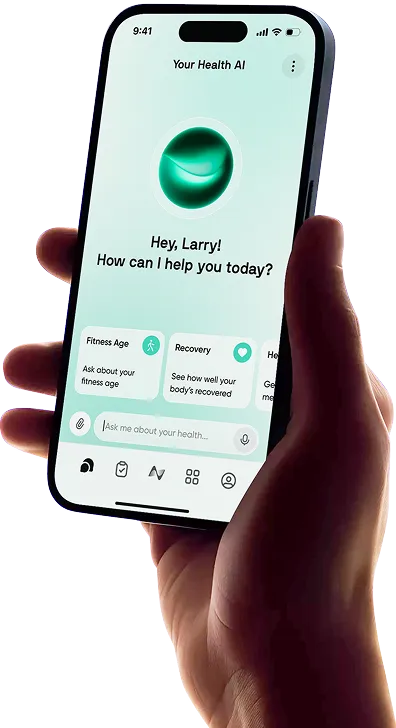
Instead of treating your fitness tracker as a standalone source of truth, Neura helps connect your wearable data with the rest of your health. That includes sleep, stress, recovery, nutrition, supplements, medications, activity, habits, and personal goals.
This wider context matters. A poor recovery score may not just be about one hard workout. It could be linked to poor sleep, under-fueling, high stress, dehydration, late caffeine, or changes in your routine. Neura helps bring those signals together so you can understand what may be driving the number.
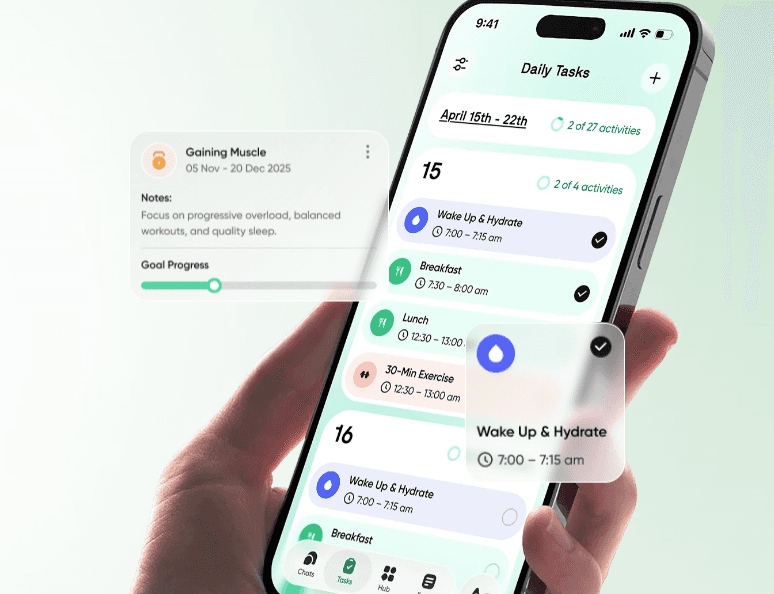
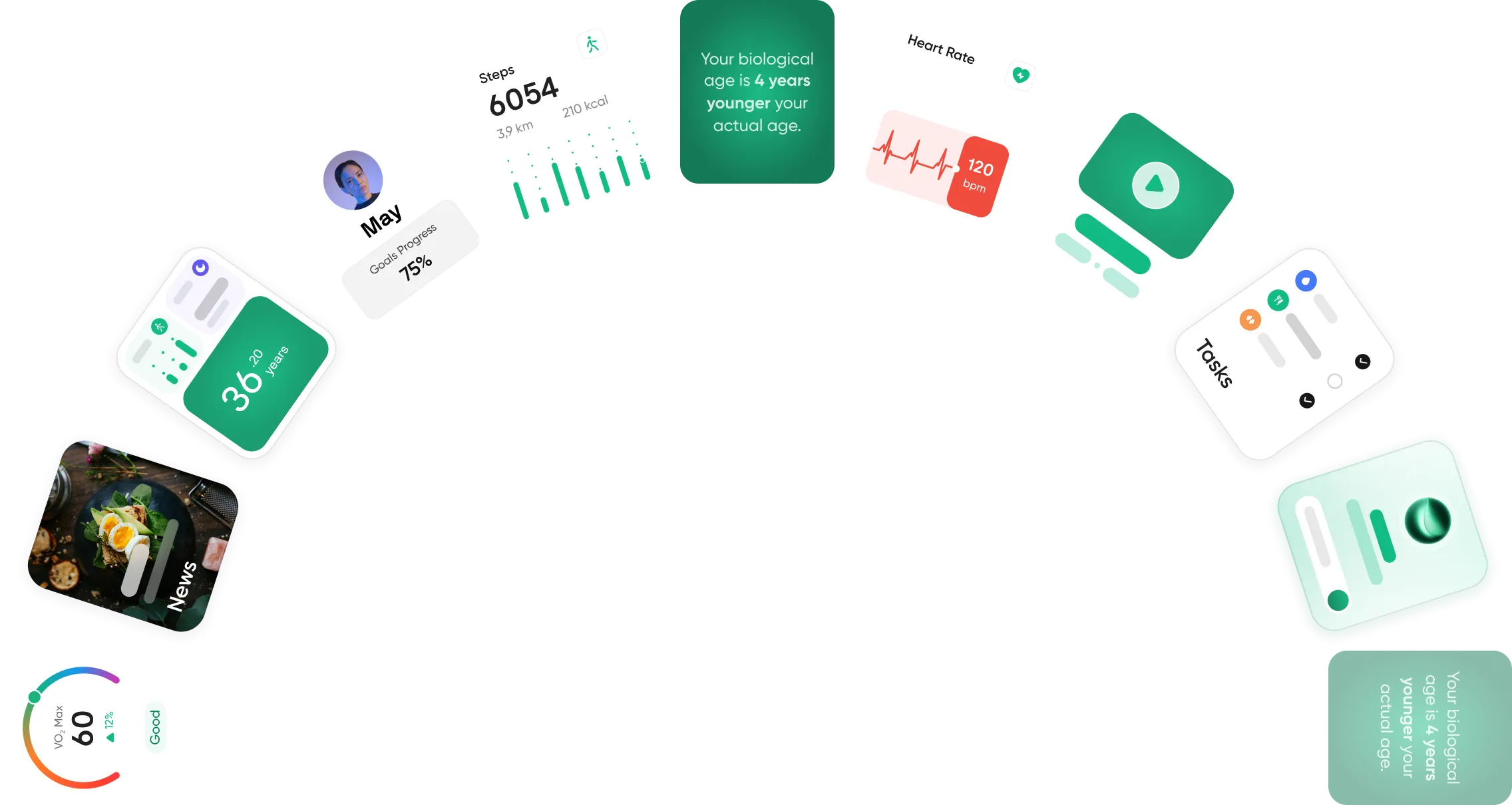
With Neura, your tracker data becomes part of a larger health system. You can build personalized plans, create custom dashboards, ask your AI health coach questions, and turn scattered metrics into clearer daily guidance.
The goal is not to replace your wearable. It is to make it more useful. Fitness trackers are good at collecting signals. Neura helps translate those signals into practical next steps.
Final Thoughts: Are Fitness Trackers Bad?
Fitness trackers are not bad by default. They can increase awareness, encourage movement, support training consistency, and help users spot important patterns in sleep, recovery, and activity.
The problem is relying on them alone.
A tracker can show you that something changed, but it may not explain why. It can motivate you to move, but it can also create pressure. It can provide useful signals, but it can also lead to fixation if every number starts to feel like a judgment.
So, are fitness trackers useless? Not if they are used well. But they are limited when they only collect data without helping you interpret it.
The future of fitness tracking is not more numbers. It is smarter context, better personalization, and clearer action. With a platform like Neura, your health data can become less overwhelming and more useful, helping you move beyond passive tracking and toward a more balanced, proactive approach to health.
Article FAQ
Why are fitness trackers so popular?
Fitness trackers are popular because they make health data easy to see in real time. They help users monitor steps, workouts, heart rate, sleep, calories, and recovery, which can make fitness feel more measurable and motivating.
Why use fitness trackers?
Fitness trackers can help you build awareness around your daily habits, activity levels, workouts, sleep, and recovery. The main benefit is that they give you feedback you can use to move more consistently, spot patterns, and make better decisions about your routine.
How accurate are fitness trackers?
Fitness trackers are usually more accurate for steps and heart rate than for calorie burn or energy expenditure. Accuracy depends on the device, sensor quality, how it is worn, the activity being tracked, and the metric being measured.
Are fitness trackers effective?
Fitness trackers can be effective for increasing awareness and encouraging more physical activity, especially when paired with realistic goals and behavior change. However, they work best when the data is interpreted properly, rather than treated as a perfect measure of health.
What are the disadvantages of fitness trackers?
The main disadvantages of fitness trackers are data overload, fixation on arbitrary goals, inaccurate calorie estimates, limited guidance, and potential anxiety around scores. They can be useful tools, but they are less helpful when used without context.
Can fitness trackers improve your health?
Fitness trackers can support better health by encouraging movement, consistency, sleep awareness, and workout tracking. However, they do not improve health on their own. The real value comes from using the data to make practical changes to your habits, recovery, training, and lifestyle.