What is Single Session Therapy and Why is it Becoming So Popular?
News

Key Findings
Single-session therapy tackles one specific problem in a single meeting. You get a practical action plan without signing up for months of appointments. It saves time, fits your budget, and pairs perfectly with daily health apps to keep you feeling good on your own terms.
You probably know how the usual therapy model works. You find a provider with an open slot, you book an hour a week, and you commit to a long process.
That setup has its place, and many people get good value out of regular visits. But we also know life does not always give you the space for a standing weekly appointment.
Between work, family, and trying to find time to rest, your schedule is full. Plus, you might not have a complex issue to unpack.
Sometimes you just have a specific problem at work or a conflict in a relationship, and you want to talk it through with an expert right now.
That is where single-session therapy comes into play. It is a practical alternative for people who want to cut to the chase. You get in, you map out a plan with a professional, and you move on with your week.
Let’s look at the mechanics of how a one-time meeting works, who tends to get the most value out of it, and why it is catching on.
What is Single Session (Micro) Therapy Treatment?

Single-session therapy is exactly what the name implies. You meet with a licensed therapist for one appointment. Both of you agree beforehand that you are only meeting this one time.
Because you both share that baseline expectation, the whole dynamic changes. You skip the long intake forms. You bypass the weeks spent building a personal history.
The provider knows you are there to solve a current problem, so they guide the conversation straight to the matter at hand.
Usually, you fill out a brief questionnaire before you log on for the meeting. You state your problem clearly. For example, maybe you are worried about an upcoming presentation at work, or you keep having the same argument with your partner about the budget.
The therapist reviews your notes before you sit down. When the clock starts, they are ready to dig into that specific topic.
They ask direct questions to help you view the situation from a fresh angle. They help you pinpoint the skills you already possess to fix it.
By the time the hour ends, you leave with a concrete plan. You get steps you can take that day to improve the situation.
You might also see people talk about micro therapy. Micro therapy operates on the exact same premise, but it happens in even shorter windows of time.
Instead of a full hour on a video call, microtherapy might consist of a fifteen-minute phone call. It can also look like exchanging text messages or voice notes with a professional over a couple of days.
Both options share the same core idea. They give you access to expert advice when you need it without tying you to a long-term schedule.
They trust that you can take a piece of advice and put it into action on your own. This setup puts you in the driver's seat of your own care.
Who is Single Session Therapy For?
This short format serves some groups better than others. If someone is dealing with ongoing mental health struggles, they need regular care from a consistent provider. But for situational stress and clear roadblocks, one meeting fits well.
Think about someone who just took on a new role at work. They earned the spot, but they are losing sleep over the new responsibilities.
They do not need months of therapy to unpack their career goals. They need one hour to talk to a professional, learn a few ways to manage their nerves, and figure out how to structure their first week.
Single-session therapy provides that focused support. It is about getting a quick tune-up to handle a specific hurdle.
It is also a good fit for people who have finished traditional therapy in the past. Let’s say you went to counseling for a year and learned how your own mind works. You know the basics of cognitive behavioral therapy or mindfulness.
A few years later, you hit a rough patch. You do not need to start from scratch because you already know the vocabulary. You book one meeting to get a refresher, talk through the current issue, and get your head clear.
It saves you from repeating information that a new therapist does not really need to know.
Couples use this option too. Two people might share a solid relationship but keep having the same argument about holiday travel or dividing household chores. They do not want to start six months of couples counseling to solve one recurring argument.
They can sit down for one meeting with a neutral professional to break the tie and agree on a plan moving forward. It takes the heat out of the discussion.
Finally, it serves as a practical choice for anyone hesitant about committing to therapy. Opening up to a stranger feels intimidating for plenty of people. Signing up for months of sessions is a big leap.
Booking just one appointment is a smaller step. You can test the waters. If you find the advice helpful, you have a new tool in your belt. If it does not fit your style, you have zero obligation to go back.


Why is Single Session Therapy Growing in Popularity?

A few clear factors explain why this quick version of therapy is gaining traction. Cost is a primary driver.
Paying for mental health care adds up fast. Paying out of pocket for a weekly visit takes a noticeable bite out of your income. Even with good insurance, copays accumulate over time.
Paying for just one meeting when you need advice is easier to justify. It makes professional advice possible for people who do not want to take on a weekly bill. You pay for what you use, and that makes sense for a lot of budgets.
Time is another major factor. People balance multiple responsibilities. Between working, taking care of a family, running errands, and trying to rest, adding a weekly appointment is a logistical challenge.
You drive to an office, sit in the waiting room, have the meeting, and drive home. It takes two or three hours out of your day.
A single session, often done on a video call, fits into your life with less friction. You can talk to a professional during your lunch break or while the kids are at school. You do not have to rearrange your entire calendar just to get some good advice.
Consumer habits also play a role. We are used to getting information on demand. If we have a question, we look it up and get an answer fast.
If you face a stressful problem, you do not want to wait three weeks to uncover the solution. You want to talk to an expert and get advice today.
The healthcare field is adapting to this desire for practical, timely solutions. People want efficiency in all areas of life, and mental health is no exception.
We are also seeing a shift in how people view mental health support. Going to therapy used to be something people kept quiet about. Today, it feels more like consulting a professional for any other part of your life.
If your car breaks down, you pay a mechanic. If you are confused by a complicated tax form, you ask an accountant to help you sort it out.
People view mental health the same way. You check in with a professional to get tips on how to handle a tough week.
Viewing it as a simple consultation takes the pressure off the entire experience. It normalizes asking for help when you need a clear direction.
Five Apps to Improve Your Mental and Physical Health

Meeting with a professional for one hour gives you a good start, but you still have to manage your well-being the rest of the week. This is where your phone and wearable devices become useful tools.
Developers build apps to help you form good habits, track your sleep, and keep your mind clear. Using these everyday tools makes it easier to handle stress when it surfaces.
Building a simple routine with your phone takes only a few minutes a day. Here are five apps to check out for your daily routine.
Neura
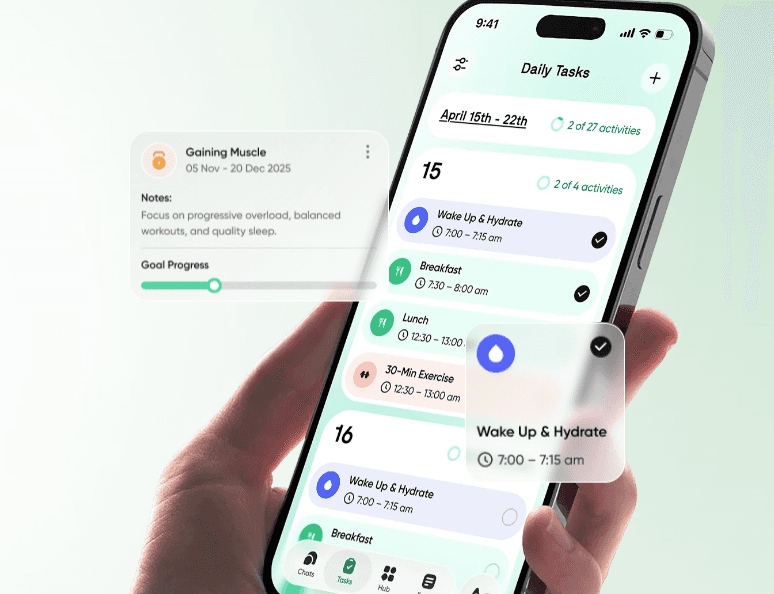
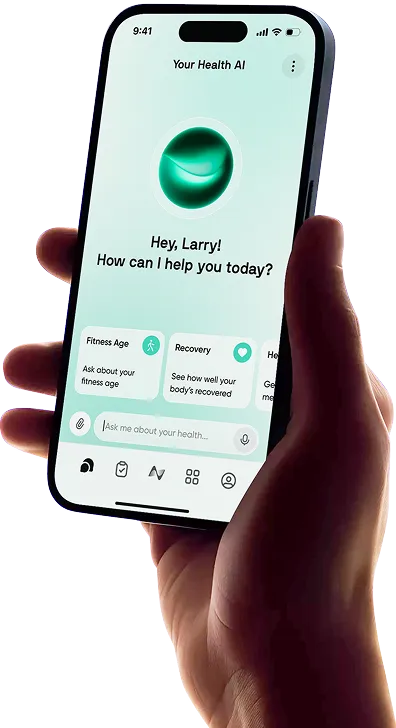
Neura is a health operating system that helps you connect your daily actions to your physical and mental health. It uses data to find connections in your wellness tracking that you might miss on your own.
If you use a smart ring or another wearable device, Neura pulls that data to give you a clear picture of your health. It prompts you to log your daily habits, your mood, and your energy levels.
As the system gathers data, it shows trends in your behavior. For instance, the app might show you that poor sleep quality directly impacts your focus at work the next day. It might show that taking a brief walk improves your mood for the next couple of days.
Once you see these concrete trends, you can make small changes to your daily routine.
If you decide to book a single therapy session, having this tracked data from Neura is helpful. You can share your mood and sleep charts with the therapist so they have a clear, data-driven picture of your recent baseline.
Headspace
If your mind feels cluttered, Headspace is a solid app to explore. It teaches you how to quiet your thoughts through short exercises. You do not need any prior experience with meditation to use it.
They offer guided audio tracks that take just a few minutes. You can listen to them while you ride the bus or sit in your parked car before walking into the office.
The app guides you to take deep breaths and observe your thoughts without getting caught up in them. It also features focus music playlists designed to help you concentrate while working or studying.
Doing this for five to ten minutes a day makes a difference in how you react to unexpected problems.
It gives you a tool to hit the pause button when your day gets chaotic. Over time, these small pauses build resilience against daily stress. You learn to respond to problems instead of just reacting to them.
Calm
Sleep is a core piece of the puzzle for feeling good. If you are tired, small annoyances feel like major obstacles. Calm is an app focused on helping people get better rest.
They provide ambient sounds like rain and forests to block out street noise. Their main feature is sleep stories. They have narrators read relaxing stories meant to help you drift to sleep.
Instead of lying in the dark thinking about your daily tasks, you listen to a story about a train ride through the snow or a walk through a quiet town. Better sleep means you wake up with the energy you need to handle your tasks.
They also offer daytime breathing exercises, but their focus on bedtime routines is where the app shines for most users. When you fix your sleep schedule, everything else feels a little bit easier to manage.
BetterHelp
BetterHelp is a platform that connects you with therapists over the internet. While many people use it for regular weekly sessions, the structure makes it flexible for shorter interventions.
You do not have to commute to an office. You can do a video call from your living room. You can talk on the phone while you walk around your neighborhood.
The platform also lets you message your therapist if you are busy and cannot sit down for a live call. This setup fits well with the idea of getting help that works with your actual schedule.
It removes the geographical barriers of finding a local provider, ensuring that anyone with an internet connection can find a professional to talk to.
They match you with a provider based on a questionnaire, taking the guesswork out of the search.
MyFitnessPal
Physical health and mental health are closely linked. What you eat provides the fuel your body uses to manage stress. MyFitnessPal is an app that makes it easy to track what you eat and how much you move.
Sometimes a low mood stems from physical causes. You might feel down because you ate a heavy meal, or you forgot to drink water all day.
By keeping a log of your food and your activity, you make sure your body gets what it needs to keep your mind steady. It is a straightforward way to monitor the physical side of the wellness equation.
It also syncs with most phone step counters automatically. Knowing what goes into your body helps you understand the energy you have throughout the day.
Final Thoughts: Single-Session Therapy
Getting help for your mind does not require a large commitment of your time or your budget. Single-session therapy is a practical way to get the help you need when a problem pops up.
It is an effective format for talking through a sudden issue and leaving with a clear plan of action. You get to step away from the long-term model and embrace a quick, focused conversation that yields real results.
When you pair that focused professional advice with daily habits using apps on your phone, you build a strong foundation for your health. You get to decide what kind of support fits your life best right now.
Taking care of your mental health is about finding the right tools that work for your current situation and putting them to use. Whether you need a fifteen-minute phone call, a full hour on video, or just a sleep story at the end of the night, the choices are in your hands.
Article FAQ
What is single session therapy (SST)?
Single-session therapy is a mental health setup where you and a therapist meet for just one planned appointment. The goal is to tackle a specific, current problem rather than digging into your long personal history. During the meeting, you identify the main issue, talk through it, and leave with a clear, practical plan you can use right away. It focuses on immediate problem-solving and giving you tools to handle the situation on your own.
Does single-session therapy actually work?
Yes, it is highly effective for the right situations. Studies show that many people find the exact relief they need after just one focused conversation with a professional. It works best for clear, situational problems like work stress, a specific relationship conflict, or a sudden life change. It is not designed to replace ongoing psychiatric care for deep or chronic mental health conditions.
How long does a single session therapy appointment last?
A standard meeting usually lasts about fifty to sixty minutes, just like a traditional therapy hour. However, some providers offer shorter microtherapy options. These might include a brief fifteen-minute phone call or a focused text exchange over a couple of days. The exact length depends on the platform you choose and what you need to cover.
How much does one session cost?
The cost varies depending on the provider and the platform you use. Because you only pay for one meeting instead of a weekly recurring bill, it fits much more easily into a normal budget. Prices often range from fifty to a hundred and fifty dollars. Some online therapy apps or community clinics also offer sliding scale fees to keep the cost manageable.
How do I prepare for a single therapy session?
To get the most out of your time, figure out exactly what you want to discuss before the meeting starts. Write down the main problem you want to solve and what a good outcome looks like for you. Many providers ask you to fill out a short questionnaire beforehand. This lets them skip the basic questions and jump right into giving you actionable advice.
Can I book another session later if I need to?
Absolutely. The name simply means that each meeting is treated as a standalone event. You are not locked into a recurring weekly schedule. If a new problem pops up a few months later, or if you want to follow up on the progress you made, you can always book another individual appointment when it makes sense for your schedule.