
What is sleep apnea?
Sleep
Key Findings
Sleep apnea is a disorder where breathing repeatedly stops during sleep. It is caused by airway collapse, neurological miscommunication, or restricted airflow. Untreated apnea can lead to cardiovascular problems, poor daytime focus, high blood pressure, and reduced quality of life. Effective treatments exist, and many people experience major improvements once the condition is diagnosed.
Sleep Apnea: Explained
Sleep apnea is a sleep disorder in which breathing repeatedly stops and starts during the night. These pauses can last several seconds or longer, and they often happen many times per hour without the sleeper being aware of it.
Because breathing becomes temporarily interrupted, the brain must wake the body just enough to reopen the airway. This constant cycle can disrupt deep sleep, lower oxygen levels, and lead to chronic fatigue, morning headaches, mood changes, and long-term health risks.
Sleep apnea is much more common than many people realise. It affects people of all ages, including children, although it is more common in adults. While snoring is one of the most recognisable signs, not everyone who snores has sleep apnea.
Understanding what the condition is, how it develops, and why it matters can help people recognise symptoms and seek treatment sooner.
The Main Types of Sleep Apnea
Although the outcome is similar, sleep apnea can occur for different reasons. The three main types are obstructive sleep apnea, central sleep apnea, and complex sleep apnea.
Obstructive sleep apnea is the most common form. It occurs when the muscles of the throat relax too much during sleep, allowing the airway to narrow or collapse. This blockage prevents air from flowing freely even though the brain continues to send signals to breathe. People with this type often snore loudly or experience gasping or choking sensations during the night.
Central sleep apnea is less common. In this form, the brain temporarily fails to send the correct signals to the muscles responsible for breathing. As a result, breathing simply stops for a short period. Snoring is not always present, and people may wake feeling confused, short of breath, or unusually fatigued.
Complex sleep apnea is a combination of both obstructive and central forms. It is usually discovered when someone being treated for obstructive apnea continues to experience central breathing pauses.
What Causes Sleep Apnea
Sleep apnea can develop for several reasons. In obstructive cases, physical features such as a narrow airway, enlarged tonsils, or excess tissue in the throat may play a role. Being overweight increases the risk because extra tissue around the neck can press on the airway during sleep. Age also contributes, as the muscles of the throat naturally lose some tone over time.
Central sleep apnea has different causes. It may be linked to neurological conditions, heart problems, or the use of certain medications that affect breathing patterns. Sometimes it develops after a major illness or injury.
Lifestyle factors can also raise the risk of sleep apnea. Drinking alcohol before bed relaxes throat muscles more than usual. Sleeping on one's back can allow the airway to collapse more easily. Smoking can irritate airway tissues and increase inflammation.
Common Symptoms to Watch For
Many people do not know they have sleep apnea because they are asleep when the breathing interruptions happen.
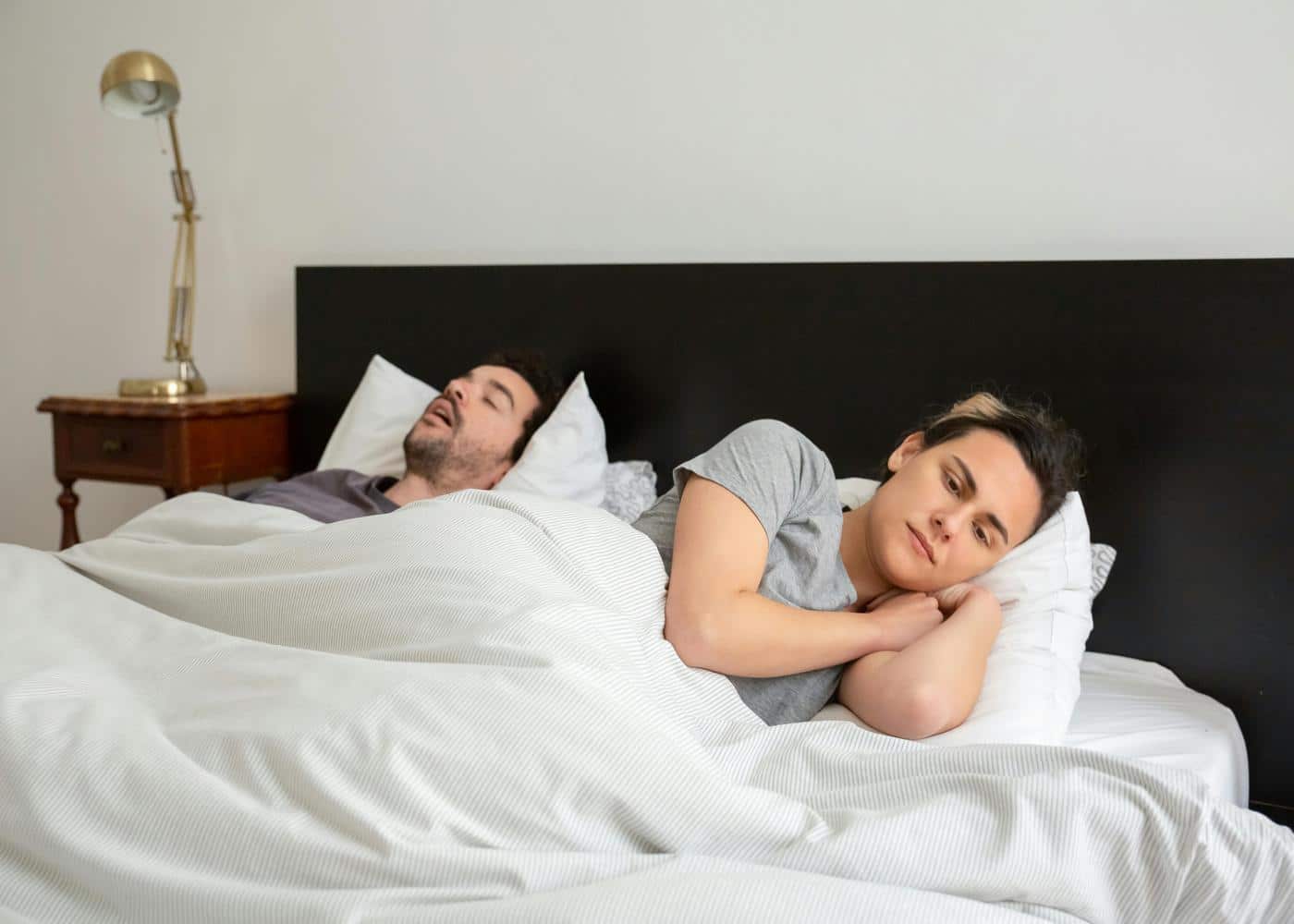
Often a partner notices loud snoring, gasping, or pauses in breathing. Other signs include morning headaches, waking with a dry mouth, difficulty staying asleep, irritability, and excessive daytime tiredness.
People with untreated apnea may struggle with concentration, memory, and mood regulation because they never reach the deep, restorative stages of sleep consistently.
How Sleep Apnea Is Diagnosed
Sleep apnea is diagnosed through a sleep study performed at home or in a sleep clinic. These studies measure breathing patterns, airflow, oxygen levels, heart rate, brain waves, and muscle activity. The results help determine the type of apnea and its severity. Diagnosis is an important step because it guides the most effective treatment plan.
Treatment Options
There are several treatments available, and the best option depends on the type and severity of apnea. Continuous positive airway pressure machines provide steady airflow that keeps the airway open throughout the night. These devices are highly effective and often the first recommendation for moderate to severe obstructive sleep apnea.
Other treatments include oral appliances that reposition the jaw, weight loss programs, positional therapy to reduce back sleeping, and, in some cases, surgery to remove or adjust airway structures. For central sleep apnea, addressing the underlying cause is essential, and specialised breathing devices may be prescribed when needed.
Lifestyle changes can also help, such as avoiding alcohol before bedtime, quitting smoking, maintaining a healthy weight, and being consistent with sleep habits.
Why Treating Sleep Apnea Matters
Untreated sleep apnea can lead to high blood pressure, cardiovascular disease, insulin resistance, and increased risk of accidents due to daytime fatigue. The constant stress of repeated awakenings places strain on both the heart and the brain. Treating sleep apnea not only improves sleep quality but can have a profound effect on overall health, mood, energy, and quality of life.
Final Thoughts: Sleep Apnea
Sleep apnea is a serious but treatable condition. Recognising the signs early and seeking proper evaluation can prevent long-term complications and restore healthy, restorative sleep. With the right approach, many people experience significant improvements in energy, mental clarity, and daily functioning.
Article FAQ
Can sleep apnea kill you?
Sleep apnea itself does not usually cause death directly, but it can contribute to serious health problems when left untreated. Repeated drops in oxygen, disrupted sleep, and chronic strain on the cardiovascular system can increase the risk of high blood pressure, heart disease, stroke, and dangerous daytime fatigue. Treating sleep apnea significantly reduces these risks and helps restore normal, healthy sleep patterns.
How is sleep apnea treated?
Treatment depends on the type and severity of the condition. Obstructive sleep apnea is commonly treated with a continuous positive airway pressure machine that keeps the airway open through steady airflow. Other options include oral appliances that reposition the jaw, weight loss, positional therapy to avoid sleeping on the back, and in some cases surgery. Central sleep apnea may require addressing underlying medical conditions or using specialised breathing devices. A sleep specialist can help determine the right approach.
Can sleep apnea be cured?
Sleep apnea cannot always be cured, but it can often be managed very effectively. Some people experience major improvement through weight loss, lifestyle changes, or surgery. Others rely on long-term treatment such as CPAP or oral appliances to maintain open airways during sleep. The key is identifying the underlying cause and following a plan that keeps breathing stable throughout the night.
What causes sleep apnea?
Sleep apnea develops for several reasons. Physical factors such as a narrow airway, enlarged tonsils, obesity, or loss of muscle tone in the throat can cause obstructive sleep apnea. Central sleep apnea results from the brain not sending proper signals to the breathing muscles. Other contributors include age, alcohol use before bed, smoking, chronic congestion, and certain medications. A sleep evaluation helps determine which factors are most relevant for each person.
Is sleep apnea hereditary?
Genetics can play a role. People with a family history of sleep apnea may have a higher likelihood of developing it, especially if they inherit certain anatomical traits such as a smaller airway, large tonsils, or specific jaw structures. Lifestyle and health factors still influence risk, so heredity does not guarantee the condition will occur.
Can sleep apnea go away with weight loss?
Weight loss can significantly improve or even resolve sleep apnea for people whose condition is linked to excess tissue around the throat. Losing weight can reduce airway pressure and increase airflow during sleep. However, weight loss does not help everyone, particularly those with central sleep apnea or structural airway issues. It is best considered a useful part of a broader treatment plan.