
Your Oura Ring Metrics Explained and How to Improve
Sleep

Key Findings
Oura Ring tracks sleep, recovery, activity, heart rate, HRV, temperature, stress, and other health metrics to help you understand how your body responds to daily habits. The most important scores to watch are Sleep Score, Readiness Score, and Activity Score, but the real value comes from tracking trends over time rather than reacting to one-off numbers. Oura helps show what is happening in your body, while tools like Neura Health can turn that data into practical daily guidance for better sleep, recovery, and long-term health.
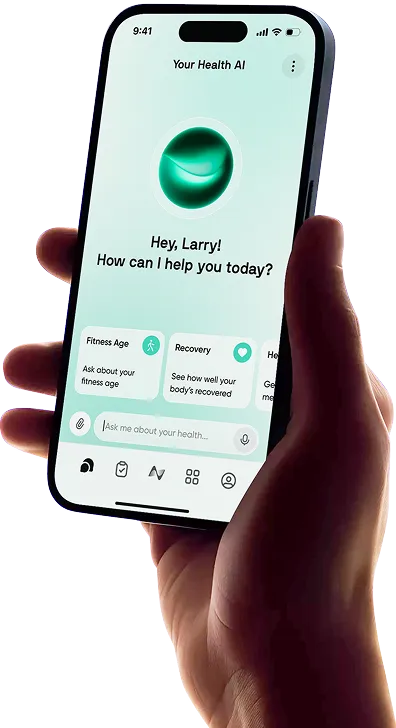
The Oura Ring is so popular because it turns invisible signals, like sleep quality, resting heart rate, heart rate variability, body temperature, stress, and activity, into simple daily scores.
That is useful, but it can also be confusing. You may wake up with a Sleep Score of 82, a Readiness Score of 68, and a higher-than-usual resting heart rate, then wonder what you are supposed to do with all of it.
This guide breaks down the most important Oura metrics, explains what they mean, and shows how to use them to improve your sleep and recovery.
You will also find an Oura Ring sleep score explanation, a practical look at Oura Ring health metrics accuracy, and a clear breakdown of Oura Ring features.
What Metrics Does Oura Ring Track?
Oura tracks a wide range of sleep, recovery, activity, and health signals. Here are the key Oura metrics to know:
Sleep Score: A 0 to 100 score that summarizes your overall sleep quality, including duration, efficiency, timing, and sleep stages.
Readiness Score: A daily recovery score that shows how prepared your body is for the day based on sleep, HRV, resting heart rate, temperature, and recent activity.
Activity Score: A measure of how well you balance movement, workouts, inactivity, and recovery.
Resting Heart Rate: Your heart rate while at rest during sleep. A higher-than-usual number can suggest stress, illness, alcohol, late meals, or poor recovery.
Heart Rate Variability: A recovery metric that reflects how well your nervous system is adapting to stress. It is best compared against your own baseline.
Body Temperature: Tracks changes from your normal temperature range, which can help highlight illness, recovery strain, or cycle-related patterns.
Sleep Stages: Estimates time spent in light, deep, and REM sleep, plus awake time.
Blood Oxygen and Breathing Regularity: Measures overnight oxygen levels and breathing patterns to help flag possible disruptions.
Stress and Resilience: Shows how your body responds to daily strain and how well you recover over time.
Chronotype and Body Clock: Helps identify your natural sleep rhythm and when your body is most likely to feel ready for rest or activity.
Together, these Oura metrics give you a clearer view of how your habits affect sleep, recovery, and overall wellbeing.


How to Read Oura Ring Data: Your Metrics Explained
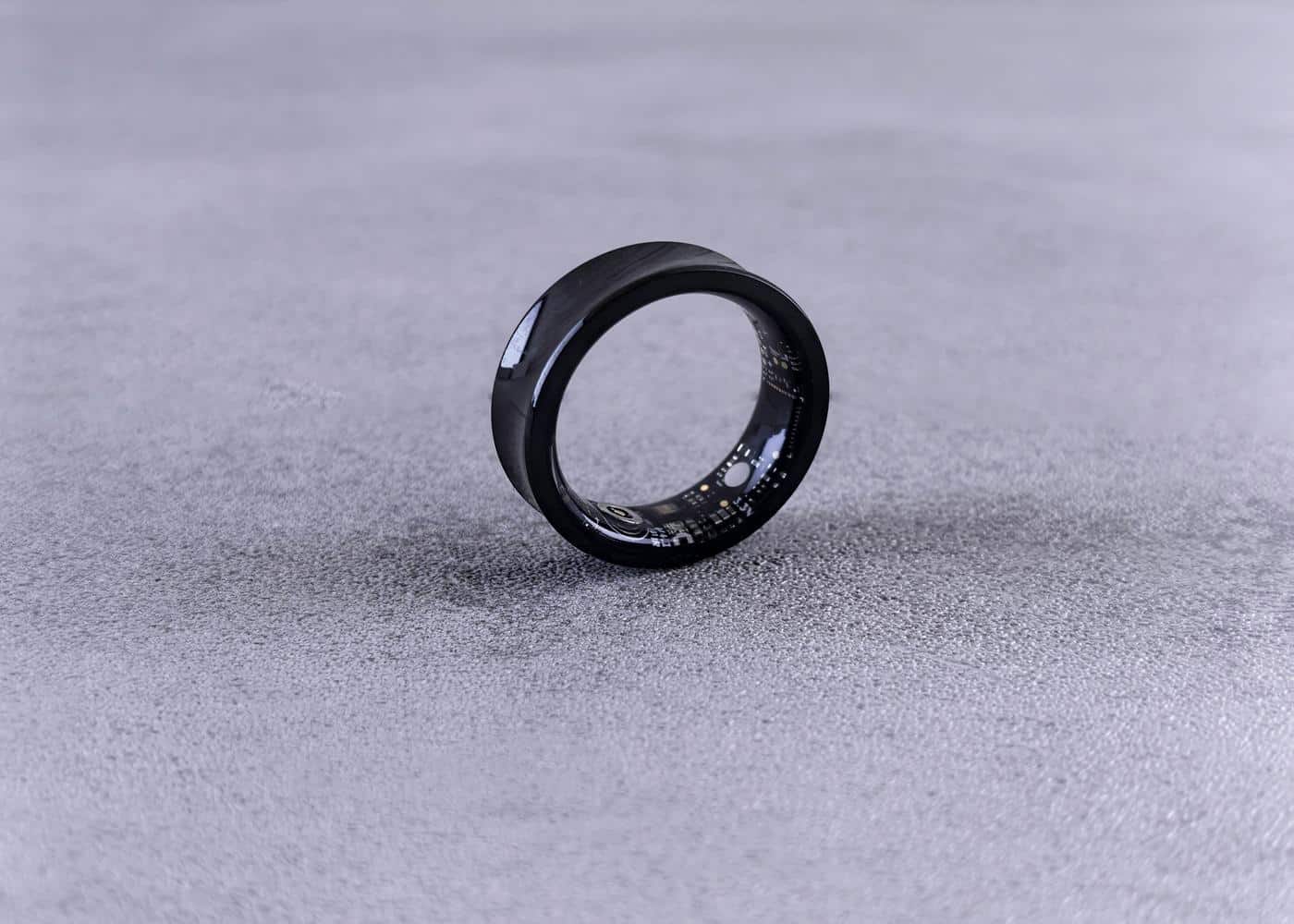
Understanding Oura data starts with knowing what a “good” score looks like and what to do when your score is lower than expected.
Sleep Score:
Oura’s Sleep Score ranges from 0 to 100. Oura explains that the score gives you a quick view of the quality of your sleep and whether there are areas you can adjust.
A practical interpretation looks like this:
85 to 100 means your sleep was strong. You likely had enough total sleep, good sleep efficiency, and a decent balance of sleep stages.
70 to 84 means your sleep was fair to good. You may function well, but there may also be room to improve consistency, duration, or timing.
Under 70 means your sleep likely needs attention. One low score is not a crisis, but repeated low scores are worth investigating.
The most useful Oura Ring sleep score explanation is that the number is a summary, not the full story. If your score is low, look at the contributors. Did you sleep too little? Did you wake up often? Was your bedtime later than usual? Was your resting heart rate elevated? The answer tells you what to change.
Readiness Score:
Oura says Readiness Score ranges from 0 to 100, with 85 or higher considered optimal, 70 to 84 considered good, and under 70 a sign to pay attention.
A high Readiness Score usually means your body is ready for more effort. This may be a good day for a harder workout, demanding work, or a fuller schedule.
A low Readiness Score does not mean you must cancel everything. It means you should consider reducing strain. That could mean walking instead of running, doing mobility work instead of heavy lifting, taking breaks between meetings, or getting to bed earlier.
The key is to use readiness as a planning signal, not a judgment.
Resting Heart Rate:
Your lowest nighttime resting heart rate and the timing of that low point can tell you a lot. If your heart rate stays elevated through the night, your body may still be digesting, processing alcohol, managing stress, or fighting off illness.
A good pattern is when your heart rate gradually drops during the first half of the night and stays relatively low. If it drops late, your body may have taken longer to settle.
To improve this metric, try avoiding alcohol close to bed, finishing dinner earlier, reducing late-night intensity, and creating a calmer wind-down routine.
HRV:
HRV is one of the most useful recovery signals in the Oura app. A higher HRV compared with your own baseline often suggests your body is adapting well. A lower HRV can mean your system is under strain.
But HRV is sensitive. It can drop because of alcohol, poor sleep, dehydration, emotional stress, hard workouts, travel, or illness. Rather than panic about one low night, look for a pattern.
If HRV is low for several days, reduce training intensity, prioritize sleep, hydrate well, eat enough, and build in relaxation.
Body Temperature:
Temperature changes can help you spot patterns before you fully feel them.
If your temperature is elevated and your Readiness Score is low, your body may be under stress. This can happen with illness, hormonal changes, late alcohol intake, heavy meals, or intense training.
For menstruating users, temperature trends may also provide useful cycle-related context. Oura integrates with women’s health tools and can support temperature-based insights, though fertility and cycle planning should be handled through appropriate apps or medical guidance when needed.
Activity Score:
A good Activity Score reflects balance. Oura is not simply rewarding more steps or more workouts. It is looking at whether you are moving enough, recovering well, and matching activity to your readiness.
If your Activity Score is low because of inactivity, add short walks, movement breaks, or light exercise. If it is low because of overtraining or poor recovery, the answer may be rest.
This is a good example of why Oura metrics need context. The same score can suggest different actions depending on the reason behind it.
Sleep Stages:
Deep sleep and REM sleep are helpful to track, but they are not fully under your direct control. You cannot force more REM sleep by staring at the app. What you can do is create conditions that support better sleep architecture.
Consistent bedtimes, enough total sleep, low alcohol intake, a cool room, morning light, and regular exercise can all help support better sleep quality.
Do not worry too much about one night of low deep sleep or REM. Look for recurring patterns.
Chronotype:
Your chronotype can help you plan sleep and work more intelligently. If your body naturally prefers a later schedule, forcing a very early bedtime may not work well. If you are more morning-oriented, late-night work may hurt your recovery.
Oura’s Body Clock and Chronotype features are helpful because they shift the question from “What is the perfect bedtime?” to “What is the best bedtime for my biology?”
Stress and Resilience:
Stress metrics can help you see how your body responds to the day. A stressful day is not automatically bad. Exercise is a stressor. Focused work can be a stressor. The question is whether you recover.
Resilience is more about your long-term ability to handle load. If resilience is trending down, it may be time to adjust sleep, training, workload, or recovery habits.
How to Use Oura Ring Data to Improve Your Sleep
Oura helps you understand what happened overnight by tracking metrics like Sleep Score, HRV, resting heart rate, sleep timing, and temperature. But the real value comes from knowing what to do with that data.
That is where Neura comes in. Instead of leaving you to interpret every score yourself, Neura turns your health data into practical daily guidance.
If your Oura data shows poor sleep, low HRV, or elevated resting heart rate, Neura can help adjust your day with recovery-focused recommendations, such as lighter training, more rest, better meal timing, or an earlier bedtime.
This helps solve “dashboard fatigue,” where you have plenty of data but no clear next step. Oura shows the signals. Neura helps turn those signals into action, so your sleep data becomes part of a personalized plan rather than just another set of numbers to check.
Final Thoughts: Oura Ring Metrics Explained

Oura gives you a detailed view of your sleep, recovery, stress, activity, and long-term health patterns. The most important Oura metrics include Sleep Score, Readiness Score, Activity Score, resting heart rate, HRV, body temperature, sleep stages, blood oxygen, chronotype, stress, resilience, and heart health signals.
The best way to read Oura data is to focus on trends. A single low score is just one data point. A pattern tells a story.
For sleep, pay close attention to Sleep Score contributors, resting heart rate, HRV, sleep timing, and consistency. For recovery, watch Readiness Score, temperature changes, and how your body responds to training, stress, alcohol, travel, and late nights.
Oura Ring features explained simply: the ring collects the data, the app summarizes it, and your job is to turn those insights into better daily choices. Tools like Neura can make that easier by moving from passive tracking to active planning, helping you use your sleep and readiness data to shape your day.
The goal is not to chase perfect scores. The goal is to understand your body well enough to sleep better, recover more consistently, and make healthier choices without guessing.
Article FAQ
What health metrics does Oura Ring track?
Oura Ring tracks 50+ health and wellness metrics, including Sleep Score, Readiness Score, Activity Score, resting heart rate, heart rate variability, body temperature trends, respiratory rate, blood oxygen, sleep stages, stress, resilience, and movement. These Oura metrics are designed to help you understand how your sleep, activity, and recovery habits affect your overall well-being.
Can you export Oura data?
Yes, you can export Oura data. Oura allows users to download their data in CSV format through the Membership Hub. You can also create Shareable Reports, which summarize sleep and daily movement data in a format that can be shared with trusted health professionals, such as a doctor, coach, nutritionist, or therapist.
How do you share Oura Ring data with friends?
You can share Oura Ring data with friends through Oura Circles. This feature lets Oura members create private groups and share high-level data, including Readiness, Sleep, and Activity Scores. Oura says Circles can show scores from the past two weeks, and users can choose which scores they want to share in each group.
How accurate are Oura Ring metrics?
Oura Ring metrics are best used for tracking trends rather than treating every number as a perfect measurement. Metrics like heart rate, HRV, temperature trends, sleep timing, and recovery can help you understand patterns in your body over time. For best results, compare your current data to your own baseline instead of comparing your scores with someone else’s.
What is a good Oura Sleep Score?
A good Oura Sleep Score is generally 85 or higher. A score between 70 and 84 usually suggests decent sleep with room for improvement, while a score below 70 may mean your sleep was disrupted, too short, or poorly timed. For a useful Oura Ring Sleep Score explanation, look beyond the number and review the contributors, such as sleep duration, efficiency, restfulness, and timing.
How can I improve my Oura metrics?
You can improve your Oura metrics by focusing on consistent habits that support sleep and recovery. Try keeping a regular sleep schedule, getting morning light, reducing alcohol, finishing meals earlier, staying hydrated, exercising regularly, and taking recovery days when your Readiness Score is low. The goal is not to chase perfect numbers, but to use Oura trends to make better daily choices.