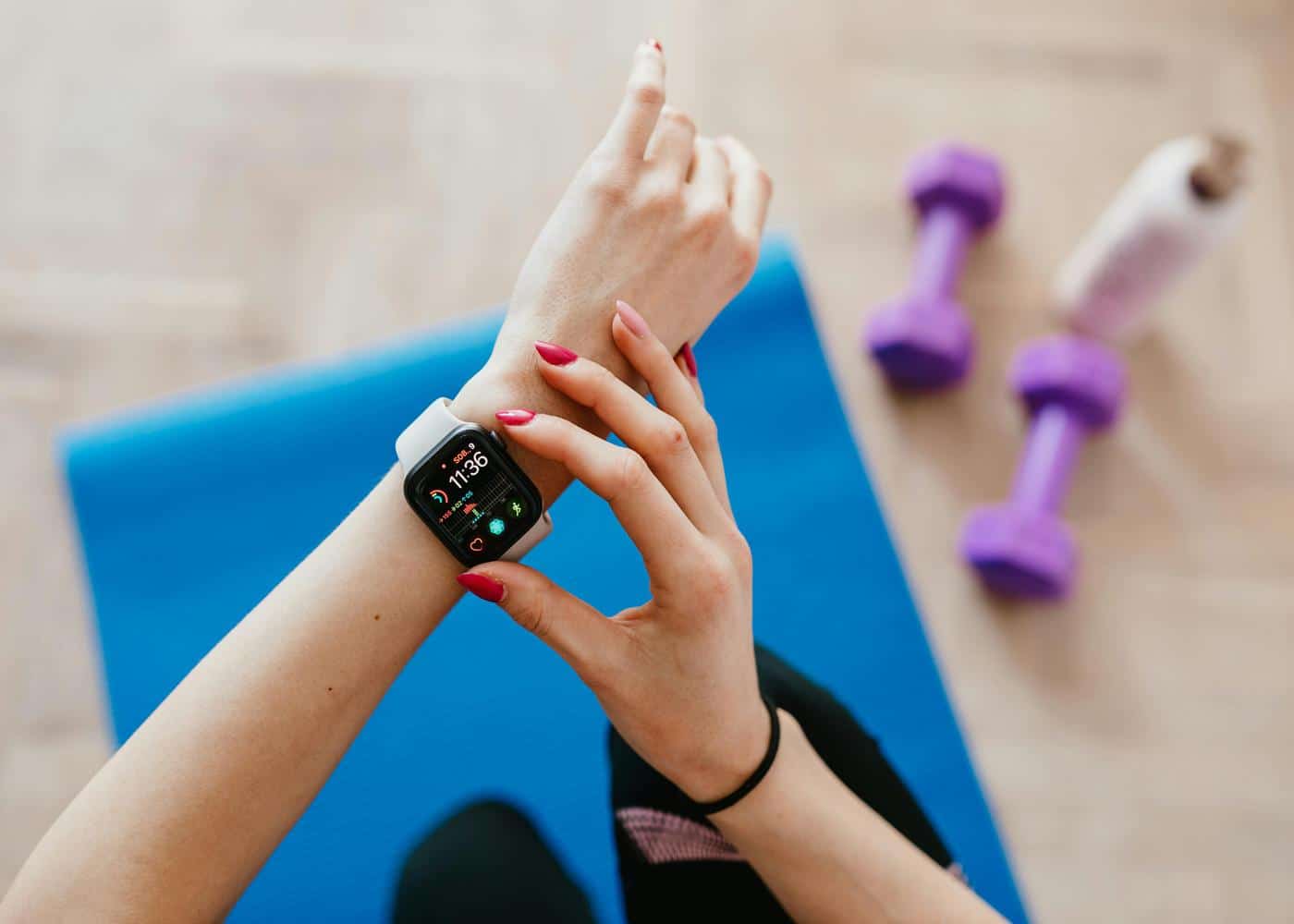
WHOOP Metrics Explained: What Exactly Does WHOOP Track?
Tech

Key Findings
By tracking core metrics like Heart Rate Variability (HRV), Resting Heart Rate, and Sleep Stages, WHOOP calculates daily scores for Strain, Recovery, and Sleep. Beyond basic vitals, the device measures advanced data points such as Muscular Load and real-time Stress levels. Integrating these insights with Neura allows users to simplify complex biometric data, correlating wearable metrics with lifestyle habits to optimize long-term health and peak performance.
Why you Should Care?
Understanding your WHOOP metrics helps you turn recovery, strain, sleep, and stress data into smarter decisions about when to push harder, when to rest, and how to improve your overall performance.

Among the leaders in the high-performance fitness tracking space, WHOOP stands tall as a screenless, distraction-free wearable designed for those who want a deep dive into their physiological data.
Unlike a smartwatch that prioritizes notifications and apps, WHOOP is a dedicated health sensor. It gathers data 24/7 to provide a comprehensive picture of how your body responds to stress, exercise, and rest.
Understanding these WHOOP metrics is the first step toward optimizing your performance. Whether you are an elite athlete or someone looking to improve your longevity, the data captured by WHOOP offers an impressive window into your autonomic nervous system.
This guide explores every key metric the device tracks, the technology behind the sensors, and how you can use Neura to turn this raw data into actionable health insights.
What Key Metrics Does WHOOP Track?

WHOOP categorizes its data into three primary pillars: Strain, Recovery, and Sleep. Within these categories, the device monitors several specific biomarkers that serve as indicators of your overall health and readiness.
Heart Rate Variability (HRV)
Heart Rate Variability is perhaps the most important metric WHOOP tracks. It measures the variation in time between each heartbeat. This is not about your pulse rate, but rather the tiny fluctuations in milliseconds between beats.
A high HRV generally indicates that your nervous system is balanced and capable of responding to new stressors. A low HRV often suggests that your body is overworked, stressed, or fighting off an illness.
Resting Heart Rate (RHR)
Resting Heart Rate is the number of times your heart beats per minute while you are at complete rest.
WHOOP calculates this during your deepest period of sleep to ensure the most stable and accurate reading. A downward trend in RHR over time is usually a sign of improving cardiovascular fitness, while a sudden spike can be an early warning sign of overtraining or stress.
Respiratory Rate
Your respiratory rate is the number of breaths you take per minute.
Under normal conditions, this metric remains remarkably stable. Because it is so consistent, even a slight increase can be a significant physiological indicator. Many WHOOP users have noticed an increase in respiratory rate before they even begin to feel symptoms of a respiratory infection or fever.
Blood Oxygen (SpO2)
WHOOP monitors the percentage of oxygen-saturated hemoglobin in your blood.
For most healthy individuals, this number stays between 95% and 100%. Tracking SpO2 is particularly useful for those training at high altitudes or monitoring their recovery from intensive cardiovascular sessions.
Skin Temperature
Instead of measuring core body temperature, WHOOP tracks the temperature at the surface of your skin.
By establishing a baseline over several days, the device can alert you to deviations. These changes might indicate an impending illness, a change in your environment, or shifts in a woman’s menstrual cycle.
Sleep Performance and Stages
WHOOP breaks sleep down into four stages: Awake, Light Sleep, Deep Sleep (SWS), and REM.
By measuring the time spent in each stage, WHOOP can then provide a Sleep Performance score. This score compares the amount of sleep you actually got to the "Sleep Need" your body required based on the previous day’s strain and your recent sleep debt.
Muscular Load and Strength Training
While most wearables only measure cardiovascular strain, WHOOP uses its Strength Trainer feature to track Muscular Load.
This measures the volume and intensity of your weightlifting by calculating the effective mass moved and the velocity of your repetitions. This ensures that a heavy lifting session is credited with the appropriate amount of strain, even if your heart rate remains relatively low.
Stress Monitor
The Stress Monitor provides a real-time score between 0 and 3.
By comparing your current heart rate and HRV against your personal baseline while accounting for physical movement, WHOOP identifies when you are in a state of high stress versus relaxation. This allows for immediate intervention through guided breathwork sessions.
Healthspan and WHOOP Age
WHOOP evaluates long-term trends in your vitals to provide a Healthspan analysis.
This includes "WHOOP Age," which compares your physiological data to average baselines for your demographic. This metric serves as a powerful indicator of how your lifestyle choices are affecting your biological aging process.


How Does WHOOP Track Your Metrics?
The hardware inside a WHOOP 4.0 is a marvel of sensor engineering. It uses a technology called photoplethysmography (PPG). This process involves shining light into your skin and measuring the light that reflects back.
Because blood absorbs light differently from surrounding tissue, the sensor can detect the pulse of blood through your capillaries with extreme precision.
To achieve near medical-grade accuracy, WHOOP uses an array of five LEDs (three green, one red, and one infrared) along with three photodiodes.
These LEDs work together to capture data at a high sampling rate of 52Hz. This means the device is taking 52 data points every single second, providing a much higher resolution of data than many standard smartwatches.
Accuracy is further enhanced by the placement of the device. While many users wear it on the wrist, WHOOP is designed to be worn on the bicep as well.
Research suggests that bicep placement often provides a cleaner signal during high-intensity movement because there is less light leakage and less interference from wrist bone movement.
Interpreting WHOOP Data: How Should it Look?

Raw data is only valuable if you know how to interpret it. WHOOP uses a "traffic light" system to help you understand your daily readiness. A "Green" recovery means your body is ready for high strain. "Yellow" suggests you are maintaining balance, while "Red" is a signal to prioritize rest.
However, you should ideally try to avoid looking too deeply at any single day in isolation. The real power of WHOOP lies in identifying long-term trends. If your HRV is trending upward over a month, your training and lifestyle choices are likely working. If your RHR is slowly climbing, you might be heading toward burnout.
It is also important to remember that metrics are highly individualized. Your "normal" might look very different from a professional athlete’s "normal."
WHOOP takes about two weeks to calibrate to your specific baseline. During this period, the device learns your unique physiological range, making the insights far more relevant to your specific body.
Average WHOOP User Stats
WHOOP averages can be useful for context, but they should not be treated as universal goals. Your own baseline matters more than comparing yourself to the wider WHOOP community.
Average Recovery: WHOOP members average around 58% Recovery, which sits in the moderate range. A lower score may suggest your body needs more rest, while a higher score usually means you are better prepared for strain.
Average Daily Strain: The average WHOOP user records roughly 11.0 Day Strain on WHOOP’s 0 to 21 scale. This reflects a moderately active day, not an extreme training load.
Average Sleep: WHOOP members spend about 8 hours and 2 minutes in bed and sleep for around 7 hours and 11 minutes. This shows why sleep efficiency matters, not just time spent in bed.
Average Sleep Performance: The typical WHOOP Sleep Performance score is around 82%, meaning users get most, but not all, of the sleep WHOOP estimates they need.
Average Sleep Debt: WHOOP users average about 43 minutes of sleep debt per night, which can build up quickly if recovery is already low.
Average HRV: Average HRV is around 65 ms for men and 62 ms for women, but HRV is highly individual and usually declines with age.
Average Resting Heart Rate: WHOOP members average around 55.2 bpm for men and 58.8 bpm for women. A lower resting heart rate can be a sign of strong cardiovascular fitness, but context matters.
Average Respiratory Rate: Most WHOOP members fall between 13 and 18 breaths per minute while sleeping. Sudden changes from your normal range may be more useful than the number itself.
How To Integrate Your WHOOP with Neura

WHOOP gives you valuable data on recovery, strain, sleep, HRV, resting heart rate, and respiratory rate, but Neura helps place those metrics in a wider health context. By connecting WHOOP with Neura, you can better understand how your workouts, sleep, stress, nutrition, supplements, medications, and daily habits all interact.
1. Open Your Connections Hub
Start by opening Neura and heading to the Connections area. This is where you can link your health apps, wearables, and data sources so Neura can bring your information into one place.
2. Connect WHOOP or Your Health Data Source
Search for WHOOP in the available integrations and follow the prompts to connect your account. If you sync WHOOP data through a broader health platform, such as Apple Health or another supported connection, make sure those permissions are also enabled.
3. Authorize the Key Metrics
Allow Neura to access the metrics that matter most, including sleep, recovery, HRV, resting heart rate, strain, workouts, and activity trends. These signals help Neura understand how your body is responding to training and daily life.
4. Let Neura Build Your Baseline
Once connected, Neura can start learning your normal patterns. This helps it interpret changes more accurately, so one poor recovery day or unusually high strain score is viewed in the context of your wider routine.
5. Turn WHOOP Data Into Action
After syncing, Neura can help translate your WHOOP metrics into personalized next steps. For example, if your recovery is low, Neura can help you explore whether poor sleep, high stress, heavy training, low hydration, or nutrition habits may be contributing.
The goal is not just to collect more data. It is to use your WHOOP insights as part of a more complete health system that helps you train smarter, recover better, and make more informed daily decisions.
Final Thoughts: WHOOP Metrics Explained
The WHOOP wearable is more than just a fitness tracker. It is a sophisticated health monitor that provides a high-fidelity look at your internal state. By tracking HRV, RHR, Sleep stages, and Skin Temperature, it gives you the data needed to make informed decisions about your training and recovery.
However, data without action is just noise. Integrating your WHOOP with Neura allows you to simplify these complex metrics. It turns a list of numbers into a clear narrative about your health.
When you understand exactly what WHOOP is tracking and how to actualize that data through Neura, you gain total control over your physical and mental performance.
True health optimization requires a holistic view. Use the precision of WHOOP to measure your body and the intelligence of Neura to manage your life. Together, they provide the ultimate toolkit for anyone serious about longevity and peak performance.
Article FAQ
What does WHOOP track?
WHOOP tracks a wide array of physiological data points 24/7. This includes key cardiovascular metrics like Heart Rate Variability (HRV) and Resting Heart Rate (RHR), as well as respiratory rate, blood oxygen levels (SpO2), and skin temperature. Beyond vitals, it monitors daily movement, sleep stages, and muscular load during strength training to provide a holistic view of your health and recovery.
How does WHOOP track sleep?
WHOOP uses a 3-axis accelerometer and a high-resolution PPG sensor to monitor movement and blood flow. By analyzing changes in your heart rate and HRV, the device identifies when you fall asleep and automatically categorizes your night into four stages: Awake, Light Sleep, REM, and Deep Sleep (SWS). It then compares your actual sleep time against your body's specific "Sleep Need" based on previous strain and sleep debt.
Does WHOOP track workouts?
Yes, WHOOP automatically detects and tracks workouts that last longer than 12 minutes and meet a minimum strain threshold. Using its accelerometer and gyroscope, it can distinguish between cardiovascular activities like running or cycling and strength-based exercises. For weightlifting, the "Strength Trainer" feature specifically tracks muscular load, velocity, and volume to ensure your total physical exertion is accurately reflected in your daily Strain score.
How accurate is WHOOP?
WHOOP is widely considered one of the most accurate consumer wearables on the market. Third-party validation studies have shown that its heart rate and HRV tracking during sleep are 99% accurate compared to gold-standard EKG and polysomnography (PSG) tests. While wrist-worn devices can sometimes face interference during high-intensity movement, using WHOOP Body apparel or a bicep band significantly improves signal quality to medical-grade standards.
Does WHOOP track steps?
While WHOOP does track movement and steps, it does not prioritize them as a primary metric. Unlike basic fitness trackers, WHOOP focuses on "Strain," which measures the cardiovascular and muscular stress placed on your body. This provides a more meaningful picture of your physical exertion than a simple step count, as it accounts for intensity and the internal physiological cost of your activity.
Can I use WHOOP without a subscription?
WHOOP operates on a membership model, meaning a subscription is required to access the app and your personal data. The hardware itself is included with the membership. This model ensures that users receive continuous software updates, personalized AI-driven coaching insights via the WHOOP Coach, and detailed long-term trend reports that help guide health and performance decisions.