
The Best WHOOP Alternatives for Fitness & Recovery Tracking
Tech

Key Findings
WHOOP is a strong option for athletes who want detailed strain, sleep, and recovery insights, but its subscription and screen-free design will not suit everyone. Oura is best for discreet sleep tracking; Garmin and Polar offer more advanced training tools, while Ultrahuman and Samsung provide subscription-free alternatives. Neura can also bring data from different wearables together and turn it into clear, practical daily guidance.
Wearable fitness trackers can tell you much more than how many steps you have taken. The most useful devices also measure sleep, training load, heart rate variability, stress, and recovery, helping you decide when to train harder and when to slow down.
WHOOP is one of the best-known recovery-focused wearables, but its screen-free band and ongoing membership will not suit everyone.
You may prefer a smart ring, a full GPS watch, a device with smartwatch features, or a WHOOP band alternative that does not require another annual payment.
This guide compares six strong options for different needs, from discreet sleep tracking to detailed multisport analysis.
The right choice depends on the data you value, how you like to wear a tracker, and how much time you want to spend reviewing your results.
What is WHOOP?

WHOOP is a screen-free wearable designed around continuous fitness, sleep, strain, and recovery tracking.
Rather than showing notifications on your wrist, it sends its data to the WHOOP app, where daily scores and coaching insights help you understand how your habits may be affecting performance.
The current WHOOP range includes different membership tiers and hardware options. Depending on the plan, users can access features such as Sleep, Strain and Recovery insights, personalized coaching, VO2 max estimates, heart rate zones, stress monitoring, health alerts, and Healthspan tools.
WHOOP 5.0 also offers more than 14 days of stated battery life. A paid membership is central to the experience, with hardware and available features varying between plans.
WHOOP may appeal to athletes who want a lightweight wearable they can keep on throughout the day and night.
It places less emphasis on smartwatch functions and more emphasis on interpreting the relationship between training, sleep, stress, and recovery.
Is WHOOP Worth It?
WHOOP can be worth it for people who consistently use recovery data to guide their training.
Its screen-free design is discreet; the app presents daily information in a relatively clear format, and its focus on Strain, Sleep, and Recovery makes it useful for spotting patterns.
The journal can also help users compare behaviors, such as alcohol use, late meals, or meditation, with changes in their results.
It is particularly well suited to committed athletes, people following structured training programs, and users who enjoy reviewing trends. The long battery life and ability to charge while wearing the band also make continuous tracking easier than with many smartwatches.
However, WHOOP is not the best fit for everyone. It requires an ongoing membership, and the absence of a screen means it cannot replace a conventional watch for maps, live workout metrics, notifications, or everyday apps.
Some users may also find that they collect more information than they regularly act on.
Casual exercisers who mainly want step counts, workout recording, or basic sleep data may get better value from a simpler device.
It may also be less suitable for anyone who prefers to buy hardware once and keep using its main features without a recurring fee.
Overall, WHOOP offers a focused and detailed experience, but its value depends on whether you will use the recovery insights often enough to justify the membership.
Anyone looking for an alternative to WHOOP should first decide whether recovery coaching, sport tracking, smartwatch tools, comfort, or long-term cost matters most.


6 Best WHOOP Alternatives

For anyone looking for WHOOP alternatives recovery tracker, the main comparison should go beyond a single readiness score. Consider sleep tracking, HRV trends, workout detail, comfort, battery life, app quality, and whether the device turns data into practical guidance.
1. Oura Ring
Best For: Sleep and recovery tracking in a discreet ring
Oura Ring is a strong choice for users who want detailed recovery information without wearing a wristband.
Its Readiness Score considers sleep quality, body signals, recent activity, HRV, resting heart rate, and temperature trends to indicate how prepared you may be for the day.
Oura also provides separate Sleep and Activity scores, making the app easy to scan each morning.
The ring is comfortable for many people to wear overnight and does not have a distracting screen. It is better suited to general wellness, sleep, and recovery than live workout guidance.
An active Oura membership is required for the full set of detailed insights, so it does not eliminate recurring costs.
Key Features:
Daily Readiness, Sleep, and Activity scores
Overnight HRV, resting heart rate, temperature, and respiration tracking
Daytime stress insights and automatic activity detection
Compact ring design with integrations such as Strava
2. Garmin
Best For: Athletes who want recovery data and advanced sports tracking
Garmin is one of the most complete choices for runners, cyclists, triathletes, and outdoor athletes.
Compatible watches combine recovery information with GPS, training load, pace, distance, navigation, and sport-specific metrics. This makes Garmin more practical than WHOOP when you need detailed information during a workout.
Garmin’s Training Readiness score can use sleep score, recovery time, HRV status, acute load, sleep history, and stress history.
Body Battery provides a broader view of daily energy by analyzing heart rate, HRV, movement, stress, rest, and sleep.
Features vary by model, so shoppers should check the specifications of an individual watch before buying.
For a more complete comparison, check out our head-to-head review between Garmin CIRQA, WHOOP 5.0, and the new Fitbit Air.
Key Features:
Training Readiness and Body Battery on compatible models
Detailed GPS and multisport workout tracking
HRV status, sleep scores, recovery time, and training load
No membership required for core Garmin Connect features
3. Ultrahuman Ring AIR
Best For: Subscription-free recovery tracking in a smart ring
Ultrahuman Ring AIR is designed to monitor sleep, movement, and recovery from a lightweight ring.
Its app includes a daily sleep score and Dynamic Recovery, which analyzes physiological markers to produce a current recovery score.
It also offers guidance around movement, sleep timing, and daily habits.
It is one of the more notable WHOOP alternatives without a subscription because access to core ring data does not require a recurring fee. This can make its long-term cost easier to manage.
The main compromise is that a smart ring is generally less useful than a sports watch for viewing live pace, routes, or detailed workout data while exercising.
Key Features:
Dynamic Recovery and daily Sleep Index scores
Tracking for HRV, heart rate, skin temperature, movement, and sleep
Circadian and sleep-timing guidance
No recurring subscription required for core data access
4. Apple Watch
Best For: iPhone users who want fitness, health, and smartwatch features
Apple Watch is a versatile option for users who want recovery context without buying a dedicated recovery band.
It records workouts, displays live exercise data, supports third-party fitness apps, and adds everyday tools such as calls, messages, maps, music, and safety features.
The Vitals app can show overnight metrics such as heart rate, respiratory rate, wrist temperature, and sleep duration.
Apple’s Training Load feature compares recent workout strain with a longer-term baseline, helping users see whether their training is increasing, holding steady, or easing.
It is not as recovery-focused as WHOOP, but it brings health and fitness information into a broader smartwatch experience.
Key Features:
Workout recording with live on-wrist metrics
Vitals trends and notifications for unusual overnight readings
Training Load comparisons based on workout duration and effort
Wide selection of health, fitness, communication, and safety apps
5. Samsung Galaxy Ring
Best For: Samsung Galaxy users who prefer a screen-free ring
Samsung Galaxy Ring offers a simple way to track sleep, heart rate, activity, and general energy without wearing a watch overnight.
Its Energy Score analyzes daily sleep, activity, and heart rate information, then provides guidance in Samsung Health. Sleep tracking can also consider blood oxygen and skin temperature.
The ring fits naturally into the Samsung ecosystem and can be used alongside a Galaxy Watch.
Galaxy Ring data and insights are available through Samsung Health without a subscription, which makes it a useful option for Android users concerned about recurring costs.
Its appeal is more limited for people outside the Samsung ecosystem.
Key Features:
Daily Energy Score with contributing factors and guidance
Sleep, heart rate, activity, skin temperature, and blood oxygen tracking
Screen-free design suited to overnight wear
Samsung Health access without a subscription
6. Polar Vantage M3
Best For: Structured endurance training and recovery planning
Polar Vantage M3 is a multisport GPS watch aimed at athletes who want training analysis and recovery tools in one device.
Polar has a long-standing focus on heart rate-based coaching, and the Vantage M3 combines workout metrics with tools such as Training Load Pro, Nightly Recharge, Recovery Pro, SleepWise, and Sleep Plus Stages.
Nightly Recharge automatically assesses how restorative the previous night was by considering sleep and how the autonomic nervous system settled during the early hours of sleep.
Recovery Pro offers more structured guidance based on orthostatic tests and recovery questions.
This creates a more training-led experience than a general wellness ring, although it requires more active engagement from the user.
Key Features:
Nightly Recharge automatic overnight recovery measurement
Recovery Pro guidance for balancing training and recovery
Training Load Pro for cardiovascular and muscular strain
Multisport GPS tracking with performance tests and training guidance
Discover Holistic Health Management with Neura

Wearables can collect useful data, but seeing more scores does not always make the next decision clearer.
Sleep, activity, nutrition, stress, and recovery may be spread across several apps, leaving you to compare the information and work out what matters most.
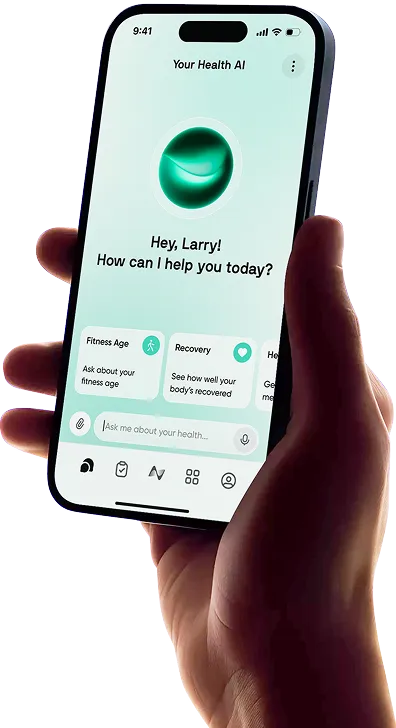
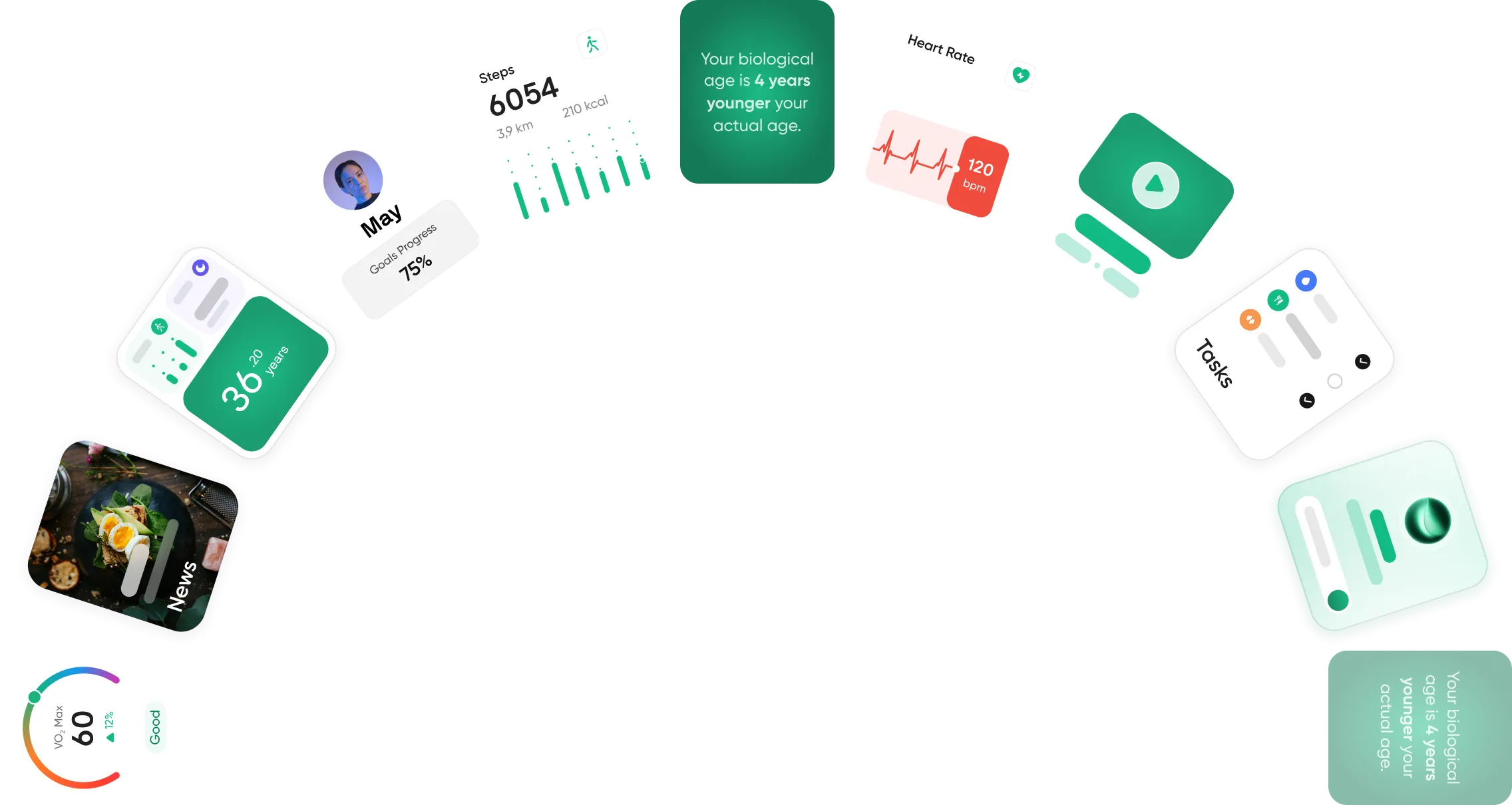
Neura takes a different approach. It is designed to connect data from your wearables and health apps, understand it in the context of your goals, and turn it into clear daily actions.
Instead of only showing that your recovery has changed, Neura can use information such as sleep quality, stress, recent activity, and personal goals to help adjust the plan for your day.
The platform is also built to work quietly in the background. Devices can sync automatically, while proactive notifications and personalized audio recaps bring important information to you without requiring constant app checks.
Plans can adapt when you sleep badly, miss a workout, or show signs of excessive training load. This makes Neura useful whether you choose WHOOP, Oura, Garmin, or another wearable.
The tracker gathers the measurements, while Neura helps connect them to the wider picture of your health. The aim is to make your data easier to use, not give you another dashboard to manage.
Final Thoughts: Best Alternatives to WHOOP
There is no single best device for every user. Oura Ring 4 is a strong recovery-focused option for people who prioritize sleep and comfort. Garmin is better suited to athletes who want live training metrics, GPS, and detailed performance analysis.
Ultrahuman Ring AIR and Samsung Galaxy Ring stand out for users who want core insights without a required membership, while Apple Watch offers the broadest mix of fitness and everyday smartwatch functions. Polar Vantage M3 is a practical choice for structured endurance training.
The best WHOOP alternative is the one that matches how you actually exercise and use health data.
Consider whether you want a ring or watch, whether you need a screen during workouts, which phone you use, and whether you are comfortable paying an ongoing fee.
Recovery scores can be helpful, but they should support your decisions rather than control them. Choose a device that gives you relevant information in a format you will use consistently.
For a more connected approach, Neura can help bring wearable data together and translate it into a daily plan that is easier to follow.
Article FAQ
What are the best alternatives to WHOOP?
The best WHOOP alternatives include Oura Ring, Garmin, Ultrahuman Ring AIR, Apple Watch, Samsung Galaxy Ring, and Polar. Oura is strong for sleep and recovery, Garmin and Polar suit serious training, while Apple Watch offers a broader mix of fitness and smartwatch features.
Is WHOOP worth it?
WHOOP may be worth it for committed athletes who regularly use sleep, Strain, and Recovery data to adjust their training. It provides detailed insights in a lightweight, screen-free design. However, the entry-level WHOOP One plan currently costs $199 per year, so casual users may prefer a tracker without an ongoing membership.
Is there a WHOOP alternative without a subscription?
Yes. Ultrahuman Ring AIR, Garmin watches, Polar watches, and Samsung Galaxy Ring provide their main tracking features without requiring a recurring subscription. They can be better long-term options for users who want recovery, sleep, and activity data without another annual fee.
Is Oura better than WHOOP?
Oura is often better for sleep, general wellness, and comfortable overnight tracking, while WHOOP is more focused on athletic strain and recovery. Oura Ring 5 provides Readiness, sleep analysis, stress insights, heart rate tracking, and temperature monitoring, although full app features require an active membership.
Can you use WHOOP without a subscription?
WHOOP is built around a paid membership, which includes the device and access to its tracking insights. Without an active membership, you cannot use the full WHOOP experience. People who prefer to purchase a device once may be better suited to Garmin, Polar, Ultrahuman, or Samsung.
Which WHOOP alternative is best for recovery tracking?
Oura Ring is one of the best options for sleep and daily recovery, while Garmin is better for combining recovery data with detailed workout metrics. Ultrahuman Ring AIR is a good subscription-free choice. The best option depends on whether you prioritize comfort, sports tracking, or ongoing cost.