6 Best AI Habit Coaching Apps for Building Healthy Routines
Tech
Key Findings
AI habit coaches shift you from passive tracking to active routine building. By analyzing your behavior patterns, these tools deliver personalized nudges that eliminate decision fatigue and keep you consistent. They turn daily data into clear, objective insights to give you tailored structure for fitness, work, and self-care.
Building a new routine is rarely as simple as deciding to change. Most of us have experienced the initial surge of motivation that fades after a few days, only for the old, comfortable patterns to take over again.
This cycle is why technology has pivoted toward proactive support. Rather than relying on simple checklists that sit ignored on your phone, modern tools are shifting toward interactive, responsive systems.
An AI habit coach can act as a bridge between your goals and your daily reality. By analyzing your patterns and offering tailored nudges, these applications help turn abstract intentions into consistent actions.
Whether you are aiming to improve your physical fitness, manage professional projects, or simply find more balance in your day, these digital companions provide the structure needed to maintain momentum.
What is Habit Coaching?

Habit coaching is a systematic approach to behavior change. Instead of focusing solely on the result, such as losing weight or finishing a degree, it prioritizes the small, repetitive actions that lead to those outcomes.
A coach, whether human or digital, works by analyzing your current triggers, designing a plan that integrates into your existing lifestyle, and providing consistent accountability.
At its core, this process relies on behavioral science principles like habit stacking, implementation intentions, and environmental design.
The objective is to make desired behaviors as frictionless as possible while making unwanted behaviors more difficult to sustain.
Through regular check-ins and structured reflection, you learn to recognize when you are drifting off course and how to course-correct before a temporary slip becomes a total abandonment of your goals.
How Can Habit Coaching Improve Fitness?
In the context of physical health, habit coaching is often the missing link for long-term consistency.
Many people approach fitness through a lens of intensity, focusing only on the "work" phase of a workout. However, a significant portion of fitness success happens outside the gym.
Coaching helps you manage the variables that dictate whether you show up in the first place, such as sleep quality, meal preparation, and daily activity levels.
By breaking down broad fitness objectives into micro-habits, you reduce the psychological barrier to getting started.
For example, rather than committing to an hour of high-intensity training every day, a coach might help you establish a routine of packing your gym bag the night before or taking a short walk immediately after dinner.
These small, sustainable actions build a foundation of self-efficacy. When you succeed in these smaller tasks, you gain the confidence to pursue larger ones.


The Best AI Habit Coach Apps

The following platforms can help you move beyond passive tracking and into active, personalized guidance.
1. Neura
Best For: Adaptive routines that learn from your unique patterns.
Neura stands out for its emphasis on "building" rather than just tracking.
The app analyzes your habits and patterns to identify specific weak points in your routine, then suggests real-time adjustments to keep your momentum going.
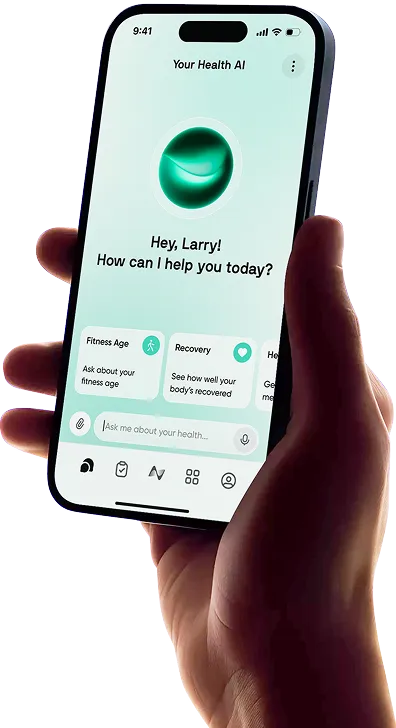
It serves as an AI architect, helping you structure your daily life by providing a daily "Morning Brief" that acts as a blueprint for your goals.
Key Features:
Daily AI-generated blueprints for optimizing your routine.
"Habit Architecture" reviews that offer weekly insights into your progress.
Integration with health data to verify activity and refine coaching suggestions.
2. Fabulous
Best For: Building comprehensive morning and evening routines.
Fabulous is rooted in behavioral science and excels at helping users construct "habit stacks."
It guides you through a progressive onboarding process that asks about your energy levels, sleep, and overarching goals.
The app then assembles a sequence of activities designed to build upon one another, turning disjointed tasks into a cohesive, fluid morning or evening flow.
Key Features:
Evidence-based routine building with progressive habit stacking.
Personalized recommendations based on your unique energy rhythms.
Integrated audio sessions to support mindfulness and focus.
3. Finch
Best For: Gentle, low-pressure self-care habits.
Finch uses a unique gamification approach by assigning you a virtual pet bird that grows as you complete your goals.
It is particularly effective for users who find traditional trackers feel punitive or overwhelming.
By focusing on "low-stakes" activities like drinking water or taking a deep breath, it helps build consistency without triggering the shame cycles often associated with missed streaks.
Key Features:
Emotional support through a non-judgmental gamified virtual pet.
Customizable goals ranging from physical fitness to mental health check-ins.
Lightweight nudges that encourage progress rather than demanding perfection.
4. Lovon
Best For: Emotional support and navigating mental blocks.
Lovon differentiates itself by placing emotional health at the forefront of the habit-building process.
Many routines fail because of underlying stress, anxiety, or ADHD-related executive dysfunction.
Lovon provides on-demand voice coaching sessions that help you surface the emotional friction preventing you from acting on your plans, making it a powerful tool for those who have struggled with traditional apps in the past.
Key Features:
Voice-first, on-demand sessions that mimic human therapy or coaching.
Specific support for ADHD, anxiety, and relationship-related stress.
Broad range of coping tools accessible at any hour of the day.
5. Wysa
Best For: Clinical-grade mental health and anxiety management.
While Wysa is primarily known as an AI mental health companion, its structured approach to anxiety and stress management makes it an excellent tool for habit coaching.
It uses cognitive-behavioral therapy (CBT) techniques to help you identify negative thought patterns.
By fostering a more stable mental state, Wysa clears the path for you to adopt and maintain healthy habits with more consistency.
Key Features:
CBT-grounded exercises for managing stress and anxiety.
Structured, interactive paths for building healthier emotional responses.
Secure and anonymous environment for open-ended conversation.
How to Build Healthy Habits with Neura

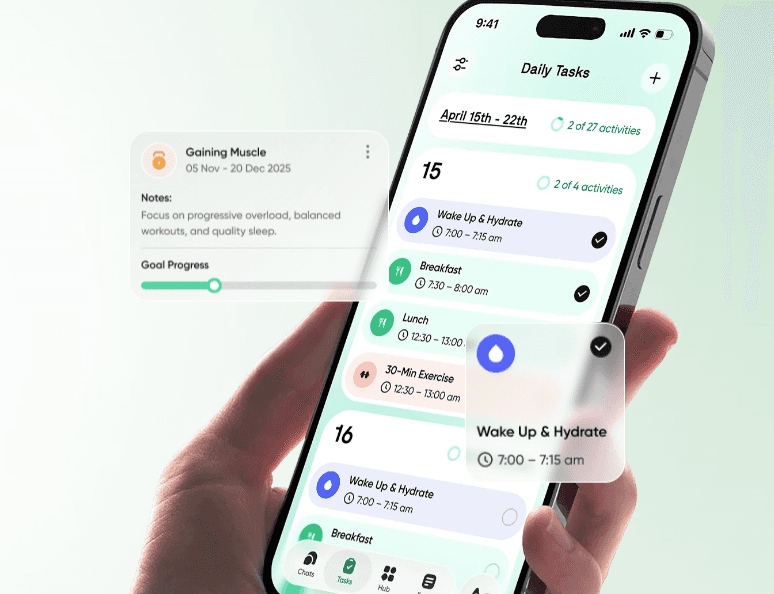
Building a routine with Neura requires a shift in mindset from passive logging to active construction. Because the app is designed to learn from your data over time, your primary responsibility is to be honest about your daily experience.
Start by defining your "anchor" habits; these are the essential actions that, if completed, make the rest of your day feel successful. Once you have your anchors, allow the app to suggest the structure.
Neura uses your check-in data to understand when you are most likely to encounter friction or drop-off points.
If you consistently struggle to maintain a fitness routine on Wednesday evenings, for example, the AI might suggest a "routine stack" where you link your workout to an existing habit, such as immediately changing into workout gear the moment you walk through the door.
Consistency is a matter of refining your habits based on these weekly insights. Instead of viewing a missed goal as a failure, use the app's weekly review to look at the data.
Was the goal too ambitious for a Wednesday? Was the timing incorrect?
Neura provides the feedback necessary to adjust your strategy, ensuring that you are constantly building a system that fits your actual life rather than an idealized version of it.
Final Thoughts: Best Habit Coach Apps
Selecting the right tool for your needs depends entirely on the nature of your struggle. If you find that your habits break because of emotional stress or ADHD, a platform like Lovon may be the most supportive starting point.
If your primary challenge is structure and organization, apps like Fabulous or Neura offer the frameworks necessary to build a consistent daily flow.
Whether you are searching for a habit coaching tool to help with fitness, professional productivity, or personal wellness, the common thread across these applications is the move toward personalization.
By leveraging AI to provide feedback, encouragement, and objective analysis, you can finally move past the start-stop cycle.
The best app is simply the one that provides the specific type of support you need to show up for yourself, day after day.
Article FAQ
What is a habit coach?
A habit coach is a professional or system that helps you identify, adopt, and maintain positive behaviors while breaking unwanted ones. They look at the behavioral science behind your daily actions to analyze your triggers and obstacles. By providing structure and accountability, they help you move from passive intention to active, consistent progress.
How to build healthy habits that stick?
Building lasting habits requires a strategic approach rather than relying on willpower. You should define specific, concrete actions instead of vague goals and use habit stacking to attach new behaviors to existing ones. Focus on starting with micro-habits that feel effortless to complete, track your progress to build visual momentum, and reward yourself to reinforce the behavior.
Do habit coach apps actually work?
Yes, these apps are often more effective than simple tracking tools because they offer active, personalized intervention rather than just recording history. By using timely nudges and data-driven insights, they help you course-correct before a temporary slip becomes a total abandonment of your routine. They act as a digital safety net that keeps you focused even during busy or stressful days.
How much does a habit coach cost?
Costs vary based on the format you choose. AI-powered apps are the most affordable, often ranging from free versions to subscription models between $5 and $20 per month. Group coaching sessions typically cost between $20 and $50 per session, while one-on-one professional coaching is the most expensive option, usually ranging from $50 to $200 per hour depending on the coach.
What are the primary benefits of using a habit coach?
The primary benefit is the combination of accountability and data-driven personalization. A coach helps you look at your life objectively to identify friction points that make it hard to stay consistent. By having a system that reminds you and helps you reflect, you reduce the mental load required to maintain a routine, leading to more sustainable change.
Can AI help with building habits?
Yes, AI-driven systems excel at pattern recognition, allowing them to spot when you are most likely to skip a task or fall off your routine. By learning your unique energy levels and preferences, AI can deliver micro-nudges at the exact moment you need them. Unlike a static checklist, an AI coach adapts to your feedback and refines its advice to ensure your routines remain practical and tailored to your lifestyle.