
Wearable Data Analytics: From Raw Metrics to Personalized Insights
Tech

Key Findings
Wearable data analytics helps turn raw metrics like heart rate, HRV, sleep, recovery, activity, and training load into clearer health insights. Neura works as a wearable data aggregation platform, connecting your wearables, apps, habits, and goals so your data is easier to understand and use. Instead of simply showing what happened, Neura helps explain what may be affecting your performance, recovery, sleep, and overall well-being.
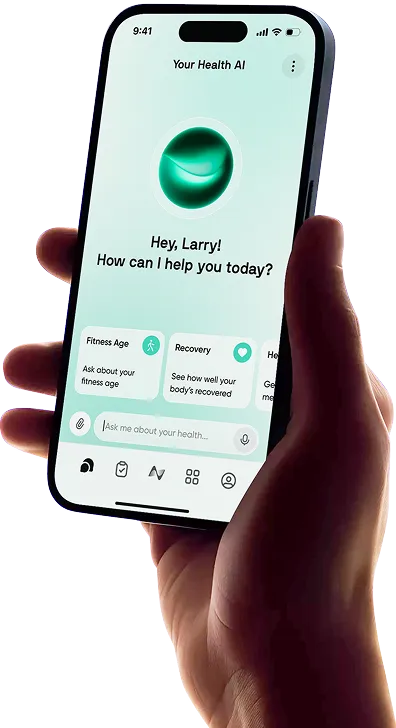
Wearables have made it easier than ever to track your body. Smartwatches, rings, fitness bands, sleep trackers, and connected health devices can now measure everything from heart rate and steps to sleep quality, recovery, stress, temperature, and workout performance.
But more data does not always mean better decisions. The real value of wearable data analytics comes from turning raw metrics into insight. It is not just about knowing how many hours you slept or how many calories you burned. It is about understanding what those numbers mean, how they connect, and what you should do next.
That is where Neura can help. By bringing your wearable data into a wider health system, Neura helps turn scattered signals into personalized guidance for fitness, recovery, sleep, nutrition, stress, and everyday wellbeing.
What Metrics Can Wearables Track?
Most modern wearables track a wide range of health and fitness signals, but the most useful metrics usually fall into a few key categories:
Heart rate and HRV: Heart rate shows how hard your body is working, while heart rate variability can give insight into stress, recovery, and nervous system balance.
Steps and daily activity: Step count, active minutes, movement trends, and calorie burn help you understand how active you are outside formal workouts.
Sleep patterns: Wearables can track sleep duration, sleep stages, sleep consistency, wake-ups, and overall sleep quality.
Workout and training load: Metrics like workout duration, intensity, pace, power, strain, or training load help show how much physical stress your body is taking on.
Recovery and readiness: Many wearables combine sleep, HRV, resting heart rate, and recent activity to estimate whether your body is ready to train or may need more rest.
Body and wellness trends: Depending on the device, this may include blood oxygen, respiratory rate, skin temperature, menstrual cycle insights, weight, body composition, or stress levels.
These are some of the most useful fitness metrics to track, but they become more valuable when viewed together. A low recovery score may make more sense when combined with poor sleep, high stress, intense training, or low food intake.
What Is the Current Problem With Most Wearables?

Most wearables are great at telling you what happened. They can show that you slept poorly, trained hard, walked fewer steps, burned more calories, or had a lower HRV score than usual.
The problem is that they do not always explain why it happened or what to do about it.
For example, your wearable might tell you that your recovery is low. But is that because of poor sleep, alcohol, stress, late-night eating, too much training, not enough food, dehydration, illness, or a combination of factors? Most wearable apps leave that interpretation to you.
This can make health tracking feel frustrating. You collect more and more data, but still have to make sense of it alone. Without context, even useful metrics can become just another set of charts, scores, and notifications.
That is why the next step is not simply better tracking. It is better interpretation.


Neura: Transforming Raw Metrics Into Actionable Insights

Neura is designed to help bridge the gap between raw wearable data and meaningful daily guidance. Instead of leaving your metrics scattered across different apps, Neura acts as a wearable data aggregation platform that brings your health signals into one connected system.
This matters because your body does not operate in separate categories. Your workouts affect your recovery. Your sleep affects your appetite and energy. Your stress can influence HRV. Your nutrition can affect training performance. Your daily habits can shape all of it.
With Neura, wearable data integration becomes part of a broader Health OS. Your wearable metrics can be viewed alongside fitness, sleep, stress, nutrition, supplements, medications, habits, and goals. That gives Neura more context to help explain what may be changing and what actions may support better results.
For example:
If your sleep quality drops, Neura can help you explore whether late caffeine, training load, stress, meal timing, or routine changes may be involved.
If your workout performance declines, it can help you look at recovery, sleep, nutrition, hydration, and recent activity.
If your HRV trends down, Neura can help connect that change with stress, illness, travel, alcohol, poor sleep, or overtraining.
If your energy improves, Neura can help identify which habits may be supporting that progress.
This is where Wearable data analysis becomes more personal. The goal is not just to collect more numbers. It is to turn those numbers into clear next steps you can actually use.
How to Get Started: Translating Wearable Data Into Action

Using Neura to turn wearable data into personalized insights starts with connecting your health ecosystem and giving the platform enough context to understand your routine.
1. Connect Your Wearables and Apps
Start by linking the devices and apps you already use. This might include a smartwatch, smart ring, fitness tracker, sleep tracker, workout app, smart scale, or health data hub.
The more relevant data you connect, the better Neura can understand your health patterns across fitness, sleep, recovery, stress, and daily activity.
2. Choose Your Main Health Goal
Next, decide what you want to improve. This could be better sleep, improved recovery, more consistent workouts, fat loss, muscle gain, higher energy, stress management, or overall wellbeing.
A clear goal helps Neura focus your insights around what matters most to you.
3. Review Your Baseline
Before making big changes, let Neura understand your normal patterns. Your baseline might include typical sleep duration, resting heart rate, HRV, activity levels, training volume, stress, and recovery trends.
This helps prevent overreacting to one unusual day and makes your insights more personal.
4. Add Lifestyle Context
Wearable data is more useful when paired with real-life context. Neura can help you track habits like nutrition, supplements, medications, hydration, caffeine, alcohol, stress, workouts, and bedtime routines.
These extra details make it easier to understand why your metrics may be changing.
5. Follow Personalized Insights
Once your data is connected, Neura can help turn your metrics into practical recommendations. That might mean adjusting workout intensity, improving sleep consistency, increasing recovery time, changing meal timing, or building better daily habits.
The goal is to move from passive tracking to active health management.
Final Thoughts: AI Wearable Data Analysis
Wearables have changed the way people track health, but tracking is only the first step. The real value comes from understanding what your data means and how to use it to make better decisions.
Neura helps turn wearable metrics into personalized insights by connecting fitness, sleep, recovery, stress, nutrition, supplements, medications, habits, and goals in one place. Instead of simply showing what happened, Neura helps explain what may be driving your results and what you can do next.
The future of wearable data is not more dashboards. It is smarter interpretation. With Neura, your health data becomes easier to understand, easier to act on, and more useful for building a routine that fits your body and your life.
Article FAQ
What data does wearable technology collect?
Wearable technology can collect data such as heart rate, steps, sleep patterns, workout activity, calories burned, HRV, recovery, stress, respiratory rate, blood oxygen, and body temperature trends. The exact data depends on the device, but most wearables are designed to track movement, sleep, fitness, and key health signals over time.
What apps exist for wearable data integration?
Apps for wearable data integration include Apple Health, Google Fit, Garmin Connect, Fitbit, Oura, WHOOP, Strava, MyFitnessPal, and Neura. Neura is useful because it can bring data from multiple apps and devices into one place, helping turn separate metrics into more connected health insights.
What is wearable data analytics?
Wearable data analytics is the process of collecting, organizing, and interpreting data from wearables to understand health, fitness, sleep, recovery, and lifestyle patterns. Instead of only showing raw numbers, wearable data analytics helps explain what those numbers may mean and how they can guide better daily decisions.
Why is wearable data analysis important?
Wearable data analysis is important because raw metrics are not always easy to interpret on their own. A low HRV score, poor sleep score, or high training load becomes more useful when viewed alongside your stress, workouts, nutrition, recovery, and daily habits.
What are the best fitness metrics to track?
Some of the best fitness metrics to track include heart rate, HRV, steps, sleep quality, workout intensity, training load, recovery, and resting heart rate. These metrics can help you understand how active you are, how well you are recovering, and whether your routine is supporting your goals.
How can AI help interpret wearable data?
AI can help interpret wearable data by connecting patterns across sleep, recovery, stress, workouts, nutrition, habits, and daily activity. Instead of leaving you to compare charts manually, a platform like Neura can help explain why your metrics may be changing and suggest clearer next steps.