Are sleep supplements safe?
Sleep
Key Findings
The safety of sleep supplements depends entirely on the active ingredient, the dosage, and the duration of use. Most over-the-counter natural sleep aids are safe for short-term use in healthy adults. However, long-term safety profiles vary significantly across different compounds.
Is It Safe To Take Sleep Supplements?
The direct answer is yes, but with significant caveats. Most natural sleep aids are perfectly safe for short-term use in healthy adults. However, assuming that "natural" means unconditionally safe is a dangerous oversimplification.
True safety depends entirely on the specific biological compound, the precise dosage you consume, and the exact duration of your protocol.
A perfectly safe short-term intervention can easily become a long-term biological disruptor if mismanaged. Understanding the distinct neurological and physiological mechanisms of these compounds is the only way to protect your long-term health while maximizing your nightly rest.
Sleep Supplements and the Regulatory Landscape
In the United States, the Food and Drug Administration classifies sleep aids as dietary supplements. They are governed by the Dietary Supplement Health and Education Act. This means they are not subjected to the strict efficacy and safety trials required for pharmaceutical drugs before they hit the market.
This specific regulatory environment means product quality is highly inconsistent. Independent laboratory testing frequently reveals that commercial supplements contain different dosages than what is printed on the label. Some products even contain unlisted chemical compounds or heavy metals.
Consumers seeking safe options must prioritize brands that utilize independent, third-party testing. Verifying purity and potency through a certificate of analysis is the primary defense against adverse supplement reactions.
Types of Sleep Supplements
The sleep supplement market is divided into distinct biological categories, each interacting with the body through entirely different mechanisms.
Hormones, such as melatonin, directly alter your internal circadian rhythm. Minerals, like magnesium, physically relax the central nervous system and aid in cellular recovery. Amino acids, including L-theanine, safely shift brain wave activity to calm a racing mind without acting as a heavy sedative.
Botanicals, such as valerian root and chamomile, offer mild, plant-based relaxation. Finally, psychobiotics target the gut microbiome to optimize the natural production of sleep-regulating neurotransmitters.
Understanding these distinct categories is the first critical step in evaluating their individual safety profiles.
Melatonin
Melatonin is the most commonly consumed sleep supplement globally. It is not an herb or a vitamin. It is a hormone naturally secreted by the pineal gland to regulate the body's circadian rhythm.
Short-term use of exogenous melatonin is highly effective and generally safe. It is clinically proven to assist with jet lag and temporary phase shifts in work schedules. Common side effects are minimal, usually limited to mild morning drowsiness, dizziness, or minor headaches.
Long-term safety remains unproven and highly debated within the medical community. Chronic daily use of an exogenous hormone can theoretically downregulate the body's natural endogenous production. Flooding the brain's MT1 and MT2 receptors with high doses every night alters natural endocrine function.
Furthermore, commercial dosages are often unnecessarily high. Many retail products contain five to ten milligrams per serving. Clinical research indicates that physiological doses between 0.3 and 1 milligram are significantly safer. Lower doses effectively mimic natural biological rhythms without causing severe receptor saturation.
Magnesium
Magnesium is a critical mineral involved in hundreds of biological processes. It plays a primary role in regulating the central nervous system and preparing the brain for sleep.
It functions by binding to gamma-aminobutyric acid receptors and blocking NMDA receptors. This specific dual action quiets nerve activity, prevents neurological overstimulation, and physically relaxes the body.
The safety profile of magnesium is excellent for daily use. It acts as a foundational mineral rather than a heavy sedative. It is particularly safe for individuals engaged in heavy physical training, like marathon running or swimming, because it actively aids in overnight cellular and muscle recovery.
The primary adverse effect is gastrointestinal distress. Poorly absorbed forms, specifically magnesium oxide, draw excess water into the intestines and cause diarrhea. Safe supplementation requires utilizing highly bioavailable forms like magnesium glycinate or magnesium threonate, which cross the blood-brain barrier efficiently without disrupting the gut.
L-Theanine and Amino Acids
L-theanine is an amino acid naturally found in green tea leaves. It is utilized to reduce sleep latency by calming the mind rather than inducing physical sedation.
It safely alters brain wave activity, promoting an alpha brain state associated with wakeful relaxation. L-theanine does not cause morning grogginess, withdrawal symptoms, or physical dependency.
The safety profile of this amino acid is exceptionally high. It is a reliable option for individuals who struggle with racing thoughts at night. It also carries a very low risk of negative pharmacological interactions with other common daily supplements or medications.
Synbiotics and The Gut-Brain Axis
Emerging clinical research links sleep architecture directly to the gut microbiome. The digestive tract produces a massive percentage of the body's serotonin, which is a mandatory chemical precursor for natural melatonin synthesis.
Targeting the gut is a highly safe, indirect method for improving sleep. Chronic systemic inflammation originating in the digestive tract severely disrupts restorative sleep phases and alters communication along the vagus nerve.
Prebiotics and probiotics are safe daily interventions. They lower systemic inflammation and support the biological environment necessary for healthy sleep cycles.
Psychobiotics represent a highly targeted approach. These are specific bacterial strains clinically shown to yield neurological benefits. Utilizing psychobiotics to balance neurotransmitter production in the gut is one of the safest long-term strategies for sustainable sleep optimization.
Botanical Extracts and Interactions
Herbal sleep aids have extensive historical use and strong safety records. Chamomile, passionflower, and valerian root are the most common botanical ingredients found in over-the-counter sleep blends.
Valerian root interacts with the same neurological pathways as pharmaceutical sedatives, but with a fraction of the potency. Adverse physical effects are rare and typically limited to mild stomach upset or reports of vivid dreaming.
Botanicals are extremely safe for occasional use. The only significant safety risk arises when they are combined with central nervous system depressants. Mixing herbal sedatives with prescription sleep medications or alcohol can cause dangerous levels of respiratory depression.
Mitigating Sleep Deprivation Safely
When restorative sleep is unattainable, certain compounds can safely protect daytime cognitive function. Creatine is a prime example of a safe, highly researched intervention for fatigue management.
While primarily known for muscle energetics, creatine acts as a vital neurological buffer. Sleep deprivation rapidly depletes adenosine triphosphate, the primary cellular energy source in the brain.
Supplementing with creatine helps maintain executive function, working memory, and mental clarity during periods of acute sleep loss. It is not a sleep aid, but it is an exceptionally safe compound for mitigating the biological damage of poor rest.
Tracking Supplement Efficacy
The safest approach to supplementation requires objective biological data. Assuming a supplement is working without measuring the physiological impact is inefficient and potentially unsafe.
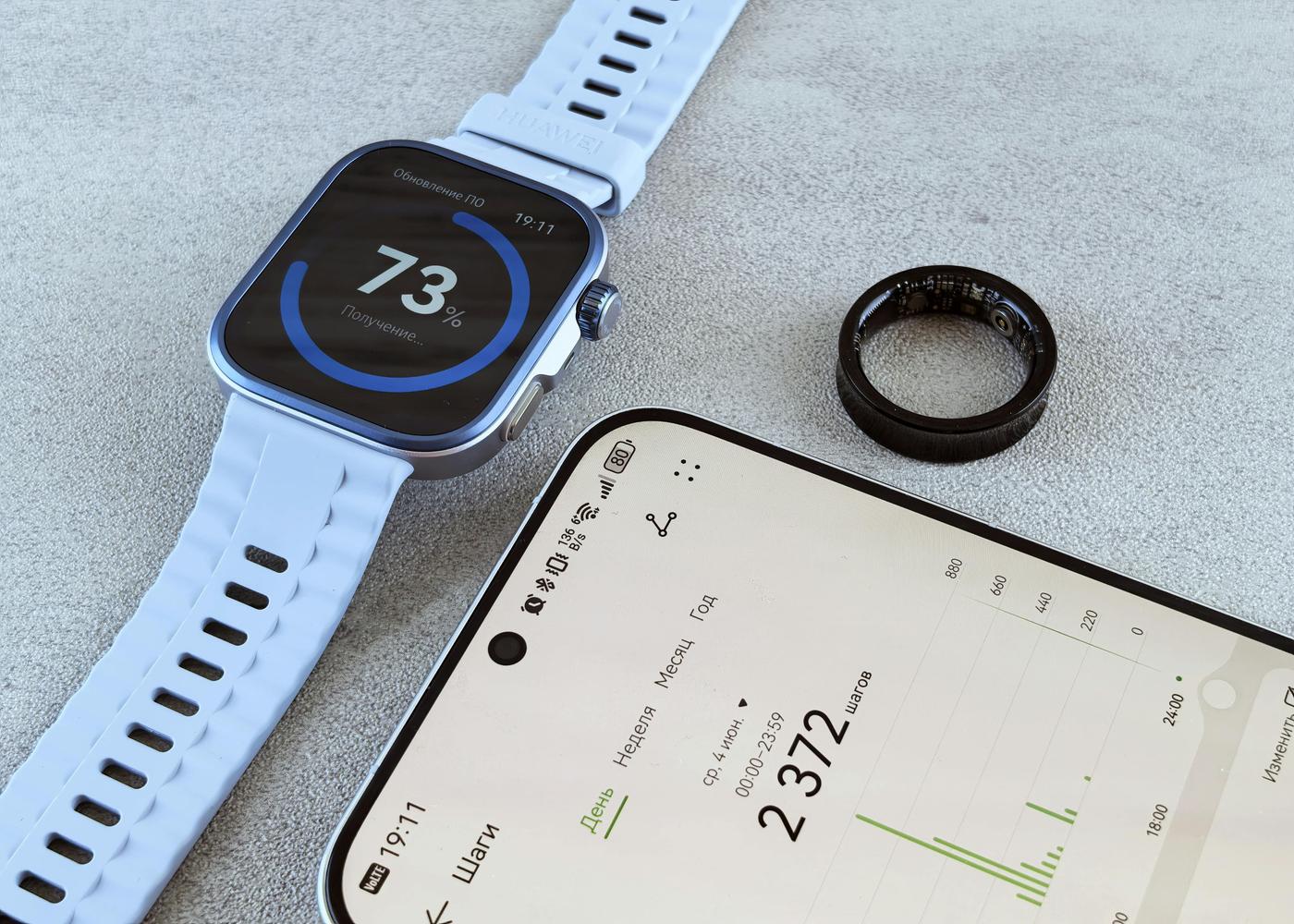
Wearable technology allows users to monitor exactly how a compound alters their biology. Devices like the Apple Watch track crucial metrics including resting heart rate, deep sleep duration, and rapid eye movement cycles.
Objective tracking identifies adverse reactions immediately. A user might discover that a specific botanical extract negatively impacts their overnight heart rate variability, or that high-dose melatonin causes severe sleep fragmentation in the early morning.
Relying on wearable data transforms supplementation from a blind guessing game into a safe, controlled biological trial.
The Risk of Psychological Dependency
Physical addiction to natural sleep supplements is incredibly rare. However, psychological dependency is a frequent and serious safety concern.
Users often convince themselves they cannot sleep without their specific supplement stack. This rigid belief generates severe sleep anxiety when the supplements are unavailable or left at home during travel.
Anxiety triggers an immediate release of cortisol. Elevated cortisol directly inhibits the biological transition into sleep, creating a self-fulfilling prophecy of insomnia.
To maintain safety and efficacy, users must cycle their sleep aids. Implementing routine breaks prevents psychological reliance and ensures the central nervous system retains its natural ability to initiate sleep without chemical intervention.
Recognizing Structural Medical Issues
Over-the-counter supplements are designed to optimize functional biology. They cannot cure structural or severe medical disorders.
Relying on natural aids to mask severe, chronic exhaustion is inherently dangerous. It delays proper medical diagnosis and places unnecessary strain on the cardiovascular system.
Conditions like sleep apnea involve the physical collapse of the airway. No dosage of magnesium, melatonin, or psychobiotics will correct an anatomical oxygen obstruction.
If rigorous sleep hygiene and targeted supplementation fail to resolve chronic insomnia or daytime fatigue, the safest action is discontinuing the supplements entirely. Consulting a medical professional for a clinical sleep study is the only responsible course of action.
Final Thoughts: Are Sleep Supplements Safe?
Sleep supplements are broadly safe when treated with respect and scientific understanding. Foundational compounds like magnesium, L-theanine, and targeted psychobiotics offer excellent safety profiles for sustained, long-term use.
Hormones like melatonin carry higher risks for long-term circadian disruption and must be dosed conservatively.
Maximum safety requires sourcing independent third-party tested brands, tracking biological metrics meticulously, and understanding the distinct mechanism of every ingested compound.
Article FAQ
Is it safe to take sleep supplements every night?
While natural compounds like magnesium and L-theanine possess excellent safety profiles for daily use, hormone-based aids like melatonin require caution. Chronic consumption of exogenous hormones can potentially disrupt your natural endocrine function. Cycling your supplements is the safest approach to maintain biological balance.
What is the safest dose of melatonin?
Commercial melatonin products frequently contain excessively high doses ranging from five to ten milligrams. Clinical research indicates that a physiological micro-dose between 0.3 and 1 milligram is significantly safer. This lower dosage effectively mimics natural biological rhythms without overloading your neurological receptors.
Which form of magnesium is best for sleep?
Magnesium glycinate and magnesium threonate are the most effective and safest options for sleep optimization. They are highly bioavailable and efficiently cross the blood-brain barrier to relax the central nervous system. Magnesium oxide should be avoided because it is poorly absorbed and commonly causes gastrointestinal distress.
Can probiotics improve sleep quality?
Yes. Optimizing the gut microbiome is a highly safe and effective method for indirectly improving sleep architecture. The digestive tract produces the majority of the body's serotonin, which is a necessary precursor for melatonin. Utilizing targeted psychobiotics helps lower systemic inflammation and balances the neurotransmitters required for deep rest.
How do I know if my sleep supplement is working?
The safest and most reliable method to verify efficacy is through objective biological tracking. Wearable technology, like an Apple Watch or a dedicated sleep ring, allows you to monitor vital metrics such as deep sleep duration and overnight heart rate variability. This objective data prevents blind guessing and highlights any negative physiological reactions immediately.
Can you become addicted to natural sleep aids?
Physical addiction to natural sleep compounds is exceptionally rare. Psychological dependency, however, is a serious and common risk. Relying exclusively on supplements to initiate sleep can create intense anxiety when those aids are unavailable. Taking routine breaks from your protocol ensures your brain retains the ability to power down naturally.