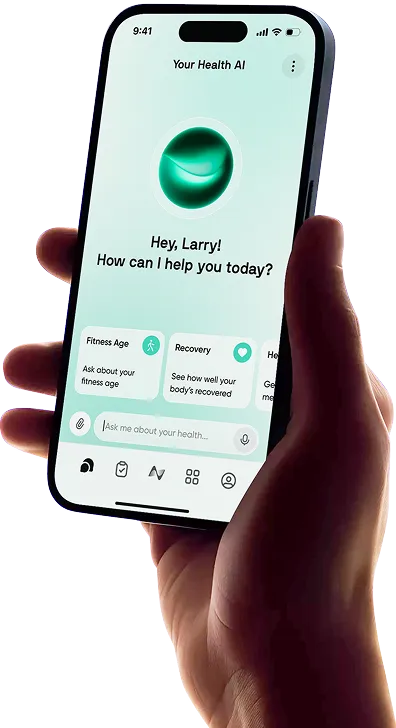
Get exclusive access and
enjoy a 7-day Neura iQ trial.

Get exclusive access and enjoy a 7-day
Neura iQ trial — free, personalized, and powerful.

Table of Contents

Share this Article

10+ Best Posture Exercises to Perform While at The Gym

February 16, 2026

February 16, 2026

Fitness

Fitness

Fitness

Fitness

15 minutes reading time

15 min read time

Young woman with her arms crossed while doctor guides her through posture correction exercies

Key Findings

Improving posture requires shifting from passive stretching to an active "Health Operating System" approach that prioritizes posterior chain strength. Key movements like Face Pulls and Deadlifts correct the modern "slump" by strengthening the upper back, core, and glutes. By using these gym-based exercises to build a resilient, balanced frame, you turn fragmented workouts into a cohesive system for long-term physical performance and spinal health.
Maintaining optimal alignment is more than just standing tall for a photo; it is the fundamental base upon which all physical performance is built. In the modern era of sedentary work, our bodies often default to a rounded, compressed state. 

When we bring that compromised alignment into a high-intensity environment, we risk injury and diminished returns. By integrating specific posture exercises into your routine, you can reverse these patterns and unlock greater strength and mobility.

Why Does Posture Matter At The Gym?

Man at gym staring at mirror

Posture is the structural integrity of your kinetic chain. At the gym, your posture dictates the efficiency of every lift. 

If your shoulders are internally rotated or your pelvis is tilted excessively, you cannot effectively transfer power through your limbs. This leads to "energy leaks," where the force intended for the barbell is instead dissipated into joints and connective tissues not designed to bear that load.

Furthermore, poor alignment during exercise reinforces negative neurological patterns. Our bodies adapt to the stimulus we provide. If you train with a rounded back, your nervous system accepts that as your "strong" position. 

Utilizing exercises for improving posture ensures that you are reinforcing a baseline of health and stability that carries over into your daily life.


Best Gym-Based Exercises For Improving Posture
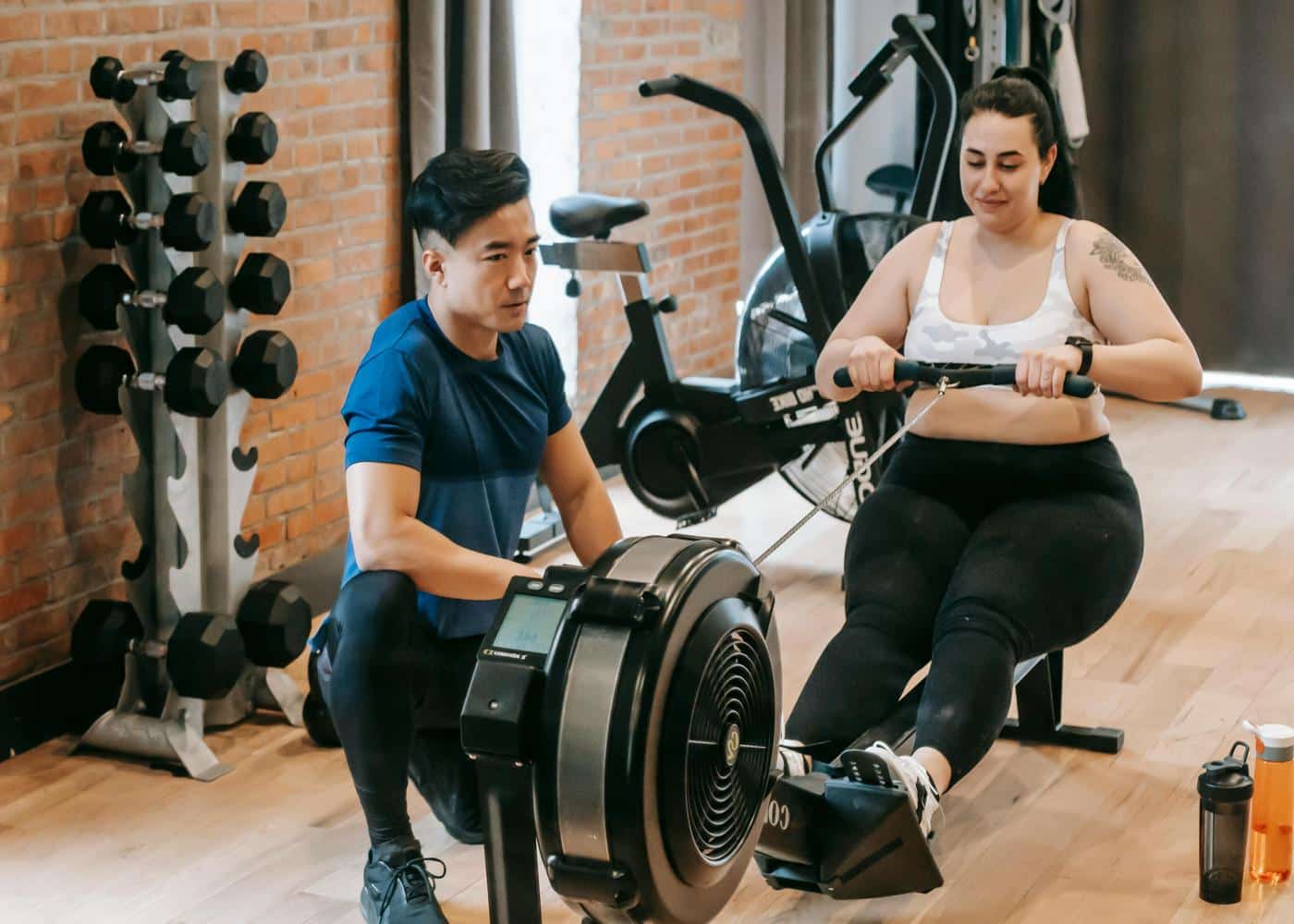
Woman on cable row machine with her trainer

The following movements leverage standard gym equipment to target the specific posterior chain and core stabilizers required for an upright, confident frame.


1. Face Pulls

Face pulls are widely considered a gold standard for correcting the "hunched" look caused by excessive phone and computer use. They target the rear deltoids, rhomboids, and external rotators of the shoulder.

How-To: 

Set a cable machine to upper-chest height with a rope attachment. 

Grasp the ends of the rope with an overhand grip. 

Step back to create tension. 

Pull the rope towards your forehead while simultaneously pulling the ends apart. 

Focus on pinching your shoulder blades together at the peak of the movement. 

Slowly return to the starting position, maintaining tension throughout.

Best For: Correcting internal shoulder rotation and strengthening the upper back.


2. Barbell Deadlifts

While often viewed as a pure strength move, the deadlift is one of the most effective posture exercises gym goers can perform because it trains the entire posterior chain to work as a single unit.

How-To: 

Stand with feet hip-width apart, the barbell over the mid-foot. 

Hinge at the hips and grip the bar just outside your legs. 

Keep your spine neutral and chest up. 

Drive through your heels to stand, keeping the bar close to your body. 

Lock out at the top by squeezing your glutes, then reverse the movement under control.

Best For: Developing total-body structural integrity and spinal erector strength.


3. Seated Cable Rows

This exercise counters the forward-pulling tension of the chest muscles by strengthening the middle and lower trapezius.

How-To: 

Sit at a rowing station with feet on the platforms and knees slightly bent. 

Grasp the handle and sit upright with a neutral spine. 

Pull the handle toward your abdomen by driving your elbows back. 

Ensure you do not lean back excessively; the movement should come from the retraction of the shoulder blades. 

Extend your arms fully to return.

Best For: Reducing the "slumped" shoulder appearance.


4. Kettlebell Suitcase Carries

This is a functional "anti-lateral flexion" movement. It forces your core to stabilize your spine against an uneven load, mimicking real-world postural challenges.

How-To: 

Hold a heavy kettlebell in one hand like a suitcase. 

Stand tall with your shoulders level. 

Walk forward for 30 to 40 meters while resisting the urge to lean toward the weighted side.

Keep your core tight and gaze forward. 

Switch hands and repeat.

Best For: Strengthening the obliques and quadratus lumborum for lateral spinal stability.


5. Lat Pulldowns

Strong latissimus dorsi muscles help stabilize the mid-back and provide a wide base that supports the cervical spine.

How-To: 

Sit at the pulldown machine and grip the bar wider than shoulder-width. 

Pull the bar down to your upper chest by leading with your elbows. 

Focus on pulling your shoulder blades down and back rather than just using your arms.

 Release the bar slowly until your arms are fully extended.

Best For: Enhancing the "V-taper" and supporting lower back health.


6. Chest Supported Rows

By removing the need to stabilize the lower back, this exercise allows for maximum isolation of the muscles responsible for pulling the shoulders back.

How-To: 

Lie face down on an incline bench set to about 45 degrees. 

Hold a dumbbell in each arm, letting them hang straight down. 

Pull the dumbbells toward your hips, squeezing the shoulder blades together at the top.

Lower the weights with control.

Best For: Isolating the rhomboids without lower back fatigue.


7. Pull-Ups

Pull-ups are a masterclass in upper body alignment. They require significant core engagement and back strength to execute properly.

How-To: 

Grip the pull-up bar with hands slightly wider than shoulders. 

Hang with arms straight and core engaged. 

Pull your chest toward the bar by imagining you are pulling the bar down to you. 

Keep your neck long and avoid shrugging. 

Lower yourself slowly to the start.

Best For: Decompressing the spine and building a powerful posterior chain.


8. Romanian Deadlifts (RDLs)

Unlike the standard deadlift, the RDL focuses heavily on the eccentric (lowering) phase, which is vital for hamstring and lower back health.

How-To: 

Hold a barbell at hip height. 

With a slight bend in the knees, hinge at the hips to lower the bar along your thighs. 

Go only as far as your flexibility allows while keeping a flat back. 

Squeeze your glutes to return to a standing position.

Best For: Correcting anterior pelvic tilt.


9. Goblet Squats

The front-loaded nature of the goblet squat naturally forces the torso into an upright position, making it one of the better exercises for improving posture for those who tend to lean too far forward during movements.

How-To: 

Hold a dumbbell or kettlebell against your chest with both hands. 

Stand with feet shoulder-width apart. 

Squat down by sitting your hips back, keeping your elbows inside your knees. 

Ensure your chest stays up and your back remains flat. 

Drive back up to the start.

Best For: Improving thoracic extension and hip mobility.


10. Cable Pull-Throughs

This movement teaches the "hinge" pattern, which is essential for protecting the lower back during daily activities.

How-To: 

Stand facing away from a low cable pulley with a rope attachment between your legs. 

Hinge forward at the hips, reaching through your legs to grab the rope. 

Stand up by driving your hips forward and squeezing your glutes. 

Keep your arms straight throughout.

Best For: Training the glutes to support the pelvis.


11. Dumbbell Pullovers

This often-overlooked move helps to open up the chest and improve mobility in the thoracic spine and shoulders.

How-To: 

Lie on a flat bench with only your upper back supported. 

Hold a single dumbbell over your chest with both hands. 

Slowly lower the weight behind your head while keeping a slight bend in the elbows. 

Feel the stretch in your lats and chest, then pull the weight back to the starting position.

Best For: Increasing thoracic mobility and expanding the ribcage.

More Considerations for Promoting Healthy Posture
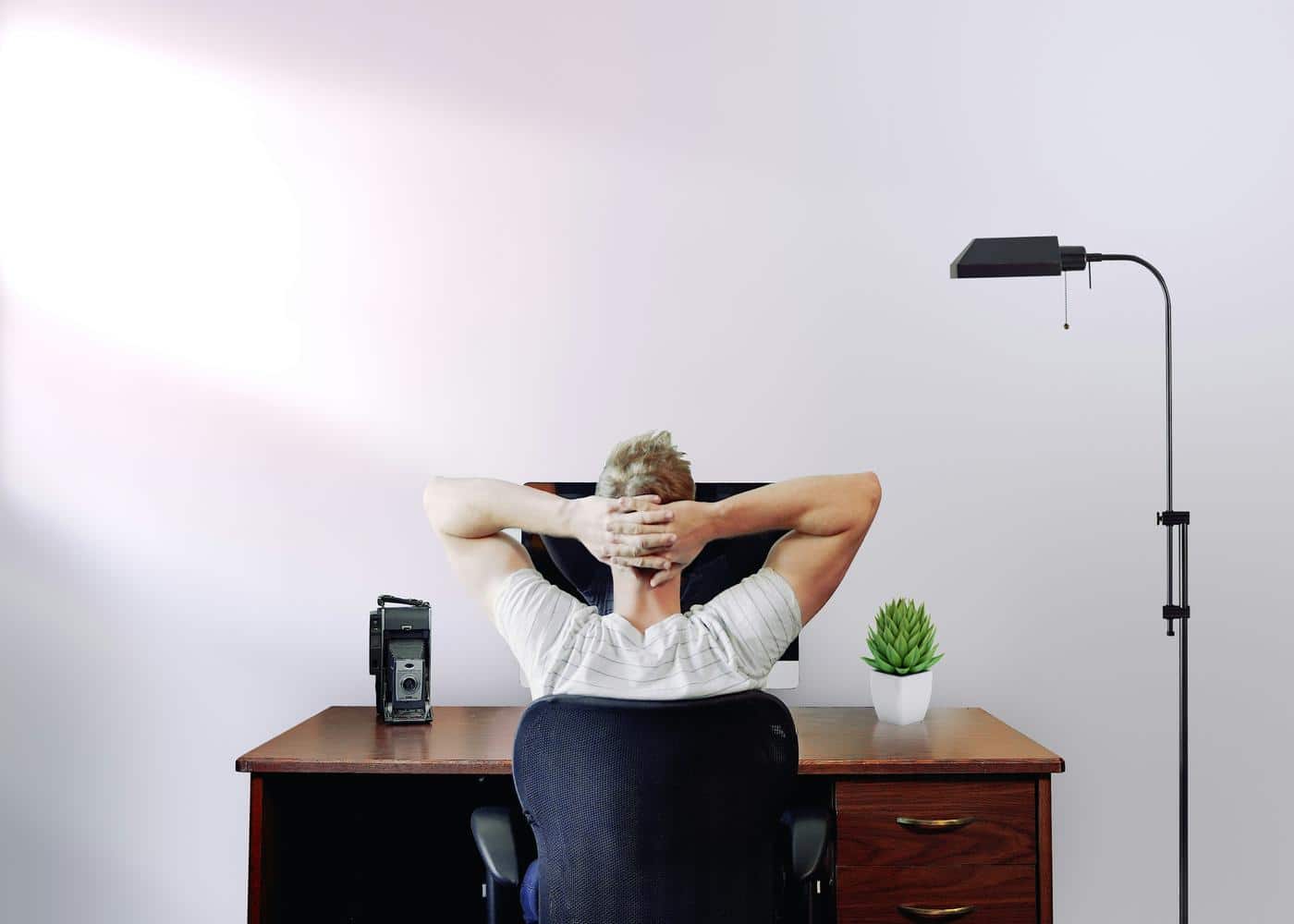
Man sitting on desk doing posture exercies by holding the back of his head with elbows stretched out

While gym-based movements are vital, posture is a 24-hour commitment. Foundational wellbeing involves tracking all core pillars, including daily lifestyle habits and consistent activity levels.

One significant factor is proprioception, or your body’s ability to sense its position in space. It is important to monitor trends in your activity volume and intensity to ensure you aren't overtraining specific muscle groups at the expense of others. 

For example, if your "Push" volume significantly outweighs your "Pull" volume, you are likely creating a muscular imbalance that will lead to rounded shoulders over time.

Additionally, consider the role of recovery. Monitoring metrics such as Heart Rate Variability (HRV) and sleep quality can provide insights into your physical readiness. 

If your recovery scores are low, your central nervous system may struggle to maintain the muscle tone required for good posture, leading to a "collapsed" frame during the day. 

Utilizing exercises for better posture is only half the battle; ensuring your body has the resources to maintain that alignment through proper rest and recovery is the other.

Final Thoughts: Posture Correction Exercises

Correcting your alignment is a marathon, not a sprint. Integrating posture correction exercises into your regular gym routine will yield benefits that far exceed mere aesthetics. 

You will find that your main lifts become more stable, your breathing becomes deeper, and your risk of chronic pain decreases significantly.
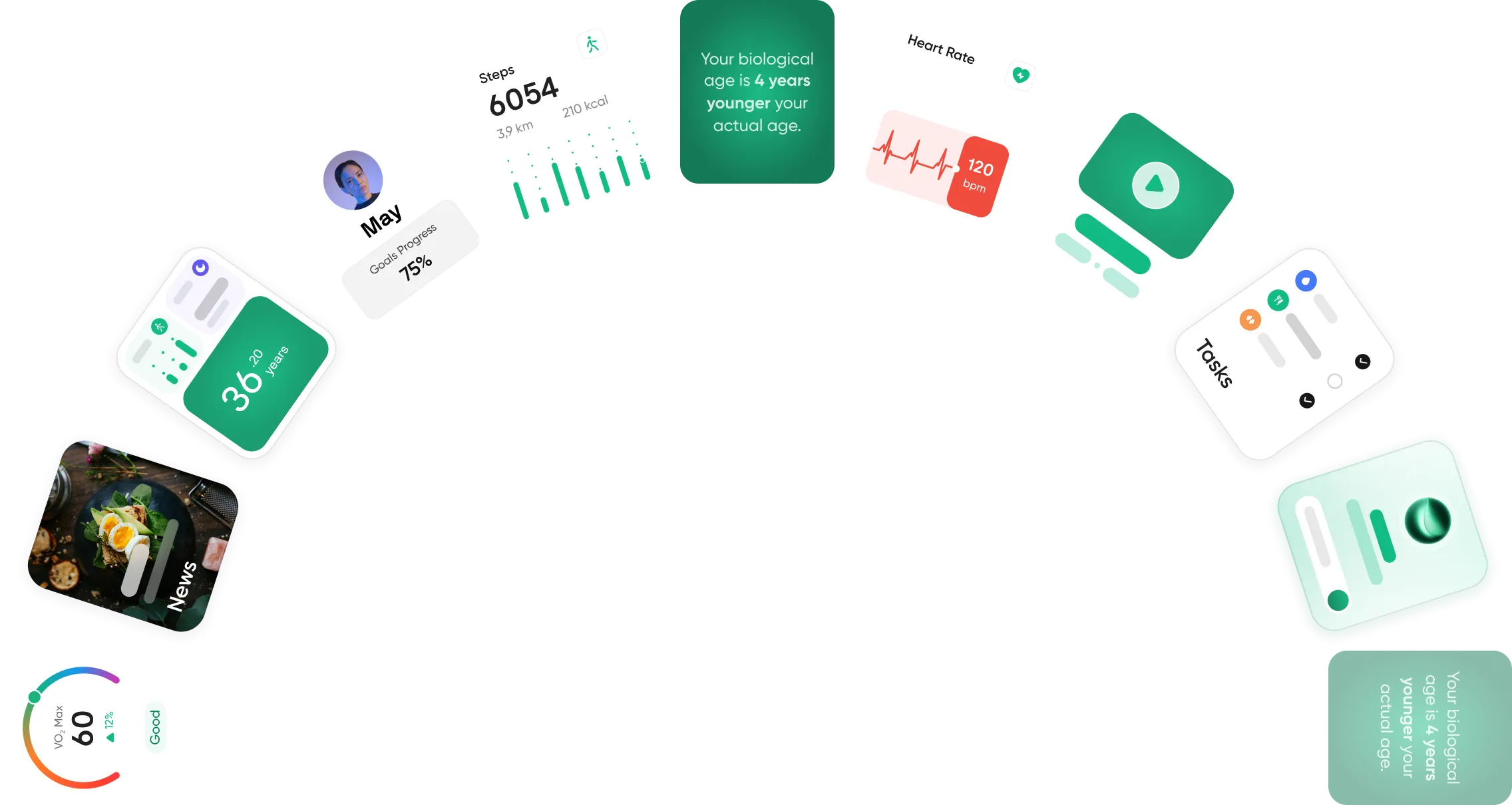
Neura Health defines this holistic approach as a "Health Operating System," where data from your daily habits and gym performance intersect to guide your journey. Whether you are a beginner or an advanced athlete, the goal remains the same: a body that moves with efficiency and grace.

By backing your physical efforts with consistent lifestyle tracking, you are not just exercising; you are optimizing your biology for the long term.

Article FAQ

What are the best exercises to improve posture?

The best exercises for improving posture include Face Pulls, Seated Cable Rows, and Deadlifts. These movements strengthen the posterior chain and scapular retractors, while thoracic drills like Dumbbell Pullovers help open the chest to prevent rounded shoulders.

Do back exercises improve posture?

Yes. Most postural issues result from weak back muscles and overactive chest muscles. Performing posture exercises that target the rhomboids and traps creates the structural tension needed to hold your shoulders back naturally without conscious effort.

Are exercise balls good for posture?

Exercise balls engage "micro-stabilizers" in your trunk by providing an unstable surface. While not a standalone fix, using them for seated movements improves proprioception, your body's internal sense of alignment, which is a core pillar of a functional Health Operating System.

Do core exercises improve posture?

Core strength is the foundation of spinal alignment. Functional exercises for better posture, like Suitcase Carries or Planks, stabilize the pelvis and prevent anterior pelvic tilt, ensuring your spine remains neutral under the heavy loads of a gym workout.

How long does it take to see results from posture correction exercises?

While you may feel an immediate "opening" after one session, lasting structural changes typically take six to twelve weeks. This timeframe allows your nervous system to rewire its default positioning and adapt to the new strength requirements.

Can I fix my posture just by stretching?

Stretching is only half the battle. While it loosens tight chest muscles, you must also strengthen the opposing back muscles to maintain that new range of motion. A balanced mix of mobility and resistance training is the most effective approach.

Read More

Read More

Read More

Read More

Enter your email for free
early access + 7-day Neura iQ trial

Limited beta spots!

Enter your email for free
early access + 7-day Neura iQ trial

Limited beta spots!

Enter your email for free
early access + 7-day Neura iQ trial

Limited beta spots!

Enter your email for free
early access + 7-day Neura iQ trial

Limited beta spots!

Got Questions? We've Got Answers

What exactly is Neura app?

Neura is a holistic AI health assistant that acts as your personal wellness coach. It combines your wearable data, lifestyle habits, and health metrics to deliver personalized plans, daily micro-tasks, mini-podcasts, and actionable insights to improve sleep, fitness, recovery, and longevity.

How does Neura work?

1. Answer a quick onboarding quiz (1–2 min). 2. Set your goals (e.g., better sleep, running a 5K). 3. Connect your wearables or apps for real-time health data. 4. Receive a daily, AI-personalized plan and mini-podcasts. 5. Track progress on your dashboard while Neura optimizes automatically.

Do I need a wearable or fitness tracker to use Neura?

No. You can start with just your phone and basic input. Wearables like Apple Watch, Garmin, Oura, or Fitbit unlock deeper, real-time insights and premium metrics, but they are optional.

Is my data safe and private?

Absolutely. Neura uses end-to-end encryption, is GDPR/HIPAA compliant, and gives you full control over data exports and deletion. Only anonymized data is processed for AI improvements.

What kind of results can I expect with Neura?

Most users report noticeable improvements in sleep quality, daily energy, and habit consistency within 2–3 weeks. Real-time insights help you save hours each week by replacing endless self-tracking and guesswork with an AI-driven health plan.

What devices and apps can Neura connect to?

Neura integrates with 90+ apps and devices like Apple Health, Google Fit, Garmin, Oura, Fitbit, Polar, Suunto, Peloton, Zwift, Withings, Eight Sleep, and more. You can also upload lab results for advanced analysis.

What’s included in the free plan?

The free Neura Plan comes with all the basic features you need to kickstart your holistic health and fitness journey. Those include our core AI chat (single-chat memory), a standard health plan with one active goal, up to 5 customizable Health Hub widgets, and daily auto-sync with limited integrations. Upgrade to Neura iQ for unlimited AI chat with persistent multi-session memory, multiple simultaneous Health Plans, and real-time data sync from 100+ integrations with 360° Health Sync, alongside all other premium features.

How is Neura different from other health apps or trackers?

Neura isn’t just a tracker – it’s a smart health operating system. It pulls together your data, analyzes it in real time, and gives you proactive, science-backed recommendations tailored to your lifestyle, without the hassle of manual research or multiple apps.

Can I cancel if I am not satisfied?

Yes. Neura Free is free forever, and Neura iQ comes with a 7-day free trial. After upgrading, you can cancel anytime. If you’re not satisfied within 30 days, we offer a full refund—no questions asked.

How do I get started with Neura?

Simply sign up with your email to claim free early access. You can start in less than 2 minutes, connect your wearables later, and immediately receive your personalized plan and first mini-podcast.

Got Questions? We've Got Answers

What exactly is Neura app?

Neura is a holistic AI health assistant that acts as your personal wellness coach. It combines your wearable data, lifestyle habits, and health metrics to deliver personalized plans, daily micro-tasks, mini-podcasts, and actionable insights to improve sleep, fitness, recovery, and longevity.

How does Neura work?

1. Answer a quick onboarding quiz (1–2 min). 2. Set your goals (e.g., better sleep, running a 5K). 3. Connect your wearables or apps for real-time health data. 4. Receive a daily, AI-personalized plan and mini-podcasts. 5. Track progress on your dashboard while Neura optimizes automatically.

Do I need a wearable or fitness tracker to use Neura?

No. You can start with just your phone and basic input. Wearables like Apple Watch, Garmin, Oura, or Fitbit unlock deeper, real-time insights and premium metrics, but they are optional.

Is my data safe and private?

Absolutely. Neura uses end-to-end encryption, is GDPR/HIPAA compliant, and gives you full control over data exports and deletion. Only anonymized data is processed for AI improvements.

What kind of results can I expect with Neura?

Most users report noticeable improvements in sleep quality, daily energy, and habit consistency within 2–3 weeks. Real-time insights help you save hours each week by replacing endless self-tracking and guesswork with an AI-driven health plan.

What devices and apps can Neura connect to?

Neura integrates with 90+ apps and devices like Apple Health, Google Fit, Garmin, Oura, Fitbit, Polar, Suunto, Peloton, Zwift, Withings, Eight Sleep, and more. You can also upload lab results for advanced analysis.

What’s included in the free plan?

The free Neura Plan comes with all the basic features you need to kickstart your holistic health and fitness journey. Those include our core AI chat (single-chat memory), a standard health plan with one active goal, up to 5 customizable Health Hub widgets, and daily auto-sync with limited integrations. Upgrade to Neura iQ for unlimited AI chat with persistent multi-session memory, multiple simultaneous Health Plans, and real-time data sync from 100+ integrations with 360° Health Sync, alongside all other premium features.

How is Neura different from other health apps or trackers?

Neura isn’t just a tracker – it’s a smart health operating system. It pulls together your data, analyzes it in real time, and gives you proactive, science-backed recommendations tailored to your lifestyle, without the hassle of manual research or multiple apps.

Can I cancel if I am not satisfied?

Yes. Neura Free is free forever, and Neura iQ comes with a 7-day free trial. After upgrading, you can cancel anytime. If you’re not satisfied within 30 days, we offer a full refund—no questions asked.

How do I get started with Neura?

Simply sign up with your email to claim free early access. You can start in less than 2 minutes, connect your wearables later, and immediately receive your personalized plan and first mini-podcast.

Got Questions? We've Got Answers

What exactly is Neura app?

Neura is a holistic AI health assistant that acts as your personal wellness coach. It combines your wearable data, lifestyle habits, and health metrics to deliver personalized plans, daily micro-tasks, mini-podcasts, and actionable insights to improve sleep, fitness, recovery, and longevity.

How does Neura work?

1. Answer a quick onboarding quiz (1–2 min). 2. Set your goals (e.g., better sleep, running a 5K). 3. Connect your wearables or apps for real-time health data. 4. Receive a daily, AI-personalized plan and mini-podcasts. 5. Track progress on your dashboard while Neura optimizes automatically.

Do I need a wearable or fitness tracker to use Neura?

No. You can start with just your phone and basic input. Wearables like Apple Watch, Garmin, Oura, or Fitbit unlock deeper, real-time insights and premium metrics, but they are optional.

Is my data safe and private?

Absolutely. Neura uses end-to-end encryption, is GDPR/HIPAA compliant, and gives you full control over data exports and deletion. Only anonymized data is processed for AI improvements.

What kind of results can I expect with Neura?

Most users report noticeable improvements in sleep quality, daily energy, and habit consistency within 2–3 weeks. Real-time insights help you save hours each week by replacing endless self-tracking and guesswork with an AI-driven health plan.

What devices and apps can Neura connect to?

Neura integrates with 90+ apps and devices like Apple Health, Google Fit, Garmin, Oura, Fitbit, Polar, Suunto, Peloton, Zwift, Withings, Eight Sleep, and more. You can also upload lab results for advanced analysis.

What’s included in the free plan?

The free Neura Plan comes with all the basic features you need to kickstart your holistic health and fitness journey. Those include our core AI chat (single-chat memory), a standard health plan with one active goal, up to 5 customizable Health Hub widgets, and daily auto-sync with limited integrations. Upgrade to Neura iQ for unlimited AI chat with persistent multi-session memory, multiple simultaneous Health Plans, and real-time data sync from 100+ integrations with 360° Health Sync, alongside all other premium features.

How is Neura different from other health apps or trackers?

Neura isn’t just a tracker – it’s a smart health operating system. It pulls together your data, analyzes it in real time, and gives you proactive, science-backed recommendations tailored to your lifestyle, without the hassle of manual research or multiple apps.

Can I cancel if I am not satisfied?

Yes. Neura Free is free forever, and Neura iQ comes with a 7-day free trial. After upgrading, you can cancel anytime. If you’re not satisfied within 30 days, we offer a full refund—no questions asked.

How do I get started with Neura?

Simply sign up with your email to claim free early access. You can start in less than 2 minutes, connect your wearables later, and immediately receive your personalized plan and first mini-podcast.

Got Questions? We've Got Answers

What exactly is Neura app?

Neura is a holistic AI health assistant that acts as your personal wellness coach. It combines your wearable data, lifestyle habits, and health metrics to deliver personalized plans, daily micro-tasks, mini-podcasts, and actionable insights to improve sleep, fitness, recovery, and longevity.

How does Neura work?

1. Answer a quick onboarding quiz (1–2 min). 2. Set your goals (e.g., better sleep, running a 5K). 3. Connect your wearables or apps for real-time health data. 4. Receive a daily, AI-personalized plan and mini-podcasts. 5. Track progress on your dashboard while Neura optimizes automatically.

Do I need a wearable or fitness tracker to use Neura?

No. You can start with just your phone and basic input. Wearables like Apple Watch, Garmin, Oura, or Fitbit unlock deeper, real-time insights and premium metrics, but they are optional.

Is my data safe and private?

Absolutely. Neura uses end-to-end encryption, is GDPR/HIPAA compliant, and gives you full control over data exports and deletion. Only anonymized data is processed for AI improvements.

What kind of results can I expect with Neura?

Most users report noticeable improvements in sleep quality, daily energy, and habit consistency within 2–3 weeks. Real-time insights help you save hours each week by replacing endless self-tracking and guesswork with an AI-driven health plan.

What devices and apps can Neura connect to?

Neura integrates with 90+ apps and devices like Apple Health, Google Fit, Garmin, Oura, Fitbit, Polar, Suunto, Peloton, Zwift, Withings, Eight Sleep, and more. You can also upload lab results for advanced analysis.

What’s included in the free plan?

The free Neura Plan comes with all the basic features you need to kickstart your holistic health and fitness journey. Those include our core AI chat (single-chat memory), a standard health plan with one active goal, up to 5 customizable Health Hub widgets, and daily auto-sync with limited integrations. Upgrade to Neura iQ for unlimited AI chat with persistent multi-session memory, multiple simultaneous Health Plans, and real-time data sync from 100+ integrations with 360° Health Sync, alongside all other premium features.

How is Neura different from other health apps or trackers?

Neura isn’t just a tracker – it’s a smart health operating system. It pulls together your data, analyzes it in real time, and gives you proactive, science-backed recommendations tailored to your lifestyle, without the hassle of manual research or multiple apps.

Can I cancel if I am not satisfied?

Yes. Neura Free is free forever, and Neura iQ comes with a 7-day free trial. After upgrading, you can cancel anytime. If you’re not satisfied within 30 days, we offer a full refund—no questions asked.

How do I get started with Neura?

Simply sign up with your email to claim free early access. You can start in less than 2 minutes, connect your wearables later, and immediately receive your personalized plan and first mini-podcast.