
8-Week Sleep Consistency Plan Using a Sleep Tracker
Sleep

Key Findings
To improve sleep consistency, choose a realistic wake-up window, protect enough time for sleep and build repeatable morning and evening habits. This eight-week plan uses a sleep tracker and a brief diary to help you make one manageable change each week. Follow estimated sleep timing and duration alongside morning refreshment and daytime sleepiness. Success means a sustainable schedule, sufficient sleep and better daytime functioning. A higher device score is optional, and persistent sleep problems need professional assessment.
Your sleep tracker can tell you that bedtime keeps drifting or that Tuesday looked worse than Monday. It may be less helpful when you ask what to change tonight.
This plan bridges that gap. Over eight weeks, you will establish a baseline, make room for adequate sleep and practice habits that fit your actual commitments. You will review progress weekly, rather than rebuilding your routine after every disappointing score.
The plan is primarily for adults with reasonably predictable daytime schedules. Rotating shift workers, people with highly disrupted caregiving schedules and anyone with a suspected sleep disorder need a more individualized approach.
You do not need a new device. A tracker you already use, a short diary and some practical sleep-hygiene habits are enough to get started.
Before You Start: Set Up Your Sleep Tracker and Goals

Decide what you want to learn before opening another dashboard. The aim is to understand when you sleep, whether you allow enough time and how you function the next day.
What Sleep Consistency Actually Means
Sleep consistency describes how much your sleep timing varies from day to day. It is related to, but different from, duration and quality.
Measure | What It Means | Question to Ask |
Consistency | Variation in sleep and wake times | Is my timing reasonably steady? |
Duration | How much sleep I get | Am I getting enough sleep? |
Quality | How uninterrupted and refreshing sleep feels | Do I feel rested and function well? |
In the sleep consistency vs duration debate, both matter. Sleeping from 1 a.m. to 6 a.m. every night is consistent, but generally insufficient. The CDC's age-based recommendations advise at least seven hours for adults aged 18–60, seven to nine hours for ages 61–64 and seven to eight hours for adults 65 and older. Individual needs vary.
Regularity also deserves attention in its own right. A National Sleep Foundation consensus statement identifies consistent sleep and wake timing as important for health, safety and performance. That does not make identical bedtimes a requirement for good health.
Which Sleep Metrics Should You Track?
Keep four measures in view:
Estimated sleep-onset time: When your tracker thinks you fell asleep.
Final wake-up time: When your main sleep period ended.
Estimated total sleep duration: Time asleep, rather than simply time in bed.
Your own assessment: Morning refreshment and sleepiness during the day.
Bedtime is when you get into bed; sleep onset comes later. If you get into bed at 10:30 p.m. but remain awake until midnight, recording only bedtime hides part of the picture.
Treat sleep stages, HRV and overall scores as optional context. If you use an Apple Watch, our guide to interpreting Apple Watch sleep data explains the terminology. Consumer estimates can support a conversation, but the American Academy of Sleep Medicine cautions against substituting them for medical evaluation.
Set Up a Simple Sleep Diary
Use the same tracker throughout the plan, follow its overnight-wear instructions and charge it at a convenient daytime point. Mark missing or obviously incorrect readings instead of guessing replacements.
Each morning, rate how refreshed you feel before opening the sleep app. Add a brief daytime sleepiness note later. Your diary can use this format, inspired by the NHLBI sleep diary:
Record | Example Entry |
Bedtime / estimated sleep onset / final waking | 10:45 p.m. / 11:10 p.m. / 7 a.m. |
Tracker's total sleep estimate | 7 hours 25 minutes |
Morning refreshment | 3/5: reasonably rested |
Daytime sleepiness | Sleepy after lunch; no unintended dozing |
Possible influences | Coffee at 3 p.m.; no alcohol; 20-minute nap |
The numbers above are illustrative. Use the same personal rating scale each day; it is a comparison aid, not a diagnostic test. A notebook, spreadsheet or custom health dashboard can hold the record.


Your Complete 8-Week Sleep Consistency Plan

Each week adds one focus while retaining the habits that already help. Repeat a week when useful. Eight weeks gives the process structure, but it is not a deadline or a promise that sleep difficulties will resolve.
8-Week Plan at a Glance
Use this overview to see where you are heading, then follow the practical instructions for your current week.
Week | Primary Goal | Main Action | Weekly Check |
1 | Establish your baseline | Observe your existing routine | Timing and duration |
2 | Stabilize wake time | Choose a realistic wake-up window | Wake-time variation |
3 | Protect enough sleep time | Build an appropriate evening schedule | Duration and daytime energy |
4 | Strengthen daily timing cues | Add daylight and dimmer evenings | Timing and morning alertness |
5 | Make evenings predictable | Repeat a simple wind-down routine | Routine adherence |
6 | Address one disruption | Adjust one relevant habit | Patterns across several nights |
7 | Handle interruptions | Plan for weekends and late nights | Weekday–weekend differences |
8 | Build your maintenance routine | Retain useful habits | Progress against Week 1 |
Week 1: Understand Your Current Sleep Pattern
Spend seven days observing your routine without trying to optimize every measurement. Keep your normal commitments, but do not preserve an obviously unhealthy habit just to obtain a baseline.
Each day, complete your diary and note what influenced timing. Was bedtime delayed by work, scrolling, a late journey home or simply not feeling sleepy? Distinguish nights when you lacked time for sleep from nights when you had time but struggled to sleep.
At the end of the week, write down your earliest and latest sleep-onset and wake times, usual duration, and any weekday–weekend difference. If only a few nights were recorded reliably, collect more information before drawing conclusions.
Weekly checkpoint: Identify one practical barrier, such as “I finish work too late to begin winding down.”
Week 2: Establish a Consistent Wake-Up Time
Choose a wake-up time that fits your commitments and leaves room for enough sleep. Start near your existing routine rather than choosing an aspirational early alarm.
A roughly 30-minute window can be a useful planning example. For a 7 a.m. target, that could mean waking between 6:45 and 7:15 a.m. This is a flexible organizational tool, not a medical threshold.
Set an alarm if needed and prepare breakfast, clothes or bags the previous evening so mornings feel less rushed. Record how often the window works and why it sometimes does not.
Do not abruptly move waking earlier while leaving bedtime unchanged. If the change makes you sleepier, reassess your sleep opportunity before tightening the schedule.
Weekly checkpoint: Are wake times becoming steadier without increasing daytime sleepiness?
Week 3: Build a Realistic Bedtime Window
Work backward from your wake-up target to protect sufficient sleep opportunity, including time to settle down and ordinary nighttime waking.
For example, someone waking at 7 a.m. who usually needs about eight hours of sleep might start winding down around 9:45–10 p.m. and aim to be ready for bed around 10:30 p.m. That allows eight and a half hours in bed; it does not guarantee that much sleep.
Move evening tasks out of this window where possible. If your schedule needs a substantial shift, our guide to resetting your sleep schedule provides additional context.
Go to bed when sleepy rather than forcing yourself to lie awake to meet a target. Do not cut time in bed to improve a tracker statistic. Clinical sleep-restriction therapy is not part of this plan.
Weekly checkpoint: Does your schedule allow enough sleep, or does it merely look consistent?
Week 4: Use Light to Support Your Routine
Light helps synchronize the body clock. CDC guidance on light and circadian rhythms explains why daytime light and darker nights matter for alertness and sleep timing.
Build ordinary daylight into your morning when practical: eat breakfast outside, walk part of your commute or step outdoors after waking. If you wake before sunrise, look for a later morning opportunity.
In the evening, reduce bright room lighting and stimulating screen use as bedtime approaches. Changing the whole environment is more useful than treating one phone setting as the solution.
This week concerns everyday habits, not prescribed bright-light therapy. Our explanation of what controls circadian rhythm explores the underlying timing system.
Weekly checkpoint: Are morning alertness and your usual evening routine becoming easier to manage?
Week 5: Create a Repeatable Wind-Down Routine
A consistent sleep routine needs to fit ordinary evenings, including busy ones. Choose a short sequence during the final 30–60 minutes before bed:
Close demanding tasks: Write down tomorrow's first priority and finish work for the evening.
Prepare essentials: Put out clothes, pack a bag or organize breakfast.
Lower stimulation: Dim the lights and step away from stressful messages or absorbing content.
Choose something quiet: Read, breathe comfortably or listen to familiar, calming audio.
If audio suits you, our selection of sleep podcasts offers options. Decide what to play earlier so browsing does not become another late-night activity.
Keep a shorter version for difficult evenings. The routine should help you disengage, rather than become a checklist you worry about completing perfectly.
Weekly checkpoint: Which two or three steps feel useful enough to repeat?
Week 6: Adjust One Habit That May Be Disrupting Sleep
Use your diary to choose one plausible disruption. Changing everything at once makes it harder to understand what is manageable or useful.
Diary Pattern | Change to Try This Week |
Late coffee followed by difficulty settling | Move caffeine earlier |
Evening alcohol and broken sleep | Reduce or avoid evening alcohol |
A heavy dinner close to bedtime | Move the main meal earlier where practical |
Long, late naps and delayed sleepiness | Try an earlier, shorter nap if needed |
These options reflect NHLBI guidance on healthy sleep habits. Caffeine can affect sleep for up to eight hours, although sensitivity varies.
Note the change and review several nights. A better night does not prove what caused it: stress, illness and ordinary variation can also affect sleep. Do not start supplements or change medication because of a tracker result.
Weekly checkpoint: Is there a recurring pattern worth continuing to observe?
Week 7: Keep Weekends and Setbacks Manageable
Look ahead at social events, travel and caregiving demands. Decide what is realistic before a late night happens.
Where feasible, keep weekday and weekend schedules within about an hour of each other. However, needed recovery sleep and safety take priority over a tidy graph. A rigid alarm after a severely shortened night is not the goal.
After an interruption, return toward your usual routine as circumstances allow. Keep the simplest helpful habits, such as preparing for the next morning and getting daylight. Record what happened without treating the night as a failure.
If weekends repeatedly become opportunities to recover from an exhausted working week, revisit Week 3. Your weekday schedule may need more sleep opportunity.
Weekly checkpoint: Can you return to your routine without abandoning the plan or sacrificing needed sleep?
Week 8: Review Progress and Build Your Long-Term Routine
Compare Week 1 and Week 8 using the same device and diary measures. Look for a useful overall direction, rather than a particular score increase.
Ask four questions:
Has the spread between my earliest and latest sleep and wake times narrowed?
Am I allowing enough time for sleep and usually getting enough?
Do I feel more refreshed, with less daytime sleepiness?
Which changes survived busy days without creating extra stress?
For example, reducing a two-hour spread in wake times to around 45 minutes may represent progress, provided sleep duration and daytime functioning have not worsened. These figures illustrate comparison, not a pass mark.
Weekly checkpoint: Keep two or three useful habits and identify one unresolved issue to address. Continue collecting context or seek help as appropriate.
How to Review Progress Without Obsessing Over Sleep Scores

Tracking is useful when it supports a decision. Give it a small, defined role so reviewing sleep does not become another demanding daily task.
Use Weekly Trends, Not Nightly Judgments
Set aside about ten minutes once a week. Review timing, duration and your diary, then choose at most one adjustment.
Note illness, travel, missing nights and device or software changes before interpreting a sudden improvement or decline. A week containing three valid recordings should not be treated as equivalent to seven complete nights.
Ask: “Is my routine becoming more sustainable, and am I functioning better during the day?” This keeps the review useful and reduces dashboard fatigue.
What If Your Tracker Says You Slept Badly but You Feel Fine?
Tracker estimates and your experience can disagree. One low score or unusual sleep-stage estimate should not determine your entire day. Record the mismatch and look at the broader pattern.
Researchers have described tracker-related perfectionism in sleep-clinic case reports on orthosomnia. This term describes preoccupation with achieving ideal sleep data; it should not become another label you diagnose yourself with.
If checking makes you anxious, hide scores, review less often or temporarily use only a diary. Our guide to sleep tracker anxiety explores this problem further. Persistent anxiety or sleep difficulties deserve support.
When a Sleep Plan Is Not Enough
Seek professional assessment for persistent difficulty sleeping, significant daytime sleepiness, frequent loud snoring, witnessed breathing pauses or waking while gasping. The NHLBI's sleep apnea guidance explains why breathing-related symptoms need attention. Do not wait until Week 8.
For chronic insomnia, cognitive behavioral therapy for insomnia, or CBT-I, is usually the first recommended treatment. This general habit-building plan is not a substitute for CBT-I.
Do not drive when sleepy. If sleepiness develops while driving, pull over somewhere safe; a reassuring tracker score does not establish that you are fit to drive. NHTSA's drowsy-driving guidance provides further safety advice.
Turn Your Sleep Data Into a Practical Routine With Neura
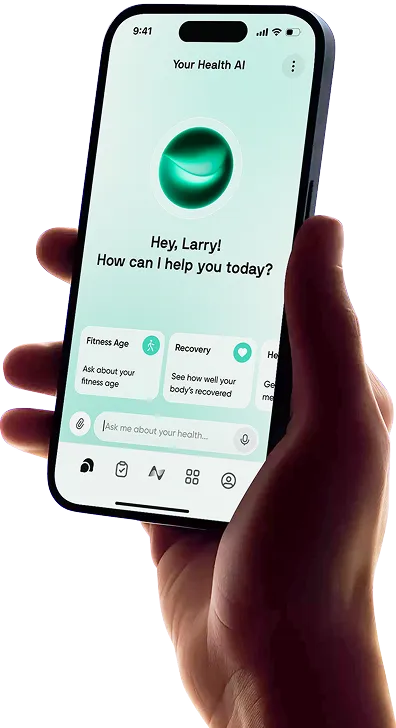
Neura Health helps bring supported health data, personal goals and lifestyle context together. For this plan, its useful role is supporting follow-through: organizing what you know and deciding which manageable action to take next.
Connect relevant information through Neura's supported integrations, then use a personalized Health Plan to organize your routine around your circumstances.
For example, your diary might show that late working hours repeatedly squeeze sleep opportunity. You could share that context with Neura's AI health coach and build an achievable evening sequence: finish essential work, prepare for tomorrow and leave time to unwind.
The next review asks whether that sequence was realistic and whether your sleep opportunity improved. Neura does not diagnose sleep disorders or guarantee better sleep; medical concerns still require appropriate professional care.
Final Thoughts: Building Sleep Consistency That Lasts
The tracker supplies feedback; the routine is what you practice. A useful plan helps you protect sleep time, keep daily timing reasonably steady and notice how you feel while awake.
At Neura, we believe health data should make everyday decisions easier. Keep the habits that fit your life, adapt those that do not and seek help when persistent symptoms need more than routine changes. Eight weeks offers a starting structure for sustainable sleep, not a deadline for perfection.
Article FAQ
What is sleep consistency?
Sleep consistency is how regularly you fall asleep and wake up at similar times. It differs from sleep duration, which describes how much you sleep. A useful routine combines reasonably steady timing with enough sleep and good daytime functioning; identical times every night are unnecessary.
Why is sleep consistency important for health?
Regular sleep timing helps keep your routine aligned with the body's daily rhythms. Research associates sleep regularity with health and performance, including alertness. However, consistency is only one part of healthy sleep. Duration, quality and untreated sleep disorders also matter, so regular timing cannot compensate for chronically insufficient sleep.
How can I improve my sleep consistency?
Start with a realistic wake-up window and protect enough time for sleep beforehand. Add morning daylight and a manageable evening routine, then use a diary to identify recurring disruptions. These habits to improve sleep consistency and energy work best as a sustainable routine, reviewed weekly and adjusted to your needs.
Is sleep consistency more important than sleep duration?
Neither should be used to justify neglecting the other. A regular five-hour night is generally insufficient, while a highly variable schedule can create its own difficulties. Aim for adequate sleep and reasonably steady timing together. If a rigid schedule increases sleepiness, reassess it rather than prioritizing a consistency score.
How long does it take to build a consistent sleep schedule?
There is no universal timeline. Your starting schedule, commitments and underlying sleep difficulties affect how quickly a routine becomes sustainable. This plan spreads changes across eight weeks so you can assess them gradually. Repeat weeks when useful, and seek help for persistent problems rather than waiting for the plan to finish.
Do I need a sleep tracker to follow this plan?
No. A diary can record bedtime, estimated sleep onset, waking and daytime sleepiness. A tracker adds convenient estimates, but it is not essential. If tracking makes you anxious, take a break from scores and use the diary. Persistent symptoms still need assessment even when device readings look reassuring.