
Ultrahuman Ring Review: Is this an Oura Killer?
Tech
Key Findings
The Ultrahuman Ring Air tracks sleep, recovery, and movement with no monthly subscription fees. It provides simple, actionable advice on caffeine and sunlight timing to help manage your energy. It is a solid, one-time investment for anyone who wants daily health insights without a recurring bill.
The fitness tracker market is shifting. People are tired of wearing bulky watches to bed. A watch gets caught on the sheets, the screen lights up in your face, and the battery needs frequent charging.
Smart rings step in to solve this problem. They offer a way to track your sleep, steps, and recovery without feeling like you have a computer strapped to your wrist.
For a long time, the Oura Ring was the only real option if you wanted a reliable smart ring. They set the standard.
Now, other companies are catching up and offering their own devices. One of those companies is Ultrahuman. They promise a lot, but do their ring deliver on those promises in daily life?
Let’s take a close look at the design, the features, and the actual utility of this wearable to determine if it really is an Oura killer.
What is Ultrahuman?
Before getting into the ring itself, you need to know who makes it.
Ultrahuman did not start by making rings. They started in the continuous glucose monitoring space. They built a platform designed to help people track their blood sugar in real time.
The goal was to show users how specific foods, stress, and exercise affect their metabolism day to day.
They built a strong reputation in the health community by doing this. Eventually, they realized that blood sugar is only one part of the puzzle. Sleep, movement, and stress play a massive role in your overall health.
To get that data, they needed a wearable device. That led to the development of their smart ring. They wanted to combine the metabolic data from their glucose monitors with the sleep and recovery data from a ring.
The approach is different from other companies that just want to count your steps. Ultrahuman wants to give you a full picture of your body.
Ultrahuman: Hands-on Review
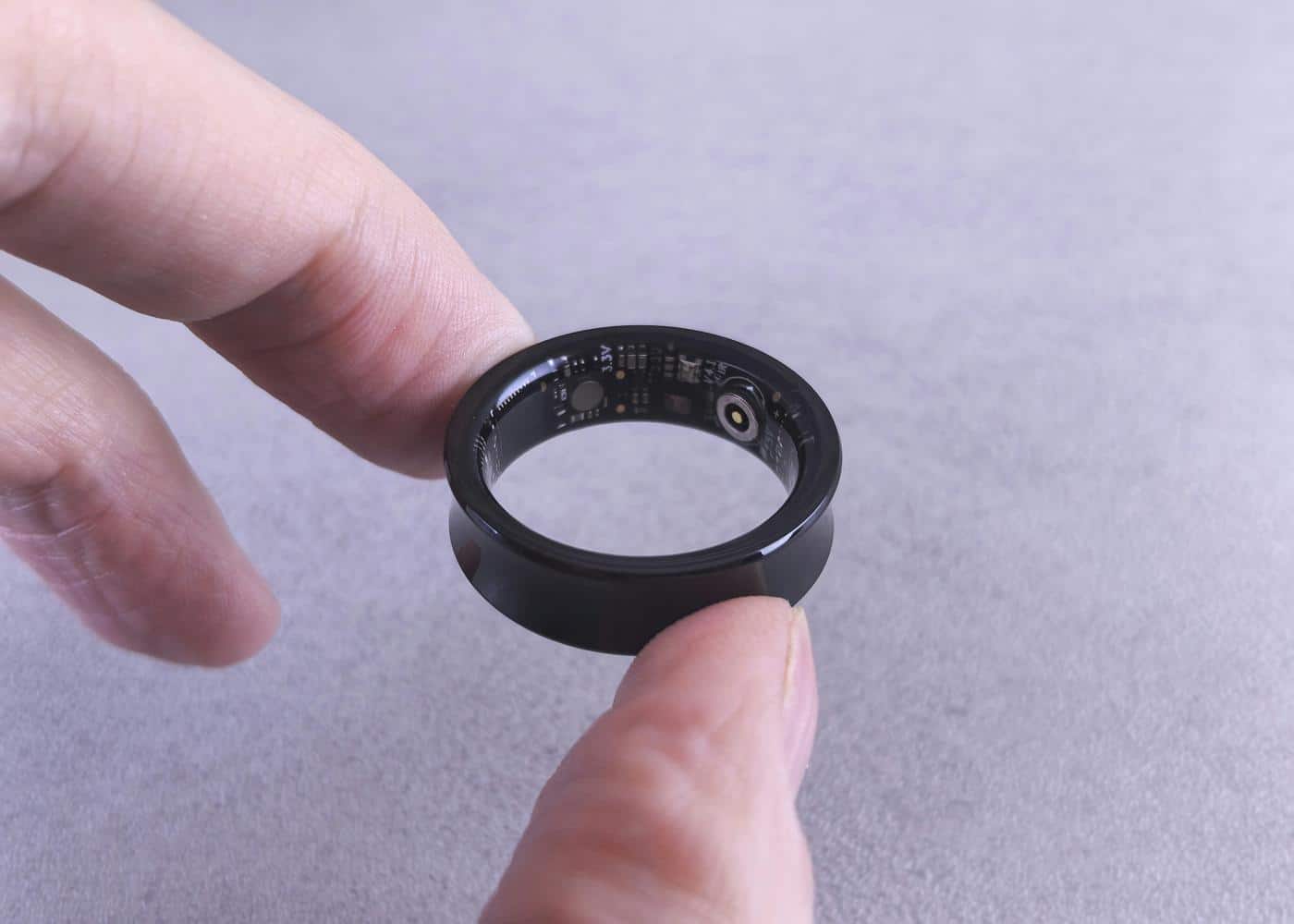
When you decide to buy one of these rings, the process starts with a sizing kit. You do not just guess your ring size online. The company mails you a box of plastic dummy rings.
You are supposed to wear a plastic ring for at least a full day and night. Fingers swell and shrink depending on the time of day, your hydration levels, and the temperature.
You need a fit that is snug enough for the sensors to read your pulse, but loose enough that it does not cut off your circulation when you sleep.
Once you find the right size and order the real thing, it arrives in a minimal, clean box.
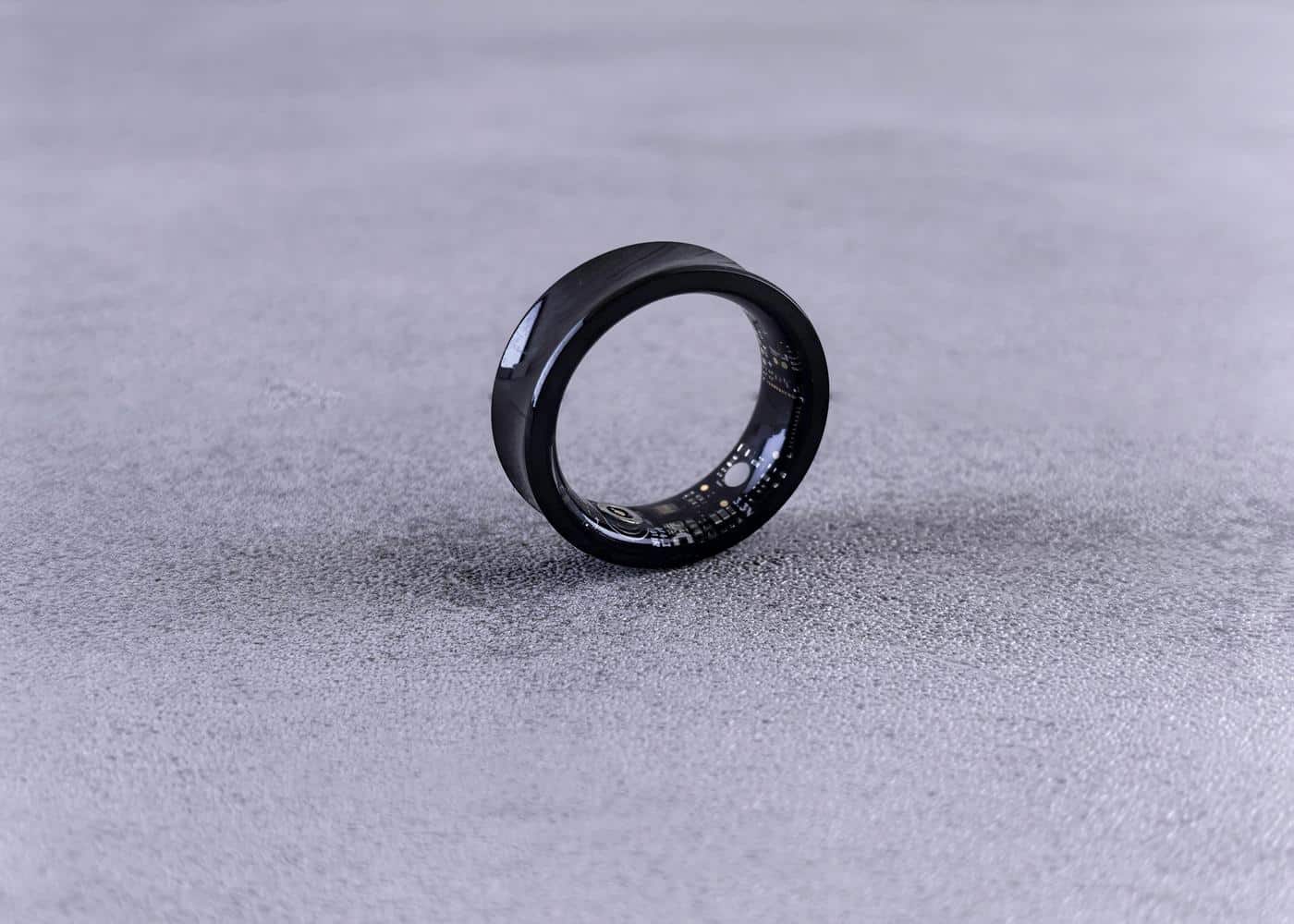
The first thing you notice is the weight. It is made of titanium and weighs almost nothing. You forget you are wearing it within the first hour.
It does not get in the way when you are typing on a keyboard or carrying groceries. Inside the ring, a smooth resin covers the sensors. It feels comfortable against the skin.
Pairing the device with the app on your phone takes about two minutes. From there, it just runs in the background.
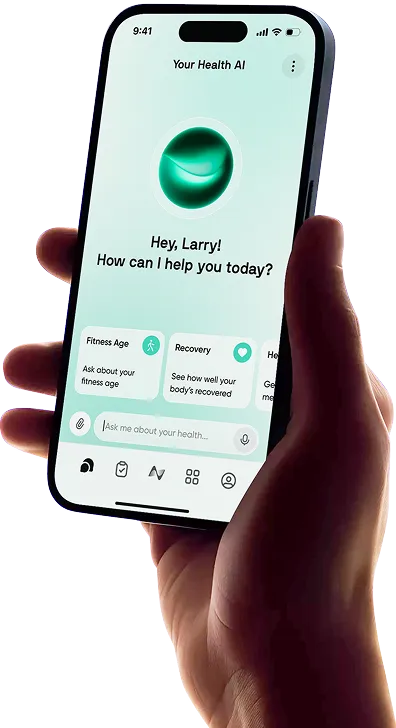
You open the app to see your data, which is split into three main areas. You get a sleep index, a recovery score, and a movement index. This makes it easy to understand your daily status at a glance without getting lost in complicated graphs.
To keep things straightforward, here is a breakdown of what the ring tracks:
Sleep Staging: The ring monitors your light sleep, deep sleep, and REM sleep cycles throughout the night.
Temperature Tracking: It takes a baseline of your skin temperature and alerts you to fluctuations, which can indicate illness or stress.
Movement Index: It counts your daily steps and calculates your caloric burn based on your activity levels.
Recovery Score: It uses your resting heart rate and heart rate variability to tell you if your body is ready for a hard workout or if you need a rest day.
Circadian Alignment: The app tells you the best times to get sunlight, drink coffee, and go to bed based on your specific body clock.
What Works Well
The biggest selling point is the price structure. You buy the ring, and that is it. There is no monthly subscription fee to use the app or see your data.
This is rare in the current market. You get all the updates, all your historical data, and all the insights included in the initial purchase.
The physical design is also a major plus. It looks like a normal piece of jewelry.
The app layout is clean and intuitive. Instead of just giving you raw numbers, the app tells you what to do. If you had a bad night of sleep, it might suggest a short walk in the sun to reset your rhythm. It gives clear advice.
What is Missing
It is not a perfect device. If you are a serious runner or weightlifter, you might be disappointed with the workout tracking.
The ring knows when you are moving, but it cannot give you detailed metrics on your running pace or your weightlifting sets. You will still want a traditional fitness watch for the gym.
The battery life is okay, but not great. You can expect about four days of use before you need to put it on the charger.
The titanium exterior is also prone to scratching. If you lift barbells or do a lot of manual labor, the finish could get scuffed up over time.
Final Verdict
If your main goal is to track your sleep and daily readiness without paying a monthly fee, this is a solid choice. It is comfortable, the app is easy to navigate, and it provides clear insights into your health.
Ultrahuman Vs. Oura: Which is the Better Smart Ring?
The Ultrahuman vs. Oura debate has been coming up lately in the wearable space. They are targeting the same buyer.
They both track the same basic metrics. They both use titanium. The differences come down to the business model and the app focus.
Oura has been around longer. Their sleep tracking algorithms are tested and proven. The Oura app integrates with almost every other health platform on the market.
But Oura charges a monthly subscription fee. If you stop paying, the ring becomes a paperweight. You can only see basic daily scores, not your trends.
Ultrahuman gives you everything for free after the initial purchase. Their algorithms are newer, but they are accurate and improving with routine updates. The Ultrahuman app also focuses more on metabolism and circadian rhythms.
If you want the most established brand and do not mind a subscription, get Oura. If you hate monthly fees and want clear metabolic insights, get Ultrahuman.


Ultrahuman Lineup: Which Ring is Best for Me?
The company used to sell a model called the R1. It was their first attempt at a ring. It worked, but it was thick and bulky.
They realized people want a ring that feels invisible. They discontinued the R1 and released a new model focused on a low profile.
Right now, they only focus on one device, the Ultrahuman Ring Air, currently priced at around $349.
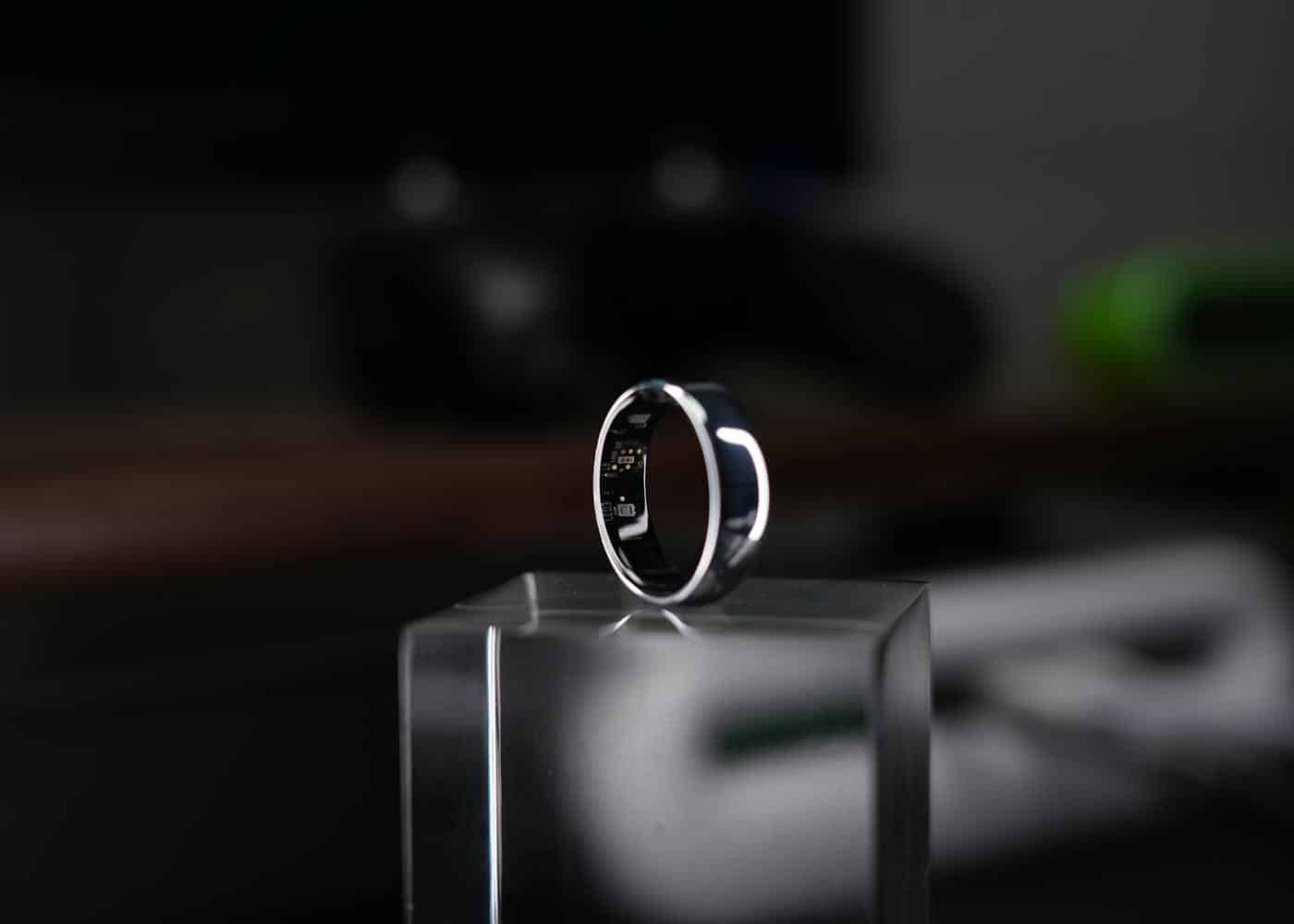
You do not need to worry about picking between different models with different features. The only choice you have to make is the color. They offer it in black, silver, gold, and titanium.
The price is high upfront, but the lack of a subscription balances it out over time. If you want to buy into this system, the Air is your only option, and it is a good one.
Translate Your Data into Action with Neura

A common problem with fitness trackers is data fatigue. You wake up every day, look at your sleep score, see that it is low, and then go about your day anyway. The numbers stop meaning anything because you do not know how to fix them.
You need a way to turn the raw data into an action plan. This is why people connect their rings to outside health intelligence platforms.
Neura is one of those platforms. It takes the steady stream of information from your ring and puts it to work. Instead of just showing you a chart of your heart rate variability, Neura looks for trends.
It looks at your sleep, your stress levels, and your daily habits. It then builds a customized care plan.
Let's say your ring shows that your deep sleep is dropping. Neura will analyze your routine and suggest specific changes. It might tell you to adjust your meal times or change the temperature in your room. It functions like a coach.
Connecting your wearable to a larger system ensures you are making changes to your health, not just hoarding data points on your phone.
Final Thoughts: Ultrahuman Ring Review
The market needs options. Having one company dominate the smart ring space is bad for consumers. Competition forces companies to innovate and keep their prices fair.
Ultrahuman proved they can build a device that competes with the top tier of the market.
The physical build is light and comfortable. The app provides useful guidance instead of just throwing numbers at a wall. The commitment to a subscription-free model is the biggest reason to consider buying one.
There are downsides. You will need to charge it twice a week, and you should take it off before you grab a barbell. Even with those flaws, it delivers on its main promise.
It gives you a clear window into your sleep and recovery. If you want to take your health tracking seriously and you want to avoid monthly fees, this ring deserves a spot on your finger.
Article FAQ
Why is Ultrahuman not available in the USA?
The Ultrahuman Ring Air is actually available in the USA. You can purchase it directly from their official website or through major retailers like Amazon. Because the company is based in India, some users initially had concerns about shipping times or customs, but they now have a streamlined distribution network that serves the US market efficiently.
How to wear the Ultrahuman ring?
For the best results, you should wear the ring on your index, middle, or ring finger. The most important part is the orientation: the flat side of the ring must face the palm side of your hand. This ensures the sensors stay in constant contact with your skin to get accurate readings. It should feel snug but comfortable enough to rotate slightly with a bit of effort.
What does the Ultrahuman ring do?
The ring tracks your body’s vital signs 24/7 to help you understand your health. It monitors your sleep stages, heart rate variability (HRV), skin temperature, and daily movement. By analyzing this data, the app gives you scores for sleep, recovery, and activity, and even suggests the best times to drink caffeine or get sunlight based on your body clock.
How long does the battery last on the Ultrahuman Ring Air?
On average, you can expect the battery to last between 4 and 6 days on a single charge. Factors like how often you sync the ring with the app or how active you are can influence this. A full charge typically takes about 90 minutes using the included USB-C charging dock.
Is the Ultrahuman Ring Air waterproof?
Yes, the ring has a water resistance rating of up to 100 meters (about 330 feet). This means you can safely wear it while washing your hands, showering, swimming, or even skin diving. However, it is always a good idea to rinse it with fresh water after swimming in a pool or the ocean to remove chlorine or salt.
Does the Ultrahuman ring require a monthly subscription?
No. One of the biggest advantages of this ring is that there are no monthly fees. Once you buy the ring, you have full access to the app, your personal health data, and all future software updates without having to pay for a recurring subscription.