
7-Day Meal Plan for Night-Shift Workers
Nutrition

Key Findings
This night shift meal plan puts balanced meals before and earlier in the shift where practical, with manageable overnight food when needed. The seven menus fit around your actual roster, appetite and activity rather than a rigid eating window. Prepare food in two main sessions, keep packed meals safely chilled and time caffeine around your planned sleep. Optional snacks and pre-sleep breakfasts are there when you need them.
Eating well on nights is partly about food and partly about logistics. The cafeteria closes before your break, the nearest option is a vending machine, and cooking after work feels much less appealing than getting into bed.
Then there is the timing question. Should you eat dinner before work, have another meal at midnight, or wait until morning? A useful meal plan for night shift workers needs to account for hunger, available breaks and the sleep that follows.
This guide gives you seven menus, a sample eating schedule, preparation instructions and a separate 12-hour shift example. The menus do not imply working seven consecutive nights. Use them across your actual roster, repeat favorites and move meals to the breaks you can take.
For a routine built around different food preferences, our guide to personalized diet planning explains how to organize meals around your circumstances.
When Should You Eat on a Night Shift?

Start with your working hours, main sleep period and access to breaks. These determine which eating opportunities are realistic. The schedule below provides a starting structure, not a set of appointments you must keep.
A Sample Eating Schedule for a 10 p.m.–6 a.m. Shift
This example assumes a main sleep window of approximately 7:30 a.m.–3:30 p.m.
Approximate Time | Eating Opportunity | Practical Aim |
4 p.m., after waking | First balanced meal | Eat after your main sleep period |
8 p.m., before work | Main pre-shift meal | Have a substantial meal before work |
11–11:30 p.m., early break | Packed meal | Eat during an available break |
Around 2 a.m., if hungry | Optional snack or small meal | Respond to hunger and work demands |
Around 6:30 a.m., if hungry | Small pre-sleep breakfast | Avoid going to bed uncomfortably hungry |
Your packed meal can be smaller than the pre-shift meal. If breaks fall at different times, move the food rather than skipping it to preserve the table. Optional slots do not require extra eating when you are satisfied.
Physically demanding work may require larger meals or more food across the shift. If waking and starting work happen close together, combine or redistribute the first two meals.
Should You Avoid Eating Overnight?
NIOSH's night-shift nutrition guidance suggests keeping meal patterns closer to daytime eating where possible and reducing food intake between midnight and 6 a.m.
A small NIH-supported study of simulated night work also found that meal timing affected glucose responses. It involved 19 healthy young participants in a controlled laboratory setting. That does not establish one ideal eating schedule for every real-world worker or prove that overnight fasting prevents diabetes.
The practical approach here is to place substantial meals before or earlier in the shift where feasible, while allowing manageable overnight food when needed. You do not have to ignore hunger or fast through a demanding shift. Diabetes, medications requiring food and prescribed dietary restrictions may need individualized timing advice.
Build Meals Around Enough Food and Useful Variety
Combine a protein source, a carbohydrate food, vegetables or fruit, and an appropriate source of fat. Chicken with rice and vegetables, lentils with pasta, and oats with yogurt and fruit all follow this pattern.
For a starting meal, try a palm-sized portion of cooked chicken or tofu, roughly ½–1 cup of cooked rice, 1–2 cups of vegetables and a little olive oil or dressing. A bean-based meal might use ¾–1 cup of beans instead. These are adjustable examples, not a calorie prescription or a claim that different protein foods are nutritionally identical.
The menus include household portions to make preparation concrete. Add food when your appetite or workload calls for it, and reduce or divide portions that feel too large. Our guide to choosing a diet that fits your needs covers broader considerations beyond following a menu.
Plan Caffeine and Fluids Around Sleep
Use caffeine earlier in the shift and stop several hours before planned sleep. NIOSH's guidance on preparing for sleep also emphasizes that sensitivity varies and caffeine can remain in your system for many hours.
For the 7:30 a.m. bedtime example, switching to caffeine-free drinks around midnight creates a substantial gap. Some people need an earlier cutoff. Include tea, energy drinks and other caffeine sources when reviewing your intake.
Drink throughout your waking period according to thirst, activity and conditions. Avoid trying to catch up with a large drink immediately before bed. For the wider routine, see our guide to sleep hygiene habits.


Your Complete 7-Day Meal Plan for Night-Shift Workers

Each menu covers one waking period and the following shift. Reorder the days around your roster and use the optional snack only when wanted. Amounts are starting examples; adjust them to make the day's food sufficient and comfortable for you.
The 7-Day Plan at a Glance
These healthy meals for night shift workers reuse ingredients without making every packed meal identical.
Day | Main Pre-Shift Meal | Packed Meal |
1 | Chicken, brown rice and roasted vegetables | Chicken and hummus wrap |
2 | Turkey and kidney-bean chili with rice | Chickpea and couscous salad |
3 | Salmon, potatoes and green beans | Leftover chili with a wholegrain roll |
4 | Tofu and vegetable rice bowl | Lentil soup with wholegrain bread |
5 | Chicken and sweet-potato traybake | Tofu, rice and edamame salad |
6 | Lentil bolognese with pasta | Chicken pita with salad |
7 | Mild chickpea and spinach curry | Leftover lentil bolognese |
Day 1: Start With Simple Batch-Cooked Staples
Use the same cooked chicken for a warm meal at home and a different packed meal.
Eating Opportunity | Menu |
After waking | Overnight oats: ½ cup dry oats, ½ cup milk or fortified soy milk, ¾ cup plain Greek yogurt and berries |
Before work | Palm-sized chicken portion, ½–1 cup cooked brown rice, broccoli and carrots with olive oil or yogurt dressing |
Early-shift packed meal | Wholegrain wrap with cooked chicken, 2 tablespoons hummus and cucumber |
Optional overnight snack | Apple with 1–2 tablespoons peanut or seed butter |
Preparation: Cook chicken and roast the vegetables, reserving a chicken portion for the wrap. Chill that portion promptly and assemble the wrap shortly before leaving. Keep it cold until your break.
Day 2: Make Leftovers Work for You
Chili gives you a substantial home meal and tomorrow's reheatable packed food.
Eating Opportunity | Menu |
After waking | Two scrambled eggs, 1–2 slices wholegrain toast, spinach and tomatoes |
Before work | Turkey and kidney-bean chili, approximately 1–1½ cups, with ½–1 cup cooked brown rice |
Early-shift packed meal | Chickpea and couscous salad: about ¾ cup chickpeas, ½ cup cooked couscous, cucumber, peppers and olive-oil dressing |
Optional overnight snack | Plain yogurt with berries |
Preparation: Simmer turkey mince, kidney beans, canned tomatoes and mild seasonings into chili. Refrigerate tomorrow's portion promptly. If you prepared it before Day 1, use the original cooking date when checking its storage window.
Day 3: Keep the Home Meal Different and the Work Meal Familiar
Prepare fish close to serving while using safely stored chili at work.
Eating Opportunity | Menu |
After waking | Approximately 1 cup plain Greek yogurt, ⅓–½ cup oats, banana and a small handful of walnuts |
Before work | One salmon fillet with a medium potato or several small potatoes and green beans |
Early-shift packed meal | Leftover turkey-and-bean chili with a wholegrain roll |
Optional overnight snack | Pear with a small portion of cheese |
Preparation: Thaw frozen salmon in the refrigerator and bake it with the potatoes and beans. Use chicken or tofu if preferred. Transport chili cold and reheat thoroughly using the food-safety guidance below.
Day 4: Try a Plant-Based Menu
Tofu, lentils and soy milk provide straightforward options for a day without meat.
Eating Opportunity | Menu |
After waking | Porridge using ½ cup dry oats and fortified soy milk, topped with banana and peanut or seed butter |
Before work | Tofu, ½–1 cup cooked brown rice and mixed vegetables with a mild sauce |
Early-shift packed meal | Approximately 1–1½ cups lentil and vegetable soup with wholegrain bread |
Optional overnight snack | Hummus with wholegrain crackers and cucumber |
Preparation: Cook tofu with frozen vegetables and prepare extra tofu for Day 5. Canned lentils, chopped vegetables and broth make a simple soup. Chill reserved portions promptly rather than leaving them out during your shift.
Day 5: Pack a Meal That Can Be Eaten Cold
A chilled rice salad works when you have no microwave, provided cold storage is reliable.
Eating Opportunity | Menu |
After waking | Two eggs with approximately ½ cup beans, spinach and 1–2 slices wholegrain toast |
Before work | Chicken, a medium sweet potato and peppers roasted together |
Early-shift packed meal | Chilled tofu, ½–1 cup cooked rice, approximately ½ cup edamame, cucumber and dressing |
Optional overnight snack | Carrot sticks with hummus |
Preparation: Reserve chicken for Day 6 when making the traybake. Rice and tofu require temperature control even when eaten cold. For more assembled meal options, explore our no-cook meal plan.
Day 6: Reuse Ingredients Without Repeating the Same Meal
Turn lentils into a pasta sauce and reserved chicken into a pita filling.
Eating Opportunity | Menu |
After waking | Approximately 1 cup plain yogurt with oats, chopped apple and cinnamon |
Before work | Lentil bolognese with roughly 1 cup cooked pasta and a side salad |
Early-shift packed meal | Wholegrain pita with cooked chicken, salad and yogurt dressing |
Optional overnight snack | Orange with a small handful of nuts or seeds |
Preparation: Simmer lentils with canned tomatoes, onion and herbs. Reserve a portion of sauce and pasta for Day 7, refrigerating promptly. Pack chicken and dressing from safely stored portions; keep dressing separate if you prefer.
Day 7: Finish With Pantry Staples
The final menu combines a quick chickpea curry with yesterday's prepared pasta meal.
Eating Opportunity | Menu |
After waking | Spinach-and-tomato omelet with wholegrain toast |
Before work | Mild chickpea-and-spinach curry with ½–1 cup cooked rice |
Early-shift packed meal | Leftover lentil bolognese with pasta and vegetables |
Optional overnight snack | Plain yogurt with fruit |
Preparation: Simmer canned chickpeas, canned tomatoes and frozen spinach with mild spices and a little oil. Cook rice fresh or use a safely stored portion. Check preparation dates before choosing leftovers, even when they still look and smell normal.
What to Eat After Your Shift Before Sleeping
If hunger would make sleep uncomfortable, choose a small, familiar option:
A small bowl of porridge with milk or fortified soy milk.
Plain yogurt with a little fruit.
Toast with peanut or seed butter.
A small bowl of wholegrain cereal with milk.
You do not need another substantial meal every morning. It's recommended to avoid large meals close to the main sleep period. Eat enough to settle hunger without making the transition to bed uncomfortable.
Meal Prep, Food Storage and Adjustments for Your Schedule

Meal prep for night shift workers is easier when cooking, storage and break access are planned together. The goal is food you can actually eat during your working week, with a backup for the nights that change unexpectedly.
Your Shopping List
Choose quantities for your portions, household size and number of menus you intend to use.
Category | Ingredients |
Protein foods | Chicken, turkey mince, salmon, eggs, tofu, yogurt, hummus, lentils, chickpeas, kidney beans, other beans and edamame |
Grains and starchy foods | Oats, brown rice, couscous, pasta, wholegrain bread, wraps or pitas, potatoes and sweet potatoes |
Fruit and vegetables | Berries, bananas, apples, pears, oranges, spinach, tomatoes, cucumber, peppers, carrots, broccoli, green beans and frozen mixed vegetables |
Other staples | Milk or fortified soy milk, olive oil, nuts or seeds, peanut or seed butter, canned tomatoes, broth, onion and mild seasonings |
Reduce unnecessary purchases by using wraps instead of pitas, one preferred fruit across several days, or frozen vegetables in multiple meals. Our weekly shopping-list guide explains how to turn chosen menus into a more focused grocery list.
Prepare Food in Two Sessions
Use two larger preparation sessions, with quick cooking or assembly when needed.
Preparation Session | Useful Tasks |
Before Day 1 | Prepare chicken, chili, a grain and vegetables for the first few menus. Assemble oat portions and snacks. Label cooking dates. |
Before Day 4 | Prepare tofu, fresh grain portions, chicken traybake and lentil sauce. Refresh vegetables and snacks. Freeze portions intended for later use. |
Cook fish close to serving, prepare eggs when wanted and make the last chickpea curry as a quick pantry meal. Food can be prepared before its menu day, but storage time starts when it was cooked, not when you first serve it.
Preparing a week's food does not mean keeping every portion in the refrigerator for seven days. Freeze later portions promptly and thaw in the refrigerator. If preparing rice before Day 4 for Day 7, freeze that portion rather than assuming it will remain suitable until needed.
Keep Packed Meals Safe Throughout the Shift
Follow this checklist when packing healthy night shift meals:
Refrigerate perishables promptly in shallow containers. FoodSafety.gov's food-handling guidance gives a two-hour limit at room temperature, shortened to one hour above 90°F/32°C.
Keep chilled food at 40°F/4°C or below, using a workplace refrigerator when available.
For transport, use an insulated bag with sufficient cold sources. FoodSafety.gov's packing advice recommends two cold sources; a long shift still requires checking that food stays cold.
Label cooking dates and freeze later portions. The cold-storage chart gives cooked meat leftovers and soups a typical three-to-four-day refrigerator window.
Reheat leftovers to 165°F/74°C, checked with a food thermometer, following the safe-temperature chart.
Ice packs alone do not guarantee safe temperatures throughout a 12-hour shift. Reheating also does not make improperly stored food safe. If you cannot keep a perishable meal reliably cold, choose a different option.
If You Have No Microwave or Refrigerator
No microwave is manageable with safely chilled wraps, pitas and grain salads. No reliable cold storage requires a different set of night shift meal prep ideas.
Pack wholegrain crackers, whole fruit, nuts or seeds, and a nut-butter sandwich without perishable fillings. Add an unopened shelf-stable bean or fish pouch that can be opened when you are ready to eat. Follow its label and choose a portion you will finish.
Chicken wraps, dairy foods and cooked rice salads belong in the chilled category. Being convenient to eat cold does not make them shelf-stable.
Adjust the Plan for 12-Hour Shifts and Unpredictable Breaks
A 12 hour night shift meal plan needs enough packed food for the full working period. Keep the meal roles but change the clock times. For a 7 p.m.–7 a.m. shift, one possible night shift meal timing schedule is:
Approximate Time | Eating Opportunity |
5–5:30 p.m. | Substantial pre-shift meal; this can also be your first meal after waking |
9:30–10:30 p.m., or your first suitable break | Packed meal |
Around 1 a.m., if hungry | Snack or smaller portion of packed food |
Around 4–5 a.m., if needed | Additional small meal for hunger or a demanding workload |
Around 7:30 a.m., if hungry | Small pre-sleep breakfast |
This example is flexible. Bring extra food rather than relying on an overnight shop being open. A packed meal can be divided across breaks, keeping the uneaten portion safely chilled. You do not need to eat at every listed opportunity.
Adapt the Menus for Days Off and Rotating Shifts
Use the same foods at times that fit your actual waking period. After your final night shift, have a small meal if hungry, take needed recovery sleep and organize subsequent meals around waking and your next planned bedtime.
Avoid waking from needed sleep just to follow the sample clock times. Our guide to personalized sleep plans offers a way to organize sleep habits alongside a changing routine.
Night Shift Diet Tips: Budget and Dietary Substitutions
Replace some meat with lentils, beans or tofu; use frozen produce and canned beans; and repeat meals you enjoy. Fortified dairy alternatives vary in protein, so check labels when substituting for milk or yogurt.
Use rice, potatoes or suitable gluten-free products when needed. Replace nuts with tolerated alternatives and check labels for allergens. If large legume portions feel uncomfortable overnight, use smaller portions or another tolerated protein source.
Healthy meals for night shift workers do not require a completely different menu from everyone else's. The practical adjustments are often portions, timing, preparation and access to food.
Build a Night-Shift Eating Routine With Neura
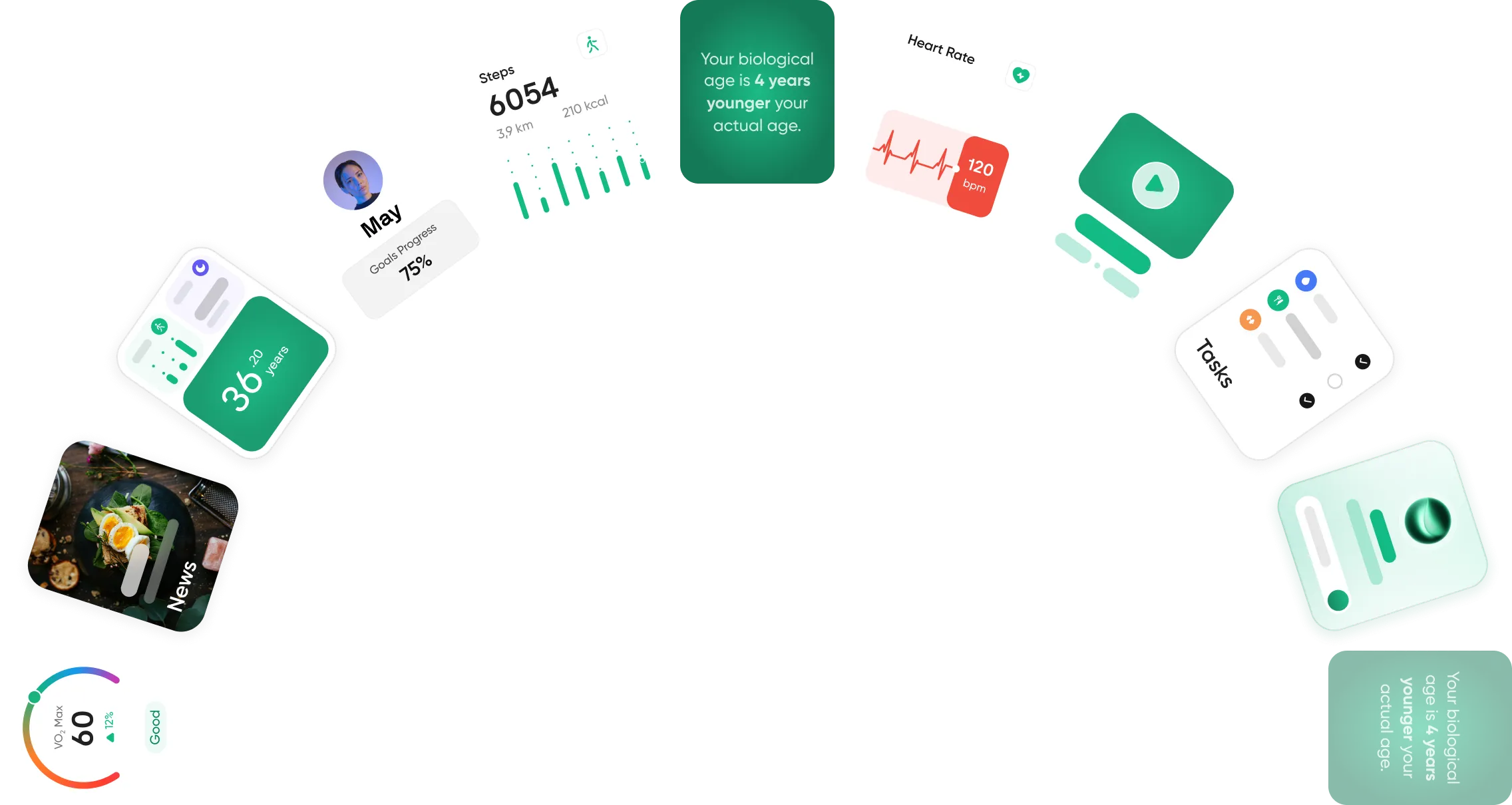
A short record can show which meals and timings fit your working week. Neura can help organize that information around your goals without requiring every shift to look the same.
Notice Patterns Across Meals, Caffeine and Sleep
Record shift hours, meal timing, caffeine, hunger, digestive comfort and sleep. Our guide to what to track for your health can help you choose a manageable set of observations.
If you already log meals, Neura's MyFitnessPal integration provides another way to bring food information into your wider health context. Repeated observations can guide an adjustment, such as moving a large meal earlier, but they do not prove cause and effect.
Create a Plan Around Your Actual Roster
Neura's personalized Health Plans can help organize meals around the schedule you provide. For example, build in a pre-shift meal, packed food and a caffeine reminder that fits your planned bedtime.
Tell Neura's AI health coach about changes to your roster, food access and preferences. It does not automatically know an unshared schedule, and medication or clinical nutrition decisions need appropriate professional guidance.
Final Thoughts: Make Night-Shift Meals Easier to Manage
The Bottom Line: Prepare food you enjoy, fit eating opportunities around actual breaks and protect the transition to sleep. Balanced meals before or earlier in the shift, manageable overnight food when needed and a practical caffeine cutoff give this plan its structure.
Reuse successful menus and adjust portions to appetite and activity. A sustainable night shift meal plan is one you can pack, store safely and follow through an ordinary working week.
Article FAQ
How Do You Diet When Working Night Shift?
Build a consistent routine around your waking period, shifts and breaks. Include protein, carbohydrate foods, vegetables or fruit, and suitable fats in main meals. Pack enough food and use manageable overnight portions when needed. If weight management is your goal, adjust the overall routine and portions rather than assuming that skipping every overnight meal is necessary. A dietitian can help with individual targets.
What Should You Eat During a Night Shift?
Good options include a chicken-and-hummus wrap, lentil soup with bread, a chilled chickpea salad, or a portion of safely stored leftovers. For smaller eating opportunities, try yogurt with fruit, an apple with nut butter, or crackers with hummus. Choose foods you tolerate well, and match the amount to hunger, workload and how soon you plan to sleep.
What Is the Best Meal Timing Schedule for Night-Shift Workers?
There is no single best schedule for everyone. A practical starting point is a balanced meal after waking, a main meal before work, and packed food during an earlier break. Use smaller overnight eating opportunities when needed and a small pre-sleep meal if hunger would disturb sleep. Move these roles around your actual work and sleep hours rather than following fixed times.
What Should You Eat After a Night Shift Before Sleeping?
If hungry, choose a small bowl of porridge, yogurt with fruit, toast with peanut or seed butter, or cereal with milk. Keep the portion comfortable and avoid a large, heavy meal immediately before bed. If you are satisfied after eating during the shift, another breakfast is optional. Your aim is to settle hunger while making the transition to sleep manageable.
How Do You Meal Prep for a 12-Hour Night Shift?
Prepare a substantial pre-shift meal, enough packed food for available breaks and a backup snack or small meal. Batch-cook in two preparation sessions, label cooking dates and freeze later portions. Keep perishable food reliably chilled throughout transport and work. If refrigeration is unavailable, choose shelf-stable combinations instead of leaving meat, dairy or rice meals in an ordinary bag.
When Should You Stop Drinking Caffeine on Night Shift?
Work backward from your planned bedtime and stop several hours before it. In the example with sleep starting at 7:30 a.m., a midnight cutoff provides a substantial gap, but sensitive people may need to stop earlier. Include coffee, tea and energy drinks when reviewing intake. Adjust timing if caffeine appears to interfere with sleep rather than relying on one universal cutoff.