
The Best Recovery and Readiness Score Trackers (2026)
Tech

Key Findings
Recovery trackers use metrics like HRV, sleep, resting heart rate, stress, and recent activity to estimate how ready your body is. WHOOP, Oura, Garmin, Polar, and others each suit different needs, while Neura helps bring recovery data together and turn it into practical daily guidance.
Recovery is an important part of any fitness routine. Training harder is not always the answer, especially when poor sleep, accumulated fatigue, stress, or a demanding workout leaves your body in need of more time to recover.
Recovery and readiness trackers aim to make that easier to understand.
By combining data such as heart rate variability, resting heart rate, sleep quality, recent activity, and stress, these devices can give you a clearer idea of whether today is a good day to push harder or ease back.
There are now plenty of options, from screenless bands and smart rings to full-featured sports watches.
Some are designed primarily for athletes, while others take a broader view of sleep, energy, stress, and everyday wellness.
If you are comparing the top apps for tracking muscle recovery metrics, it is worth remembering that most wearables do not directly measure whether individual muscles are fully recovered. Instead, they estimate your overall physiological readiness by combining several signals.
What is Recovery Score and How Does it Work?
A recovery or readiness score is a simplified rating of how prepared your body appears to be for physical and mental demands.
Depending on the platform, it may appear as a percentage, a score from 0 to 100, a color-coded rating, or a broader recovery status.
The exact calculation varies between brands. WHOOP, for example, uses measurements including HRV, resting heart rate, sleep, respiratory rate, skin temperature, and blood oxygen to produce its Recovery score.
Oura combines recent activity and sleep with signals such as resting heart rate, HRV, and temperature, while Garmin's Training Readiness incorporates factors including sleep, recovery time, HRV status, acute training load, and recent stress.
These numbers are most useful when viewed as trends rather than absolute instructions. A single low score does not necessarily mean you need to cancel your workout, just as a high score does not guarantee peak performance.
Your own energy levels, soreness, illness, injuries, and overall wellbeing still matter.
The Best Trackers for Recovery and Readiness

The best tracker depends on what you want from your recovery data. Some focus heavily on athletic performance, while others are better suited to sleep, general wellness, or simple day-to-day guidance.
WHOOP 5.0
Best For: Athletes and detailed training recovery
WHOOP remains one of the most recovery-focused fitness platforms available.
The WHOOP app Recovery Score summarizes how prepared your body appears to be each day, with green, yellow, and red zones making the result easy to interpret.
WHOOP then connects that recovery information to its Strain system, helping users decide how hard to train.
Recovery considers measurements including HRV, resting heart rate, sleep performance, respiratory rate, skin temperature, and blood oxygen.
WHOOP also lets users track behaviors and compare them with changes in recovery over time.
For anyone searching for the best recovery score tracker for athletes, its strong emphasis on balancing strain and recovery makes WHOOP 5.0 one of the most relevant options.
Key Features:
Daily Recovery score with simple color-coded zones
HRV, resting heart rate, sleep, respiratory rate, and temperature tracking
Strain Target recommendations based on current recovery
Behavior tracking to identify habits associated with better or worse recovery
Oura Ring 5
Best For: Sleep and whole-body readiness
Oura Ring 5 takes a broader approach to readiness.
Its Readiness Score runs from 0 to 100 and considers sleep, recent activity, resting heart rate, HRV, body temperature, and other contributors to show how well your body appears to have recovered.
Oura is particularly useful if sleep and general wellbeing are just as important to you as workout performance.
It looks at both short-term and longer-term patterns rather than treating recovery purely as an athletic metric.
That makes Oura one of the best recovery score systems for overall wellness, particularly for people who want detailed health insights without wearing a smartwatch to bed.
Key Features:
Readiness Score from 0 to 100
Detailed sleep and activity scoring
HRV, resting heart rate, temperature, and stress-related insights
Long-term activity and recovery balance tracking
Garmin CIRQA Smart Band
Best For: Garmin users who want screenless recovery tracking
Garmin's CIRQA Smart Band brings many of the company's health and training features into a screen-free format.
It tracks sleep, HRV, stress, Body Battery, skin temperature, and other health signals while also offering Training Readiness and estimated recovery time.
The range of Garmin recovery metrics is one of CIRQA's biggest strengths.
Training Readiness helps indicate whether your body appears prepared for harder exercise, while Recovery Time estimates how long it may take before you are ready for another demanding workout.
Body Battery provides another view by showing how energy levels rise and fall throughout the day.
For someone looking for the best recovery score device for minimizing fatigue, CIRQA is a particularly practical choice if you already use Garmin Connect.
Key Features:
Training Readiness and Recovery Time
Body Battery energy monitoring
HRV status, sleep score, stress, and skin temperature
Screenless design with no required subscription
Google Pixel Watch 5
Best For: Android users who want fitness and recovery in one smartwatch
Pixel Watch 5 combines smartwatch functionality with Google's Fitbit-powered health platform.
Its Daily Readiness Score provides a simple snapshot of whether your body appears ready for higher-intensity exercise or may benefit from more recovery.
The score draws on recent sleep, activity, HRV, and resting heart rate patterns, while Cardio Load adds useful context around how much cardiovascular training stress you are accumulating.
This makes it a good option for people who want recovery guidance without giving up smartwatch features.
Key Features:
Daily Readiness Score
Cardio Load and target load guidance
Sleep, HRV, and resting heart rate tracking
Broader smartwatch and workout tracking features
Polar Vantage V3
Best For: Endurance training and structured recovery
Polar has a long history of combining training load with recovery data, and the Vantage V3 offers two particularly useful systems: Nightly Recharge and Recovery Pro.
Nightly Recharge automatically evaluates how well your body recovered overnight from the demands of training and everyday life.
Recovery Pro is aimed more directly at performance-focused athletes and assesses whether the cardiovascular system appears recovered enough for training.
Together, they make Polar especially useful for runners, cyclists, and other endurance athletes following structured plans.
Key Features:
Nightly Recharge overnight recovery monitoring
Recovery Pro for training-focused recovery assessment
Training Load Pro
Sleep and autonomic nervous system recovery insights
Ultrahuman Ring AIR
Best For: Dynamic recovery tracking throughout the day
Ultrahuman Ring AIR differs from many recovery trackers because its Dynamic Recovery score can adjust during the day rather than remaining fixed after you wake up.
The score uses physiological signals such as HRV, resting heart rate, sleep, temperature, and stress patterns.
Rest, naps, and other recovery behaviors can affect the score as the day progresses, which gives users a more flexible view of how their body is responding instead of relying only on last night's data.
Key Features:
Dynamic Recovery score from 0 to 100
HRV, resting heart rate, temperature, and sleep monitoring
Recovery score updates throughout the day
Smart-ring format for discreet overnight tracking
Amazfit Helio Strap
Best For: Affordable screenless readiness tracking
The Amazfit Helio Strap is another screenless option built around training and recovery.
Its BioCharge metric runs from 0 to 100 and provides an ongoing estimate of your available energy based on sleep, HRV, resting heart rate, activity, and stress.
Rather than simply providing a morning score, BioCharge can decrease as exercise, work, and stress add demands throughout the day and increase following rest or naps.
There is also no required subscription, making the Helio Strap worth considering for people who want straightforward recovery data without another recurring fee.
Key Features:
Real-time BioCharge energy and readiness score
HRV, resting heart rate, sleep, and stress tracking
All-day recovery and fatigue monitoring
Screenless design with no required subscription


How To Improve Your Recovery Score

A low recovery score is not necessarily something you need to "fix" immediately. Scores naturally move up and down depending on training, stress, sleep, illness, and daily life. The goal should be improving the habits that support recovery over time.
Prioritize consistent, sufficient sleep. Sleep is one of the biggest inputs used by most recovery systems. Aim for a regular sleep and wake schedule where possible, and pay attention to both duration and quality rather than focusing on a single night's Sleep Score.
Adjust training intensity when fatigue builds. Hard training creates the stimulus needed for improvement, but recovery is when your body adapts. If several days of poor recovery appear alongside soreness, declining performance, or unusual fatigue, consider lowering intensity temporarily instead of continuing to add more training load.
Watch your HRV and resting heart rate trends. HRV and resting heart rate are commonly used in recovery calculations because changes from your personal baseline can reflect how your body is responding to stress. Individual numbers vary widely, so your own long-term trends are generally more useful than comparing your HRV with someone else's.
Give your cardiovascular system time to recover. Some platforms also provide a cardio recovery score or similar metric showing how quickly your heart rate falls after exercise. Improving aerobic fitness, managing training load, and allowing appropriate rest between demanding sessions can all support cardiovascular recovery.
Eat enough to support your training. Recovery requires energy and nutrients. Regular meals with adequate protein, carbohydrates, healthy fats, and micronutrients can help your body repair tissue and replenish energy stores, particularly after demanding exercise.
Manage non-exercise stress too. Your body does not treat a difficult workout and a stressful day as completely separate events. Work pressure, travel, poor sleep, illness, alcohol, and emotional stress can all affect physiological recovery. Looking at your whole day can make recovery data much more useful.
Focus on trends, not perfect scores. Wearables provide estimates, not medical assessments. A score should be one piece of information alongside how you actually feel. Look for patterns across several days or weeks and use those patterns to adjust your routine rather than trying to achieve a perfect score every morning.
Neura: A Better Way to Monitor Your Recovery

Recovery trackers can collect a huge amount of useful information. The harder part is deciding what to do with all of it.
You might wake up with a lower HRV, a mediocre sleep score, a high stress reading, and a recovery score telling you to slow down.
The data may be accurate, but you are still left deciding whether to skip your workout, shorten it, go for a walk, change your meals, or simply carry on as normal.
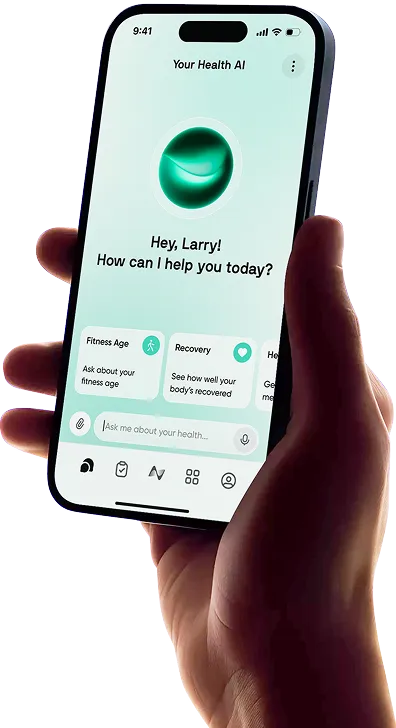
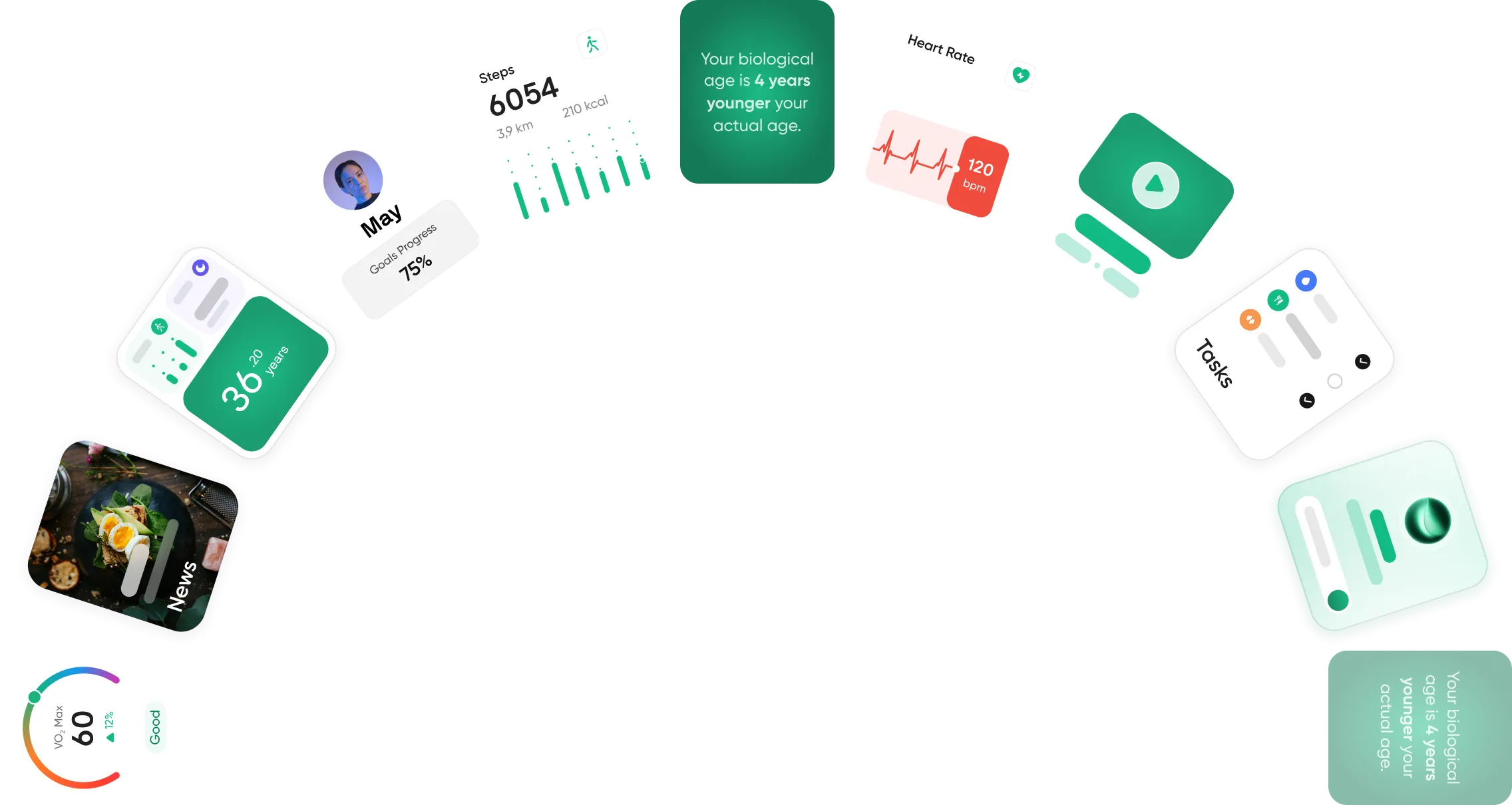
Neura is designed to make that process simpler. Rather than stopping at the score itself, Neura brings information from your health devices together and looks at your sleep quality, stress, activity load, goals, and other relevant signals to help turn the data into a practical plan.
For example, if your recent data suggests that you are not recovering well, Neura can adjust the intensity of your plan rather than simply showing you another low number. The aim is to help you understand what matters today and what you can actually do about it.
Neura is also built to reduce the amount of time you need to spend checking dashboards. Connected devices can sync in the background, while proactive notifications and personalized audio recaps surface useful information when it matters.
That makes Neura a useful complement to recovery-focused devices such as WHOOP, Oura, Garmin, or other wearables.
The tracker collects the signals. Neura helps turn those signals into clearer next steps.
Final Thoughts: The Best Recovery Trackers
There is no single recovery tracker that will be right for everyone.
WHOOP 5.0 is one of the strongest options for training-focused athletes, while Oura Ring 5 provides a more balanced view of sleep, activity, stress, and overall readiness.
Garmin CIRQA offers extensive recovery tools without a screen or required subscription, while Pixel Watch 5 brings readiness into a more traditional smartwatch experience.
Polar remains especially useful for structured endurance training, while Ultrahuman and Amazfit offer interesting alternatives for people who prefer discreet wearables and dynamic recovery information.
Whichever tracker you choose, the most useful recovery data is the data that helps you make better decisions. Rather than chasing a perfect score, pay attention to longer-term patterns and use them alongside how you actually feel.
And if you want less time interpreting charts and more help deciding what to do next, Neura can bring those different signals together and turn them into practical daily guidance.
Article FAQ
What is a recovery score?
A recovery score is a rating that estimates how ready your body is for exercise and daily activity. Most trackers calculate it using data such as heart rate variability, resting heart rate, sleep quality, stress, and recent training load.
Why is my recovery score low?
A low recovery score can be caused by poor sleep, intense exercise, elevated stress, illness, alcohol, travel, or not allowing enough time between hard workouts. One low score is usually less important than a consistent downward trend.
How is your recovery score calculated?
Recovery scores are calculated differently by each wearable, but most combine several physiological measurements with your personal baseline. Common inputs include HRV, resting heart rate, sleep duration and quality, stress, respiratory rate, and recent activity or training load.
What metrics matter most for recovery?
Heart rate variability, resting heart rate, sleep quality, and recent training load are among the most common recovery metrics. Some trackers also consider stress, body temperature, respiratory rate, and blood oxygen levels to provide additional context.
What is a good recovery score?
A good recovery score depends on the device you use and your personal baseline. In general, higher scores indicate better readiness, but it is more useful to watch how your score changes over several days than to focus on a single number.
How can I improve my recovery score?
Prioritize consistent sleep, adequate nutrition and hydration, appropriate rest between demanding workouts, and stress management. Reducing training intensity when fatigue builds can also help your body recover more effectively.