Somatostatin: Effects on Growth Hormone, Thyroid, Insulin, and Digestion
Overview
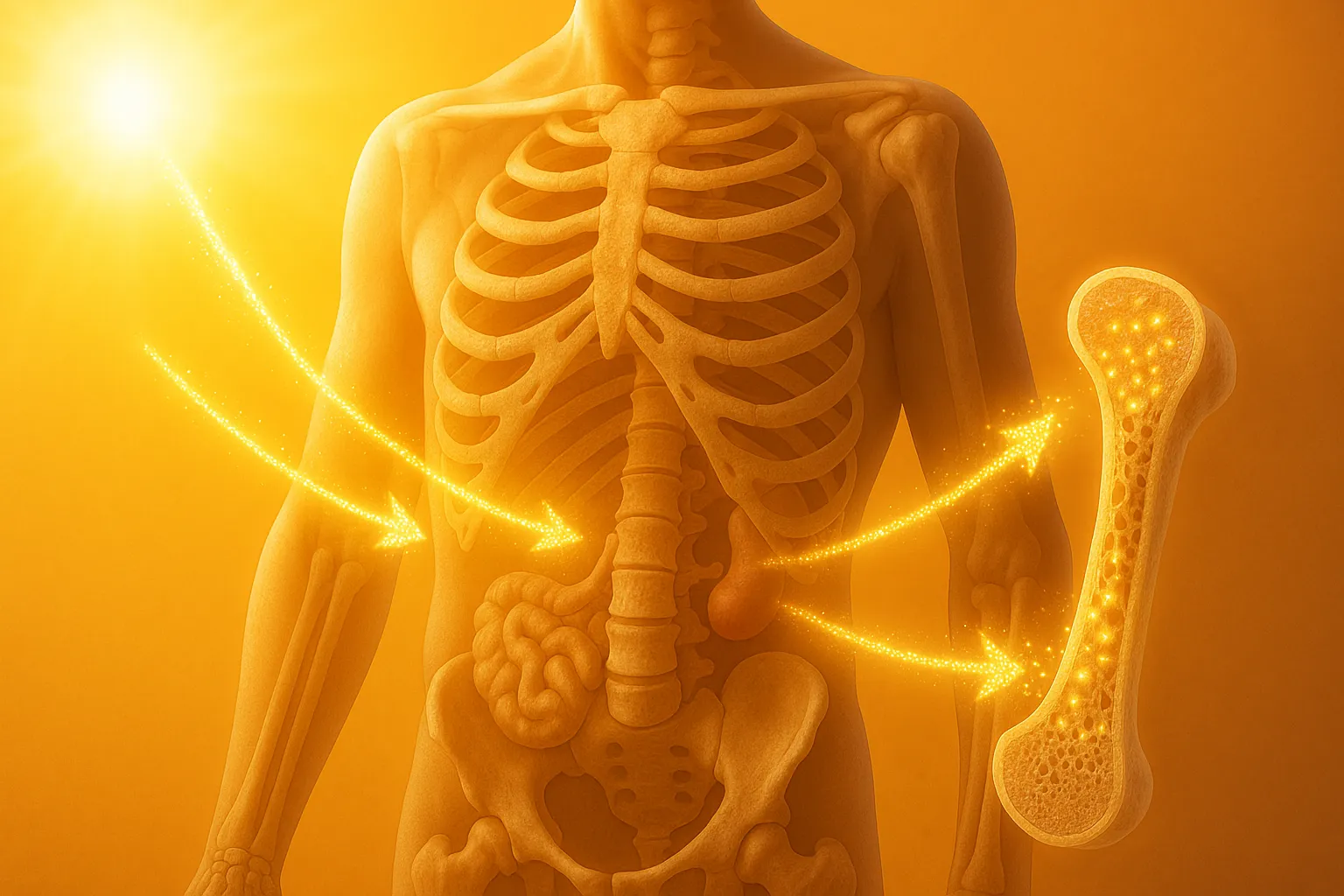
Somatostatin is an inhibitory hormone that acts as a coordinated brake on several other hormones, including growth hormone, thyroid stimulating hormone, insulin, glucagon, and multiple gut hormones. It is produced both in the brain and in the digestive system and helps prevent excessive hormone release after meals, during stress, and across the day. This braking effect supports more stable growth, metabolism, and digestion over time.
In clinical practice, somatostatin itself is rarely measured directly. Instead, its actions are used therapeutically through somatostatin analog medicines in conditions like acromegaly, some thyroid related problems, and neuroendocrine tumors. These treatments are usually evaluated together with Growth Hormone and Insulin to understand the broader endocrine impact.
What Somatostatin is and where it is made
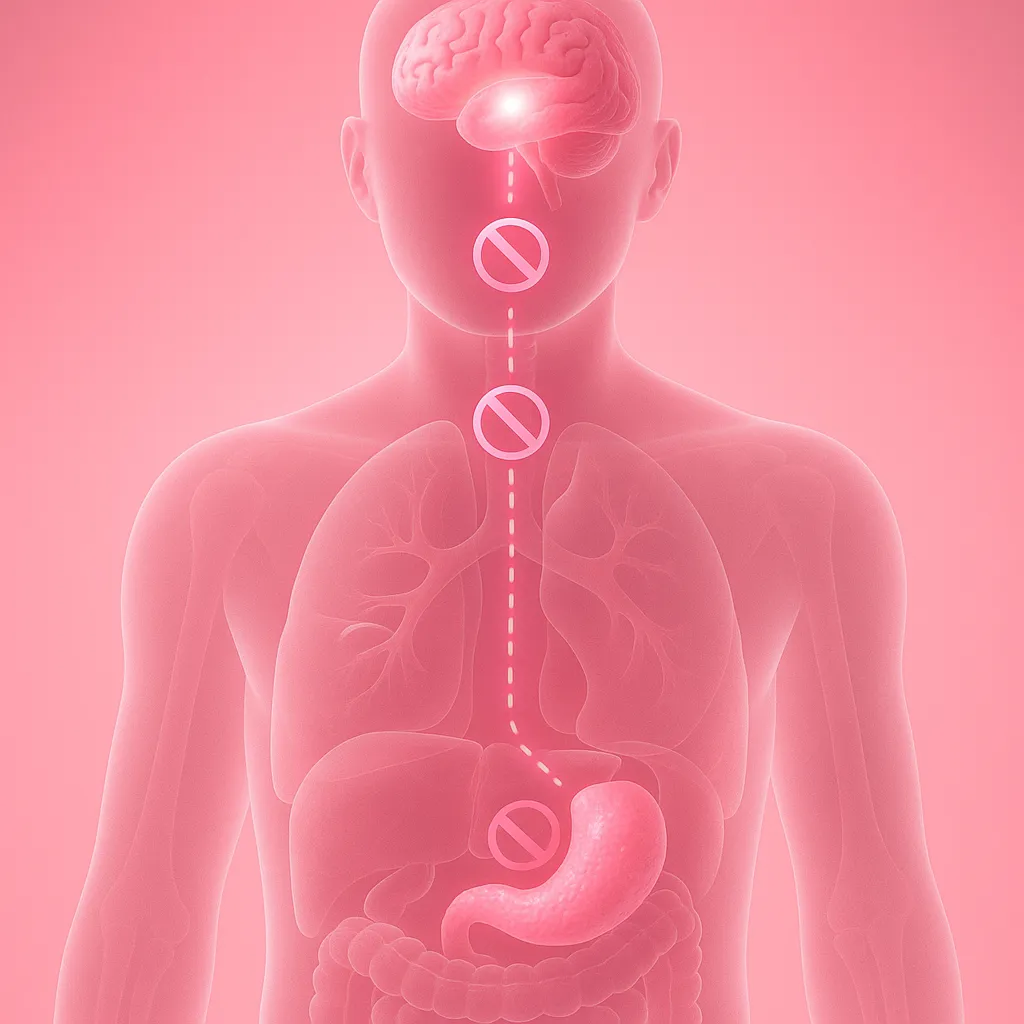
Somatostatin is a peptide hormone produced in the hypothalamus in the brain, in the pancreas, and throughout the gastrointestinal tract.
Hypothalamic somatostatin travels to the pituitary gland and reduces release of growth hormone and thyroid stimulating hormone.
Somatostatin from pancreatic delta cells and gut cells acts locally to reduce insulin, glucagon, and digestive hormone release.
What Somatostatin does in your body
Decreases growth hormone release from the pituitary, helping set the tone of the growth hormone IGF axis.
Reduces thyroid stimulating hormone in some settings, influencing thyroid hormone output.
Slows insulin and glucagon release from the pancreas, shaping blood sugar responses around meals and fasting.
Dampens release of gut hormones and reduces digestive secretions and motility, which can slow digestion when signaling is strong.
Acts as a general modulator that prevents several hormone systems from overshooting during feeding, fasting, and illness.
When testing Somatostatin makes sense
Direct somatostatin testing is uncommon and usually reserved for specialist or research settings, such as:
Evaluation of suspected somatostatin producing neuroendocrine tumors.
Research protocols that map hormone responses in detail during metabolic or endocrine studies.
In routine endocrine care, clinicians focus less on somatostatin itself and more on the hormones it regulates, like growth hormone, IGF-1, thyroid markers, insulin, and glucagon, and on how these change when somatostatin analog treatments are used.
How to think about high and low Somatostatin activity
This information is general and does not replace lab specific methods or medical evaluation.
Because somatostatin is rarely measured directly, clinicians usually infer higher or lower activity from patterns in other hormones and symptoms rather than a single somatostatin value.
Higher somatostatin activity or strong analog effects might be associated with:
Lower growth hormone levels, which is beneficial in acromegaly but may cause fatigue or metabolic changes if oversuppressed.
Reduced insulin and glucagon release, with possible shifts in blood sugar control.
Slower digestion, bloating, or loose stools, especially at higher analog doses.
Reduced gallbladder contraction over time, with increased risk of gallstones in some people on long term therapy.
Lower somatostatin activity as a defined deficiency is not a common stand alone diagnosis. Potential consequences would usually be inferred from relative overactivity of target hormones, such as high growth hormone or gut hormone secretion, and are addressed by treating those specific conditions.
What can influence your Somatostatin levels or signaling
Blood glucose and nutrient status, since pancreatic and gut somatostatin responds to food intake and circulating fuels.
Other hormones, including insulin, glucagon, and gut peptides, through local feedback loops in the pancreas and intestine.
Brain hypothalamic signaling that sets the balance between growth hormone releasing hormone and somatostatin for growth hormone control.
Somatostatin analog medications, which strongly amplify somatostatin like effects on growth hormone and gut hormones.
Liver and kidney function, which influence how both natural hormones and analog drugs are cleared.
Neuroendocrine tumors that produce somatostatin or related peptides in excess.

When to talk to a healthcare provider about Somatostatin related issues
You are being evaluated for acromegaly, hormone producing pituitary tumors, or neuroendocrine tumors and want to understand somatostatin analog options.
You are already on somatostatin analog therapy and notice new digestive symptoms, changes in blood sugar patterns, or right upper abdominal discomfort that might suggest gallbladder issues.
Growth hormone, thyroid markers, or metabolic labs change significantly after starting or adjusting somatostatin based treatment.
There is concern about tumor progression or recurrence in a condition treated with somatostatin analogs.
An endocrinologist or neuroendocrine tumor specialist can interpret how somatostatin or its analogs fit into your broader hormone picture and decide on dose adjustments, further imaging, or additional therapies.
Somatostatin in one view
Somatostatin is an inhibitory signal that keeps growth hormone, thyroid stimulating hormone, insulin, glucagon, and gut hormones from overshooting. In practice, its impact is seen mainly through somatostatin analog drugs used for acromegaly and some neuroendocrine tumors, with progress tracked by changes in Growth hormone, IGF-1, Thyroid, and Glucose markers rather than somatostatin itself. If you are on or being evaluated for somatostatin based therapy, the key is to review the full hormone and symptom pattern with your clinician instead of focusing on a single lab value.