Kisspeptin: Puberty, Fertility, Low vs High Patterns, and Testing
Overview
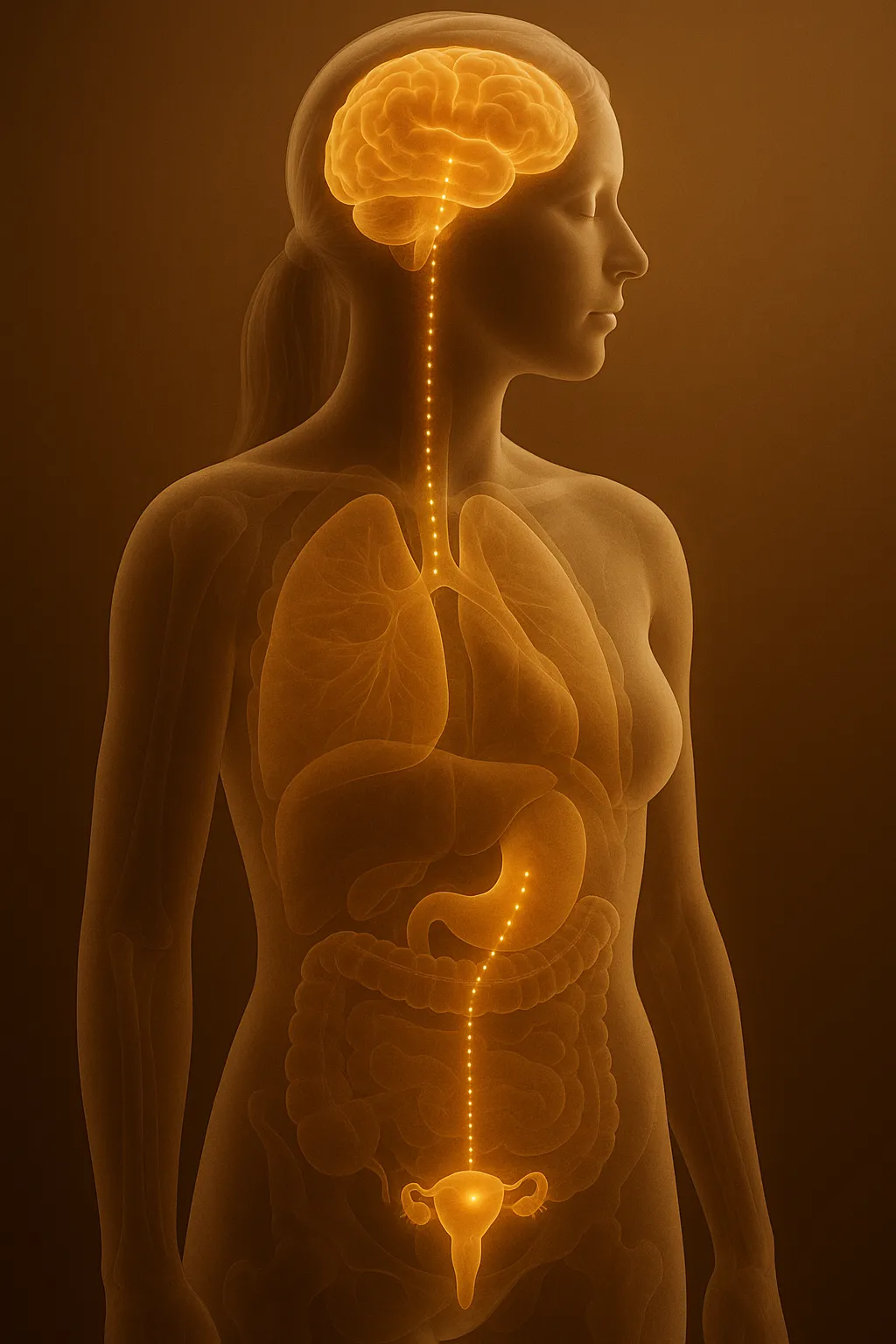
Kisspeptin is a signalling peptide in the brain that acts as an on switch for the reproductive hormone axis. It stimulates gonadotropin releasing hormone (GnRH) neurons, which then drive luteinizing hormone and follicle stimulating hormone from the pituitary and, downstream, sex hormones like estrogen and testosterone. Because of this, kisspeptin is central to the timing of puberty, menstrual cycles, and fertility and is often discussed together with Gonadotropin-Releasing Hormone (GnRH) .
What Kisspeptin is and where it is made
Kisspeptin is a small peptide made mainly in specific groups of neurons in the hypothalamus, a control center deep in the brain.
These neurons sit close to the cells that make GnRH and act as a key input to that system.
Smaller amounts of kisspeptin and its receptors are found in other tissues, including reproductive organs, where it may have local roles.
What Kisspeptin does in your body
Stimulates GnRH neurons in the hypothalamus, which then trigger luteinizing hormone and follicle stimulating hormone release from the pituitary.
Helps set the timing of puberty by turning on the reproductive axis at the right stage of development.
Supports normal menstrual cycles, ovulation, and sperm production through its upstream control of sex hormone release.
Links nutritional status, stress, and other signals to reproductive readiness, helping the body sense when it is safe to invest in fertility.
When Kisspeptin comes into medical conversations
Kisspeptin is not a standard hormone test in routine practice. It usually appears in:
Research or specialist evaluations of early or delayed puberty.
Advanced fertility workups in selected cases, especially when standard hormones do not fully explain the picture.
Experimental or specialist treatments where kisspeptin is used as a drug to trigger reproductive hormones in a controlled way.
For most people, clinicians rely on GnRH related tests, luteinizing hormone, follicle stimulating hormone, estrogen, progesterone, and testosterone rather than measuring kisspeptin directly.
How to think about higher vs lower Kisspeptin activity
There is no common outpatient reference range for kisspeptin used like TSH or prolactin. Instead, doctors infer kisspeptin activity from how the whole reproductive axis behaves. This is general background rather than a direct lab guide.
Lower kisspeptin activity might be associated with:
Delayed or absent puberty when other causes have been excluded.
Some forms of hypothalamic amenorrhea, where stress, low energy availability, or underweight states reduce GnRH drive.
Reduced LH and FSH drive from the pituitary, with low downstream sex hormone levels.
Higher or disinhibited kisspeptin activity might be associated with:
Earlier activation of the reproductive axis in some forms of central precocious puberty.
Stronger LH pulses and increased sex hormone output in certain experimental or treatment settings.
In practice, these patterns are interpreted through LH, FSH, sex hormones, clinical signs, and sometimes GnRH or kisspeptin stimulation tests in specialist centres, rather than a single kisspeptin readout.
What can influence your Kisspeptin system
Nutritional status and energy availability: very low body fat, chronic under eating, or high training loads can reduce reproductive drive.
Stress and illness: significant physical or psychological stress can quiet hypothalamic signals and disrupt cycles.
Puberty timing and genetics: inherited factors strongly influence when kisspeptin and GnRH systems switch on.
Body weight extremes: both underweight and, in some cases, higher adiposity can alter reproductive signalling patterns.
Other hormones: leptin, insulin, thyroid hormones, and cortisol can all send information about energy and stress state into the hypothalamus and interact with kisspeptin pathways.

When to talk to a healthcare provider about Kisspeptin related issues
You do not need a kisspeptin blood test to know that the reproductive axis needs attention. It is worth speaking with a clinician when:
Puberty seems very delayed or very early compared with peers.
Menstrual periods are absent or very irregular for months, especially if pregnancy is not the reason.
There are difficulties conceiving, and basic hormone tests show low or disordered LH, FSH, or sex hormones.
There is a history of low energy availability, significant weight change, heavy training, or stress with changes in cycles or libido.
An endocrinologist or reproductive medicine specialist can interpret LH, FSH, estrogen, progesterone, testosterone, prolactin, thyroid labs, and sometimes imaging to see where the reproductive axis is being affected and whether deeper tests that involve GnRH or kisspeptin are needed.
Kisspeptin in one view
Kisspeptin is a key brain signal that switches on the reproductive hormone axis by activating GnRH neurons and, downstream, luteinizing hormone, follicle stimulating hormone, and sex hormones, which together shape puberty timing, menstrual cycles, sperm production, and fertility. It is rarely measured directly and is instead understood through patterns in LH, FSH, estrogen, testosterone, and clinical signs, often alongside related control signals like Gonadotropin-Releasing Hormone. If puberty, cycles, libido, or fertility are off track, the next step is a structured hormone and lifestyle review with a clinician rather than trying to chase a kisspeptin level on its own.