Peptide YY (PYY): Role, Appetite, Digestion, and Metabolic Health
Overview
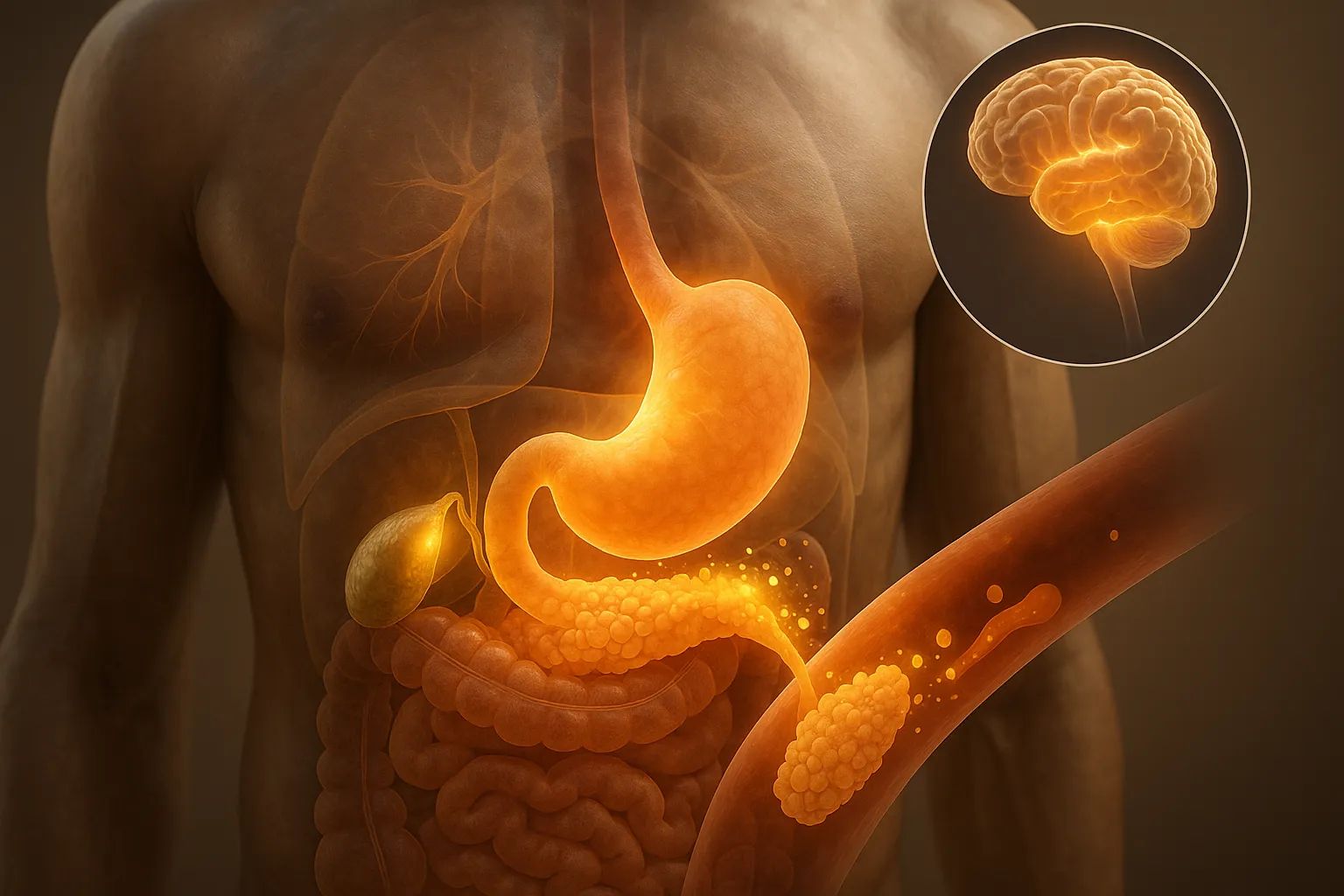
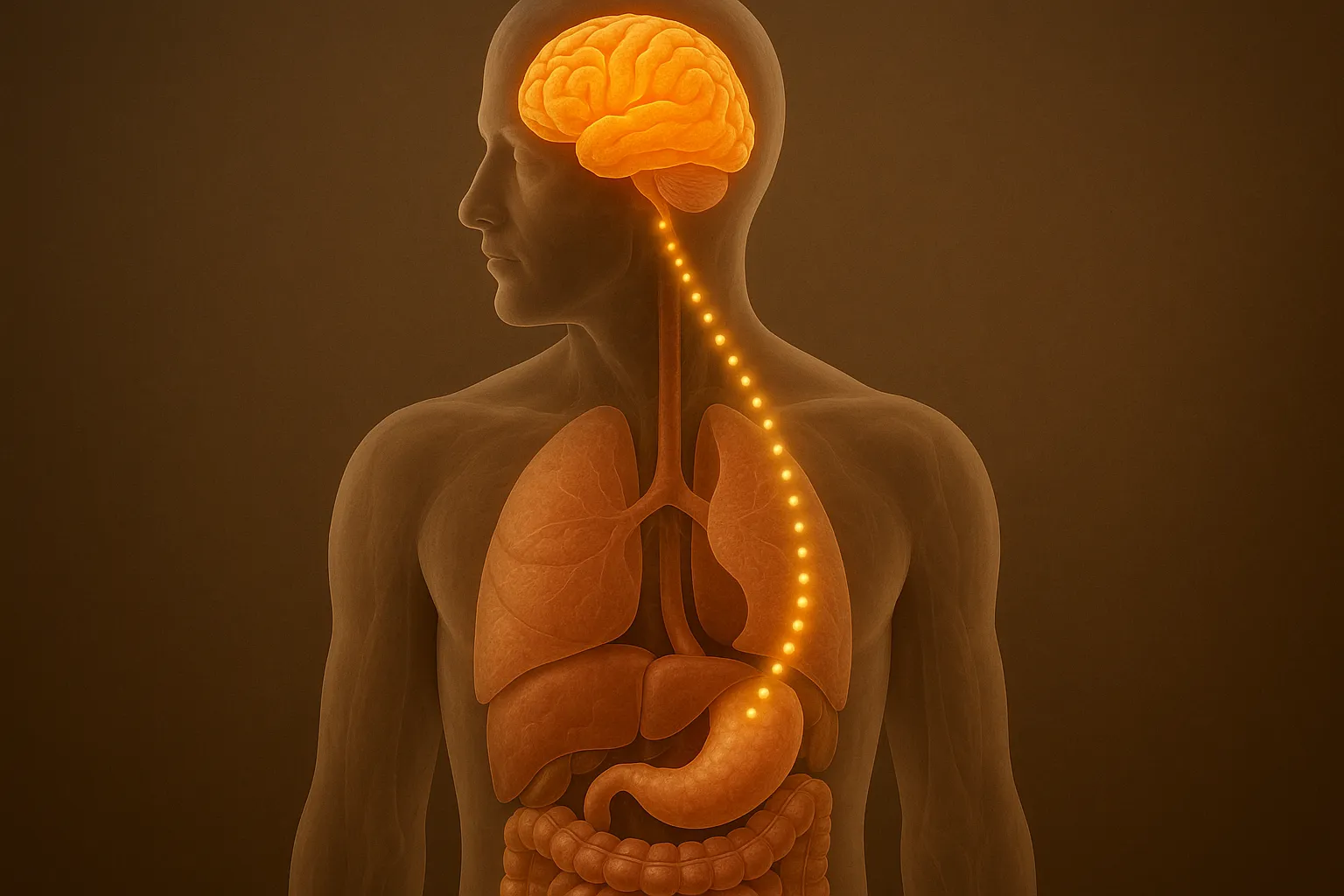
Peptide YY, usually shortened to PYY, is a hormone released by the gut after you eat, especially when a meal has protein and some fat. It travels in the blood and sends “you have eaten enough” messages to the brain, helps slow down gut movement, and can support steadier blood sugar after meals.
PYY often works as a counterbalance to hunger signals like Ghrelin, so it is part of the system that decides how hungry you feel, how quickly you get full, and how easy it is to maintain your weight over time.
What Peptide YY (PYY) is and where it is made
PYY is a peptide hormone made by cells in the lower small intestine and colon.
It is released into the bloodstream after eating, with larger meals and higher protein meals giving stronger signals.
PYY also interacts with gut brain nerves that connect your intestines to appetite centers in the brain.
What Peptide YY does in your body
Reduces appetite and helps you feel full sooner and for longer after a meal.
Slows stomach emptying and gut movement so nutrients are absorbed at a steadier pace.
Supports more stable blood sugar by smoothing how quickly food leaves the stomach and enters the intestine.
Works together with hormones like ghrelin and leptin to shape overall hunger, fullness, and weight patterns.
When Peptide YY (PYY) comes into the picture
PYY is not a standard lab test in everyday practice. It usually comes up in:
Research on obesity, appetite, and weight regain after dieting.
Explanations of why high protein, higher fiber meals tend to be more filling.
Discussions about appetite changes after gut surgery, such as bariatric procedures, where PYY and other gut hormones can shift.
In clinical care, doctors usually track appetite, weight, waist circumference, blood sugar, and lipids rather than ordering a PYY level.
How to think about higher vs lower Peptide YY activity
There is no routine “high PYY” or “low PYY” blood test that is used to guide treatment. Most of what matters is the pattern of appetite, fullness, and weight over time.
Higher or more effective PYY activity might be associated with:
Feeling satisfied with smaller portions.
Less snacking or grazing between meals.
More stable energy and fewer post meal crashes.
Lower or less effective PYY signaling might be associated with:
Weaker fullness signals, especially after processed or low protein meals.
A tendency to overeat before feeling full.
More difficulty maintaining weight in an environment with easy access to calorie dense foods.
These are broad patterns, and many other factors such as sleep, stress, food environment, and other hormones also play a role.
What can influence your Peptide YY (PYY) system
Meal composition: meals with adequate protein and some healthy fat tend to boost PYY more than very low calorie, low protein snacks.
Fiber and food structure: higher fiber, less processed foods generally help fullness signals work better.
Eating speed: slower eating gives more time for PYY and other satiety hormones to rise and reach the brain.
Body weight and insulin resistance: long term weight gain and metabolic changes can alter how fullness signals feel day to day.
Gut surgery: bariatric surgery and some other gut operations can change PYY release patterns.
Sleep and stress: poor sleep and chronic stress can tilt appetite systems toward more hunger and cravings even if PYY is trying to help.

When to talk to a healthcare provider about Peptide YY related issues
You do not need a PYY test to know if appetite or weight regulation feels hard. It is worth talking with a clinician when:
You rarely feel full or find it very hard to stop eating once you start.
Your weight or waist size keeps increasing despite genuine efforts with food and movement.
You have strong evening or stress driven overeating that does not match daytime hunger.
You have had gut surgery and your appetite or weight has changed in confusing ways.
A clinician can help look at sleep, stress, diet quality, meal structure, movement, medications, and standard markers such as Fasting Glucose, HbA1c, lipids, and weight trends to design a plan that supports healthier appetite signaling without focusing on PYY as a single lab target.
Peptide YY (PYY) in one view
Peptide YY is a gut hormone that rises after meals, especially with protein rich food, and tells your brain that you are getting full while slowing digestion to support more stable blood sugar. It is not usually measured directly; its effects show up in how easily you feel satisfied, how often you overeat, and how your weight and glucose markers such as Fasting glucose behave over time. If appetite, portions, or weight are hard to manage, the next step is a structured plan with a clinician that works on sleep, stress, food quality, meal timing, and movement, rather than trying to chase PYY levels themselves.