Glucagon-Like Peptide-1 (GLP-1): Role, Appetite, Blood Sugar, and Medication Context
Overview
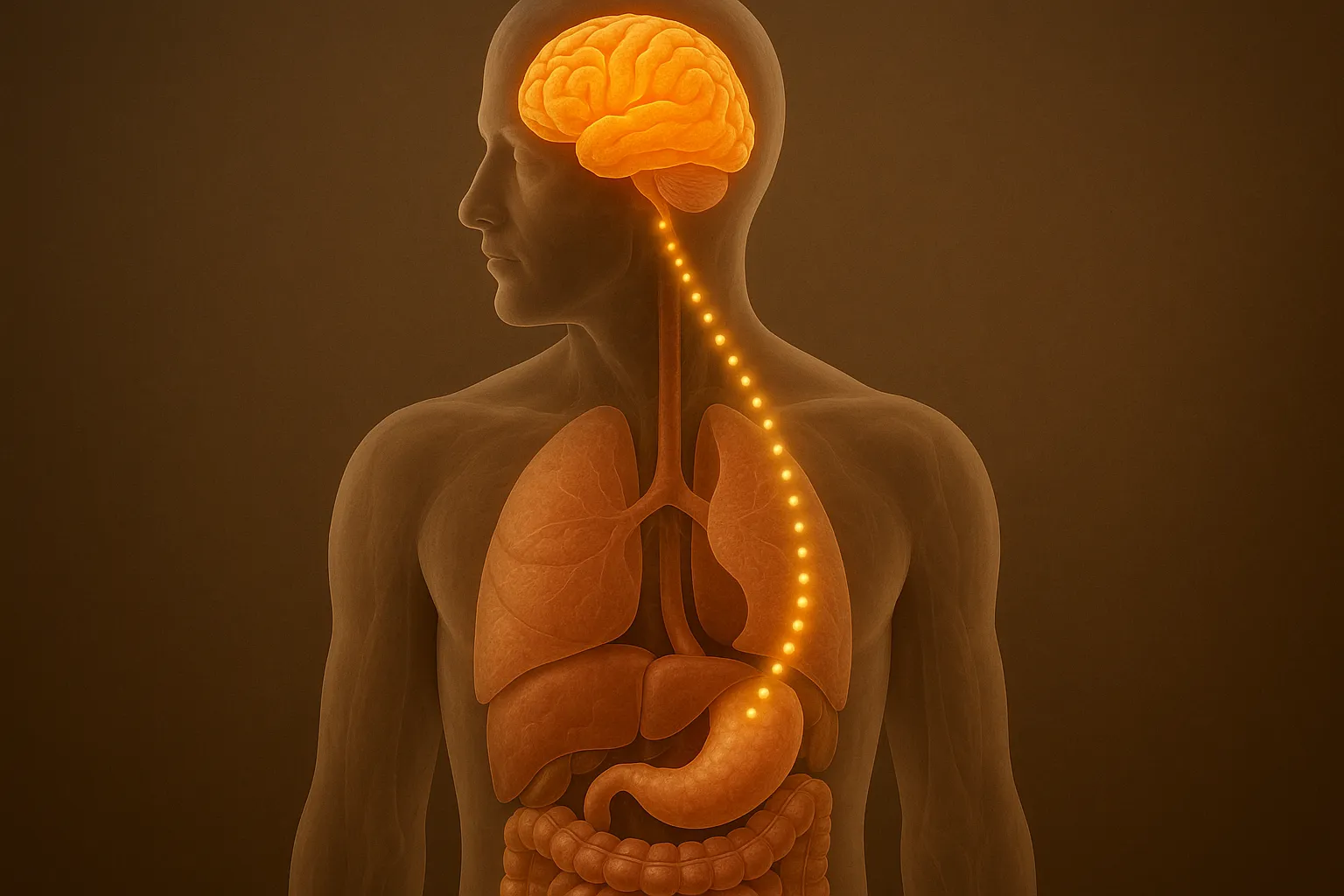
Glucagon like peptide 1, usually shortened to GLP 1, is a hormone released from the gut when you eat. It helps your pancreas release insulin in a more targeted way, slows how fast food leaves the stomach, and sends “you are getting full” signals to the brain. Together, these effects can support steadier blood sugar, smaller portions, and gradual weight loss in the right setting.
Modern GLP 1 based medicines copy or amplify this signal and are used for type 2 diabetes and obesity care, but the underlying biology still depends on classic markers like fasting glucose and HbA1c rather than a direct GLP 1 lab.
What Glucagon-Like Peptide-1 (GLP-1) is and where it is made
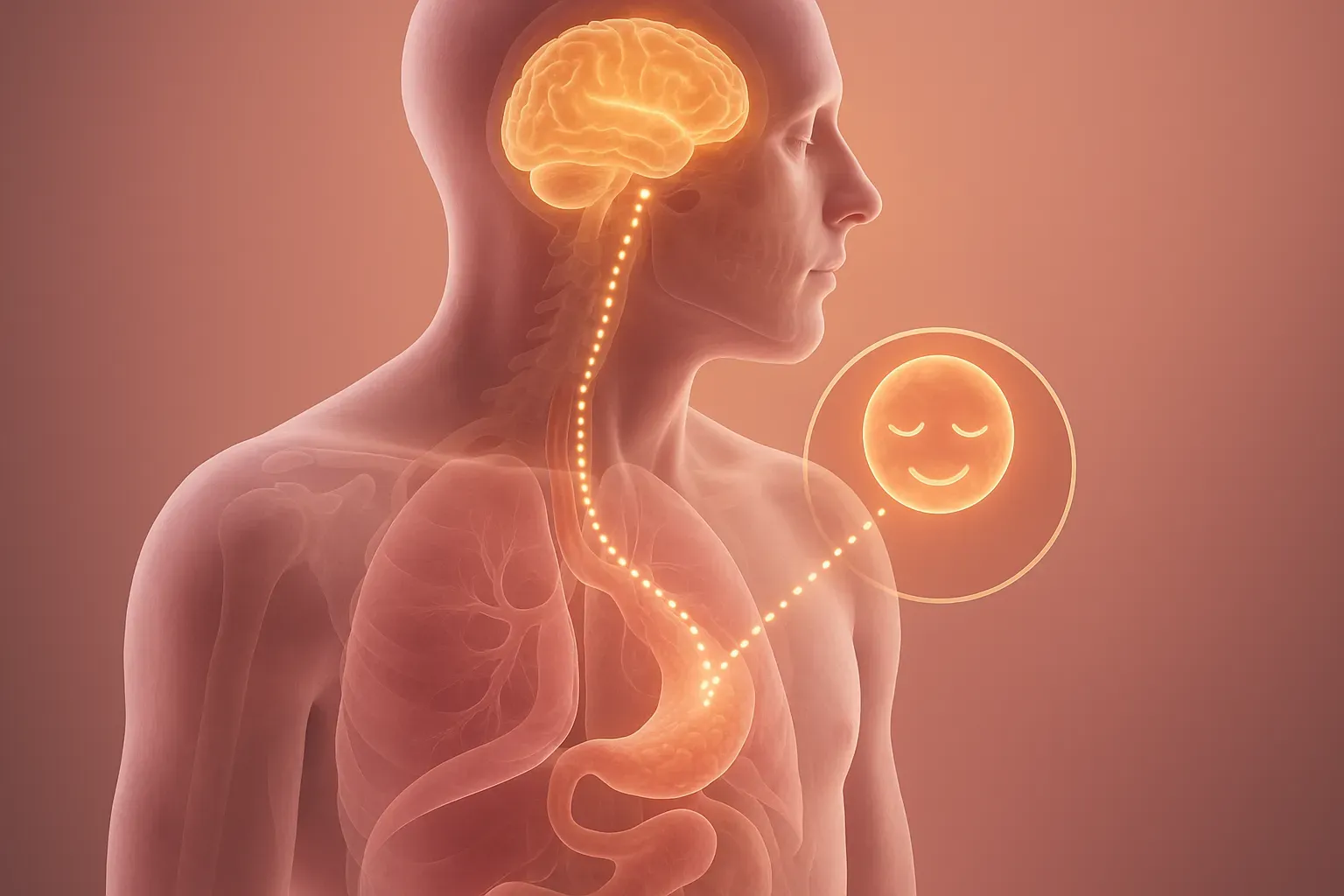
GLP 1 is a peptide hormone made by cells in the lower small intestine and colon.
It is released into the bloodstream after meals, especially when food with carbohydrates, protein, and fat reaches the gut.
GLP 1 also signals through nerves that connect the gut to appetite and metabolic centres in the brain.
What GLP-1 does in your body
Helps the pancreas release more insulin when glucose is high and less when glucose is normal, which supports better blood sugar control.
Reduces glucagon release after meals, which lowers unnecessary glucose output from the liver.
Slows stomach emptying so glucose enters the bloodstream more gradually.
Sends satiety signals to the brain, often leading to smaller portions and less snacking.
Over time, these effects can support weight loss, better glycaemic control, and possibly reduced cardiovascular risk when the whole plan is well managed.
When Glucagon-Like Peptide-1 (GLP-1) comes into the picture
In routine care, GLP 1 itself is not usually measured as a lab test. Instead, it is discussed in two main ways:
As a natural gut hormone that helps explain why some meals keep you fuller and support steadier blood sugar.
As the target of GLP 1 receptor agonist medicines, which are prescribed for type 2 diabetes and, in some cases, obesity.
Doctors typically monitor blood sugar and metabolic health using fasting glucose, HbA1c, lipids, weight, and sometimes insulin or HOMA-IR, rather than ordering a GLP 1 level.
How to think about higher vs lower Glucagon-Like Peptide-1 activity
There is no standard “high GLP 1” or “low GLP 1” blood test used to guide day to day treatment. Most of what matters is how the system behaves and whether medicines are in use.
Higher GLP-1 activity might be associated with:
Better post meal blood sugar control because of more targeted insulin release.
Stronger fullness signals and smaller portion sizes.
Gradual weight loss or easier weight maintenance when paired with nutrition and movement.
Natural GLP 1 activity can also be increased indirectly with diet, sleep, and possibly certain medications, but this is usually tracked via glucose and weight rather than GLP 1 levels.
Lower or less effective GLP-1 activity might be associated with:
Weaker fullness signals and a tendency to overeat, especially with fast, processed meals.
More pronounced post meal glucose spikes.
Higher long term risk of insulin resistance and type 2 diabetes when combined with other risk factors.
These are broad patterns. GLP 1 is one part of a larger network that includes Insulin, Glucagon, Ghrelin, PYY, and Leptin.
What can influence your Glucagon-Like Peptide-1 (GLP-1) system
Meal pattern: mixed meals with protein, fat, and fibre tend to support better GLP 1 and satiety signalling than rapid liquid calories or ultra processed snacks.
Eating speed: slower eating gives more time for GLP 1 and other satiety hormones to rise and reach the brain.
Body weight and insulin resistance: long term metabolic changes can alter how appetite and incretin systems feel and respond.
Sleep and circadian rhythm: poor or irregular sleep can worsen glucose control and appetite, even if GLP 1 is trying to help.
Physical activity: regular movement improves insulin sensitivity and overall metabolic health, which pairs well with GLP 1 effects.
Medications: GLP 1 receptor agonists and some other diabetes drugs act directly or indirectly on this pathway.
When to talk to a healthcare provider about Glucagon-Like Peptide-1
It is important to involve a clinician when:
You have prediabetes or type 2 diabetes and blood sugar is not well controlled despite lifestyle efforts.
You are considering GLP 1 based medicines for diabetes or weight management and want to understand benefits, risks, and alternatives.
You notice strong nausea, vomiting, or significant appetite loss after starting a GLP 1 medicine.
You have a history of pancreatitis, gallbladder disease, or certain endocrine conditions and are unsure if GLP 1 drugs are safe for you.
A clinician, often an endocrinologist or metabolic specialist, can interpret your glucose markers, weight trend, and medical history, then decide whether GLP 1 based treatment, other medicines, or a lifestyle focused plan is the best fit.
Glucagon-Like Peptide-1 (GLP-1) in one view
Glucagon like peptide 1 is a gut hormone that helps the pancreas release insulin more intelligently, slows stomach emptying, and tells your brain that you have had enough to eat, which together support steadier blood sugar and easier portion control. In practice, doctors do not track a “GLP 1 level” but instead watch fasting glucose, HbA1c, weight, and related markers while using lifestyle changes and, when appropriate, GLP 1 based medicines. If blood sugar, weight, or medication effects feel off, the next step is a structured review with a clinician rather than self adjusting therapy or relying on the hormone’s name alone.