Glucagon: Low vs High Signs, Testing, Blood Sugar, and Fasting
Overview
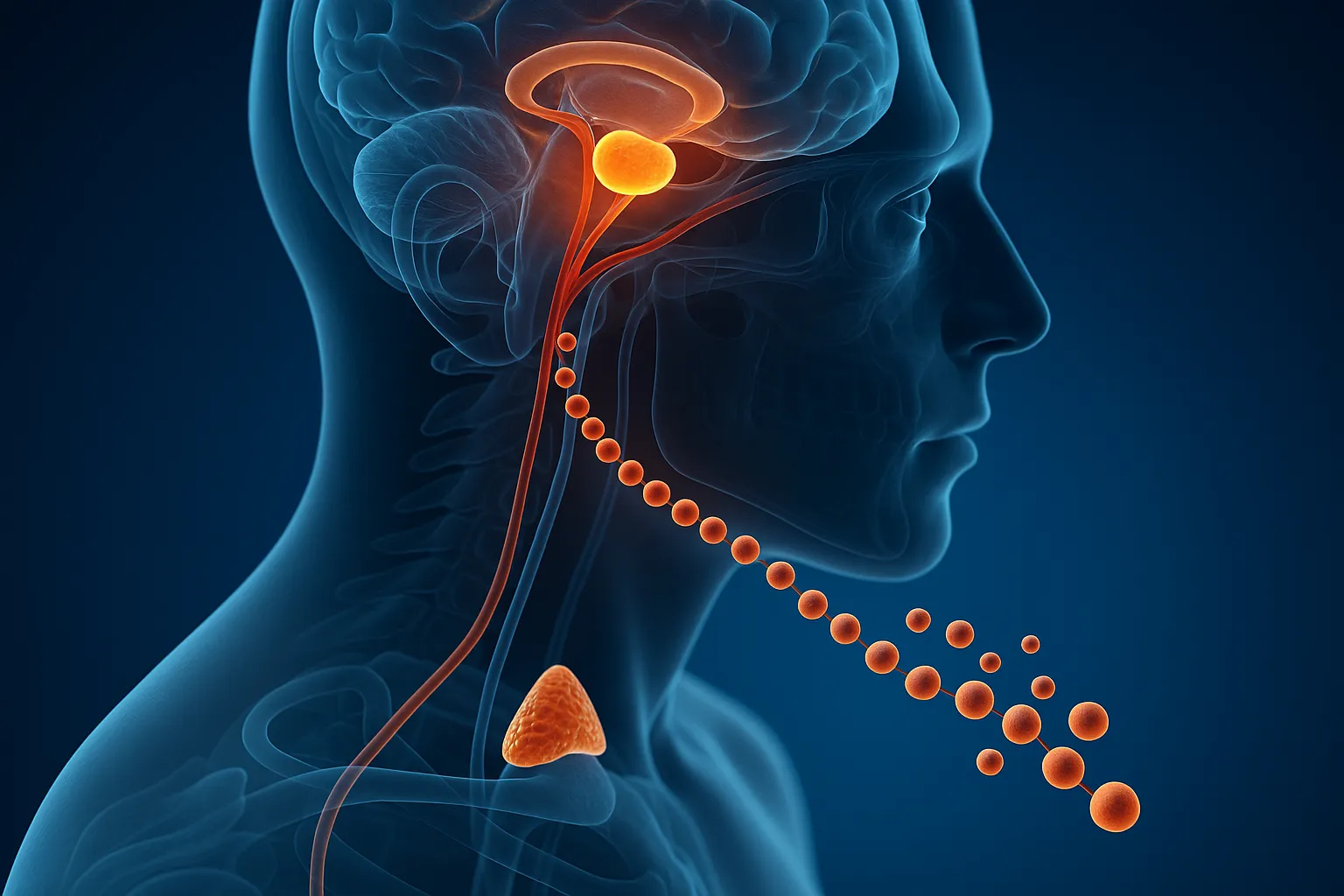
Glucagon is a hormone made by the pancreas that raises blood sugar when it starts to fall, especially between meals, overnight, and during fasting or exercise. It tells the liver to release stored glucose and to make new glucose, so that the brain and other organs have a steady fuel supply. Together with insulin, which lowers blood sugar after eating, glucagon helps keep blood sugar within a safe range across the day.
Clinicians usually think about glucagon as part of the insulin glucagon balance, especially in diabetes, hypoglycemia, and some rare pancreatic or metabolic conditions, and often interpret it conceptually alongside Insulin .
What Glucagon is and where it is made
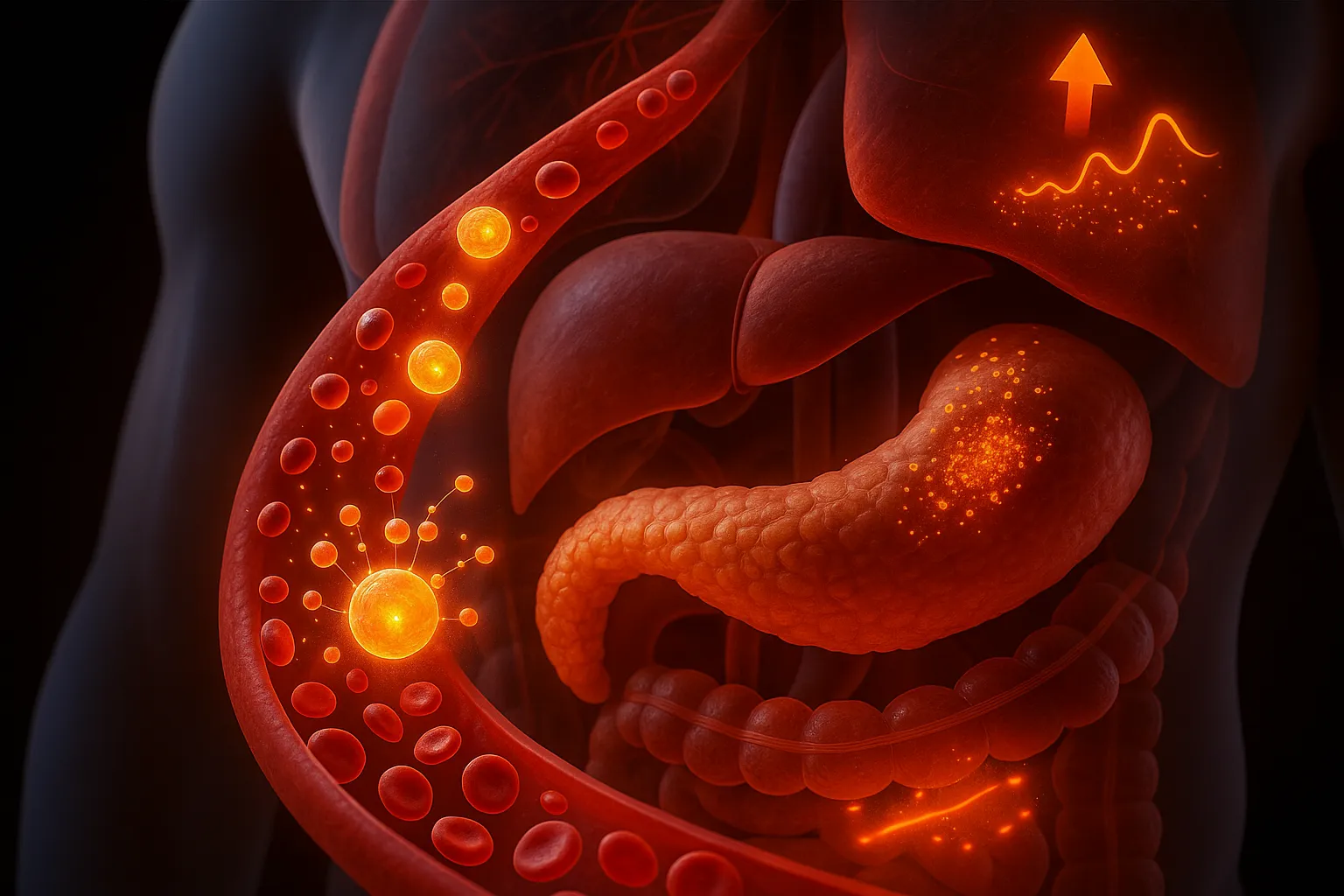
Glucagon is a peptide hormone produced by alpha cells in the pancreas.
It is released when blood glucose starts to drop, during fasting, exercise, or in response to certain stress signals.
Glucagon travels through the bloodstream to the liver and other tissues to adjust how stored fuel is used.
What Glucagon does in your body
Stimulates the liver to break down glycogen, the stored form of glucose, and release glucose into the blood.
Promotes the making of new glucose from amino acids and other precursors during longer fasts.
Helps prevent blood sugar from dropping too low between meals or overnight.
Supports metabolic flexibility by letting the body switch between fed and fasted states.
Works in opposition to insulin after meals, so that blood sugar does not stay too high or too low for long.
When testing Glucagon makes sense
Glucagon is not part of standard metabolic panels and is usually measured only in specialist contexts, such as:
Evaluation of rare glucagon secreting tumors (glucagonomas), often with weight loss, high blood sugar, and skin changes.
Research or advanced endocrine assessments looking at hormone responses to fasting, meals, or exercise.
Selected hypoglycemia or diabetes evaluations when a specialist is mapping counter regulatory hormone responses.
For most people with blood sugar concerns, tests like fasting glucose, HbA1c, and insulin patterns provide more practical information than glucagon itself.
How to think about high and low Glucagon activity
This information is general and does not replace lab specific reference ranges or medical evaluation.
Low glucagon activity might be associated with:
Reduced ability to raise blood sugar during fasting or hypoglycemia in certain pancreatic conditions.
Higher risk of blood sugar dropping too low in some people with long standing diabetes or severe pancreatic damage.
These patterns are usually considered in advanced endocrine or diabetes care rather than managed through glucagon numbers alone.
High glucagon activity might be associated with:
Higher blood sugar, especially in the fasting state, when glucagon is inappropriately elevated.
Some forms of type 2 diabetes where glucagon stays high even when blood sugar is already elevated.
Rare glucagon secreting tumors, often with marked hyperglycemia, weight loss, and a characteristic rash.
Because many factors influence blood sugar, glucagon results are most useful when interpreted together with insulin, glucose, and clinical context.
What can influence your Glucagon levels or effects
Meal timing and composition, particularly long gaps without food and very low carbohydrate intake.
Overall blood sugar control and insulin levels, especially in diabetes.
Intense or prolonged exercise, which can raise glucagon to support fuel availability.
Alcohol intake, which can complicate how the liver responds to glucagon during fasting.
Pancreatic health, including chronic pancreatitis or surgery.
Certain diabetes medications that act on incretin or glucagon pathways.
Acute illness, stress, or infection, which can shift multiple counter regulatory hormones at once.

When to talk to a healthcare provider about Glucagon related issues
Frequent low blood sugar episodes, especially overnight or between meals.
Fasting or random blood sugars that are high despite lifestyle changes and usual diabetes care.
Unexplained weight loss, high blood sugar, and skin changes that raise concern for rare pancreatic conditions.
Questions about how meal timing, fasting, or specific medications might be affecting your blood sugar swings.
A clinician can decide whether detailed glucagon testing adds value or whether focusing on glucose, insulin, diet, and medications will answer most of the practical questions.
Glucagon in one view
Glucagon is a pancreatic hormone that raises blood sugar between meals and during fasting by telling the liver to release and make more glucose. Its day to day impact is best seen through blood sugar patterns rather than isolated glucagon labs, and for most people it is managed indirectly through nutrition, movement, and diabetes care plans, often within a structured Blood Sugar Stabilization approach rather than by targeting glucagon levels alone.