Adrenocorticotropic Hormone (ACTH): Low vs High Signs, Testing, and Adrenal Function
Overview
Adrenocorticotropic hormone, usually shortened to ACTH, is a pituitary hormone that tells the adrenal glands to make cortisol and related steroids. It sits at the center of the hypothalamic pituitary adrenal axis and helps coordinate how you respond to physical and psychological stress, illness, and changes in sleep or blood sugar. When ACTH signaling is disrupted, both low cortisol states and high cortisol patterns can develop.
In practice, ACTH is almost always interpreted together with Cortisol so that the brain signal and adrenal output can be seen side by side.
What Adrenocorticotropic Hormone (ACTH) is and where it is made
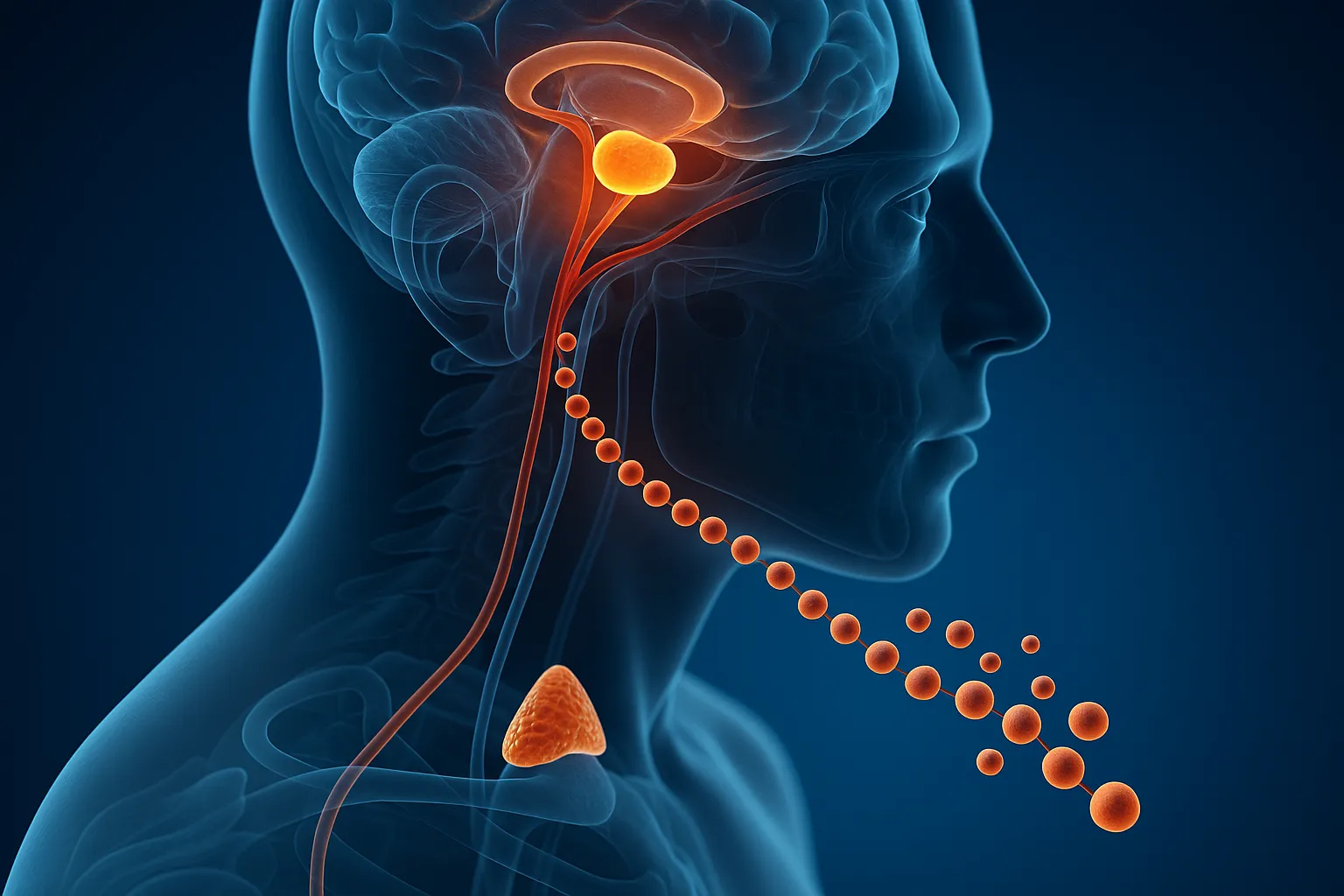
ACTH is a peptide hormone produced by the anterior pituitary gland at the base of the brain.
Its release is stimulated by corticotropin releasing hormone from the hypothalamus, especially in response to stress.
ACTH travels through the bloodstream to the adrenal cortex, where it binds receptors and drives cortisol production.
What ACTH does in your body
Stimulates the adrenal cortex to produce cortisol and, to a lesser extent, other adrenal steroids.
Helps maintain the normal daily rhythm of cortisol, with higher levels in the early morning and lower levels at night.
Coordinates the stress response, helping mobilize energy, adjust blood pressure, and shape immune activity.
Influences mood, alertness, and resilience when paired with appropriate cortisol levels.
When testing Adrenocorticotropic Hormone (ACTH) makes sense
Evaluation of suspected adrenal insufficiency, such as fatigue, weight loss, low blood pressure, or low sodium.
Workup of suspected Cushing syndrome, where cortisol is inappropriately high.
Differentiating between primary adrenal causes (problem at the adrenal gland) and secondary or tertiary causes (problem at the pituitary or hypothalamus).
Follow up after treatment of pituitary or adrenal tumors that affect cortisol production.
Selected cases of other pituitary disorders where multiple pituitary hormones are checked together.
ACTH is usually measured in specialized blood tests that require careful timing and handling, often early in the morning.
How to think about high and low Adrenocorticotropic Hormone results
This information is general and does not replace lab specific reference ranges, timing rules, or medical evaluation.
Low ACTH might be associated with:
Secondary adrenal insufficiency, where the pituitary does not send enough ACTH to the adrenals.
Long term use of glucocorticoid medications, which can suppress ACTH and adrenal function.
Pituitary or hypothalamic disorders that reduce ACTH production.
In these cases, cortisol is often low as well, and symptoms can include fatigue, low blood pressure, weight loss, and low stress tolerance.
High ACTH might be associated with:
Primary adrenal insufficiency, where damaged or underactive adrenals cannot respond, so ACTH rises in compensation.
ACTH dependent Cushing syndrome, where a pituitary adenoma or, less often, another tumor produces excess ACTH and cortisol stays high.
Acute stress, illness, or low cortisol states where ACTH is appropriately elevated.
Markedly high ACTH levels, especially with high cortisol, usually trigger further imaging and dynamic testing to identify the source.
What can influence your Adrenocorticotropic Hormone levels
Time of day, since ACTH and cortisol have a strong daily rhythm.
Acute and chronic stress, including illness, surgery, pain, or psychological stress.
Glucocorticoid medications such as prednisone, dexamethasone, or high dose inhaled or topical steroids.
Pituitary and hypothalamic health, including benign adenomas, prior surgery, radiation, or head trauma.
Adrenal health and any prior adrenal surgery or disease.
Severe systemic illnesses that can temporarily disrupt the hypothalamic pituitary adrenal axis.

When to talk to a healthcare provider about Adrenocorticotropic Hormone
Symptoms that suggest adrenal insufficiency, such as persistent fatigue, dizziness on standing, unintentional weight loss, or darkening of skin.
Signs that suggest cortisol excess, such as easy bruising, central weight gain, muscle weakness, or high blood pressure and blood sugar that are hard to control.
ACTH results that are clearly outside the reference range, especially when cortisol is also abnormal.
Use of long term glucocorticoids with concerns about adrenal suppression or tapering.
Known pituitary or adrenal tumors, or previous surgery or radiation to these areas.
A clinician, often an endocrinologist, can interpret ACTH and cortisol together, choose appropriate stimulation or suppression tests, and decide whether imaging, medication changes, or other steps are needed.
Adrenocorticotropic Hormone (ACTH) in one view
Adrenocorticotropic hormone is the pituitary signal that tells your adrenal glands how much cortisol to make, sitting at the core of the stress axis that shapes energy, blood sugar, and resilience. On its own the number is hard to use, but alongside cortisol and symptoms it helps distinguish adrenal from pituitary causes of low or high cortisol, and is best folded into a structured stress and recovery plan, often similar in spirit to a Stress Resilience Protocol rather than being interpreted in isolation.