
Human Chorionic Gonadotropin (hCG): Low vs High Signs, Testing, Pregnancy, and Fertility
Overview
Human chorionic gonadotropin, usually shortened to hCG, is a hormone produced in early pregnancy by the developing embryo and then by the placenta. It signals the ovary to keep producing progesterone so that the uterine lining stays stable and can support implantation and early embryo growth. hCG is the hormone detected by standard pregnancy tests, and its rise over time is often tracked in early pregnancy and in fertility care.
Clinicians usually interpret hCG alongside Progesterone and ultrasound findings to understand how early pregnancy is progressing and whether the location and timing match expectations.
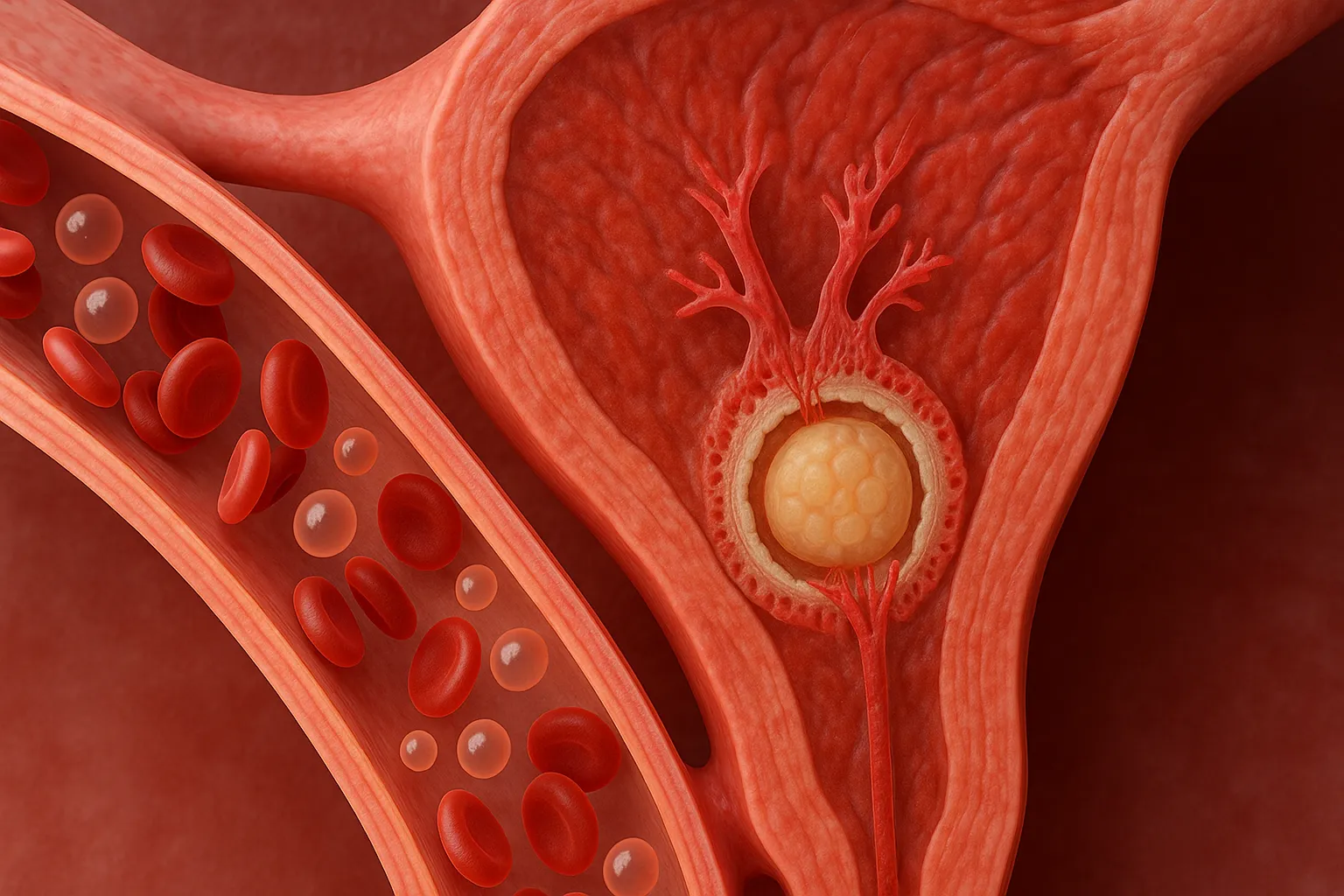
What Human Chorionic Gonadotropin is and where it is made
hCG is a glycoprotein hormone made by cells of the early embryo and then by placental trophoblast cells after implantation.
It is structurally related to luteinizing hormone and can act on similar receptors in the ovary.
Production starts very soon after implantation, rises quickly in early pregnancy, then changes pattern later in gestation.
What Human Chorionic Gonadotropin does in your body
Stimulates the corpus luteum in the ovary to keep producing progesterone in early pregnancy.
Helps maintain the uterine lining so the embryo can implant and continue to develop.
Serves as a key signal that pregnancy has begun and is progressing in the early weeks.
Acts as a marker in some fertility treatments where hCG is used to trigger ovulation or support luteal function.
In non pregnancy contexts, abnormal hCG production can be a marker for certain tumors, which is used diagnostically and in follow up.
When testing Human Chorionic Gonadotropin makes sense
Confirmation of pregnancy using blood or urine tests.
Tracking early pregnancy progression when there is bleeding, pain, or uncertainty about viability or location.
Distinguishing between normal, failing, or ectopic early pregnancy when used together with ultrasound and clinical findings.
Monitoring after miscarriage or pregnancy loss to be sure hCG returns to non pregnant levels.
Monitoring trophoblastic disease or certain tumors that produce hCG.
Guiding and timing aspects of fertility treatment where hCG triggers ovulation or supports luteal phase.
How to think about high and low Human Chorionic Gonadotropin results
This information is general and does not replace lab specific reference ranges, pregnancy dating, or medical evaluation.
Lower than expected hCG for gestational age might be associated with:
Very early pregnancy where dating is uncertain and levels are still low.
Pregnancies that are not developing as expected, including some early losses.
Ectopic pregnancy, especially when hCG rises more slowly than in a typical intrauterine pregnancy.
Higher than expected hCG for gestational age might be associated with:
Multiple pregnancy such as twins, though there is wide overlap with single pregnancies.
Some forms of trophoblastic disease where hCG is produced in excess.
Dating that is further along than initially thought.
The pattern over time usually matters more than a single number. In early pregnancy, clinicians often repeat hCG 48 to 72 hours apart and interpret the trend together with symptoms and ultrasound imaging.
What can influence your Human Chorionic Gonadotropin levels
Timing since conception and accuracy of gestational age dating.
Location and health of the pregnancy, including ectopic or failing pregnancies.
Multiple pregnancies, where levels can be higher on average.
Fertility medications that contain or stimulate hCG.
Trophoblastic disease and certain germ cell or other tumors that produce hCG.
Laboratory methods and whether the test is urine or blood, and how soon after a missed period it is done.

When to talk to a healthcare provider about Human Chorionic Gonadotropin
A positive pregnancy test with pain, bleeding, or faintness, especially if pregnancy location is not yet confirmed.
hCG values that are lower or higher than expected for gestational age on a report.
Concerns about miscarriage or early pregnancy not progressing as expected.
Known trophoblastic disease or prior molar pregnancy, with questions about hCG follow up.
Questions about how fertility medications using hCG interact with home pregnancy tests or blood tests.
A clinician can interpret hCG trends with symptoms, examination, and ultrasound, and can explain when variation is normal and when it suggests a pregnancy that needs closer monitoring or intervention.
Human Chorionic Gonadotropin in one view
Human chorionic gonadotropin is the early pregnancy signal that keeps progesterone high, supports the uterine lining, and forms the backbone of modern pregnancy testing. Its meaning depends heavily on timing, trend over days, and ultrasound findings, so any unexpected result is best read together with Progesterone and a structured early pregnancy plan rather than being interpreted in isolation.