Progesterone: Low vs High Signs, Testing, Sleep, and Fertility
Overview
Progesterone is a key sex hormone that rises after ovulation and helps stabilize the menstrual cycle, support early pregnancy, and influence sleep and mood. It is mainly discussed in women, but smaller amounts are also present in men. Clinicians often look at progesterone when there are short or irregular cycles, spotting before a period, fertility problems, early pregnancy concerns, or significant premenstrual mood and sleep symptoms.
In practice, progesterone is usually interpreted together with Estrogen so that both sides of the cycle and symptom pattern can be viewed in context.
What Progesterone is and where it is made
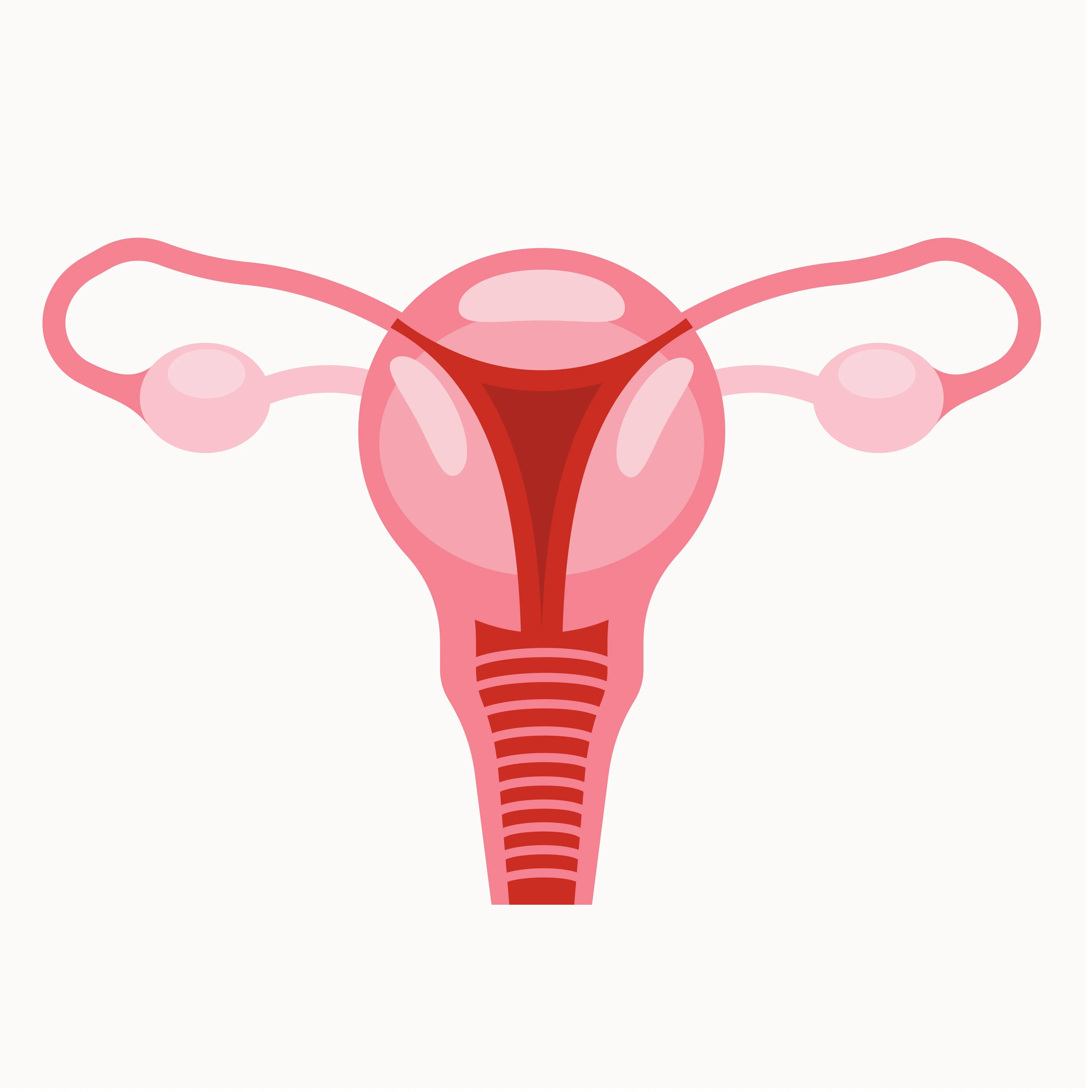
Progesterone is a steroid hormone that is part of the sex and reproductive hormone system.
In women of reproductive age it is produced mainly by the corpus luteum in the ovary after ovulation, and later in pregnancy by the placenta. Smaller amounts are made by the adrenal glands.
In men and in postmenopausal women lower levels of progesterone are produced by the adrenal glands and through conversion of other steroid hormones.
What Progesterone does in your body
Prepares and stabilizes the uterine lining so that a fertilized egg can implant and an early pregnancy can continue.
Helps regulate the second half of the menstrual cycle and the timing of a period.
Modulates the immune environment in the uterus to support early pregnancy.
Influences sleep quality and calmness through effects on brain pathways such as GABA.
Affects mood, stress tolerance, and premenstrual symptoms in some people.
Slightly increases body temperature in the luteal phase, which is one reason basal temperature tracking can help confirm ovulation.
Works together with estrogen to balance effects on breast tissue and the uterine lining.
When testing Progesterone makes sense
Suspected anovulation, irregular cycles, or uncertainty about whether ovulation is actually occurring.
Short luteal phase, spotting before a period, or cycles that feel unstable month to month.
Difficulty conceiving, evaluation of luteal phase support, or workup for recurrent early pregnancy loss.
Monitoring early pregnancy in some high risk situations, when guided by a clinician.
Significant premenstrual symptoms such as mood shifts, sleep problems, or breast tenderness that may relate to luteal phase hormone swings.
Follow up of progesterone based treatments such as oral progesterone, vaginal preparations, or intrauterine devices that release progestin, when a clinician wants to correlate dose with symptoms and labs.
How to think about high and low Progesterone results
This information is general and does not replace lab specific reference ranges or medical evaluation.
Low progesterone might be associated with:
Little or no rise in the mid luteal phase on cycle tracking labs.
Short luteal phase, early spotting before a period, or cycles that are irregular.
Difficulty conceiving or possible contribution to recurrent early pregnancy loss in some cases.
More pronounced premenstrual symptoms when estrogen is not well balanced by progesterone.
Perimenopausal patterns where ovulation is less consistent and cycles become more variable.
Possible contributors include cycles without ovulation, early ovarian insufficiency, significant stress or underfueling that suppress ovulation, some endocrine conditions, and the natural transition into perimenopause and menopause.
High progesterone might be associated with:
Normal healthy luteal phase or ongoing pregnancy, where higher values are expected.
Progesterone medication use, particularly higher doses.
Rarely, certain ovarian or adrenal conditions that produce excess progesterone or related hormones.
Isolated high values should be interpreted carefully in relation to cycle day, pregnancy status, and medication use. A repeat level in the correct cycle window and comparison with other hormones often helps clarify whether a result is expected or not.
What can influence your Progesterone levels
Whether and when ovulation occurs in the cycle.
The exact day in the luteal phase when blood is drawn, since progesterone rises and falls over several days.
Pregnancy, since levels typically rise to support the uterine lining and early development.
Use of hormonal contraception, luteal phase support, or menopause hormone therapy that includes progesterone or progestins.
High physical or psychological stress that can disrupt ovulation or luteal function.
Very low calorie intake, rapid weight loss, eating disorders, or intense training without adequate fuel.
Ovarian reserve and age related changes as cycles move into perimenopause.
Liver function and some medications that change hormone metabolism or binding.

When to talk to a healthcare provider about Progesterone
Persistent spotting before your period, very short luteal phases, or cycles that are hard to predict.
Difficulty conceiving after trying for several months, especially if cycles seem irregular or symptoms suggest ovulation may be inconsistent.
Recurrent early pregnancy loss or early pregnancy concerns when your clinician suggests hormone testing.
Severe or disabling premenstrual symptoms that cluster in the second half of the cycle.
Questions or side effects related to progesterone based therapies, including oral, vaginal, or intrauterine options.
A clinician can help decide when to test, choose the right cycle day, and interpret progesterone alongside other hormones and your symptoms instead of relying on one isolated number.
Progesterone in one view
Progesterone is the main hormone of the luteal phase that stabilizes the uterine lining, supports early pregnancy, and shapes sleep and mood in the second half of the cycle. Its lab result is most useful when timed correctly after ovulation and read together with cycle tracking and symptoms, sometimes alongside a structured sleep routine such as a Sleep Optimization Aproach.