Estrogen Roles in Cycle, Fertility, Bone, and Mood
Overview
Estrogen is a key sex hormone family that shapes the menstrual cycle, fertility, bone strength, brain function, and parts of metabolic and cardiovascular health. It is mostly discussed in women, but it also matters in men and in bone and brain aging. Clinicians usually check estrogen when there are cycle changes, hot flashes, mood shifts, fertility concerns, breast symptoms, or as part of a broader hormone or menopause panel.
In everyday practice, estrogen is often interpreted together with Progesterone so that cycle timing, symptoms, and lab patterns can be viewed as a whole.
What Estrogen is and where it is made
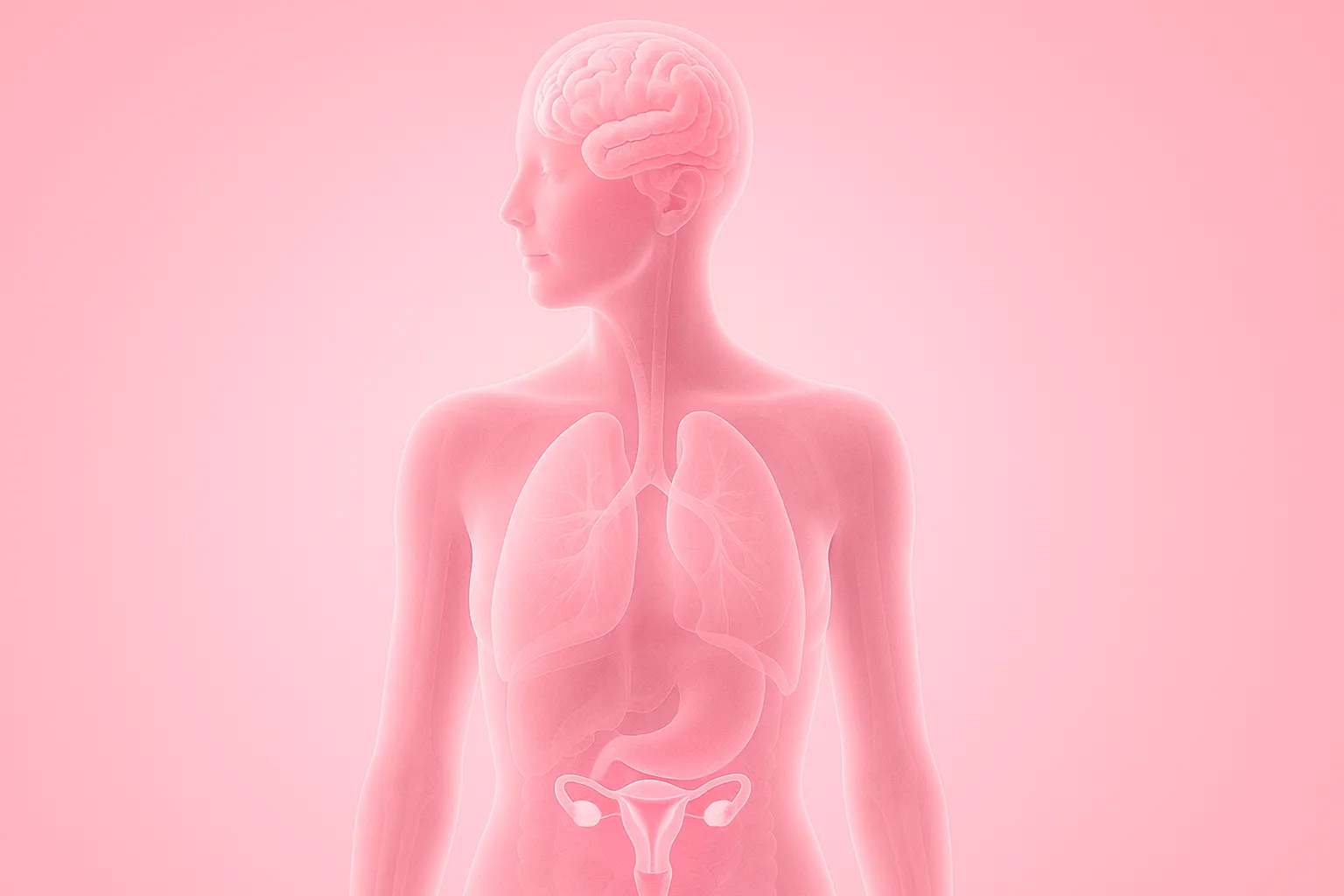
Estrogen is a group of hormones, mainly estradiol (E2), estrone (E1), and estriol. Estradiol is the most active form in most adults.
In women of reproductive age, most estrogen is produced in the ovaries. Smaller amounts come from the adrenal glands and from conversion of other hormones in fat tissue.
In men and in postmenopausal women, estrogen is produced mostly by conversion of androgens such as testosterone and DHEA in fat tissue, muscle, and other organs.
What Estrogen does in your body
Supports vaginal and urogenital tissue health and lubrication.
Helps maintain bone density and reduces bone breakdown.
Influences cholesterol balance, blood vessel function, and parts of cardiovascular risk.
Affects mood, cognition, temperature regulation, and symptoms such as hot flashes or night sweats.
Contributes to body fat distribution, especially around hips and thighs compared with the abdomen.
Plays a role in skin, hair, and connective tissue quality.
When testing Estrogen makes sense
Irregular, very heavy, or very light periods, or cycles that stop unexpectedly.
Hot flashes, night sweats, sleep disruption, or other menopausal symptoms.
Fertility concerns, difficulty conceiving, or preparation for assisted reproduction.
Mood changes, anxiety, or brain fog that line up with cycle changes or menopause.
Breast tenderness, nipple discharge, or other breast related symptoms.
Suspected estrogen excess or deficiency in women with PCOS, low body weight, high training load, or chronic illness.
Monitoring of menopause hormone therapy or gender affirming care together with related hormones and biomarkers.
How to think about high and low Estrogen results
This information is general and does not replace lab specific reference ranges or medical evaluation.
Low estrogen might be associated with:
Lighter, less frequent, or absent periods.
Vaginal dryness or discomfort with intercourse.
Hot flashes, night sweats, and sleep disturbance.
Gradual loss of bone density over time.
Low mood, irritability, or concentration problems that track with cycle or menopause timing.
Possible contributors include natural menopause, early ovarian insufficiency, very low body fat, overtraining, eating disorders, some chemotherapy or endocrine therapies, and conditions that affect the ovaries or the hypothalamic pituitary gonadal axis.
High estrogen might be associated with:
Very heavy or prolonged periods or bleeding between periods.
Breast tenderness, bloating, or fluid retention.
Worsening premenstrual mood or physical symptoms.
Endometrial thickening, fibroids, or higher risk of some hormone sensitive conditions.
Possible contributors include obesity with higher aromatase activity, some hormone therapies, pregnancy, certain ovarian or adrenal conditions, and rarely estrogen producing tumors. Lab timing in the cycle, medications, and assay limits can also shift results, so repeat testing with related markers is often needed.
What can influence your Estrogen levels
Menstrual cycle phase and whether ovulation occurs.
Use of hormonal contraception, menopause hormone therapy, or other endocrine medications.
Body weight and body fat, especially higher visceral and total fat mass.
Age, perimenopause, and menopause transition.
Chronic psychological or physical stress and suppression of the hypothalamic pituitary gonadal axis.
Very low calorie intake, eating disorders, or high training load without adequate fueling.
Liver function, since the liver processes and clears estrogen.
Pregnancy, breastfeeding, and postpartum changes.
Assay type, lab method, and timing of the blood draw relative to the cycle day.

When to talk to a healthcare provider about Estrogen
Persistent cycle changes, very heavy bleeding, or periods that stop for several months.
Hot flashes, night sweats, sleep disruption, or vaginal symptoms that affect daily life.
Fertility concerns or repeated early pregnancy loss.
Markedly high or low estrogen values on repeat testing that do not match your expected life stage.
New breast symptoms, pelvic pain, or other gynecologic concerns.
Before starting, changing, or stopping hormone therapy, including menopause treatment or gender affirming care.
A clinician can interpret estrogen in context with symptoms, examination, other hormones, and broader health risks.
Estrogen in one view
Estrogen is a central signal for menstrual cycle control, fertility, bone health, brain function, and cardiovascular risk, especially in women. Levels shift across the cycle and across the lifespan, so a single lab result is most helpful when viewed in context with symptoms and with related markers such as estradiol. An isolated estrogen number is not enough for self diagnosis or unsupervised hormone changes. If your result looks off or does not match how you feel, the next step is a structured review with a qualified clinician who can connect your lab pattern, symptoms, and life stage before deciding on monitoring, lifestyle adjustments, or targeted therapy.