
Blood Sugar Stabilization for Energy, Mood, and Metabolic Health: 14–28 Day Protocol
Overview
This protocol is for people who get afternoon crashes, sugar cravings, brain fog, or restless sleep after late, heavy meals. It runs for 14 to 28 days and coordinates meal composition, meal timing, and brief after-meal movement to blunt large swings. Core tools are protein-anchored meals, fiber and whole foods, earlier calories, and short post-meal walks, often tracked against HbA1c to see longer-term change.
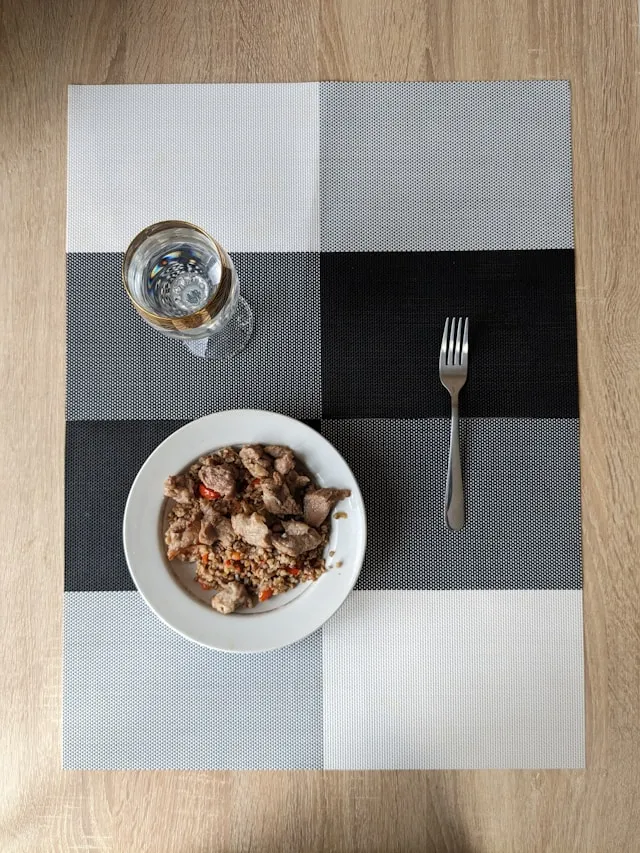
What the Blood Sugar Stabilization Protocol is and how it works
The protocol is a structured eating pattern that pairs balanced meals (protein + fiber + quality carbs + healthy fats) with smart timing and light activity after eating. Protein and fiber slow gastric emptying and glucose absorption, while muscle contraction from even easy walking increases glucose uptake independent of insulin. Consistent application reduces spikes and dips that drive cravings, fatigue, and evening restlessness.

What you may notice when you follow this protocol
Fewer post-meal crashes and steadier energy and mood.
Reduced sugar cravings and easier portion control.
More consistent focus and less afternoon brain fog.
Better sleep quality by avoiding late, heavy, high-sugar meals.
How to follow the Blood Sugar Stabilization Protocol
Baseline (3 to 5 days)
Log current meals, timing, caffeine, alcohol, and movement after meals.
Identify your biggest glucose “triggers” (large late dinners, liquid sugars, desserts on an empty stomach).
Active phase (14 to 28 days)
Build every meal around protein (20–40 g for most adults), add vegetables/fiber, then starch/fruit, and include a little healthy fat.
Eat in order: protein/veg first, then carbs.
Time your movement: do 10 minutes of easy walking (or light activity) within 60–90 minutes after your main meals.
Front-load calories: make breakfast and lunch solid; keep very late, heavy dinners occasional.
Drink smart: prioritize water/unsweetened tea; keep sugary drinks rare.
Snacks (if needed): protein + fiber (e.g., yogurt + berries, cheese + apple, hummus + veg).
Maintenance and repeat
Keep the protein-anchored pattern, post-meal walks, and earlier calories as your default.
Re-run a focused 2–4 week block after travel, holidays, or schedule drift.

Safety notes and who should be careful
People with diabetes on medication, hypoglycemia risk, eating disorders, pregnancy, or major chronic illness should personalize this plan with a clinician/dietitian.
Do not pair aggressive fasting with heavy caffeine and intense evening exercise; stack changes gradually.
If dizziness, shakiness, or confusion occur, eat, reassess timing/composition, and consult a professional.
Consider periodic labs (e.g., fasting glucose, insulin, HbA1c) for objective feedback.
The Blood Sugar Stabilization Protocol in one view
This is a practical, food-first plan: protein-anchored meals, fiber and quality carbs, earlier calories, and 10-minute post-meal walks. Two to four disciplined weeks usually reveal better energy, fewer cravings, and calmer evenings, after which a lighter routine maintains gains. High-risk users should pair this with clinical guidance and periodic labs instead of guessing.