
Blood Glucose Stability for Energy, Mood, and Sleep: 14 to 28 Day Protocol
Overview
For people who get afternoon crashes, sugar cravings, or restless sleep after late heavy meals. This 14 to 28 day plan uses protein anchored meals, earlier calories, and short walks after eating to flatten big swings. Many users track HbA1c over time to see longer term change.
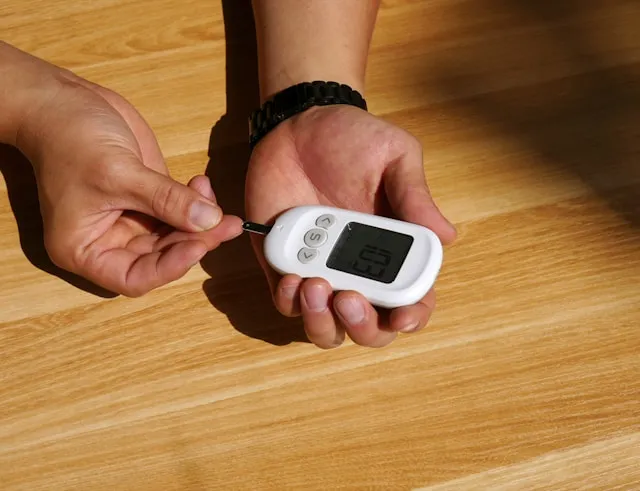
What the Blood Glucose Stability Protocol is and how it works
A structured eating pattern that pairs balanced meals protein plus fiber plus quality carbs plus healthy fats with smart timing and light activity after meals. Protein and fiber slow absorption. Even easy walking increases glucose uptake by muscle independent of insulin. Consistency reduces spikes and dips that drive cravings, fatigue, and poor sleep.

What you may notice when you follow this protocol
Fewer post meal crashes and steadier daytime energy
Reduced sugar cravings and easier appetite control
Better evening calm and sleep timing with earlier dinners
Clearer focus through the afternoon
How to follow the Blood Glucose Stability Protocol
Baseline 3 days
Log meals, timing, caffeine, alcohol, steps, and sleep.
Identify triggers such as liquid sugars, desserts on an empty stomach, very late heavy dinners.
Active phase 14 to 28 days
Build every meal around protein 20 to 40 g for most adults, add vegetables and fiber, then starch or fruit, include a little healthy fat.
Eat in order protein and veg first, then carbs.
Post meal walk 10 minutes of easy walking within 60 to 90 minutes after main meals.
Front load calories solid breakfast and lunch, keep dinner earlier and lighter, finish at least 3 hours before bed.
Drink smart water or unsweetened tea. Keep sugary drinks rare.
Snacks if needed protein plus fiber such as yogurt with berries, cheese with apple, hummus with veg.
Maintenance and repeat
Keep the protein anchored pattern, one post meal walk daily, and earlier calories as defaults.
Re run a focused 2 to 4 week block after travel, holidays, or schedule drift.

Safety notes and who should be careful
People with diabetes on medication or insulin, hypoglycemia risk, pregnancy, eating disorders, or major chronic illness should personalize this plan with a clinician or dietitian.
Do not combine aggressive fasting with heavy caffeine and intense evening training. Add changes gradually.
If dizziness, shakiness, or confusion occur, eat, shorten the fasting window, and consult a professional.
Periodic labs such as fasting glucose, insulin, and HbA1c provide objective feedback.
The Blood Glucose Stability Protocol in one view
Use protein anchored meals with fiber and quality carbs, eat protein and veg first, take 10 minute post meal walks, front load calories, and keep dinner earlier. Two to four disciplined weeks usually deliver steadier energy, fewer cravings, calmer evenings, and better sleep. Keep a flexible version long term and use labs plus clinical input for persistent issues.