Calcitriol (Active Vitamin D): Low vs High Signs, Testing, Bone Health, and Calcium Balance
Overview
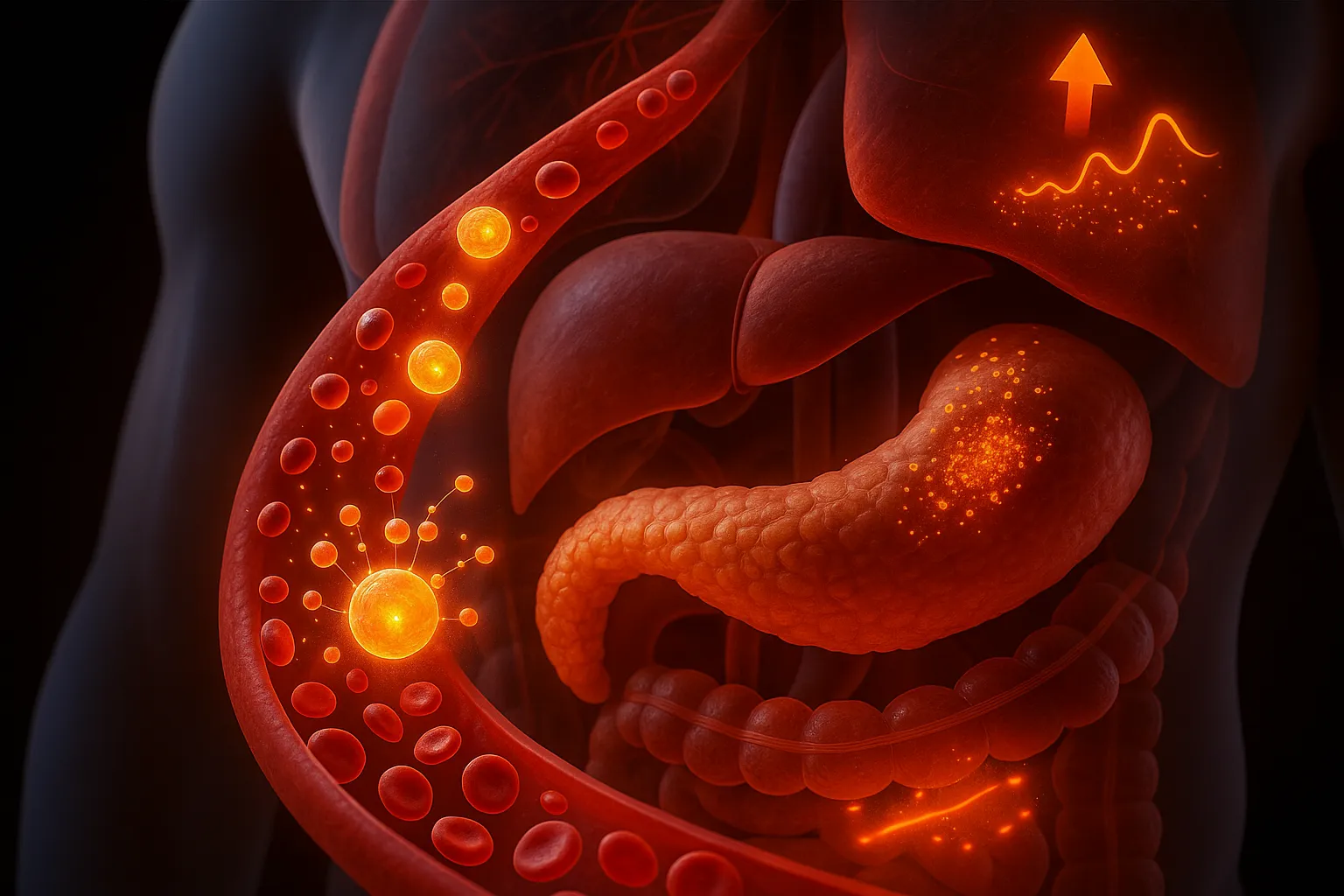
Calcitriol, also called active vitamin D, is the hormone form of vitamin D made mainly in the kidneys. It helps control how much calcium and phosphorus you absorb from food, how much the kidneys keep or lose, and how bone is remodeled over time. When calcitriol is in a healthy range, bones mineralize properly, muscles contract smoothly, and blood calcium stays stable. When it is too low or too high, problems with bone density, fractures, kidney stones, or calcium balance can appear.
In practice, calcitriol is usually interpreted together with Parathyroid Hormone and calcium so clinicians can see how hormone signals and mineral levels are working together.
What Calcitriol (Active Vitamin D) is and where it is made
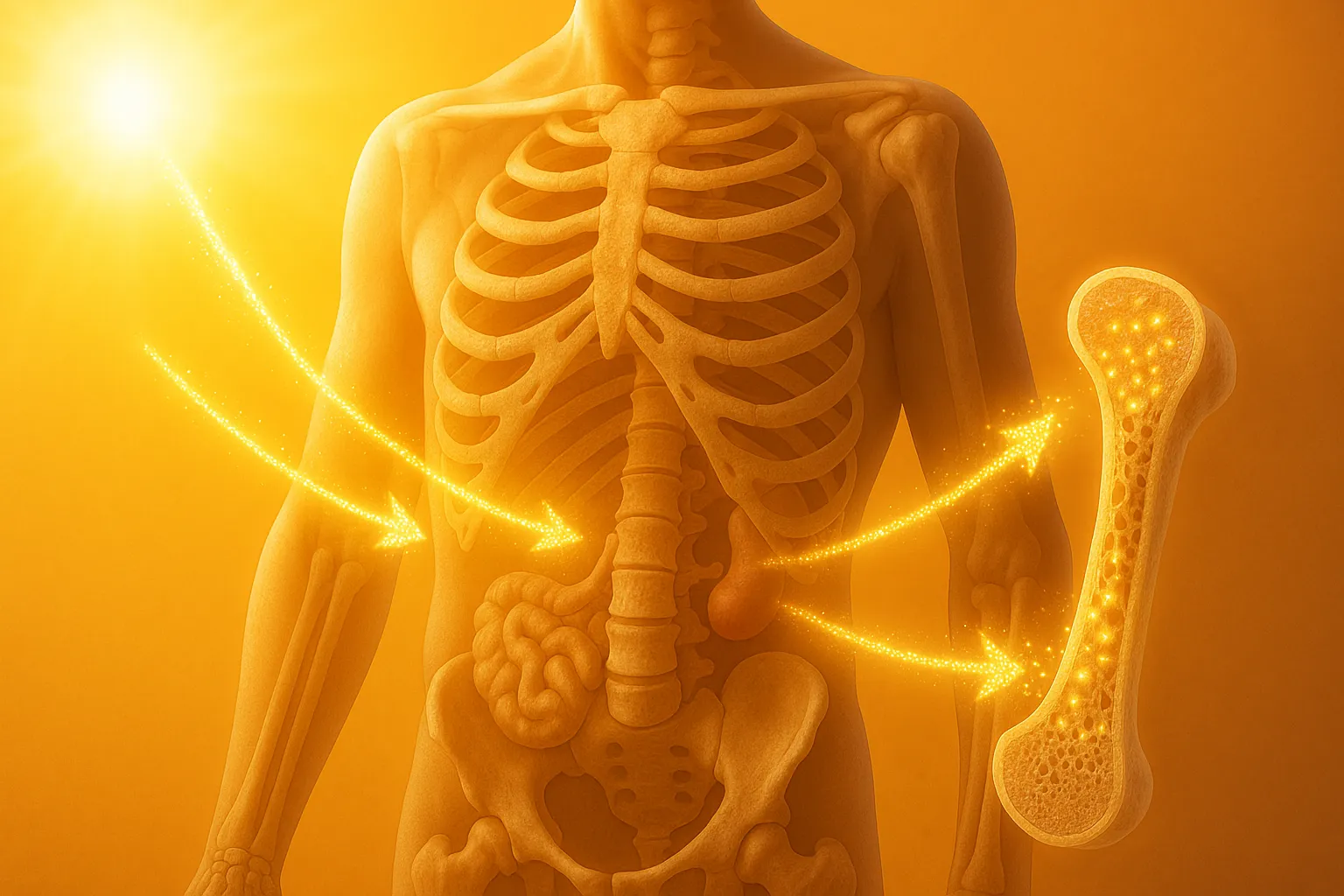
Calcitriol is the active hormone form of vitamin D, also known as 1,25 dihydroxyvitamin D.
It is produced mainly in the kidneys from 25 hydroxyvitamin D, a storage form made in the liver from diet and sunlight derived vitamin D.
Its production is regulated by parathyroid hormone, blood calcium and phosphorus levels, and kidney function.
What Calcitriol does in your body
Increases calcium absorption from the gut so more calcium from food enters the bloodstream.
Helps the kidneys reabsorb calcium and handle phosphorus appropriately.
Works together with parathyroid hormone to coordinate bone remodeling and mineral release or storage.
Supports bone mineral density, muscle function, and neuromuscular stability over time.
Influences immune and cell regulation pathways, especially when levels are very low or very high.
When testing Calcitriol (Active Vitamin D) makes sense
Complex calcium problems, especially when blood calcium is high or low and the cause is not obvious.
Suspected disorders of parathyroid hormone or vitamin D metabolism where the active hormone level may add context.
Chronic kidney disease, where the kidneys may not convert vitamin D to calcitriol properly.
Certain granulomatous or malignant conditions that can produce extra calcitriol and cause high calcium.
Follow up in specialist endocrine or kidney clinics when standard 25 hydroxyvitamin D tests do not explain the clinical picture.
Most routine vitamin D testing measures 25 hydroxyvitamin D. Calcitriol is usually a second line test used in specific situations.
How to think about high and low Calcitriol results
This information is general and does not replace lab specific reference ranges or medical evaluation.
Low calcitriol might be associated with:
Chronic kidney disease, where the kidney cannot activate vitamin D effectively.
Very low 25 hydroxyvitamin D stores, especially if prolonged.
Low parathyroid hormone states, where the signal to activate vitamin D is reduced.
Low calcitriol over time can contribute to low calcium, muscle symptoms, bone pain, and reduced bone mineral density or osteomalacia.
High calcitriol might be associated with:
Primary or secondary hyperparathyroidism, where elevated parathyroid hormone drives more active vitamin D production.
Some granulomatous diseases or lymphomas that make calcitriol outside the kidney.
Certain inherited disorders of vitamin D metabolism.
High calcitriol can push blood calcium up and increase the risk of kidney stones or other complications if not addressed.
What can influence your Calcitriol levels
Kidney function, since the kidney is the main site that activates vitamin D.
Parathyroid hormone, which signals the kidney to make more or less calcitriol.
Availability of 25 hydroxyvitamin D from sun exposure, food, and supplements.
Blood calcium and phosphorus levels, which feed back to adjust calcitriol production.
Medications such as active vitamin D analogs, some anticonvulsants, and treatments used in kidney disease or osteoporosis.
Chronic inflammatory or granulomatous conditions that can make calcitriol outside the kidney.

When to talk to a healthcare provider about Calcitriol (Active Vitamin D)
Calcitriol results that are clearly outside the reference range, especially with abnormal calcium or phosphorus.
Known chronic kidney disease with bone pain, fractures, or changing calcium and parathyroid hormone levels.
High calcium on repeated tests, particularly if the cause is not clear.
Questions about vitamin D and calcium supplement use when you also have kidney, parathyroid, or calcium issues.
A clinician, often an endocrinologist or kidney specialist, can interpret calcitriol alongside calcium, parathyroid hormone, kidney function, and vitamin D intake to decide whether observation, medication changes, or specific active vitamin D therapy is appropriate.
Calcitriol (Active Vitamin D) in one view
Calcitriol is the active hormone form of vitamin D that helps your gut, kidneys, and bones keep calcium in a safe range and support strong skeleton and muscle function. Its value is most useful when it is lined up with Calcium, parathyroid hormone, kidney function, and symptoms, so any out of range result is best reviewed with a clinician as part of a full bone and mineral picture rather than used for self adjustment of supplements.